Essential Flood-Proofing Requirements Insurers Will Enforce Starting in 2026
Homeowners residing in areas susceptible to flooding confront evolving insurance mandates. Insurers plan to implement stricter criteria for coverage, requiring verifiable evidence of flood-proofing enhancements prior to policy renewals or new issuances. These measures aim to curb claims arising from avoidable flood damage while preserving property integrity. This resource outlines the primary upgrades, associated costs, and strategies for compliance that deliver value without unnecessary expenditure.
Primary Flood-Proofing Measures Insurers Prioritize
Insurance providers emphasize protections for structural integrity, essential systems, and site drainage. The following enhancements align with established underwriting protocols and address vulnerabilities common in flood zones.
1. Foundation Sealing and Enhanced Drainage Systems
Waterproof coatings capable of withstanding hydrostatic pressure exceeding 15 pounds per square inch provide a robust barrier against seepage. Property owners should integrate perimeter drainage channels connected to a reliable sump pump equipped with a check valve to redirect groundwater efficiently. Sealing entry points, such as cracks or pipe passages, demands the use of hydraulic cement for rigid areas or flexible epoxy for joints that accommodate minor shifts. These steps prevent moisture intrusion that could lead to foundational erosion over time. Expect costs to range from $2,000 to $5,000, depending on the home's size and existing conditions.
2. Elevation Strategies and Flood Vent Installation
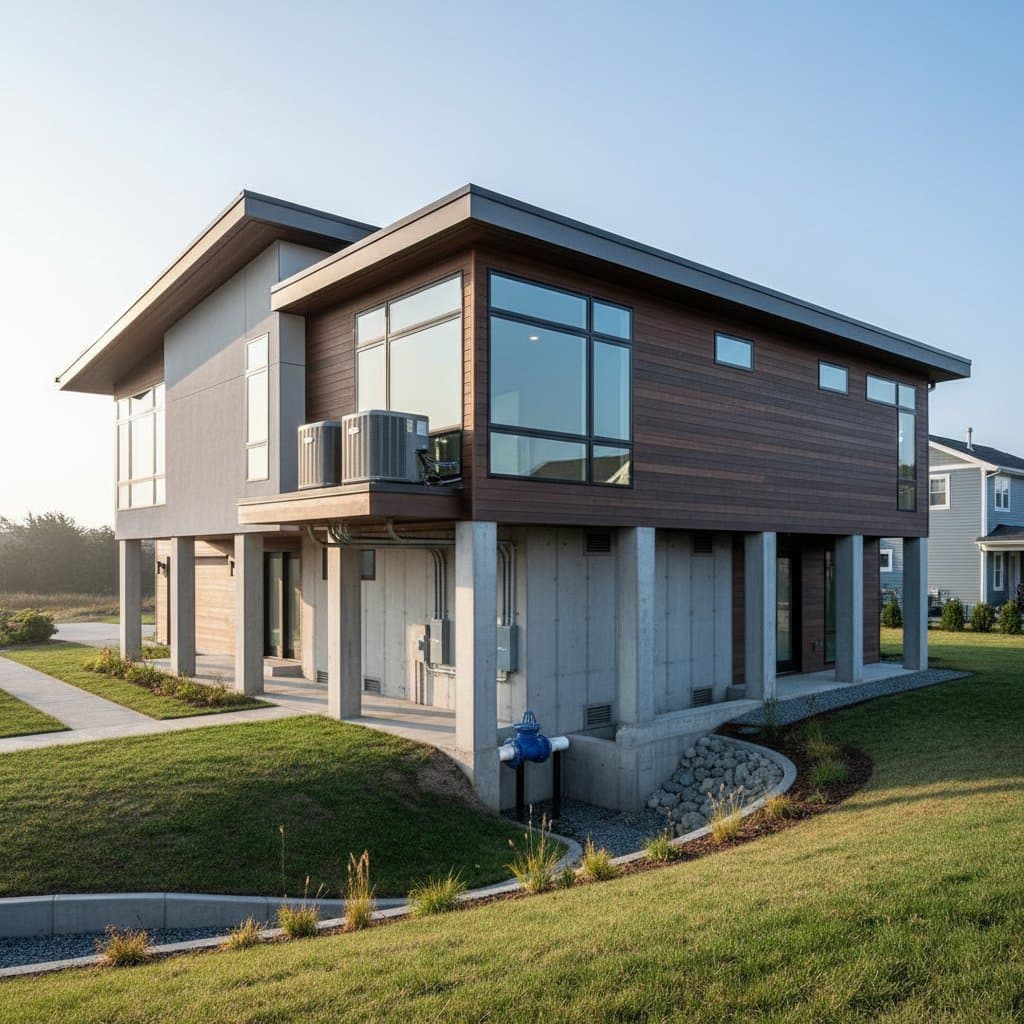
Structures featuring enclosed crawl spaces require the installation of at least two engineered flood vents per enclosed wall, positioned for optimal airflow and evenly distributed to equalize pressure during inundation. For homes with completed basements, a professional certification for dry flood-proofing becomes essential, demonstrating that temporary barriers withstand water depths up to three feet without structural compromise. Such vents and barriers facilitate water passage rather than resistance, reducing uplift forces on the foundation. Installation expenses typically fall between $1,500 and $4,000, with certification adding $500 to $1,000.
3. Relocation of Critical Utilities
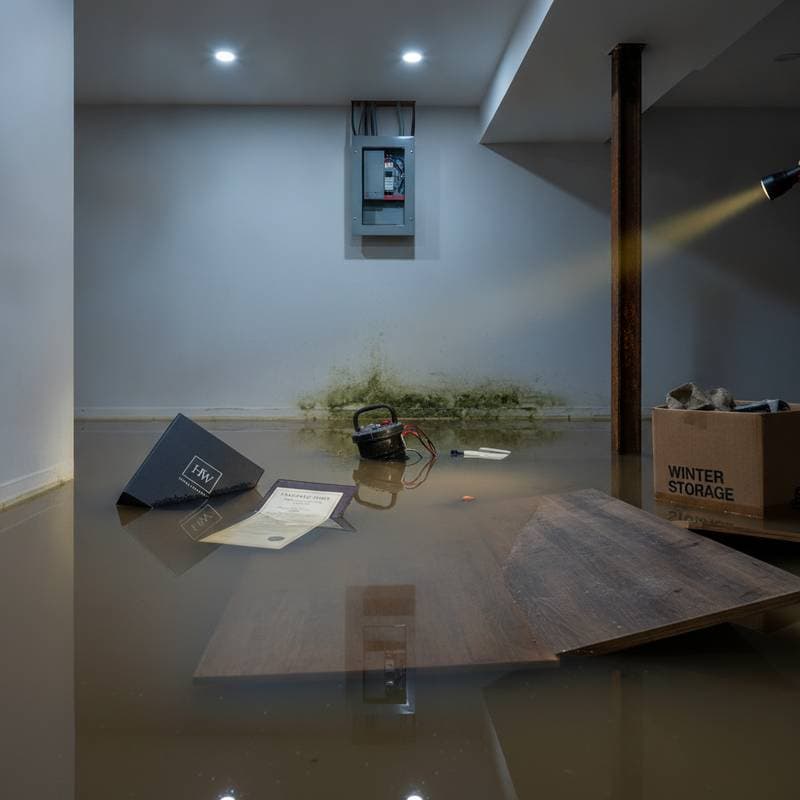
Position heating, ventilation, and air conditioning units, electrical distribution panels, and domestic water heaters at elevations surpassing the designated base flood level, often 1 to 2 feet above the predicted flood height. Employ corrosion-resistant conduit materials and incorporate waterproof disconnect switches for any wiring that penetrates lower zones. This relocation safeguards against short circuits and system failures during submersion, ensuring operational continuity post-event. Professional services for these adjustments cost approximately $3,000 to $7,000, influenced by accessibility and equipment complexity.
4. Sewer and Drainage Backflow Safeguards
A certified backflow prevention device on the primary sewer line blocks reverse flow from overwhelmed municipal systems. Supplement this with standpipes or individual check valves on all floor drains in below-grade areas to contain wastewater during surges. These devices maintain sanitary conditions and prevent contamination spread. Budget $800 to $2,500 for installation, including testing to confirm functionality.
5. Site Grading Adjustments and Perimeter Barriers
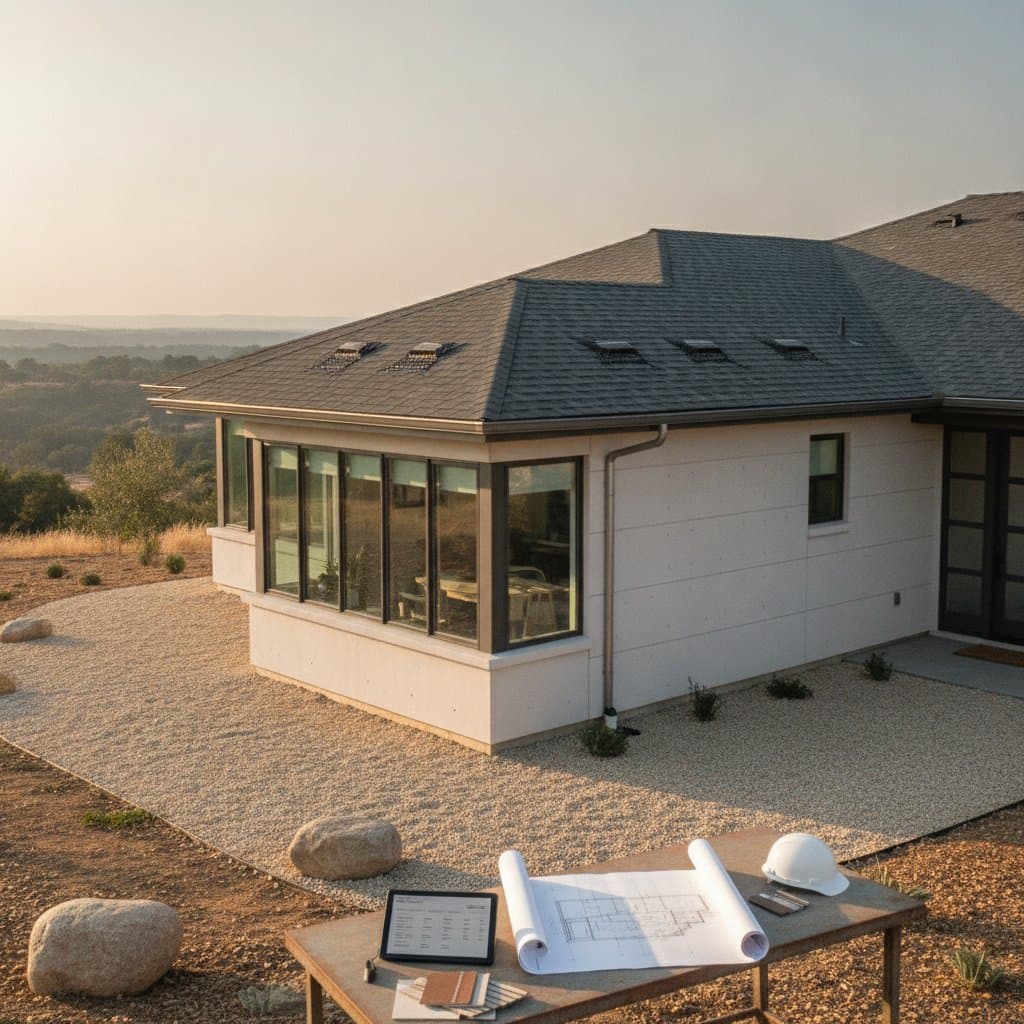
Reshape the surrounding landscape to achieve a minimum five percent slope away from the building for the initial ten feet, directing surface water toward natural drainage paths. Where topography permits, erect permanent berms or opt for deployable flood barriers certified for rapid assembly. Proper grading mitigates ponding near entry points, while barriers offer supplementary defense for vulnerable facades. These modifications generally incur $1,000 to $3,500 in expenses, varying with yard size and soil type.
Navigating Permits, Building Codes, and Safety Protocols
Local authorities often mandate permits for plumbing, electrical, or structural alterations related to flood-proofing. Electrical relocations must adhere to prevailing codes, incorporating ground-fault circuit interrupter outlets in any subgrade locations to enhance shock prevention. Avoid encapsulating basement walls without integrating relief mechanisms for hydrostatic buildup, as excessive pressure can fracture concrete. Consultation with a structural engineer proves advisable for comprehensive assessments.
When elevating mechanical equipment, confirm that manufacturers uphold warranty terms, as unauthorized disassembly or repositioning may invalidate protection. Secure permits for all modifications, regardless of scale, to furnish insurers with verifiable inspection documentation. Prioritize work during dry seasons to optimize execution and minimize disruptions.
Common Errors That Risk Policy Invalidations
-
Applying seals to basement walls absent a designated pathway for pressure dissipation, which invites explosive failures.
-
Selecting flood vents lacking Federal Emergency Management Agency approval, rendering them ineffective for compliance.
-
Shifting electrical panels or heating systems without obtaining requisite permits, exposing claims to denial.
-
Relying on sandbags for ongoing protection, as insurers classify them solely as interim solutions.
-
Neglecting to correct landscaping that funnels stormwater directly toward the home's base.
These oversights not only jeopardize coverage but also amplify damage potential during events.
Preparation Checklist for Flood-Proofing Projects
| Category | Details |
|---|---|
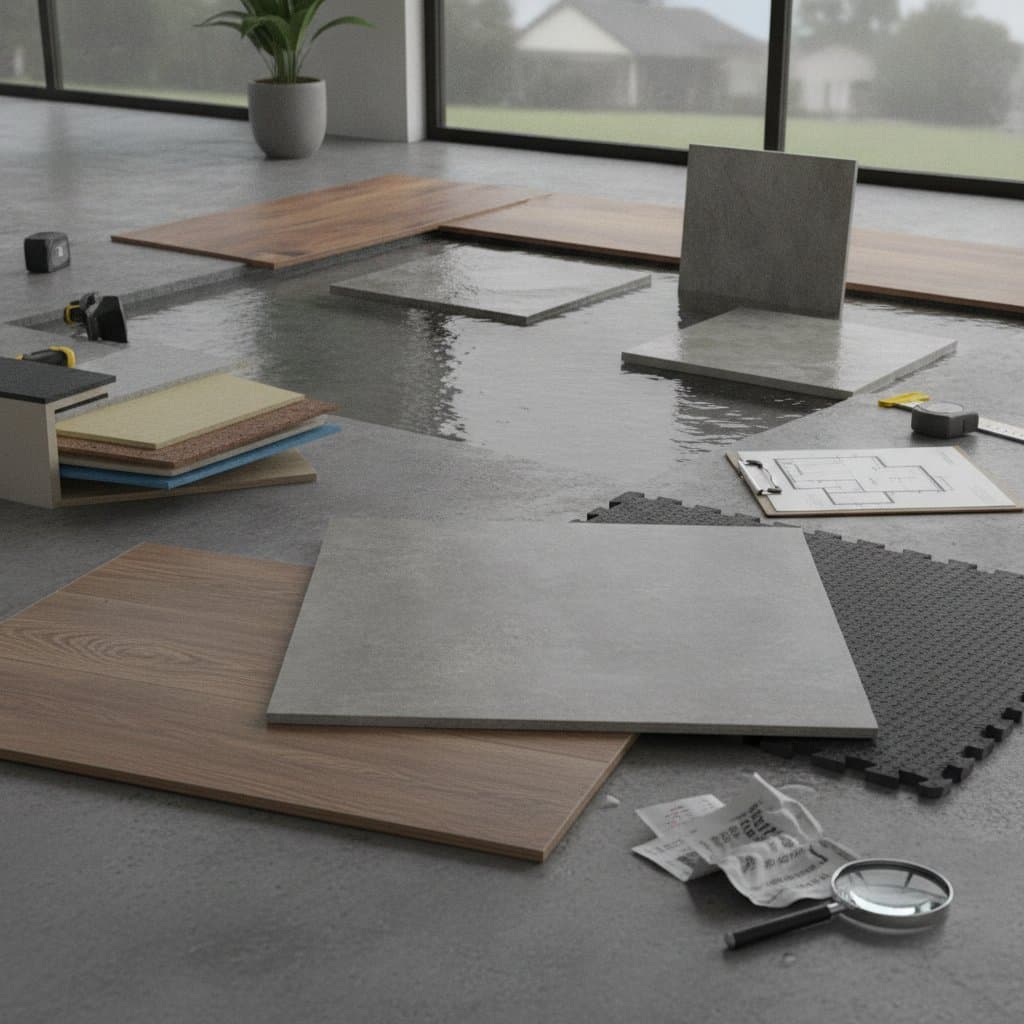
| Required Tools | Power drill with masonry bits, trowel set, high-pressure washer, sturdy shovel, digital laser level for precise measurements |
| Essential Skills | Fundamental masonry techniques, basic plumbing adjustments, accurate slope assessment using levels |
| Safety Equipment | Heavy-duty gloves, particulate respirator mask, protective eyewear, non-slip waterproof footwear |
| Necessary Permits | Plumbing for drainage work, electrical for utility moves, building for structural elements based on project extent |
| Preliminary Steps | Remove debris from work zones, capture detailed photographs of existing conditions for records |
| Environmental Considerations | Postpone projects during heavy rain or soil saturation to ensure stable groundwork |
Steps to Implement Upgrades Effectively
Initiate the process by obtaining your insurer's specific flood mitigation guidelines and conducting a thorough property audit against them. Solicit bids from a minimum of two qualified contractors, providing a uniform project specification to facilitate apples-to-apples evaluations of materials, labor, and extended warranties. Retain all invoices, permits, and post-installation inspections in a digital archive, as many providers now verify enhancements electronically prior to coverage affirmation.
Beyond mere adherence, these investments fortify your home's core systems against erosion and failure, while bolstering market appeal for future sales. Properties achieving these benchmarks ahead of deadlines experience stabilized premiums and robust claim support. Proceed methodically, prioritizing high-impact areas, and document progress meticulously to secure enduring insurability and resilience.