ADU Construction Costs Projected to Rise 35% by 2026: Essential Planning Insights
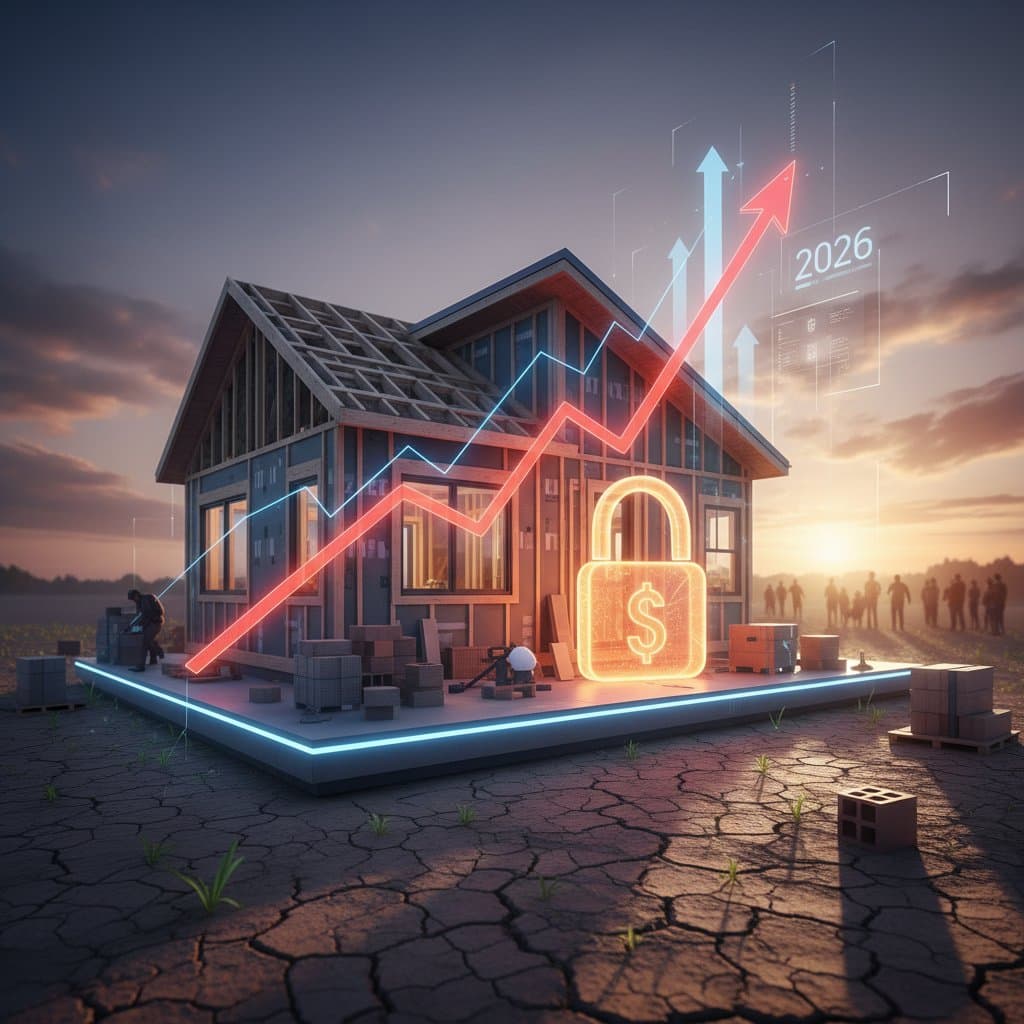
Accessory dwelling units, known as ADUs, serve as compact secondary residences on the property of a primary home. These structures encompass options like detached backyard cottages, attached extensions, or conversions of existing spaces such as garages or basements. Property owners pursue ADUs to generate rental revenue, accommodate extended family members, or provide dedicated guest accommodations. Recent industry analyses indicate a substantial 35 percent escalation in construction expenses over the upcoming building period. Individuals contemplating an ADU project must grasp the underlying causes of this uptick, develop robust budgeting strategies, and determine optimal timing for initiation.
Defining an Accessory Dwelling Unit
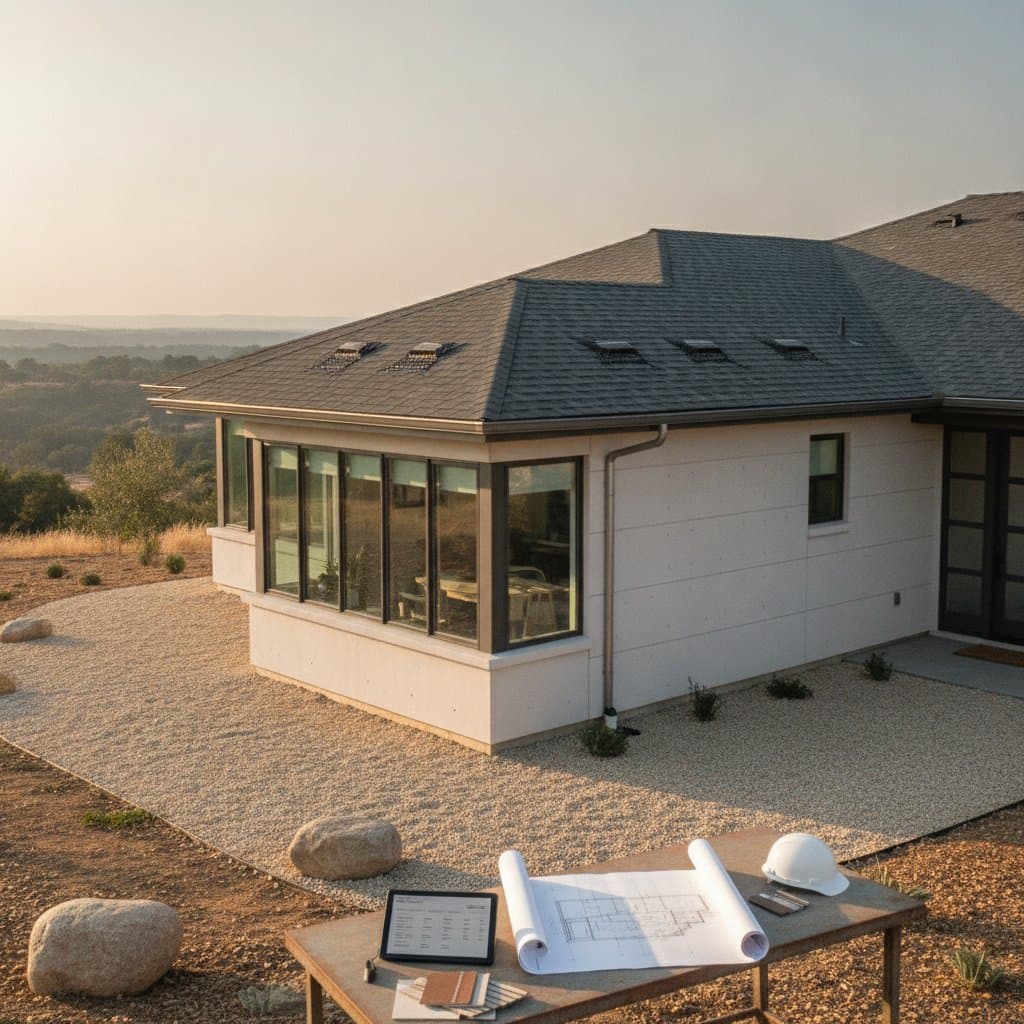
An accessory dwelling unit functions as a self-contained living space situated on a single-family residential property. Configurations include fully detached buildings, those integrated with the main house, or adaptations of pre-existing areas like attics or basements. Compliance with prevailing local ordinances typically mandates the inclusion of a complete kitchen, private bathroom facilities, and an independent entrance.
ADUs gain traction in areas characterized by elevated housing expenses or prevalent multigenerational living arrangements. Applications range from income-producing rentals and professional home offices to comfortable guest quarters. Jurisdictional guidelines often impose restrictions on dimensions, elevation limits, and positioning relative to property lines. Prospective developers should verify applicable zoning provisions prior to commencing any preliminary design efforts.
Factors Driving the Cost Increase
Multiple interrelated elements contribute to the anticipated elevation in ADU expenses:
- Material price volatility: Fluctuations in the costs of essential components such as lumber, concrete aggregates, and thermal insulation materials persist amid supply chain disruptions.
- Skilled labor scarcity: Demand exceeds availability for qualified tradespeople, including framers, plumbers, and electricians, particularly in urban and suburban markets.
- Evolving regulatory standards: Recent mandates for enhanced energy efficiency and universal accessibility necessitate premium materials and advanced mechanical systems.
- Extended permitting processes: Prolonged municipal reviews result in increased preliminary labor expenditures and prolonged financing commitments.
- Elevated financing rates: Surging interest on construction loans impacts contractor pricing structures and overall project affordability for owners.
This forecasted 35 percent rise translates to a current 250,000 dollar project potentially exceeding 337,500 dollars in the near future. Early action allows builders to secure contracts at prevailing rates before broader market pressures intensify.
A Structured Approach to ADU Development
Follow this sequential process to streamline your ADU initiative:
- Verify zoning compliance. Review municipal documents for specifications on boundary offsets, allowable footprints, and mandatory parking allocations.
- Conduct a site assessment. Evaluate existing infrastructure like water lines, terrain gradients, and mature vegetation that may influence layout.
- Determine the ADU configuration. Assess whether a standalone unit, an addition to the primary structure, or a retrofit suits your available space and objectives.
- Develop initial blueprints. Outline room arrangements, total area measurements, and basic aesthetic preferences.
- Solicit cost projections. Consult no fewer than three certified contractors for detailed bids encompassing labor, materials, and contingencies.
- Submit permit applications. Compile comprehensive submissions featuring plot diagrams, vertical projections, structural analyses, and sustainability computations.
- Oversee construction phases. Coordinate progressive evaluations at key milestones, including groundwork completion, skeletal assembly, and final walkthroughs.
- Complete and activate the space. Install necessary fixtures, utility connections, and exterior enhancements to render the unit habitable.
Adhering to this framework minimizes surprises and ensures regulatory adherence throughout the project lifecycle.
Weighing DIY Efforts Against Professional Services
| Category | DIY Approach | Professional Management |
|---|---|---|
| Required Expertise | Advanced proficiency in construction disciplines | Oversight by certified specialists |
| Safety Concerns | Elevated hazards in load-bearing or wiring tasks | Mitigated through standardized protocols |
| Equipment Needs | Comprehensive inventory of specialized tools | Supplied and maintained by the construction team |
| Regulatory Adherence | Owner responsibility for code conformity | Handled comprehensively by the lead contractor |
| Project Timeline | Often extends beyond 12 months due to pacing | Generally spans 4 to 9 months with efficiency |
| Assurance Coverage | Minimal protections without formal guarantees | Full warranty provisions from the service provider |
Opting for DIY suits cosmetic upgrades or minor interior modifications in select scenarios. However, foundational elements, sanitary installations, and electrical configurations demand intervention from credentialed experts to uphold safety and legality.
Ensuring Longevity Through Routine Upkeep
A properly constructed ADU endures comparably to its primary counterpart when subjected to diligent care. Schedule roof examinations every five years to detect wear on shingles or flashing. Refresh exterior coatings on walls and trim at intervals of seven to ten years to prevent deterioration. Perform annual tune-ups on heating, ventilation, and air conditioning units to optimize performance and efficiency.
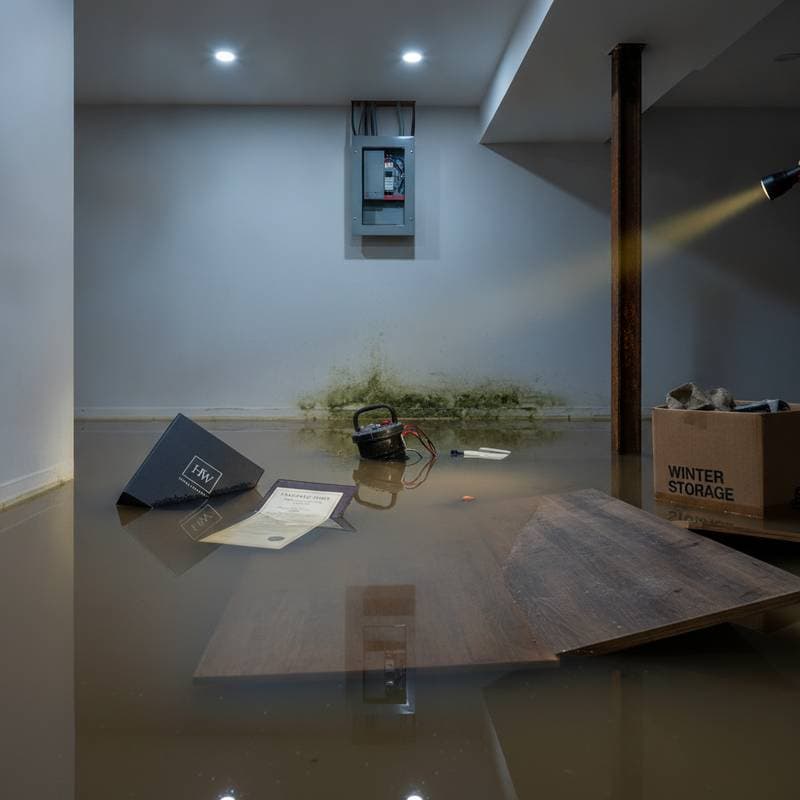
Additionally, replace fire safety devices such as smoke and carbon monoxide alarms every decade. Inspect drainage systems and fixtures seasonally for signs of corrosion or seepage. These proactive measures not only extend the unit's service life but also preserve its market value over time.
Accounting for Geographic Variations
Local environmental conditions significantly influence ADU design and budgeting:
- Temperate and frigid zones: Incorporate superior insulation ratings and foundations engineered against freeze-thaw cycles to maintain structural integrity.
- Warm and humid locales: Integrate vapor barriers and antimicrobial finishes to combat condensation and fungal growth.
- Dry and sunny regions: Employ light-colored roofing materials and integrated shading to reduce heat absorption and energy demands for cooling.
Tailoring selections to site-specific climates enhances durability while aligning with regional code expectations.
Securing Your ADU Project Amid Rising Expenses
With a 35 percent cost projection looming by 2026, proactive planning positions homeowners to achieve favorable outcomes. Begin by assembling a team of vetted professionals and gathering precise financial projections. This approach not only curbs expenditures but also delivers a versatile asset that supports long-term housing needs. Initiate your assessment today to navigate the evolving landscape effectively.