Difficulty Level: Moderate, requiring coordination among family members and professionals.
-
Assess Available Space. Measure the lot dimensions and the footprint of any existing home. Verify setback requirements and the locations of utility lines to ensure compliance.
-
Define Family Goals. Determine the residents, their required privacy levels, and optimal locations for shared communal areas. Consider daily routines to align spaces effectively.
-
Review Building Codes. Examine local regulations concerning accessory dwelling units, additional kitchens, and independent access points. Consult municipal offices for specific guidelines.
-
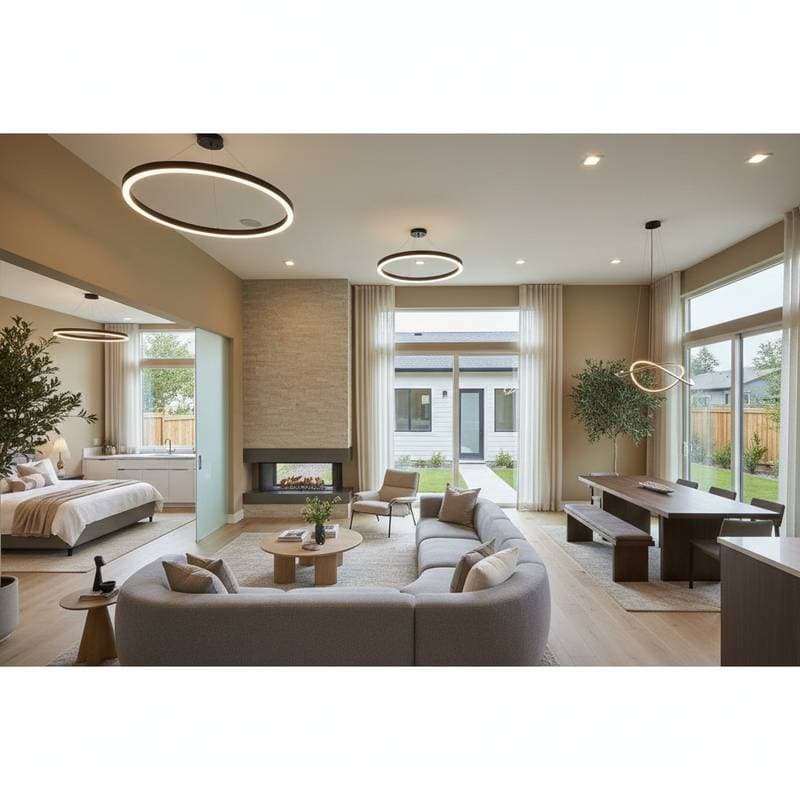
Develop Layout Sketches. Design pathways that allow independent movement for each household. Incorporate wide doorways, low thresholds, and accessible bathroom configurations for universal usability.
-
Obtain Cost Estimates. Reach out to at least three reputable design-build firms. Request detailed breakdowns covering design fees, permitting costs, and construction expenses.
-
Evaluate Utility Systems. Choose whether each living unit requires dedicated HVAC systems, water heaters, and electrical meters. Factor in efficiency and shared resource options.
-
Refine the Design. Integrate soundproofing materials, adjustable lighting, and enhanced ventilation to improve comfort and reduce noise transmission.
-
Arrange for Inspections. Identify key permit milestones early in the process. Schedule walkthroughs to confirm adherence to safety standards.
Final Inspection: Conduct a walkthrough with all family members. Verify privacy boundaries, door operations, and storage accessibility to address any oversights.
Documentation: Organize all sketches, permits, and contracts in a secure file. This preparation supports future property sales or refinancing efforts.
DIY vs Professional Assistance
Suitable for DIY Efforts
- Preliminary layout drawings and family needs assessments.
- Non-structural tasks such as painting, installing flooring, or adding trim.
- Incorporating smart locks or modular shelving units.
When to Hire Professionals
- Relocating load-bearing walls or altering structural elements.
- Extending plumbing lines or upgrading electrical systems.
- Installing secondary kitchens or bathrooms.
- Navigating complex permitting and code compliance processes.
Professional Advantages
Licensed contractors manage collaboration with engineers, inspectors, and subcontractors. They perform essential calculations for structural loads, fire barriers, ventilation requirements, and insulation levels. These steps safeguard the occupancy certificate and preserve the home's resale potential.
Design Alternatives
Option A: Attached Suite
Ideal for compact lots, this approach repurposes a section of the primary residence into a self-contained suite. It minimizes expenses through shared utilities and walls, though it limits complete separation.
Option B: Detached Accessory Dwelling Unit
This choice prioritizes privacy and future versatility, featuring a standalone mini-home on the property. Initial costs are higher, but the unit can serve as rental income later if regulations permit.
Option C: Basement Conversion
Suitable for homes with undeveloped lower levels, this method involves adding waterproofing and emergency egress windows. It offers cost savings compared to new builds, although natural light remains a challenge.
Frequently Asked Questions
How Much Space Does a Multigenerational Home Require?
Allocate at least 600 square feet per adult household, plus designated shared spaces. Increase this allocation if separate cooking facilities are necessary for each group.
Is a Separate Entrance Essential?
It is not mandatory in every case, but it enhances privacy and improves resale appeal. Certain codes mandate it when the unit includes its own kitchen.
How Can Sound Be Controlled Between Living Areas?
Install double layers of drywall, acoustic insulation, and solid-core doors to minimize noise transfer. These measures create quieter boundaries without compromising aesthetics.
Can the Additional Unit Be Rented Out Later?
Rental use depends on local zoning approvals. Verify occupancy limits and obtain necessary rental permits prior to marketing the space.
Will This Design Impact Property Taxes?
Adding habitable square footage typically increases the assessed value. Contact the local tax assessor to understand potential adjustments before completing the project.
Implementing Your Multigenerational Vision
Begin by outlining resident arrangements and anticipated durations. Discuss privacy expectations, household responsibilities, and financial contributions among all parties. Proceed with thorough zoning investigations, secure a reliable builder, and establish a detailed budget. Thoughtful design choices ensure the home adapts to family growth while retaining enduring value.