Building Multigenerational Harmony Through Thoughtful Home Design
Quick Overview
- Establish distinct zones for private retreats and communal gatherings to maintain balance among family members of varying ages.
- Incorporate adaptable layouts and universal design principles to accommodate evolving needs over time.
- Anticipate accessibility requirements, noise management, and potential structural modifications from the outset.
Benefits and Challenges
Benefits
Multigenerational living arrangements often reduce financial burdens by distributing costs for housing, utilities, and daily care. Family members provide mutual support, which strengthens bonds and offers emotional reassurance during life transitions. Proximity facilitates aging in place, allowing seniors to remain independent while benefiting from nearby assistance.
Challenges
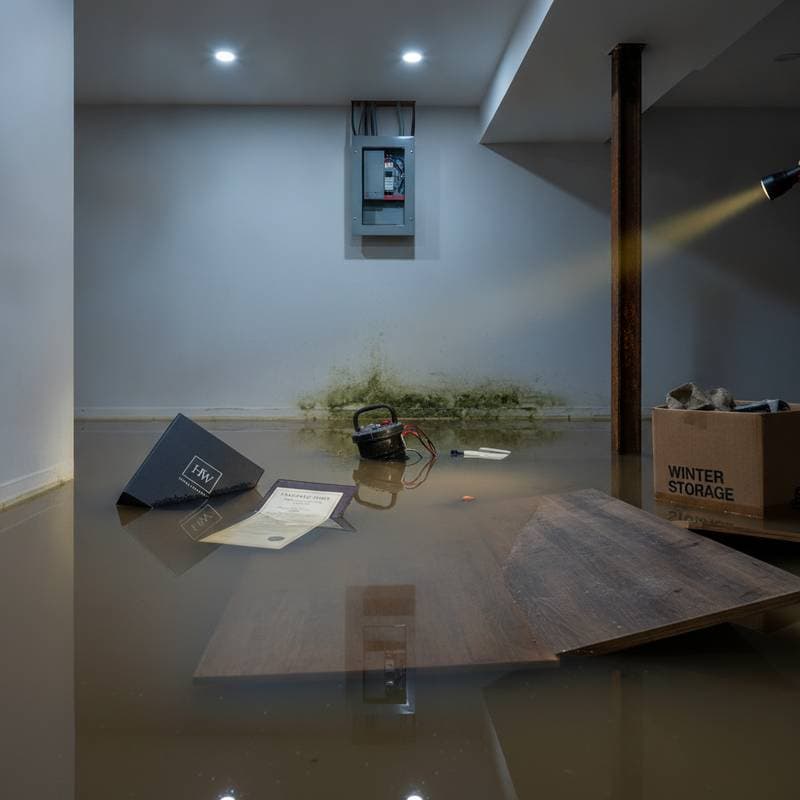
Increased occupancy accelerates wear on common areas, necessitating durable materials and regular maintenance. Conflicts may arise from differing schedules, leading to noise disturbances or invasions of personal space. Local regulations sometimes restrict the construction of accessory dwelling units, complicating expansion plans.
Step-by-Step Guide: Designing Spaces for Multiple Generations
Essential Tools and Materials
- Measuring tape for accurate assessments.
- Floor plan software or graph paper for visualizing layouts.
- Soundproofing insulation to minimize noise transmission.
- Lever-style door handles for ease of use.
- Grab bars and non-slip flooring to enhance safety.
- Smart lighting controls for customizable illumination.
Estimated Time and Complexity
Planning requires several weeks to evaluate layouts and select products. Implementation involves moderate to high difficulty, scaling with the scope of renovations or new constructions.
1. Define Distinct Zones.
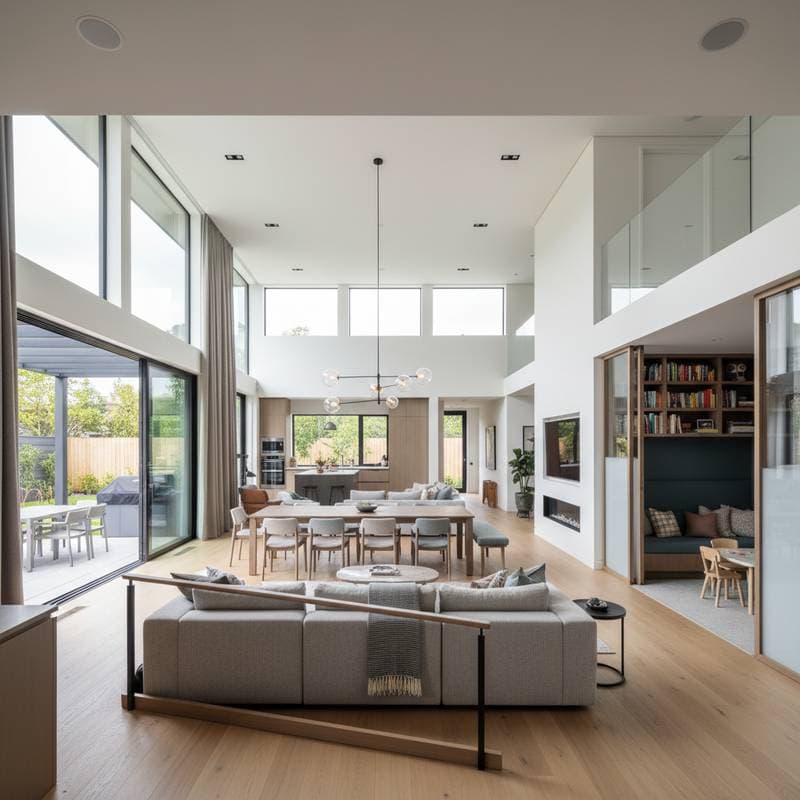
Identify three core areas: a central shared hub for communal activities, private suites for individual respite, and flexible rooms for multipurpose use. The shared hub encompasses the kitchen, dining area, and living room, where family meals and conversations occur. Private suites feature dedicated bedrooms, full bathrooms, and ample storage to ensure personal autonomy. Flexible spaces serve as play areas for children, home offices for adults, or guest quarters as circumstances evolve.
2. Evaluate Accessibility and Circulation.
Incorporate wide doorways at least 36 inches across, eliminate raised thresholds, and ensure seamless flooring transitions throughout the home. These modifications support safe navigation for young children learning to walk and older adults relying on mobility aids like walkers or wheelchairs. Consider ramp installations for entryways if multi-level designs persist.
3. Implement Sound Isolation Measures.
Install acoustic insulation in walls and between floors adjacent to sleeping quarters to dampen everyday sounds. Opt for solid-core doors that seal tightly and layer rooms with soft furnishings such as area rugs and upholstered furniture to absorb echoes. Such strategies accommodate varying sleep patterns, from early-rising grandparents to late-night studying teens.
4. Prioritize Visibility and Security Features.
Layer lighting sources with dimmer switches to provide adjustable brightness without harsh glare. Position fixtures to eliminate shadows on staircases and corridors, reducing fall risks. Apply high-contrast colors, such as dark handrails against light walls, to aid visual perception for those with declining eyesight.
5. Integrate Secondary Kitchen Facilities.
Where feasible, add a compact kitchenette within an in-law suite or detached accessory dwelling unit, equipped with a sink, cooktop, and compact refrigerator. This setup empowers older family members to prepare meals independently, minimizing reliance on the main kitchen during peak hours. Stock it with essential appliances like a microwave and dishwasher for convenience.
6. Incorporate Adaptable Elements.
Employ sliding panels or removable partitions to reconfigure open-plan areas as family dynamics shift. Select furniture with casters for easy repositioning and modular shelving systems that expand or contract. These choices allow spaces to transform from entertainment zones to quiet workspaces without major overhauls.
7. Foster Connections to Outdoor Areas.
Design shared patios or garden pathways that offer clear views from indoor living spaces, encouraging spontaneous gatherings. Include shaded benches, level paver walkways, and accessible ramps to accommodate all mobility levels. Well-planned exteriors extend living areas, providing fresh air and relaxation without indoor congestion.
8. Verify Compliance with Local Regulations.
Prior to constructing an accessory dwelling unit or altering plumbing systems, research zoning laws and obtain necessary permits. Certain municipalities impose size restrictions or mandate independent utility connections for secondary structures. Consult local building departments early to avoid costly revisions.
Final Inspection and Refinements.
Tour the proposed or completed space alongside family members representing different age groups. Assess sight lines for supervision, reachable storage heights, and overall comfort levels. Implement minor adjustments, such as repositioning outlets or adding tactile markers, prior to installing permanent finishes.
Waste Management.
Recycle construction debris like metal fixtures and wood scraps through community programs. Follow municipal guidelines for safe disposal of insulation materials and adhesives to protect the environment.
DIY Approaches Versus Professional Services
Suitable for DIY Projects When
- The work involves surface-level updates like painting walls, installing lighting fixtures, or replacing hardware.
- Basic skills in carpentry or flooring installation suffice for the tasks at hand.
Recommend Professional Help For
- Extensions involving new plumbing lines, electrical wiring, or load-bearing modifications.
- Full conversions of basements, garages, or additions requiring structural integrity.
- Scenarios demanding official permits, safety inspections, or certifications for accessibility standards.
Distinct Advantages of Professional Expertise
Contractors manage coordination among electricians, plumbers, and other specialists, streamlining the process. They secure approvals efficiently and guarantee adherence to building codes. Professionals also integrate advanced systems for ventilation, humidity regulation, and energy conservation, ensuring the home remains comfortable and efficient for occupants of all ages.
Alternative Design Configurations
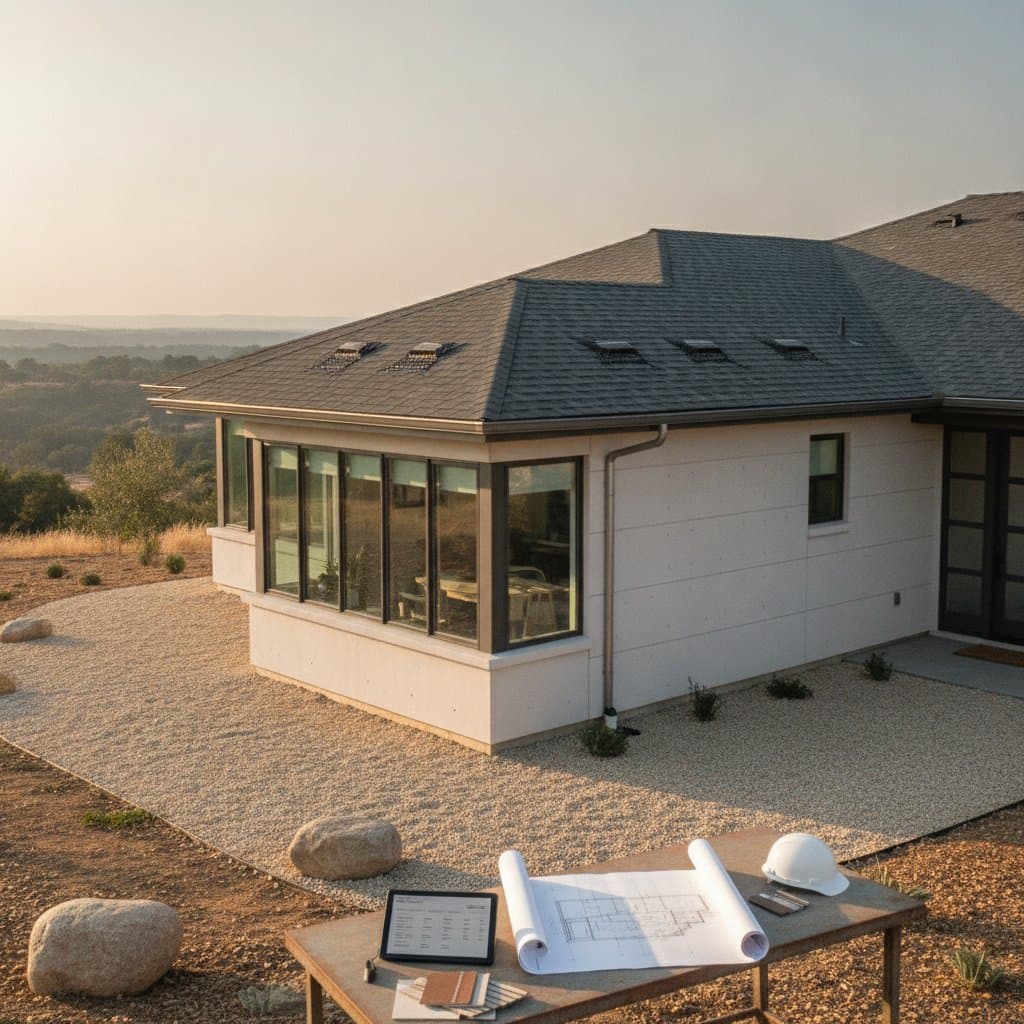
Option A: Detached Accessory Dwelling Unit.
This approach maximizes privacy and allows for potential income generation through rentals. However, it demands significant initial investment and may encounter bureaucratic delays in permitting.
Option B: Converting Basement or Garage Spaces.
Ideal for homes with unused lower levels, this method proves more economical than ground-up builds. Limitations include potential issues with natural light and headroom, which require creative solutions like egress windows.
Option C: Adding an Interior Suite.
Suited for households prioritizing close caregiving and daily interactions, this option integrates seamlessly within the existing footprint. The compromise involves reduced seclusion and greater exposure to household noises.
Frequently Asked Questions
How many bathrooms are ideal in a multigenerational home?
Plan for at least one full bathroom per generation or private suite to prevent bottlenecks. Additional half-baths near shared areas further reduce wait times during busy mornings.
Is renting out an accessory dwelling unit permissible?
Affirmative, provided local zoning permits it. Review regulations regarding occupancy limits, parking requirements, and separate metering for utilities.
Which flooring options suit all age groups?
Luxury vinyl plank flooring or cork tiles offer cushioning underfoot, resistance to slips, and straightforward maintenance. Both withstand heavy traffic while providing warmth and quiet.
What measures improve stair safety for seniors?
Install sturdy handrails on both sides of staircases, opt for risers no higher than seven inches, and embed motion-activated lights along treads. Non-slip stair nosing adds an extra layer of protection.
Does a separate heating and cooling system prove necessary?
Not in every case, yet dual-zone HVAC units enable individualized temperature settings, enhancing comfort and optimizing energy use across different living areas.
Essential Planning Checklist
- Sketch a comprehensive floor plan delineating shared hubs, private suites, and adaptable rooms.
- Measure all doorways, hallways, and passages to confirm accessibility compliance.
- Integrate soundproofing materials between sleeping and communal zones.
- Select flooring materials that prioritize grip, resilience, and ease of care.
- Mount grab bars in bathrooms and fit lever handles on doors.
- Research and adhere to zoning restrictions for additions or accessory units.
- Establish clear guidelines for usage of communal spaces prior to occupancy.
Bringing Your Multigenerational Design to Life
Initiate the process with modest steps, such as drafting a preliminary floor plan and facilitating open discussions among family members. Emphasize foundational aspects like privacy safeguards, safety enhancements, and layout versatility before addressing aesthetic details. As these elements align, the home functions more effectively, nurturing deeper connections and adaptability. Ultimately, each intentional decision cultivates not only a residence but a supportive environment that evolves with every generation.