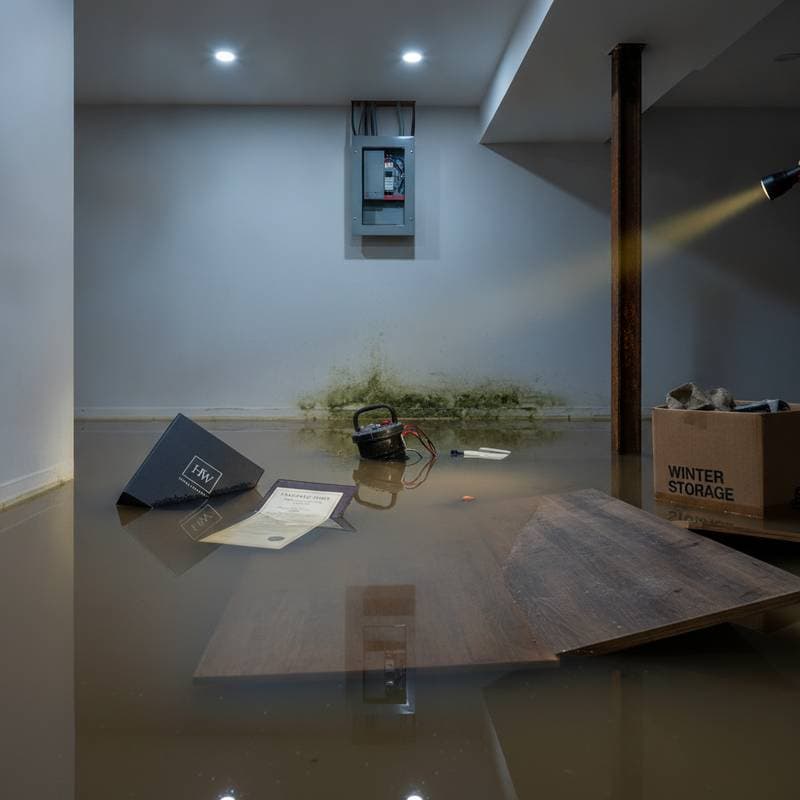
A pump in a pit collects rising groundwater and discharges it outside via a pipe. Choose models with alarms and automatic float switches for reliable operation.
4. Backflow Preventer:
A valve installed in the main sewer line stops wastewater from backing up into the house during municipal overflows.
5. Perimeter Drains and Grading:
Underground pipes and proper yard slope direct surface water away from walls. French drains along the foundation perimeter capture and redirect subsurface flow.
6. Raised Mechanicals:
Relocate HVAC units, electrical panels, and water heaters above expected flood levels, typically on platforms or in upper areas.
7. Flood Barriers and Shields:
Removable or permanent panels block doorways and window wells during storms. Opt for interlocking systems made from durable plastics or metals.
8. Flood-Resistant Materials:
Use concrete, tile, closed-cell foam insulation, and pressure-treated wood, which resist water and mold better than drywall or carpet.
Step-by-Step Guide to Flood-Proofing Your Home
Follow this structured approach to implement upgrades systematically. Start with evaluation to identify priorities, then proceed to hands-on tasks.
Step 1: Assess Your Risk
Review site elevation, soil drainage, and local flood maps through resources like FEMA. Even properties outside designated zones can experience issues from intense rain overwhelming storm drains. Document signs such as basement seepage, yard pooling, or proximity to waterways.
Step 2: Inspect and Seal Foundation Cracks
Identify hairline cracks using a flashlight and mirror. Fill them with hydraulic cement or epoxy injection kits for a watertight seal. Apply waterproof coating on interior or exterior surfaces; for block walls, select a masonry sealer rated for hydrostatic pressure.
Step 3: Upgrade Drainage
Ensure soil slopes away from the house at least six inches over ten feet by adding topsoil if needed. Clean existing gutters or install new ones with downspouts discharging ten feet from the foundation. Incorporate a French drain if persistent water accumulation occurs.
Step 4: Install a Sump Pump and Backup Power
Position a submersible sump pump in a lined pit with a battery or generator backup to handle power outages. Include a check valve on the discharge line to prevent backflow and potential flooding from reversed flow.
Step 5: Add Flood Vents
Place engineered vents in crawlspace or basement walls to equalize hydrostatic pressure. These openings allow water to flow through rather than against the structure, preventing wall collapse in rapid flooding scenarios.
Step 6: Protect Openings
Secure removable flood barriers for doors, garage entries, and window wells. Consider permanent flood doors for areas prone to frequent inundation, ensuring they meet certification standards.
Step 7: Elevate Utilities
Relocate electrical panels, outlets, and HVAC units to heights exceeding predicted flood levels. Secure fuel tanks with anchors to avoid flotation and potential rupture.
Step 8: Replace Vulnerable Finishes
Replace carpet with tile or vinyl plank flooring. Install closed-cell spray foam insulation over fiberglass types. Select metal doors and PVC trim materials that withstand prolonged water exposure.
Step 9: Maintain and Test
Conduct inspections of sump pumps, vents, and seals twice each year. Test backup power systems regularly and replace any worn gaskets or seals promptly.
DIY Versus Professional Installation
Determine feasibility based on complexity and risks. The matrix below compares key categories to guide decisions.
| Category | DIY Feasible | Safety Risk | Tools Required | Permit or Code | Time Required | Warranty Impact |
|---|---|---|---|---|---|---|
| Foundation sealing | Partial | Moderate | Sprayer, trowel, PPE | May need permit | 2 to 4 days | None |
| Drainage grading | Partial | Low | Shovel, level | Often none | 3 to 5 days | None |
| Sump pump install | Limited | High (electrical, water) | Drill, plumbing tools | Usually yes | 1 to 2 days | Yes |
| Backflow preventer | No | High (sewer gas) | Pipe cutter, wrenches | Yes | 1 day | Yes |
| Flood vents | Yes | Low | Masonry saw, level | In flood zones, yes | 1 day | None |
| Utility elevation | No | High (electrical, gas) | Specialized | Yes | 3 to 7 days | Yes |
| Flood barriers | Yes | Low | Basic hand tools | No | 1 day | None |
Hire licensed contractors for tasks involving electrical panels, gas lines, or structural foundation work to avoid hazards and ensure code compliance.
Ongoing Maintenance and System Lifespan
Regular upkeep extends the durability of flood-proofing measures. Address issues promptly to maintain peak performance.
- Foundation coatings: Reapply every 10 to 15 years or upon signs of peeling.
- Sump pumps: Test monthly and replace units every 8 to 10 years.
- Flood barriers: Inspect gaskets annually and store panels in a dry location.
- Drainage systems: Flush lines each spring and following heavy storms.
- Backflow valves: Service every 2 years through a licensed plumber.
- Flood vents: Clear debris regularly and inspect after each flood event.
Consistent maintenance guarantees reliability during critical weather events.
Frequently Asked Questions
What is the simplest flood-proofing upgrade to start with?
Sealing foundation cracks and improving yard drainage serve as the easiest and most cost-effective initial steps.
Will flood-proofing lower my insurance premium?
Yes, most insurers provide discounts for certified retrofits, including flood vents, elevated utilities, or sump systems.
How high should I elevate my utilities?
Position them at least one foot above the predicted flood height or the local base flood elevation, whichever is greater.
Are sandbags still useful?
Sandbags offer emergency support but prove slower to deploy and less dependable than contemporary barriers.
Can I waterproof a basement from the inside only?
Interior coatings provide some protection but fail against intense hydrostatic pressure. Pair them with exterior drainage for comprehensive results.
Do flood vents let cold air in?
Engineered vents feature screens and flaps that restrict airflow while permitting pressure equalization during floods.
Will wet flood-proofing damage my walls?
No, if using water-tolerant materials like concrete, tile, and closed-cell insulation, which dry without structural compromise.
What should I do right after a flood?
Shut off power immediately, document all damage, dry wet materials within 24 to 48 hours, and engage qualified contractors for thorough inspection.
Key Terms in Flood Protection
Base Flood Elevation (BFE): The height anticipated for a flood with a one-percent annual chance, serving as a basis for building codes.
Backflow Preventer: A valve designed to halt sewage from reversing into a home's plumbing.
Closed-Cell Foam: A dense insulation type that resists water absorption and mold growth.
Dry Flood-Proofing: Techniques that exclude water from buildings via barriers or sealants.
Engineered Flood Vent: A specialized opening that automatically balances pressure during flooding.
Strengthening Resilience for Future Storms
Integrate these upgrades into a comprehensive plan to fortify your home against evolving flood threats. Regular assessments and timely interventions build lasting security. Homeowners who act proactively enjoy peace of mind and substantial savings over time.