Navigating the Evolving Flood Insurance Requirements
Flood risks have transformed from occasional threats into ongoing challenges for homeowners nationwide. The 2026 regulations from the National Flood Insurance Program impose rigorous standards for basement coverage, compelling property owners to prioritize preventive measures. Early action safeguards structures and finances against escalating premiums and potential exclusions.
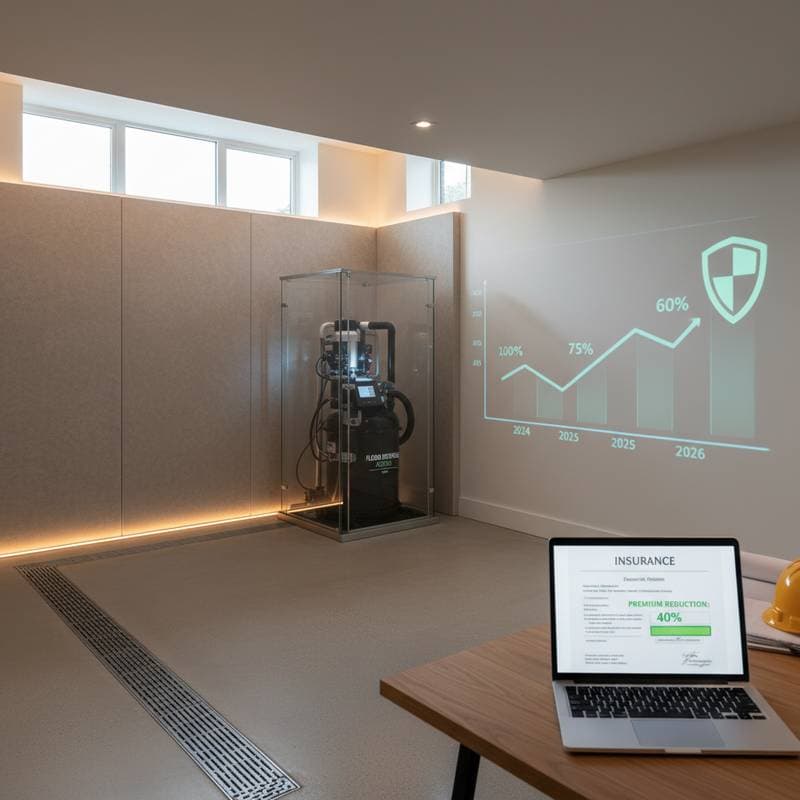
Certified waterproofing installations qualify homes for premium reductions of up to 40 percent under the program guidelines. Average project costs fall between $3,500 and $9,800, with $6,400 serving as the typical expenditure for compliant systems. Key influences on pricing include the state of the foundation, selected waterproofing techniques, and alignment with insurance criteria.
Detailed Cost Analysis
Core Pricing Framework
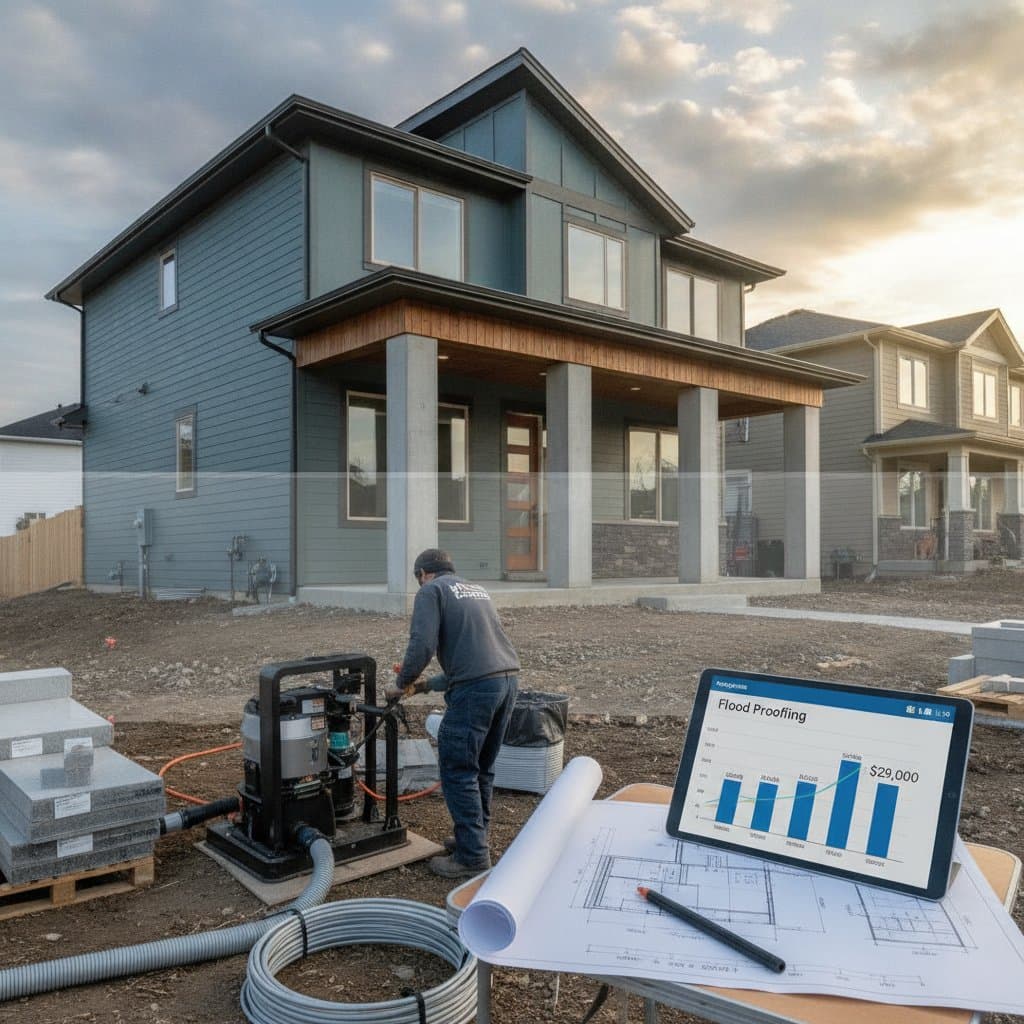
Waterproofing expenses operate on a per-square-foot basis, typically spanning $5 to $13. For a 500-square-foot basement, expect outlays from $2,500 to $6,500. Larger areas surpassing 1,000 square feet often exceed $10,000 for comprehensive setups. Contractors frequently impose a $1,200 minimum fee to account for initial assessments and basic sealing tasks.
The $6,400 national average encompasses mid-level configurations featuring sump pumps, wall sealants, and interior drainage channels. Variations by region reach 25 percent, with elevated rates in coastal zones or areas prone to heavy precipitation due to demanding regulations and labor shortages.
Impact of Size and Project Scale
Expanding the treated area by 100 square feet generally increases costs by $600 to $900. In floodplain locations, an 800-square-foot waterproofing effort might total $7,500, whereas low-risk zones could limit expenses to $5,800. Data from the Basement Health Association substantiates these figures, noting that scale enhances efficiency in material use and workforce application, thereby reducing per-square-foot rates for bigger projects.
Material Categories and Durability Levels
- Basic Systems: Sealants and interior coatings priced at $3 to $5 per square foot provide essential coverage with a lifespan of 5 to 7 years. Such selections satisfy fundamental insurance mandates yet deliver modest durability.
- Intermediate Systems: Combinations of products like Drylok Pro or Watertite with French drains cost $6 to $10 per square foot. These configurations balance efficacy and adherence to common insurer expectations.
- Advanced Systems: Exterior excavation paired with membrane shields and dual sump pumps commands $12 to $18 per square foot. Reputable brands such as Zoeller or Liberty Pumps extend warranties to 15 years, unlocking maximum discounts on flood policies.
Factors Influencing Complexity
Project accessibility significantly affects expenses; confined spaces or completed interiors extend labor by 15 to 25 percent. Pre-existing foundation fissures or obsolete drainage necessitate preliminary repairs. Municipal regulations may mandate professional inspections to validate coverage eligibility with insurers.
Available Service Configurations
Essential Waterproofing Configuration
This package incorporates interior wall sealing, sump pump placement, drain tile installation, and moisture barriers. Completion requires two to three days, with costs between $4,000 and $7,000. It addresses moderate water intrusion and fulfills entry-level compliance for flood insurance.
Enhanced Protection Configuration
Building on essentials, this option includes exterior digging, superior vapor shields, and power-failure backups for pumps. Prices range from $8,000 to $12,000, marking a 30 to 40 percent increase over basics. Recovery of the added cost occurs within five years via diminished premiums and prevented repair bills.
Supplementary Services
| Service Addition | Cost Range | Benefit |
|---|---|---|
| Backup Sump Pump | $600 - $1,200 | Maintains functionality during outages |
| Foundation Crack Sealing | $400 - $900 | Halts persistent water entry |
| Smart Monitoring Sensors | $250 - $600 | Delivers instant leak notifications |
| Dehumidifier Setup | $500 - $1,000 | Mitigates mold development |
Combining additions yields savings up to 15 percent, particularly during slower seasons when providers extend promotional pricing.
Comparing Professional Installation and Self-Performed Efforts
Self-Performed Cost Overview
Individuals tackling minor waterproofing invest $800 to $2,000 in supplies including sealants, repair kits, and entry-level sump pumps. Retailers stock consumer products from Behr and Drylok. Essential tools such as masonry drills and wet vacuums add $300 to $600 if acquired or leased.
Efforts demand 40 to 60 hours for novices, with risks of misalignment in drainage or improper sealing leading to failures and rejected claims. Such approaches suit superficial fixes but fall short of robust, certified protection.
Benefits of Expert Installation
Licensed professionals contribute specialized knowledge, advanced tools, and guarantees that extend system longevity to 20 years, surpassing DIY results by a wide margin. Insurers frequently insist on documented professional work for comprehensive basement policies. Initial premiums balance out after five years through minimal upkeep and sustained savings.
Strategies to Minimize Expenses
Schedule projects in late summer or early fall to capture 10 to 20 percent reductions amid reduced contractor demand. Obtaining quotes from at least three specialists fosters competitive bidding. Flexible payment terms often yield 5 percent concessions, while owner-prepared tasks like decluttering or wall exposure trim labor by $300 to $500.
Securing Long-Term Coverage Benefits
Implementing waterproofing aligns homes with 2026 mandates, averting premium hikes and coverage gaps. Select systems that match your property's risk profile and budget constraints for optimal returns. Consult local experts promptly to evaluate options and initiate upgrades, ensuring financial resilience against rising flood threats.