Building Climate-Resilient Yards: Costs and Strategies for 2026
Transforming a yard into a climate-resilient space demands thoughtful planning that integrates environmental benefits with practical budgeting. Homeowners increasingly view these projects as strategic investments that enhance property resilience and value. This guide outlines projected 2026 costs, key design elements, and essential steps to achieve a sustainable landscape.
What Defines a Climate-Resilient Yard
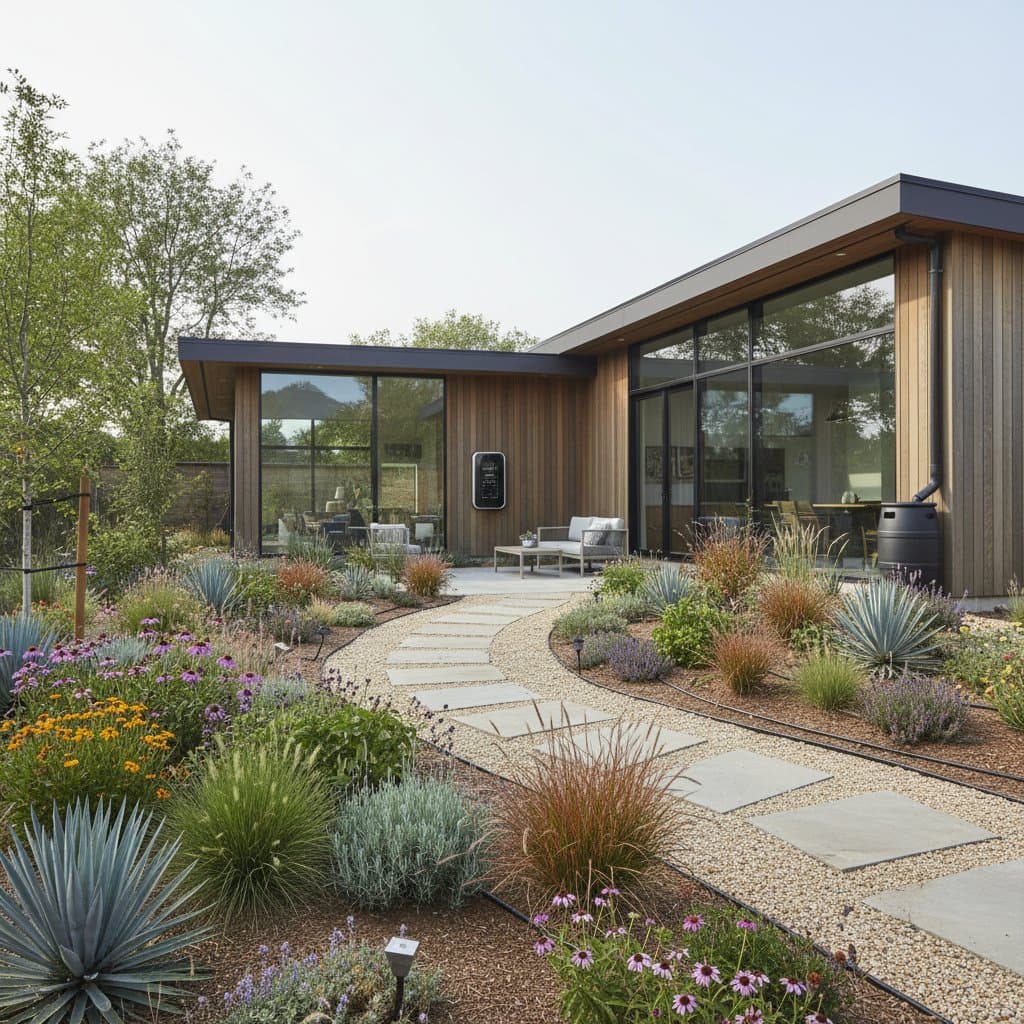
A climate-resilient yard withstands extreme weather such as prolonged droughts, intense heat, and erratic rainfall while requiring fewer resources. Designers focus on elements like drought-tolerant plants, permeable surfaces, and efficient water management to preserve aesthetics and usability. Central components include xeriscaping techniques, which minimize turf and emphasize mulch and ground covers, alongside native species that thrive in local conditions.
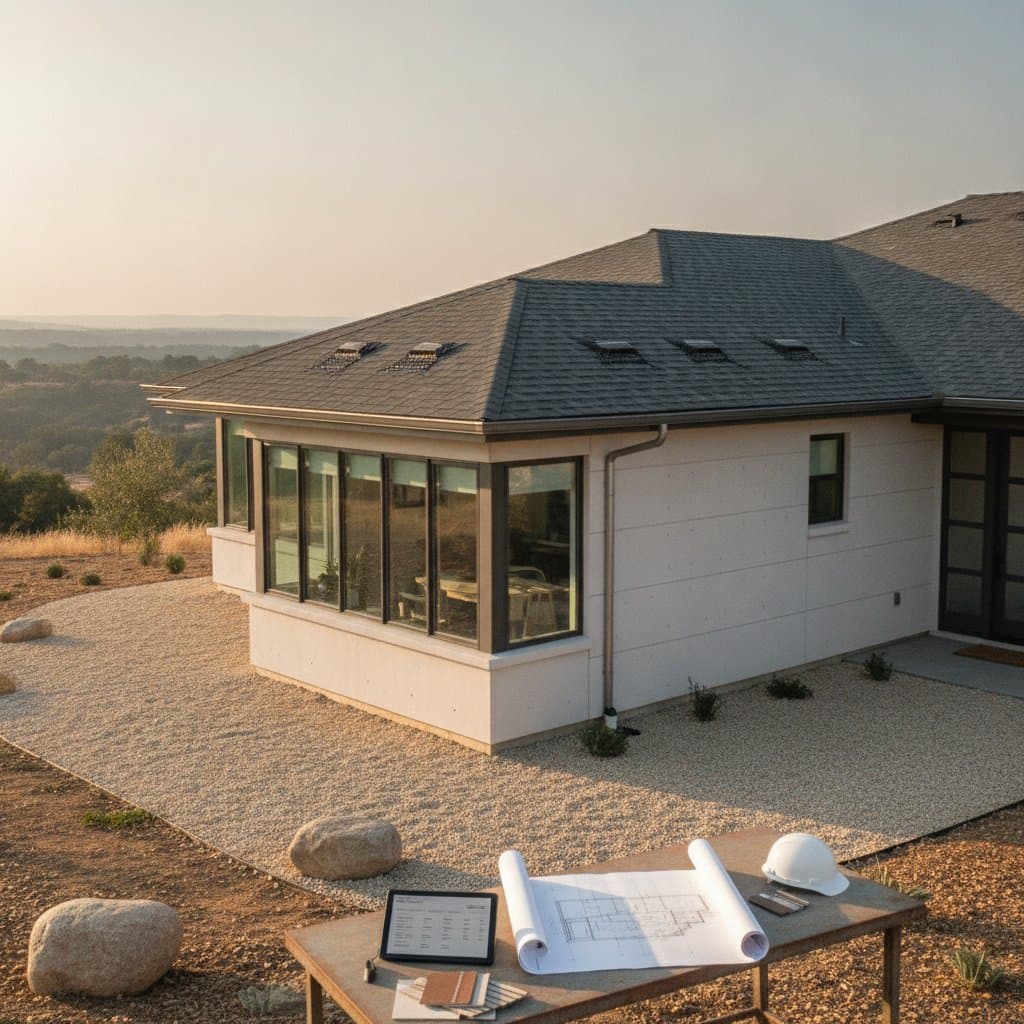
Begin the process with a comprehensive site assessment. Professionals examine soil type, drainage patterns, sun exposure, and current vegetation to tailor recommendations. This evaluation informs selections for plants and systems that align with regional climate challenges, ensuring the yard adapts effectively over time.
Breaking Down 2026 Cost Structures
Budgeting for a resilient yard involves categorizing expenses across installation, materials, and ongoing care. Regional factors like labor rates and material availability influence totals, but national averages provide a solid starting point. For a typical 1,000-square-foot yard, expect overall costs between $12,000 and $28,000, scaled by project scope and site specifics.
The table below details common upgrade categories with estimated ranges for 2026, adjusted for anticipated inflation in labor and eco-materials.
| Upgrade Category | Estimated Range | Key Cost Factors | Maintenance Outlook | Common Add-ons |
|---|---|---|---|---|
| Xeriscaping Installation | $7 to $14 per sq. ft. | Soil amendment, plant sourcing, skilled labor | Minimal irrigation; occasional weeding | Pathway integration, boulders |
| Drip Irrigation System | $2 to $4 per sq. ft. | Tubing length, valve zones, timer integration | Quarterly checks; filter replacements | Weather-based sensors |
| Rainwater Harvesting | $1,200 to $6,000 total | Barrel or cistern size, pump setup, gutter modifications | Bi-annual cleaning; overflow management | Greywater diversion |
| Native Plant Integration | $4 to $9 per sq. ft. | Seedling costs, planting density, root zone prep | Annual pruning; natural pest resistance | Wildlife-friendly features |
These figures account for rising demand for sustainable materials. Homeowners can mitigate expenses through phased implementations, starting with high-impact areas like sunny exposures or sloped terrain.
A Step-by-Step Guide to Implementation
Approach yard upgrades methodically to avoid costly revisions. Follow this sequence to align design with budget constraints.
-
Conduct Site Analysis: Hire a landscape architect for a full audit, including soil testing and water usage review. This step identifies priorities, such as replacing water-hungry lawns with adaptive alternatives.
-
Develop Custom Design: Collaborate on blueprints that specify plant varieties, irrigation layouts, and hardscape elements. Incorporate simulations to visualize water flow and shade patterns.
-
Secure Bids and Approvals: Obtain multiple quotes from licensed contractors, verifying inclusions for permits and warranties. Adjust the scope if needed to fit financial limits.
-
Execute the Build: Schedule work during optimal seasons, like early spring, for best plant establishment. Monitor progress to ensure adherence to the plan, addressing any on-site adjustments promptly.
-
Assess and Optimize: Perform a post-installation walkthrough to test systems and confirm plant health. Establish a maintenance calendar to sustain performance from the outset.
This framework promotes efficiency and reduces surprises, allowing homeowners to track progress against the budget.
Navigating Hidden Expenses and Challenges
Beyond visible costs, resilient projects often reveal unforeseen elements. Soil testing might uncover the need for amendments like organic matter to improve retention, adding $500 to $1,500. Erosion barriers during installation prevent runoff issues but increase labor by 10 to 20 percent.
Warranties present another layer: most cover plants for one year against defects, yet exclude neglect or extreme events. Irrigation components typically carry two- to five-year protections, but smart tech requires professional calibration to maintain validity.
Ongoing care, though reduced, includes tasks like inspecting drip lines for clogs or replenishing mulch layers annually. Budget 5 to 10 percent of initial costs yearly for these essentials to preserve the yard's resilience.
Long-Term Financial and Environmental Returns
View resilient upgrades as assets that yield savings over time. Water-efficient designs can cut utility bills by 40 to 60 percent in arid regions, with payback periods of three to seven years. Lower mowing and fertilizing demands further decrease expenses, while enhanced biodiversity boosts ecological value.
Local incentives, such as utility rebates for low-flow systems or tax credits for native plantings, accelerate returns. Track metrics like water usage pre- and post-project to quantify benefits and support future enhancements.
Securing Lasting Yard Performance
To safeguard investments, demand comprehensive contracts outlining timelines, material grades, and contingency plans. Verify contractor credentials through state boards and review insurance for property protection. Maintain detailed records of installations, including as-built diagrams, for reference during resale or expansions.
Ultimately, climate-resilient yards deliver enduring advantages by conserving resources and elevating home appeal. Through informed planning and diligent oversight, homeowners build landscapes that endure environmental shifts while optimizing costs and enjoyment.