Understanding the 2026 Flood Code Updates
Building codes evolve to address emerging environmental challenges, and the 2026 revisions focus intently on flood resilience. These updates respond to the increasing frequency and severity of flooding events driven by climate patterns. Communities in flood-prone regions stand to gain substantial protection through these standardized measures.
The core objective of these codes is to minimize structural vulnerabilities during water inundation. By integrating advanced engineering principles, the regulations ensure that new constructions and renovations withstand prolonged exposure to floodwaters. This proactive approach shifts the emphasis from reactive recovery to preventive design.
Key Requirements in the New Codes
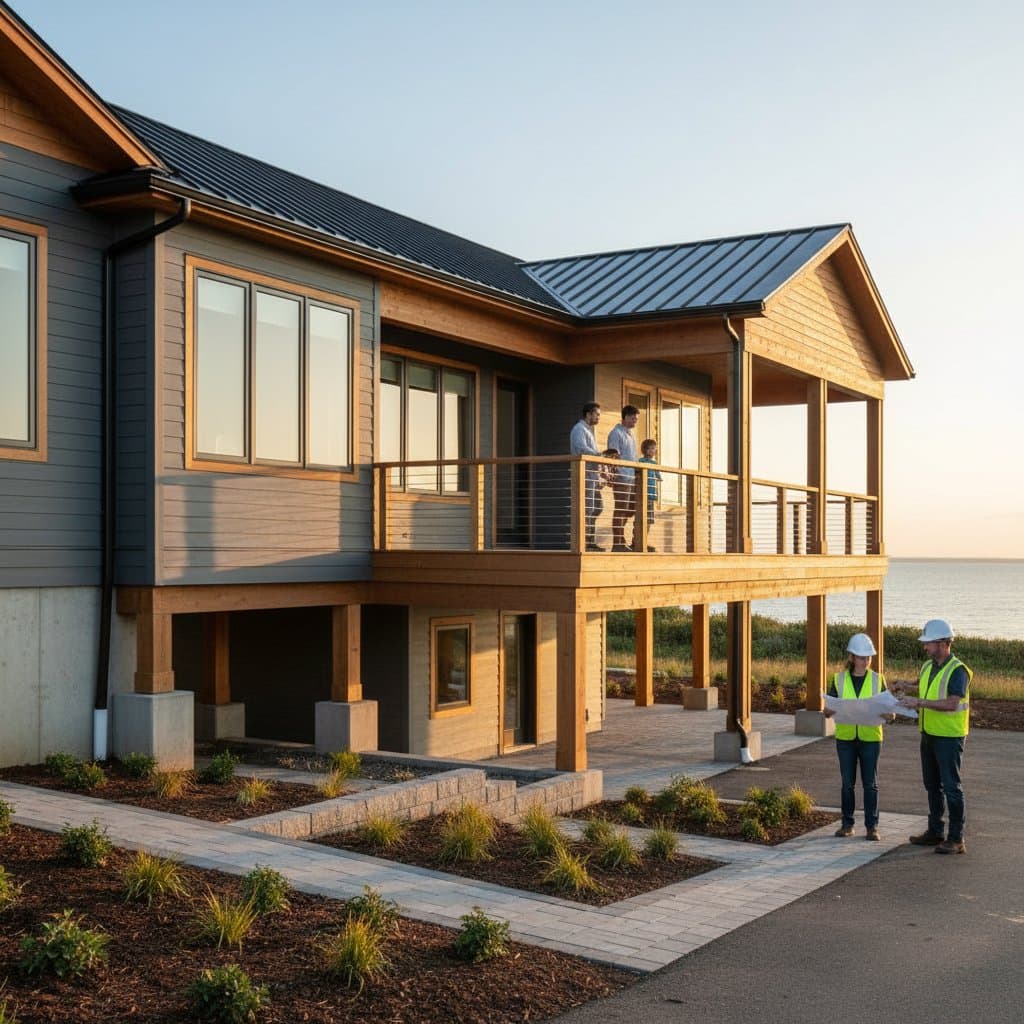
One primary mandate involves elevating foundations to a minimum height above the base flood elevation. This adjustment prevents water from infiltrating living spaces and compromising structural integrity. Builders must calculate precise elevations based on local flood maps and historical data.
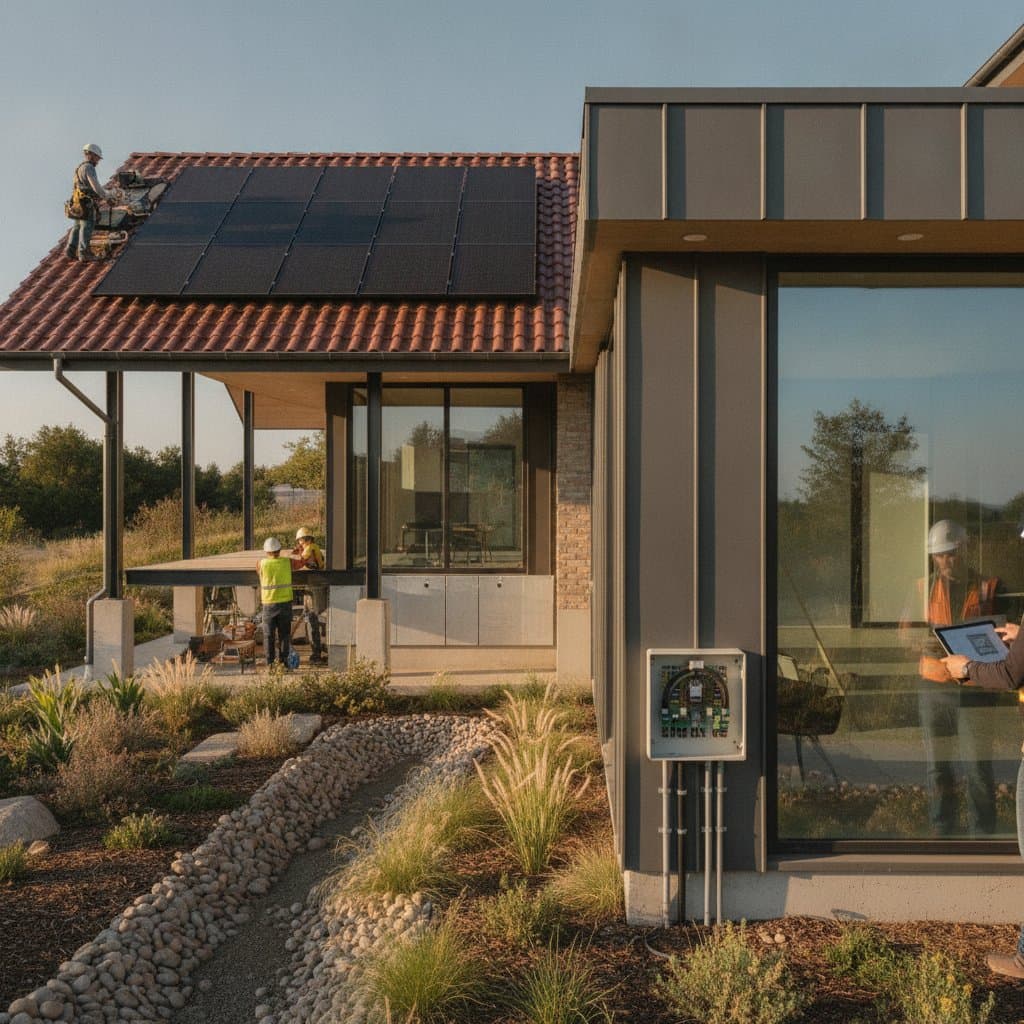
Improved drainage systems represent another critical component. These systems include perimeter drains, sump pumps, and graded landscapes that direct water away from buildings efficiently. Such features reduce pooling around foundations and mitigate soil erosion during heavy rains.
The codes also specify the use of water-resistant materials throughout construction. Flood vents in enclosed areas allow water to flow through rather than exert pressure on walls. Additionally, sealants and barriers protect against moisture penetration in walls, floors, and roofs.
Impact on Construction Practices
Builders face the task of incorporating these elements into project plans from the outset. Retrofitting existing structures may require permits and professional assessments to align with the new standards. Training programs for contractors emphasize compliance techniques and innovative solutions.
Inspectors play a vital role in enforcement by verifying adherence during various construction phases. Routine checks ensure that materials meet durability specifications and installations follow approved designs. This oversight prevents shortcuts that could undermine long-term safety.
Cost analyses reveal that while upfront investments rise by approximately 5 to 10 percent, the return on investment materializes through avoided damages. For instance, a standard single-family home in a moderate-risk zone might incur an extra $15,000 in compliant features, yet save over $50,000 in potential flood repairs.
Benefits for Homeowners and Insurers
Homeowners benefit from reduced vulnerability, which translates to lower insurance premiums over time. Insurers often offer discounts for properties meeting or exceeding code requirements, recognizing the diminished claim likelihood. This alignment incentivizes widespread adoption of resilient practices.
In high-risk zones, these codes can decrease overall community recovery times after flood events. Safer homes mean fewer displacements and faster return to normalcy for residents. Economic models project annual savings in the billions across affected regions due to curtailed disaster expenditures.
Insurance risk profiles improve as data from compliant buildings demonstrate lower loss ratios. Underwriters adjust policies accordingly, making coverage more accessible and affordable. This cycle encourages investment in flood-prone areas without excessive financial exposure.
Steps to Prepare for Compliance
Property owners should start by reviewing local flood zone designations through municipal resources. Understanding the specific elevation and material requirements aids in planning renovations or new builds. Consulting certified engineers provides tailored advice for unique site conditions.
- Assess current property features against upcoming standards.
- Obtain updated flood insurance quotes to gauge potential savings.
- Engage builders experienced in flood-resistant construction.
- Schedule inspections to identify necessary upgrades.
- Budget for initial costs while factoring in long-term gains.
Builders and developers must update their workflows to integrate code-compliant designs. Software tools for modeling flood scenarios assist in optimizing layouts. Collaboration with architects ensures seamless incorporation of resilience elements.
Safeguarding Communities Through Proactive Measures
Implementing the 2026 codes fosters a culture of preparedness that extends beyond individual properties. Neighborhood-wide adherence creates buffers against widespread flooding impacts. Educational campaigns raise awareness, empowering residents to advocate for enforcement.
Long-term, these regulations contribute to sustainable urban planning. By prioritizing resilience, communities build capacity to adapt to changing weather patterns. The resulting stability supports economic growth and enhances quality of life in vulnerable areas.
Homeowners who act early position themselves advantageously in an era of intensifying storms. The investment in compliance yields peace of mind alongside tangible financial protections. Communities united in these efforts emerge stronger against nature's challenges.