- Difficulty: Moderate to high, depending on home structure and window size
Installation Steps
-
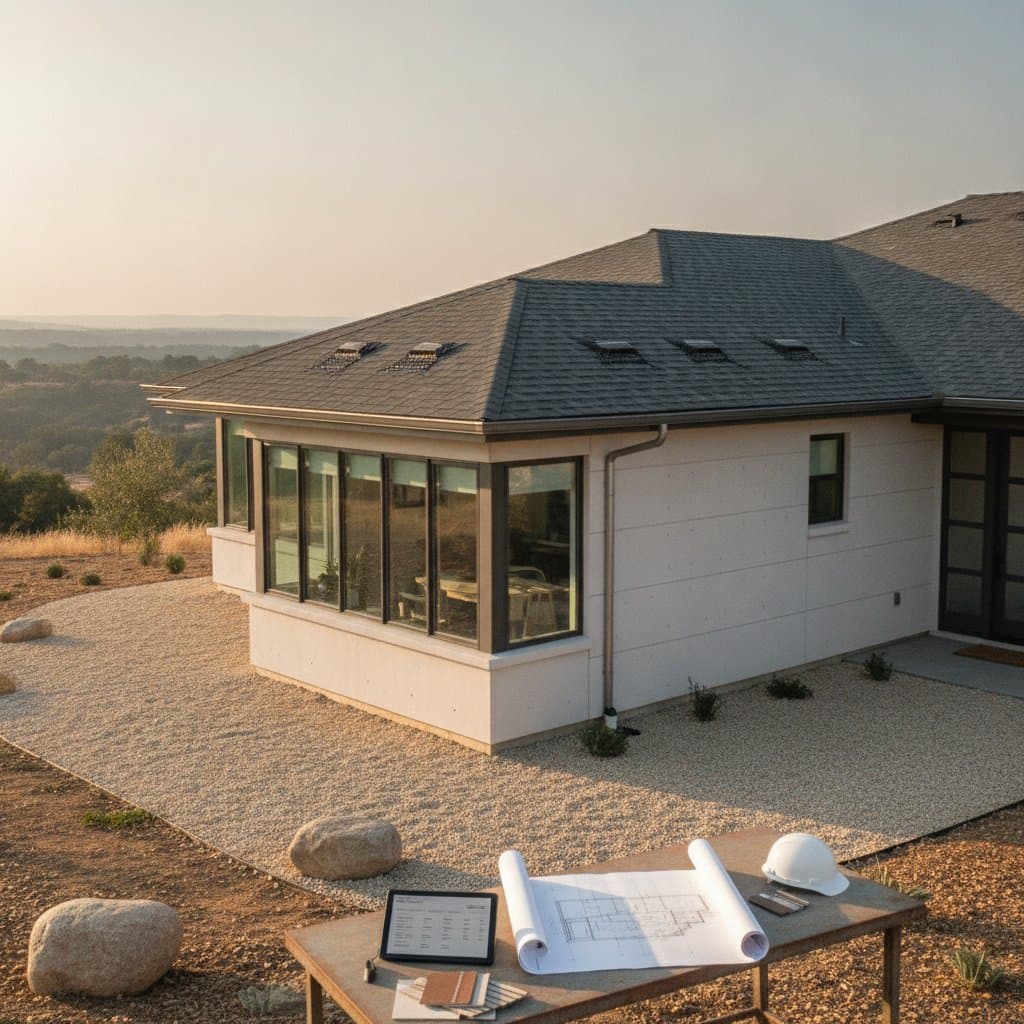
Examine existing window openings. Identify any rot, unstable framing, or signs of moisture intrusion. Document necessary repairs prior to purchasing new windows to avoid delays.
-
Take precise measurements. Record height and width at the top, middle, and bottom of each opening. Select the smallest measurement to guarantee a proper fit and prevent gaps.
-
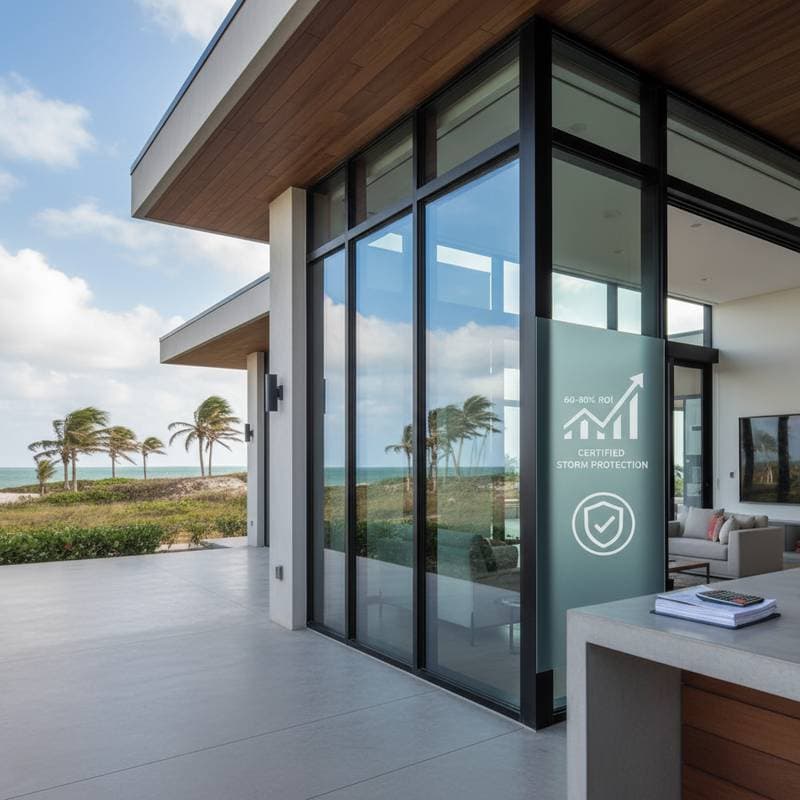
Select the appropriate impact rating. Align the window's resistance level with your area's building code wind zone specifications, such as those outlined by local authorities or FEMA guidelines.
-
Purchase certified windows. Prioritize products bearing approvals from organizations like ASTM International or the Miami-Dade County testing program, which validate performance under extreme conditions.
-
Prepare the window opening. Carefully remove the old window unit, scrape away residual caulk or debris, and confirm the opening remains square and plumb.
-
Position the new frame. Insert the frame using shims for level adjustment, then secure it with code-approved anchors fastened directly to structural elements.
-
Apply perimeter sealing. Use a durable, weather-resistant sealant to fill all edges, creating a barrier against water and air infiltration.
-
Verify the installation. Test the sash for smooth operation and inspect seals for airtight integrity to ensure full functionality.
-
Complete finishing touches. Apply paint to any exposed trim as needed, and dispose of all debris in a safe manner.
Engaging a professional accelerates the process for multiple windows and guarantees adherence to inspection protocols, which proves crucial for insurance qualifications and long-term reliability.
DIY Installation Versus Professional Services
Tasks Suitable for DIY Efforts
Homeowners with basic skills can handle measuring openings and removing interior trim without issue. Sealing small gaps or applying caulk falls within reach for those comfortable with home maintenance. Post-installation leak checks provide an opportunity to address minor adjustments independently.
Situations Requiring Professional Expertise
Opt for a licensed contractor if the window opening exhibits frame damage or involves load-bearing components. Custom sizing or irregular shapes often demand reframing, best left to specialists. Local regulations may mandate permits and inspections, which professionals navigate efficiently.
Key Differences in Professional Installation
Certified installers confirm the windows meet specific wind resistance standards and anchor frames securely to wall studs. They adhere to rigorous compliance checks, preserving manufacturer warranties and unlocking eligibility for substantial insurance reductions. This expertise minimizes risks and ensures the upgrade delivers intended benefits.
Ongoing Maintenance for Longevity
Regular upkeep preserves the integrity of hurricane windows, extending their service life and sustaining insurance discount qualifications. Perform inspections annually and immediately following significant weather events to address potential issues promptly.
Essential Maintenance Tasks
- Examine seals for cracks, gaps, or deterioration that could compromise weatherproofing.
- Clean tracks and weep holes thoroughly to avoid water accumulation and mold growth.
- Apply silicone-based lubricant to locks and hinges for effortless operation.
- Tighten all fasteners to maintain structural stability against future storms.
Benefits of Consistent Care
Diligent maintenance keeps windows watertight and storm-ready, potentially adding years to their durability. This practice not only upholds safety standards but also supports ongoing financial advantages, such as stable insurance rates and preserved home value.
Alternative Protection Options
For those seeking less invasive or more budget-friendly solutions, consider these alternatives, each with distinct trade-offs compared to full hurricane window replacement.
Storm Shutters
These provide reliable temporary barriers for vacation properties or infrequent use. Installation costs less upfront, though manual deployment before storms requires advance planning and storage space.
Impact-Resistant Window Film
Applying film to existing glass offers basic shatter resistance without major renovations. However, it falls short of meeting strict building codes in high-wind zones and provides limited long-term protection.
Plywood Boarding
As an economical emergency measure, plywood covers openings quickly during approaching storms. The approach involves drawbacks like substantial weight, labor-intensive setup, and lack of reusability over multiple seasons.
Frequently Asked Questions
Do hurricane windows differ in appearance from standard windows?
Hurricane windows maintain a similar aesthetic to regular ones, featuring slightly thicker frames and an inner laminated glass layer for added strength.
Is it possible to install hurricane windows on select sides of the home only?
Partial installation works for targeted protection, but most insurance discounts apply only when all exterior openings receive impact-rated upgrades.
Do these windows filter ultraviolet rays?
Yes, the laminated glass in most hurricane windows blocks up to 99 percent of harmful UV radiation, benefiting interior furnishings and occupant health.
Securing Your Investment: Next Steps for Homeowners
Hurricane windows deliver comprehensive storm defense, meaningful insurance savings, and enhanced property appeal. Success hinges on selecting certified, code-compliant products and partnering with qualified installers. Contact a licensed window specialist today for a detailed quote, including verification of insurance documentation and comprehensive warranty details to realize these advantages fully.