Designing Multigenerational Homes for Privacy and Connection
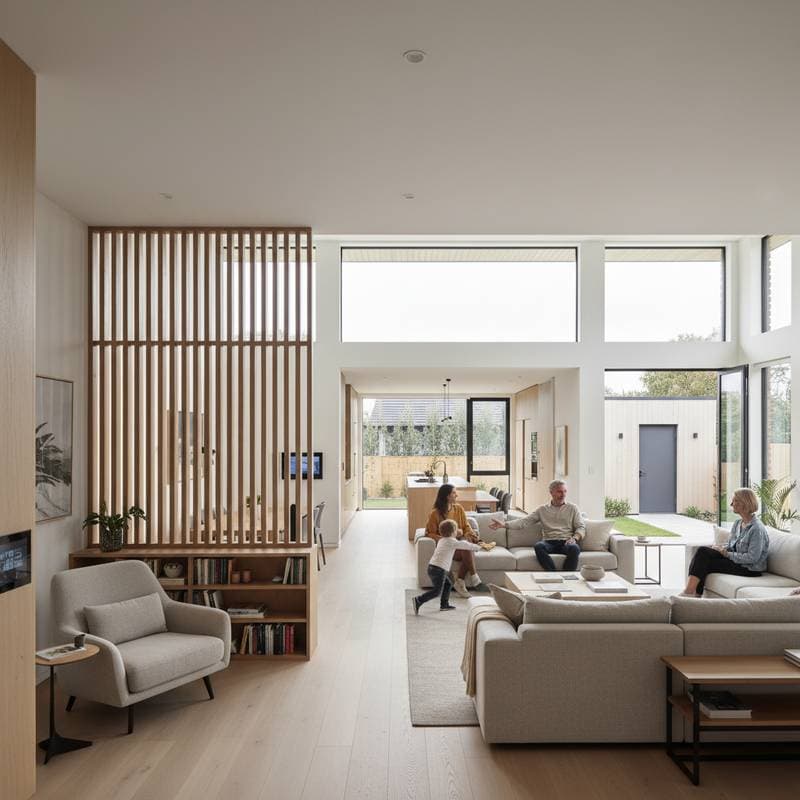
Multigenerational homes demand thoughtful planning to accommodate diverse needs under one roof. These spaces must integrate private retreats with communal areas, emphasizing safety and accessibility. Effective designs promote independence while encouraging family bonds, yielding environments that adapt to evolving circumstances.
Homeowners benefit from consulting professionals early to align architectural choices with long-term goals. Such homes often incorporate features like separate entrances and modular layouts. These elements ensure flexibility for aging in place or welcoming new family members.
Defining Multigenerational Living Arrangements
Multigenerational homes house at least two adult generations, such as parents and grown children or grandparents and grandchildren. Configurations vary from fully integrated floors to distinct suites connected by shared kitchens or patios. The core objective remains clear: provide personal autonomy alongside opportunities for interaction.
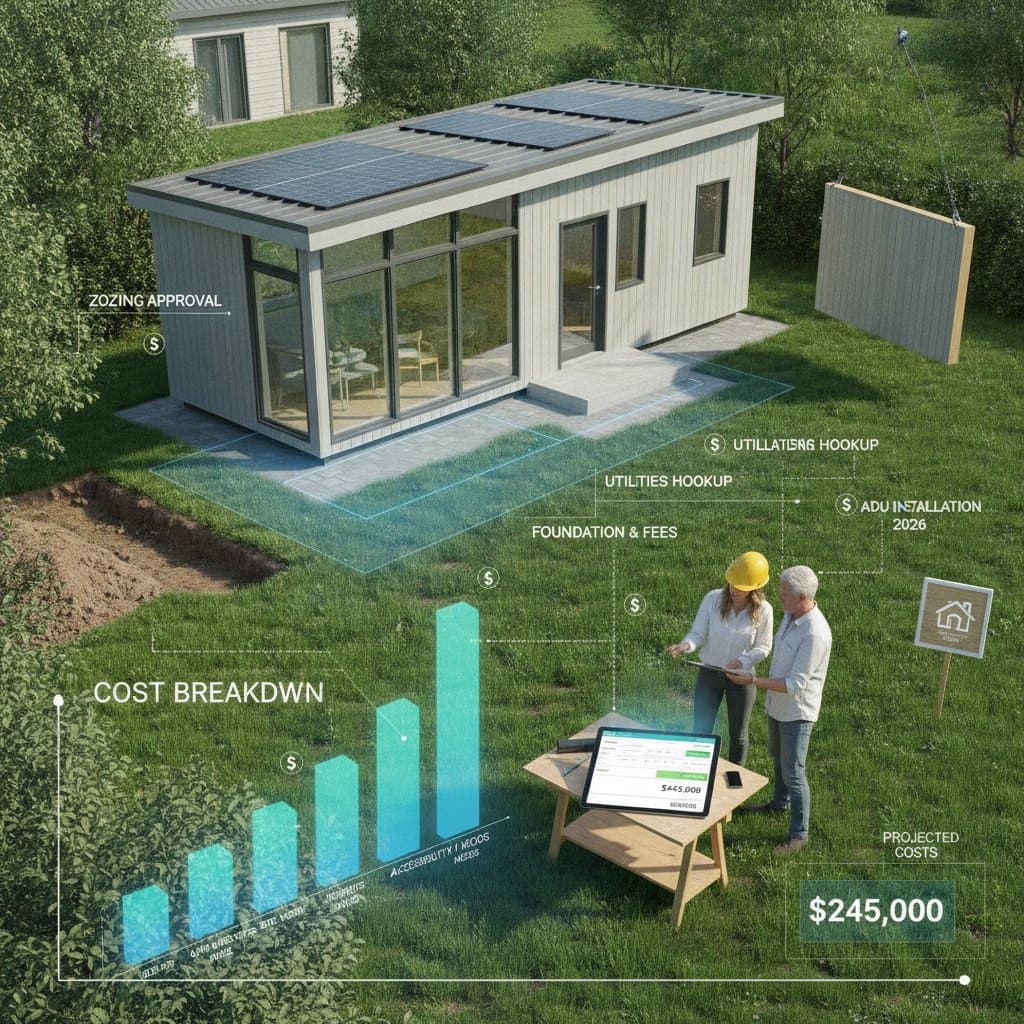
Architects frequently recommend accessory dwelling units, known as ADUs, for added separation. These units feature private bathrooms, mini-kitchens, and soundproof walls. By zoning private and public areas strategically, families minimize conflicts and enhance daily comfort.
Assessing Financial Implications
Building or renovating for multiple generations involves significant investment. Initial costs cover structural changes, while ongoing expenses include utilities and upkeep. Homeowners gain value through reduced separate housing needs and shared responsibilities.
Key financial components encompass:
- Construction basics like framing and wiring, ranging from $150 to $300 per square foot.
- Accessibility additions, such as grab bars or ramp installations, adding $5,000 to $15,000.
- Utility enhancements, including expanded HVAC systems, up to $10,000.
- Long-term factors like higher insurance premiums or tax assessments.
Compared to independent residences, these homes lower cumulative costs by 20 to 30 percent annually. Families should project five- to ten-year expenses to gauge viability.
Structured Planning Steps
Systematic planning prevents oversights and delays. Professionals guide each stage to match family dynamics with practical outcomes.
-
Initial Assessment
Gather family input on needs, such as mobility aids or hobby spaces. Architects sketch preliminary concepts based on household size and preferences. -
Detailed Design Phase
Develop floor plans that optimize natural light and traffic flow. Incorporate energy-saving measures like insulated windows to cut utility bills. -
Compliance Check
Review local regulations for ADU allowances and building permits. Address variances for unique site conditions early. -
Securing Resources
Obtain loans or allocate funds with contingency reserves of 10 to 15 percent. Document all agreements to track progress. -
Execution and Oversight
Build in phases, with bi-weekly site visits to monitor quality. Conduct interim inspections for code adherence. -
Completion and Transition
Finalize walkthroughs to confirm functionality. Update policies for insurance and warranties.
Navigating Zoning and Regulatory Hurdles
Zoning rules shape feasibility in every locale. Many areas limit ADU size to 800 square feet or require 10-foot setbacks from property lines.
Essential verifications include:
- Maximum lot coverage, often capped at 40 percent.
- Height limits, typically 35 feet for additions.
- Easement restrictions on utilities or drainage.
- Occupancy caps, allowing up to six unrelated residents in some zones.
Scrutinize permit fine print for rental permissions or future alterations. Non-compliance risks fines or forced modifications, so engage planners familiar with regional nuances.
Breaking Down Ownership Costs
Total expenses span construction, operations, and maintenance. Families divide burdens equitably through formal pacts.
Typical allocations feature:
- Core build-out at $200 per square foot for standard finishes.
- System upgrades for separate metering, around $8,000.
- Adaptive elements like stairless entries, $7,000 on average.
- Yearly upkeep at 1.5 percent of home value.
Regional variations apply, with urban areas commanding higher rates. Annual reviews of shared ledgers maintain transparency and prevent disputes.
Selecting Reliable Professionals
Qualified teams deliver durable results aligned with family visions. Prioritize firms with portfolios in similar projects.
Evaluation criteria consist of:
- Proven expertise in age-friendly designs, including non-slip flooring.
- Familiarity with ADU-specific codes and incentives.
- Clear invoicing with phased payments.
- Comprehensive warranties spanning five to ten years.
Solicit three bids and check references for timelines and satisfaction. Steer clear of rushed proposals lacking detail.
Addressing Potential Challenges
Multigenerational setups encounter issues like sound leakage or space disputes. Proactive designs incorporate buffers to sustain peace.
Preventive measures involve:
- Acoustic panels and sealed walls for noise reduction.
- Independent climate controls per zone.
- Dedicated access points for autonomy.
- Organized communal storage to avoid overload.
Update insurance to cover multi-unit risks, disclosing all changes promptly. Regular audits ensure air quality and structural integrity.
Fostering Sustainable Shared Routines
Post-construction success hinges on collaborative habits. Defined protocols build trust and efficiency.
Implement practices such as:
- Written guidelines for noise levels and chore rotations.
- Scheduled upkeep duties, like quarterly filter changes.
- Monthly discussions to resolve concerns.
- Digital trackers for bill splitting.
These steps cultivate respect and adaptability, turning the home into a supportive hub.
Enhancing Property Adaptability
Strategic features future-proof the home for rentals or expansions. Modular walls and universal designs facilitate shifts without disruption.
Sustain value by:
- Archiving permits and upgrade logs.
- Performing seasonal maintenance checks.
- Retaining accessible fixtures for resale appeal.
- Adjusting coverage for evolving risks.
Thoughtful oversight positions the property as a versatile asset across generations.
Securing Family and Financial Stability
Multigenerational homes thrive on intentional choices that respect individual and collective needs. Rigorous planning, open dialogue, and documented strategies form the bedrock of enduring setups. Families who invest in these principles enjoy strengthened ties and resilient finances.