The Full Picture of 2026 Costs for Multigenerational Home Additions
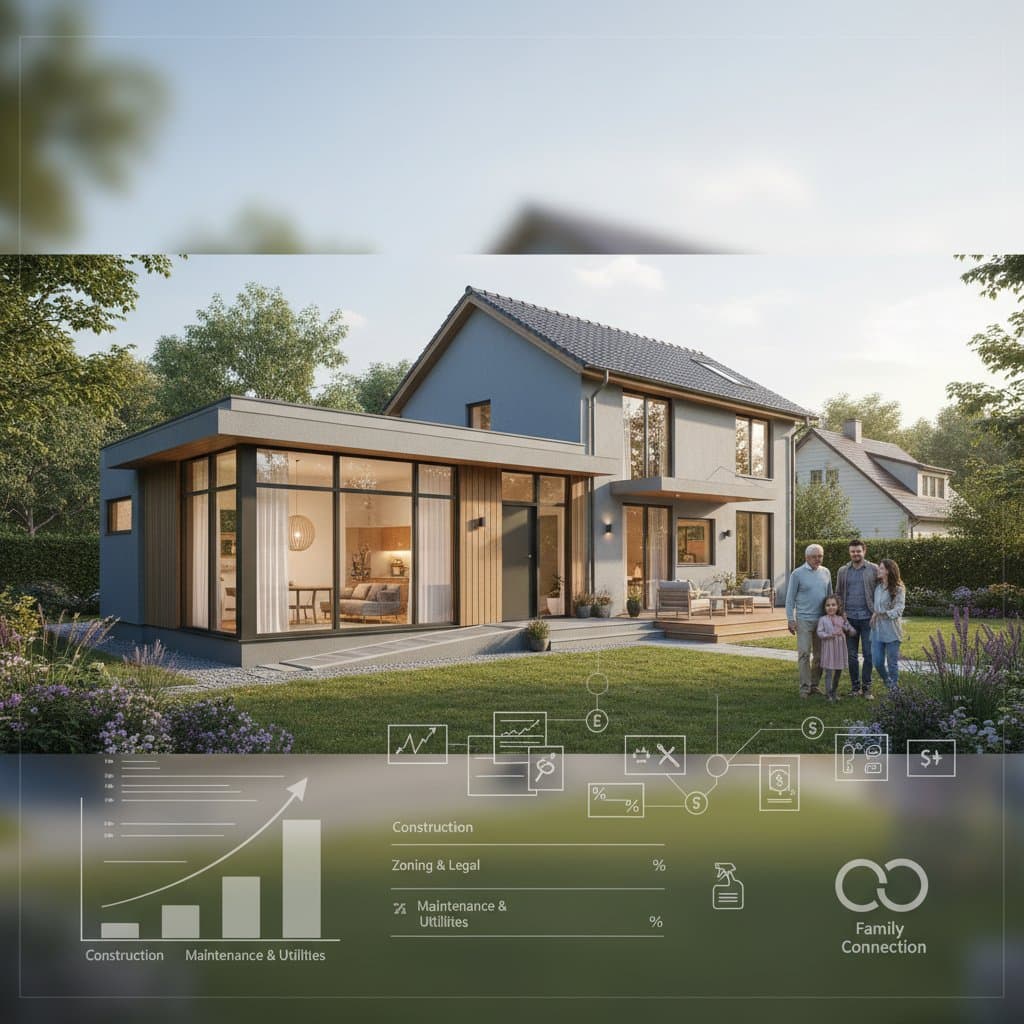
Homeowners pursuing multigenerational living often view additions as pathways to stronger family ties. These projects, which may include in-law suites or accessory dwelling units, alter a property's layout, operations, and financial trajectory. To decide wisely, examine total ownership costs, regulatory factors, and enduring commitments that shape the investment's worth.
What Constitutes a Multigenerational Addition
Multigenerational additions vary widely, from repurposed basements to standalone wings featuring private kitchens, bathrooms, and entrances. Accessory dwelling units emphasize independence with dedicated utilities, while internal expansions integrate more closely with the main home. Local zoning ordinances, utility availability, and building standards dictate feasible options. Certain areas mandate extra parking or prohibit short-term rentals.
Homeowners must verify property eligibility early. Scope typically encompasses structural framing, plumbing extensions, electrical enhancements, HVAC modifications, and interior finishes. These elements demand specific permits and inspections. Projects beyond basic updates require architect-stamped blueprints and engineer-verified structural analyses, introducing added expenses and steps.
Breaking Down the Cost Components
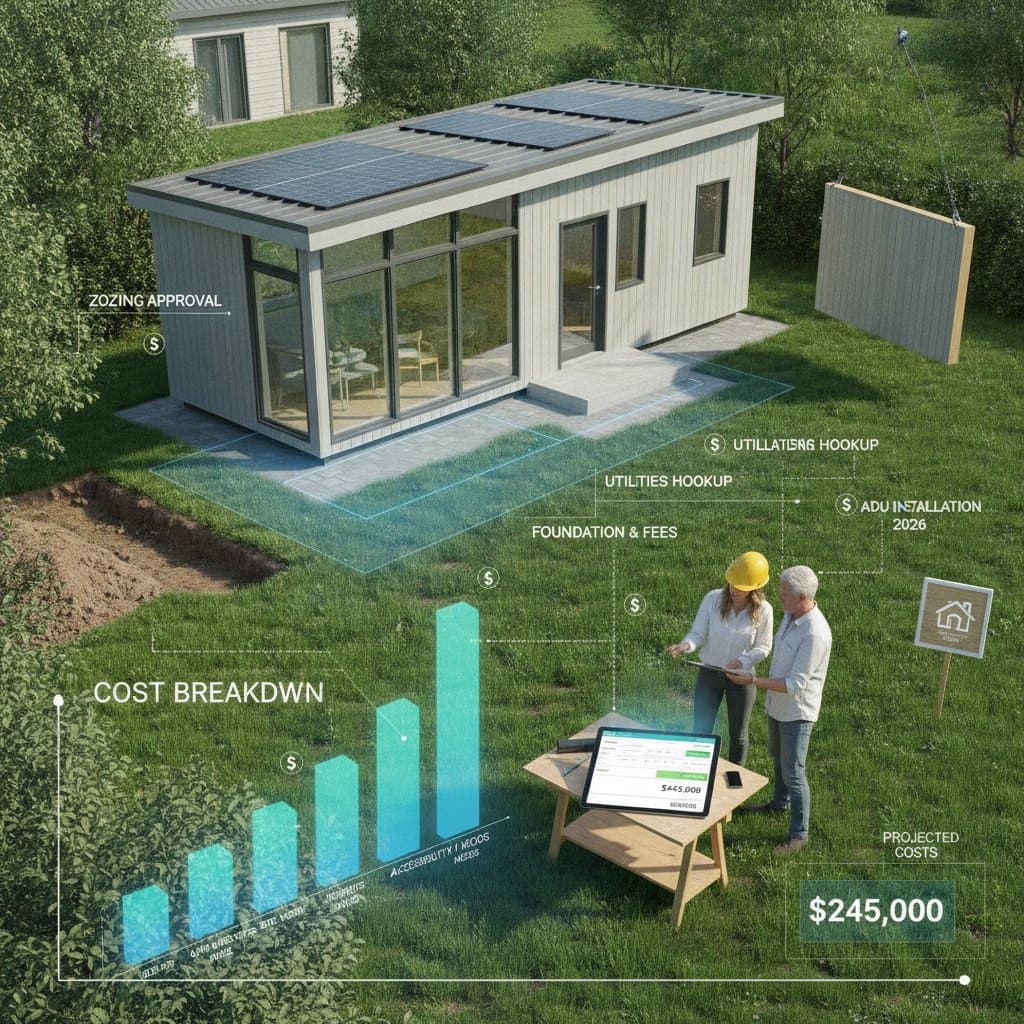
Construction estimates, often $150 to $400 per square foot based on materials and design intricacy, represent only the starting point. Overlooked soft costs, such as planning fees, approvals, and infrastructure fees, inflate the total. Consider these five key areas for a thorough budget:
- Core construction: Encompasses framing, roofing, insulation, drywall, flooring, and surface treatments.
- Expert consultations: Covers architectural drafting, engineering assessments, and oversight coordination.
- Regulatory approvals: Includes application charges, zoning evaluations, and compliance checks.
- Infrastructure integrations: Involves power system upgrades, water and waste connections, or independent metering.
- Reserve fund: Allocates 10 to 20 percent for surprises like site issues or material escalations.
Integrate direct and indirect expenses for accuracy. For instance, $250 per square foot in building costs might pair with $40 per square foot in fees and permits, pushing the overall outlay higher than anticipated.
Navigating the Project Timeline
The journey begins with a feasibility discussion between the homeowner and a designer or contractor. Next, evaluate site specifics, including zoning buffers and load-bearing constraints. Submit detailed plans to authorities, incorporating feedback until approvals arrive.
Construction advances in phases: foundation laying, framework erection, systems installation, and final detailing. Conclude with inspections, occupancy certification, and warranty records. Each stage presents choices impacting budget and responsibility. Permit delays, for example, may incur dual housing expenses; document timelines in agreements to avoid builder surcharges for extensions or storage.
Warranty Gaps and Agreement Risks
Builder assurances seem comprehensive, yet they focus on major structural flaws over extended periods while sidelining finish quality, outdoor elements, or equipment failures. Agreements might enforce arbitration, curbing court options, or impose tight deadlines for flaw reports.
Existing home issues, such as settling foundations or dampness, complicate coverage for attached new work. Seek explicit exclusions in writing and inquire about supplemental insurance from third parties. Review every clause to identify potential liabilities before commitment.
Long-Term Financial Considerations
Ownership expenses persist after the build. Expect elevated property taxes from expanded area, surged utility demands, and upkeep for extra space. Insurers may adjust rates due to larger coverage or additional residents. Kitchens or leasable features could trigger dwelling reclassification, affecting assessments and bills.
Weigh financing options carefully. Home equity loans provide fixed rates but pledge the asset; construction financing disburses incrementally with rigorous records. Cash-out refinances extend loan durations. Assess each for interest buildup and repayment adaptability to match household cash flow.
Assessing Investment Worth
Gauge value by pitting total expenditure against appraisal uplift. Experts typically assign partial credit for additions that outpace local standards. Conduct break-even calculations to project equity recovery time.
Use this evaluation guide:
- Confirm zoning adherence and boundary allowances
- Verify contractor credentials and coverage
- Establish clear payment milestones with holdbacks
- Detail project specifications and modification protocols
- Outline assurance scopes and conflict mechanisms
Addressing these elements pre-contract minimizes financial surprises.
Safeguarding Value with Routine Management
Post-project, integrate the addition into regular home care. Inspect seals, roof integrations, and air systems periodically to avert issues that void protections. Log all upkeep and store invoices, as evidence often underpins claim validity.
Select service providers offering detailed quotes separating labor from supplies. Steer clear of vague flat-rate deals. Such records aid in monitoring expenses for deductions or coverage needs.
Securing Family and Financial Gains
Thoughtful multigenerational expansions enhance relational dynamics and asset appreciation when approached with fiscal prudence and regulatory insight. Scrutinize agreements, cross-check estimates independently, and maintain vigilant supervision to sidestep overcharges and inadequate safeguards.