Remote Work Surge: 2026 Home Office Conversion Costs
Quick Summary
Average cost: $4,000 to $20,000
Typical timeline: 1 to 6 weeks
Difficulty: Moderate
Key risks: Electrical load, ventilation, and lighting issues
Remote work has evolved into a permanent fixture for many professionals. Homeowners increasingly convert spare rooms, garages, and attics into dedicated workspaces that enhance productivity and daily comfort. Such transformations also elevate a property's resale value. Costs vary significantly based on room size, required utilities, and selected finishes.
Key Decisions and Factors
Assess your intended use of the space before proceeding. Identify essential features to guide your choices effectively.
- Space type: Options include spare bedrooms, garages, basements, attics, or sheds.
- Electrical needs: Plan for additional outlets, task lighting, and data cabling.
- Sound control: Incorporate wall insulation or install acoustic panels to minimize distractions.
- Climate control: Ensure proper heating, cooling, and ventilation systems.
- Ergonomics: Select adjustable desk heights, supportive chairs, and optimal monitor positions.
- Technology integration: Verify sufficient internet bandwidth and consider uninterruptible power supplies.
- Aesthetics: Choose durable paint, practical flooring, and efficient storage solutions.
These elements directly influence both the total expense and the workspace's functionality.
Common Conversion Options
| Space | Typical Cost Range | Pros | Cons |
|---|---|---|---|
| Spare Bedroom | $2,000 to $8,000 | Quick conversion with existing utilities | Limited privacy and space constraints |
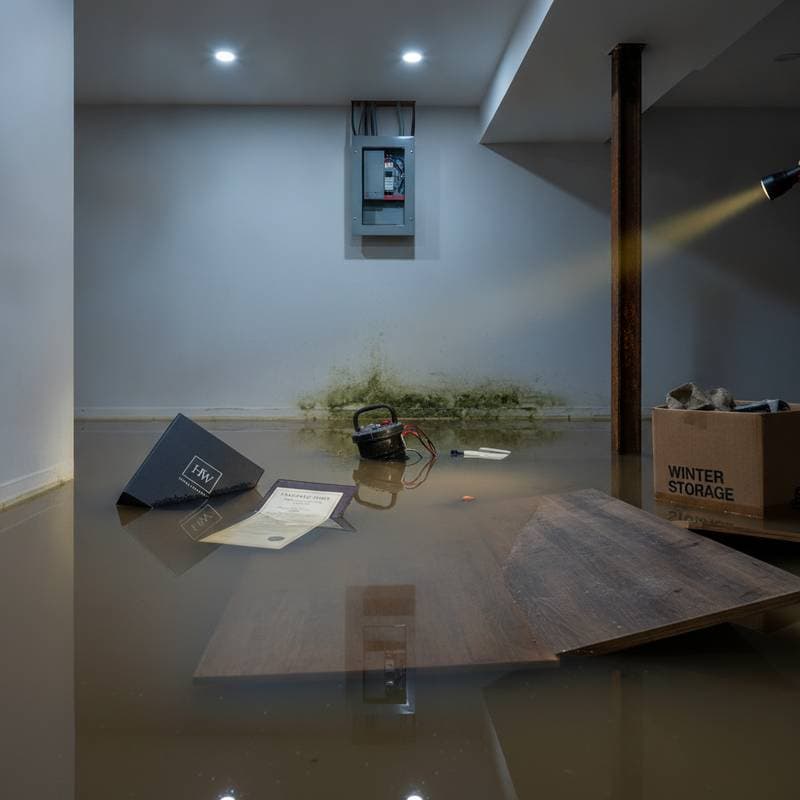
| Basement | $8,000 to $20,000 | Expansive area with inherent quiet | Potential need for moisture barriers |
| Garage | $10,000 to $25,000 | Clear separation from living areas | Demands full insulation and HVAC upgrades |
| Attic | $12,000 to $30,000 | Secluded setting with natural light | Requires structural reinforcements and access improvements |
| Detached Shed | $15,000 to $40,000 | Complete independence as a workspace | Involves installing all new utilities and obtaining permits |
Select the space that best aligns with your needs for reduced noise, ample daylight, and isolation from family routines.
Cost Ranges and What Affects Price
National average: $4,000 to $20,000
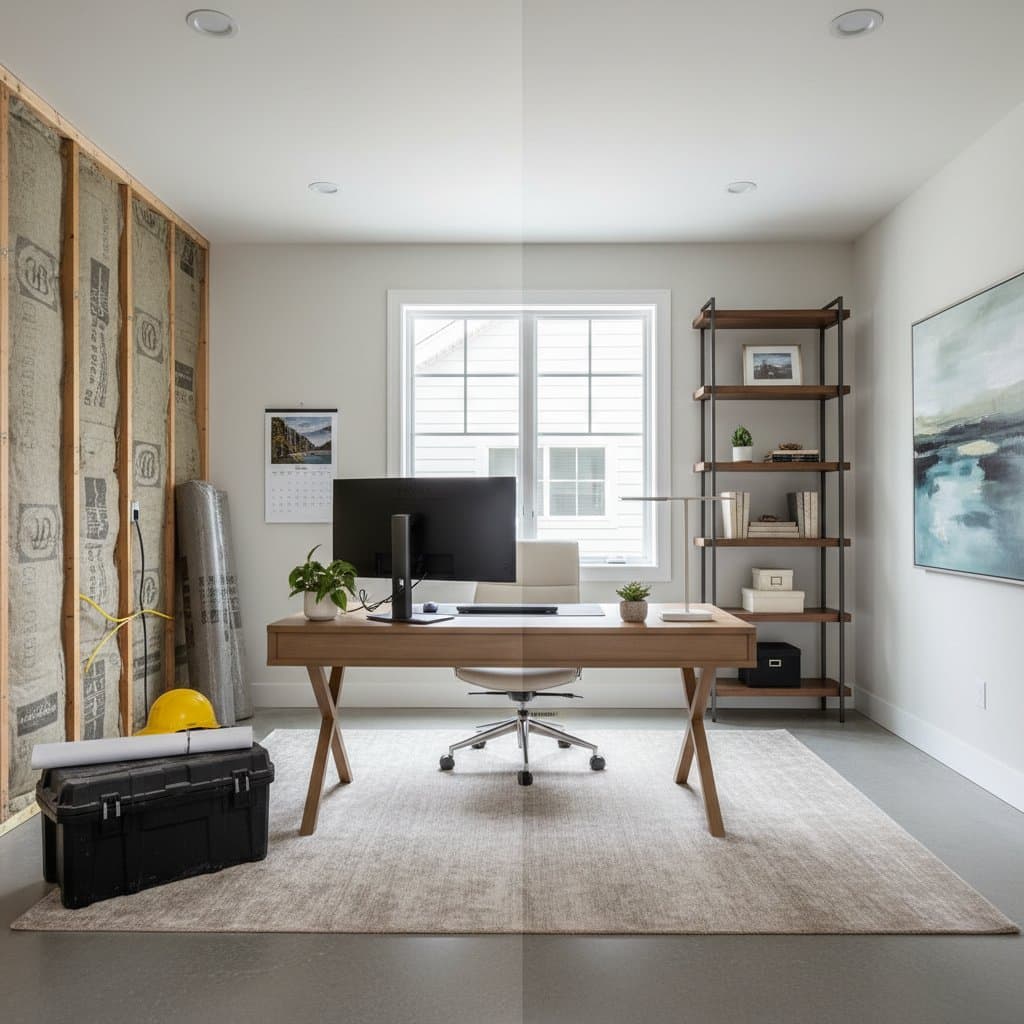
Low-end projects leverage existing surfaces and basic furniture for affordability. Mid-range efforts typically encompass drywall installation, new flooring, fresh paint, extra outlets, and updated lighting. High-end builds incorporate advanced insulation, dedicated HVAC systems, custom cabinetry, and soundproofing materials.
Primary cost drivers:
- Square footage: Expenses rise proportionally with the area to be finished.
- Electrical work: Budget $200 to $1,000 for installing outlets or fixtures.
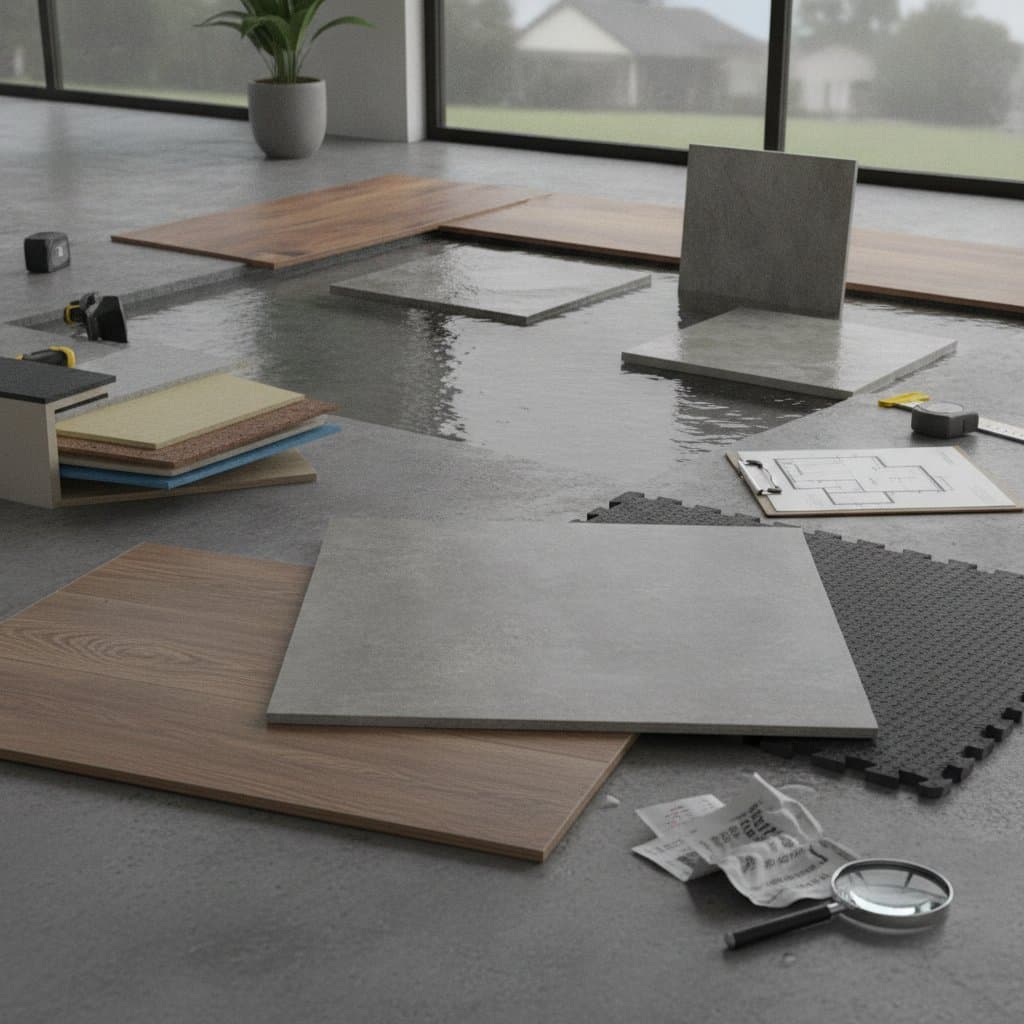
- Flooring: Allocate $3 to $12 per square foot, varying by material like laminate or hardwood.
- Built-ins: Expect $1,500 to $6,000 for tailored desks and shelving units.
- Paint and finishes: Plan for $500 to $2,000, factoring in surface preparation and premium products.
- HVAC or mini-split systems: Reserve $2,000 to $6,000 for additions in unconditioned spaces.
Anticipate increased spending for insulation upgrades, extended wiring runs, or compliance with stringent local regulations.
Typical Timeline
Follow a structured sequence to maintain efficiency and minimize disruptions.
- Design and layout planning: Allocate 1 week for sketches and material selection.
- Demolition and preparation: Dedicate 1 to 3 days to clearing and priming the area.
- Electrical and HVAC installation: Schedule 3 to 7 days for professional wiring and ductwork.
- Insulation, drywall, and painting: Allow 1 to 2 weeks for these foundational layers.
- Flooring and trim installation: Set aside 3 to 5 days for final surfacing.
- Furniture assembly and setup: Use 1 to 3 days to arrange and test the space.
A straightforward bedroom refresh often concludes in two weeks. Comprehensive garage or attic projects extend to four to six weeks, depending on complexity.
DIY vs Professional Guidance
Suitable for DIY: Tasks such as painting walls, laying flooring, installing trim, and assembling furniture suit those with basic skills and reliable tools.
Require professionals: Electrical systems, HVAC installations, and any structural modifications demand licensed expertise to ensure safety and code adherence. Faulty work risks fires, water damage, or failed inspections.
Assess your skill level and time commitment:
- Basic room refresh: Suitable for beginners over 2 to 3 weekends.
- Basement or garage adaptation: Intermediate level, spanning several weeks.
- Complete utility integration: Professional territory, lasting 1 to 2 months.
Consult a qualified contractor early if concerns arise about load-bearing elements, power capacity, or insulation requirements.
Materials and Tools Checklist
Essential materials:
- Drywall sheets, joint compound, and primer for smooth walls.
- High-quality paint or decorative panels for surface treatment.
- Durable vinyl plank or laminate for flooring.
- Baseboard trim, caulk, and sealants for finishing touches.
- Electrical boxes, grounded outlets, and energy-efficient LED lights.
- Blinds or curtains for windows; acoustic panels for noise reduction.
- Ergonomic desk, adjustable chair, open shelving, and cable organizers.
Recommended tools:
- Tape measure, level, and stud finder for precise measurements.
- Power drill, circular saw, and screwdriver set for assembly.
- Paint brushes, rollers, trays, and drop cloths for clean application.
- Utility knife, sandpaper, and safety glasses for detailed work.
- Sturdy ladder or step stool for overhead tasks.
- Shop vacuum and dust masks for thorough cleanup.
Invest in versatile mid-range tools for ongoing use. Rent specialized items, such as drywall lifts or flooring nailers, to control costs.
Maintenance, Care, and Lifespan
Proper upkeep ensures your home office endures like any standard interior space.
- Inspect outlets and cords every few months to detect fraying or overheating.
- Replace HVAC filters quarterly to maintain optimal air circulation.
- Refresh paint and reseal trim annually to preserve appearance.
- Monitor basements and garages for dampness following storms.
- Reposition furniture periodically to prevent wear patterns and UV damage.
Maintain consistent ventilation and humidity levels to safeguard electronics and wood elements from deterioration.
Regional and Climate Considerations
Local weather patterns shape both the conversion process and ongoing usability.
- Cold climates: Emphasize thick insulation and vapor barriers; integrate radiant heaters or efficient mini-splits.
- Hot regions: Apply reflective coatings to roofs and install ceiling fans for cooling.
- Humid environments: Opt for vinyl or ceramic tile flooring to resist warping.
- Arid areas: Incorporate humidifiers to preserve wooden surfaces and comfort.
Review municipal codes regarding ventilation standards, emergency exits, and outlet placements. Secure permits for conversions involving garages or attics to avoid penalties.
Return on Investment
A thoughtfully executed home office conversion recoups 60 to 80 percent of its investment upon sale. Prospective buyers prioritize functional work areas in modern homes. Incorporate energy-saving features like LED bulbs and superior insulation to lower ongoing utility expenses.
Boost appeal by selecting timeless finishes, hiding wires neatly, and designing layouts that adapt to alternative uses, such as guest quarters or creative studios.
Steps to Launch Your Project
Begin by clarifying your workspace requirements. Prioritize features like soundproofing for video calls or enhanced lighting for detailed tasks.
- Measure the selected area and draft a functional layout.
- Establish a realistic budget that accommodates unexpected expenses.
- Obtain quotes from at least two qualified professionals for any hired work.
- Time the project to align with your schedule and favorable weather conditions.
- Finalize outlet and lighting positions after plotting furniture arrangements.
Upon completion, maintain the space as a valuable asset. Organization and adaptability will sustain your focus and enhance your home's overall worth.