2026 Flood Protection Upgrades for Homeowners
Summary Box
National average cost: $8,400
Typical range: $3,800 to $18,000
Low end and high end: $1,200 for basic sealing, $45,000 for full elevation or major drainage rework
Time to complete: 2 days to 6 weeks depending on scope
DIY or Pro: Mix of both, most upgrades need licensed pros
ROI or resale impact: Moderate to high in flood-prone zones, insurance discounts possible
Updated: April 2026
Cost Breakdown
| Item | Unit cost | Typical quantity | Line total | Notes |
|---|---|---|---|---|
| Foundation waterproofing membrane | $3.50 per sq ft | 800 sq ft | $2,800 | Applied to exterior foundation walls |
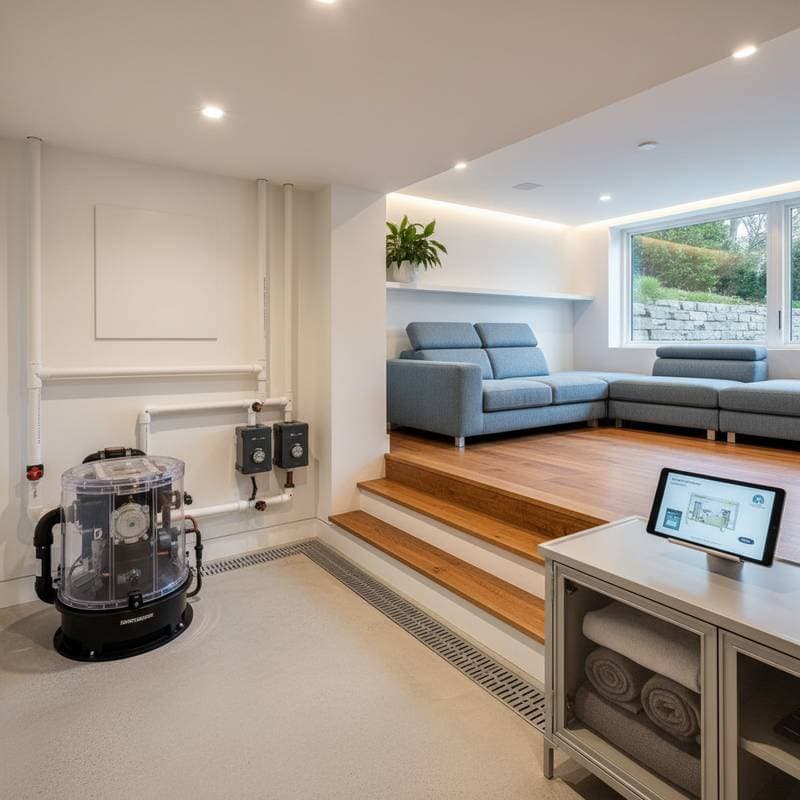
| Sump pump with battery backup | $900 each | 1 | $900 | Includes installation |
| French drain system | $30 per linear ft | 120 ft | $3,600 | Requires trenching and gravel |
| Backflow valve installation | $1,200 each | 1 | $1,200 | Prevents sewer backups |
| Flood vents | $250 each | 4 | $1,000 | Equalizes water pressure under raised homes |
| Yard grading and swales | $2 per sq ft | 1,000 sq ft | $2,000 | Improves drainage away from structure |
| Permit and inspection fees | Flat | — | $400 | Varies by municipality |
| Disposal and cleanup | Flat | — | $300 | Debris and soil removal |
Typical total: $8,000 to $12,000 for a balanced prevention package.
Add-ons and Allowances
- Smart water sensors: $150 to $400 each for leak and humidity alerts
- Backup generator: $3,000 to $6,000 for system support during power loss
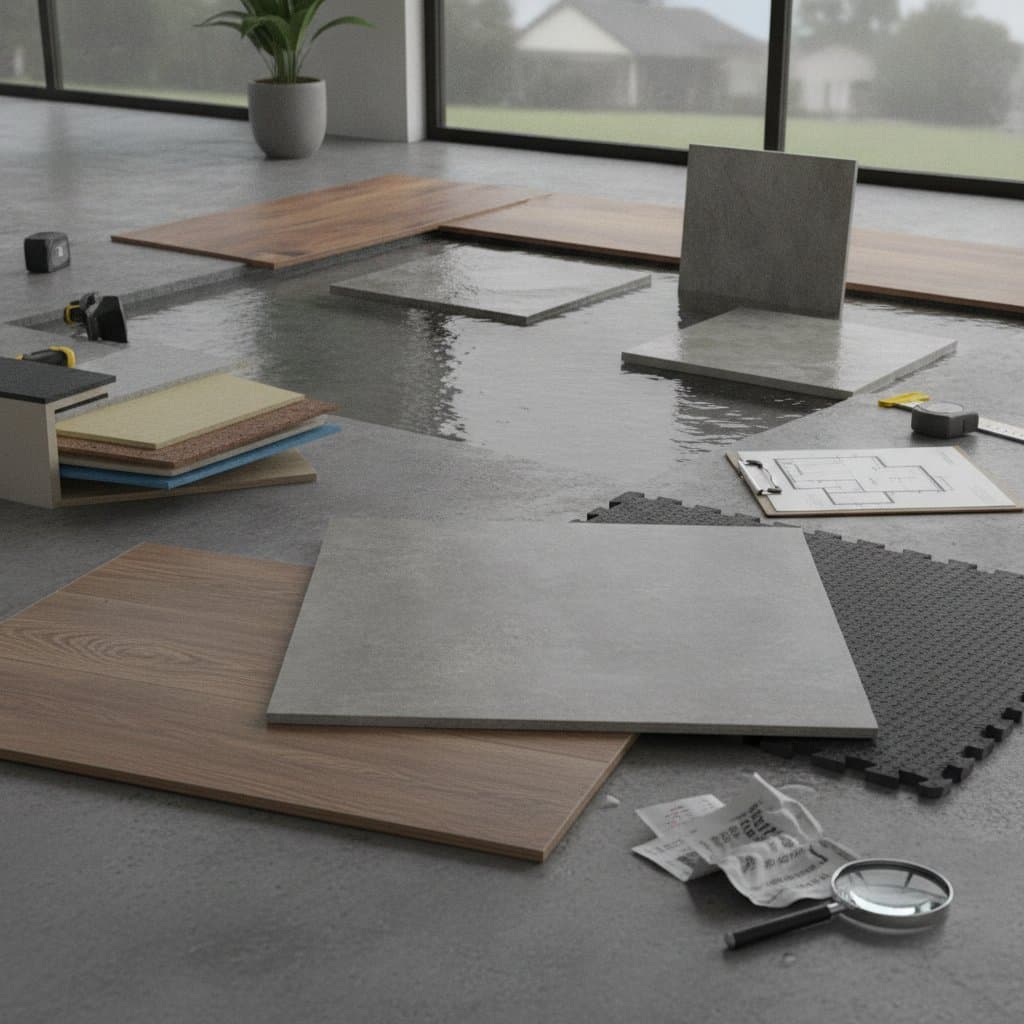
- Waterproof flooring: $4 to $7 per sq ft for basement or ground-level spaces
Factors Influencing Costs
The extent of the project and the size of the home directly affect expenses. Larger foundations or multi-level basements increase the area requiring waterproofing treatment. Homeowners should assess their property's specific vulnerabilities to estimate needs accurately.
Material quality plays a significant role. Premium membranes, durable pumps, and high-grade drainage tubing can raise costs by 20 to 40 percent, but they offer superior longevity and performance. Selecting mid-range options often provides a strong balance between upfront investment and long-term reliability.
Site conditions also impact pricing. Challenging access, such as tight crawl spaces or clay-heavy soil, extends labor hours. Steep lots may necessitate additional engineering for effective drainage solutions.
Labor rates fluctuate with market demand and timing. Contractors charge more during peak rainy seasons when schedules fill quickly. Planning ahead helps secure better rates and availability.
Custom modifications add to the budget. Changes during installation, utility relocations, or integrated landscape features require extra time and materials. Clear planning minimizes these surprises.
DIY Versus Professional Installation
Capable homeowners can handle certain tasks independently. Applying interior waterproof coatings to basement walls provides a straightforward barrier against moisture. Installing moisture alarms and battery-powered leak sensors offers early detection without complex wiring. Regrading small yard sections directs surface water away from the foundation effectively.
Professional expertise proves essential for more involved work. Excavating around the foundation for exterior membranes or French drains demands precision to avoid structural issues. Connecting sump pumps to electrical systems requires compliance with local codes. Installing backflow valves or flood vents involves integration with the home's framework, ensuring proper function.
Strategies to Reduce Costs Effectively
Prioritize interventions based on identified weak points. If water infiltrates through basement wall seams, address sealing and internal drainage before broader landscape adjustments. This targeted approach maximizes protection with minimal spending.
Opt for durable materials like PVC drain piping instead of corrugated flex options. PVC withstands wear better and demands less frequent repairs, saving on future expenses.
Combine projects for efficiency. When resurfacing a driveway, incorporate a drainage trench underneath to handle both tasks simultaneously and share labor costs.
Schedule installations during off-peak periods. Contractors often discount rates by 10 to 15 percent outside heavy rain seasons, making timing a key savings lever.
Obtain at least three detailed quotes from reputable providers. Request breakdowns that specify materials, preparation steps, and disposal to enable fair comparisons.
Essential Quote Evaluation Checklist
- Scope fully itemized with quantities and descriptions
- Material brands and quality grades specified
- Surface preparation and cleanup services included
- Permit and disposal fees accounted for
- Warranty details and project timeline outlined
- Payment terms linked to completion milestones
Guide to Implementation
DIY Approach
Required Tools and Materials:
- Shovel, tamper, wheelbarrow, trowel, caulk gun
- Waterproofing sealant or membrane
- Gravel, perforated drainpipe, landscape fabric
- Safety gear: gloves, goggles, dust mask
Steps for Installing a Simple Yard Drain:
- Identify low spots and plot a slope path away from the house, aiming for 1 inch of drop per 10 feet.
- Excavate a trench at least 12 inches deep along the marked route.
- Line the trench with landscape fabric, then add a 2-inch layer of gravel.
- Position the perforated pipe with holes facing downward.
- Surround the pipe with additional gravel and fold the fabric over the top.
- Backfill with soil, compacting layers evenly, and finish with seeding or sod to restore the surface.
Hiring Professionals
Verify contractor credentials by checking references and confirming insurance coverage. Inquire about their experience with flood mitigation projects to ensure relevant expertise.
Demand a written proposal detailing trench depths, membrane specifications, and sump discharge paths. This document protects against misunderstandings.
Structure payments around progress: an initial deposit, a mid-project installment, and final payment upon inspection approval.
Project Timeline and Coordination
Most components like pumps and valves remain readily available, but custom membranes or vents might delay starts by 2 to 3 weeks. Order early to align with your schedule.
Crew durations vary by complexity:
- Interior sealing: 1 to 3 days
- French drain installation: 3 to 7 days
- Comprehensive exterior waterproofing: 2 to 4 weeks
Incorporate inspections at critical stages:
- Review rough trench and pipe placement prior to backfilling
- Conduct final checks after waterproofing application and pump testing
Ongoing Maintenance for Durability
Test sump pumps biannually by simulating water inflow into the pit. This verifies operational readiness before storms arrive.
Clear drain inlets and downspouts ahead of rainy periods to prevent clogs. Regular attention keeps water flowing freely.
Replace pump batteries every 3 to 5 years to maintain backup functionality during outages.
Monitor foundation edges for soil shifts, which signal drainage deficiencies. Address promptly to avoid escalation.
Patch small cracks using hydraulic cement immediately. This prevents expansion and preserves the waterproofing integrity.
Realizing Lasting Value from Flood Protection
Investing in these upgrades fortifies your home against water threats, potentially averting thousands in repair bills. In flood-risk areas, such enhancements attract buyers and qualify for insurance reductions, improving financial returns. Homeowners gain confidence knowing their property stands resilient, with reduced upkeep demands over time.