Build Climate-Resilient Homes with Flood Prevention
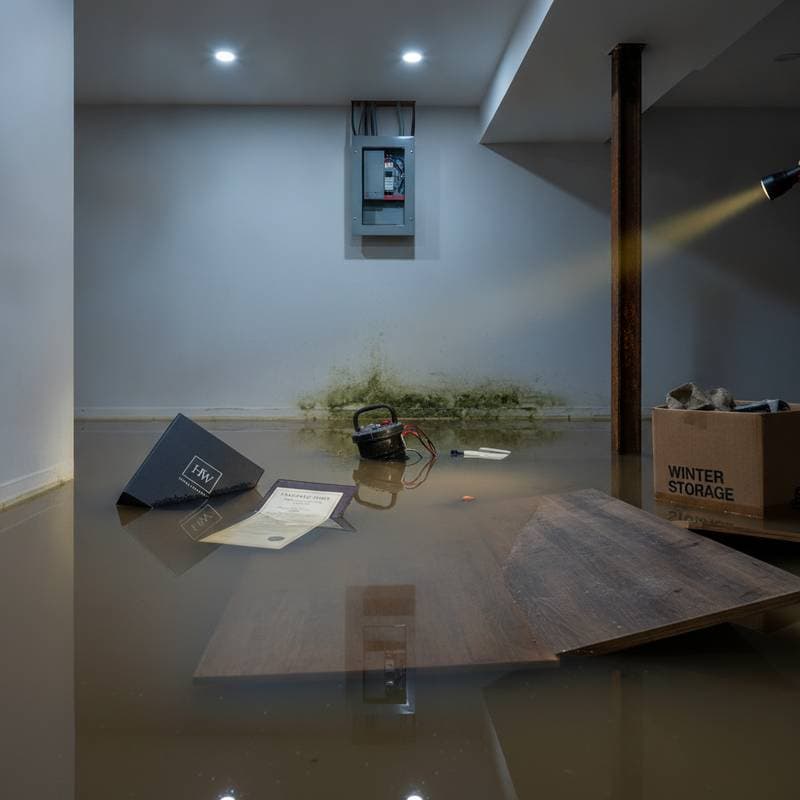
Flooding ranks as the most common and expensive natural disaster for property owners. Constructing or modifying a residence to withstand water intrusion safeguards lives and preserves financial value. The primary objectives involve excluding water, directing it away efficiently, and facilitating rapid recovery if intrusion occurs. This guide details strategies for designing, constructing, or enhancing a residence to endure escalating water levels associated with climate shifts.
Determine When Flood Prevention Measures Apply
Implement flood prevention techniques in locations situated within floodplains, adjacent to rivers or shorelines, or prone to intense precipitation that saturates soil. Even modest inclines may accumulate surface runoff, which infiltrates basements or crawl spaces. Incorporating these elements during initial planning prevents substantial expenses on subsequent repairs.
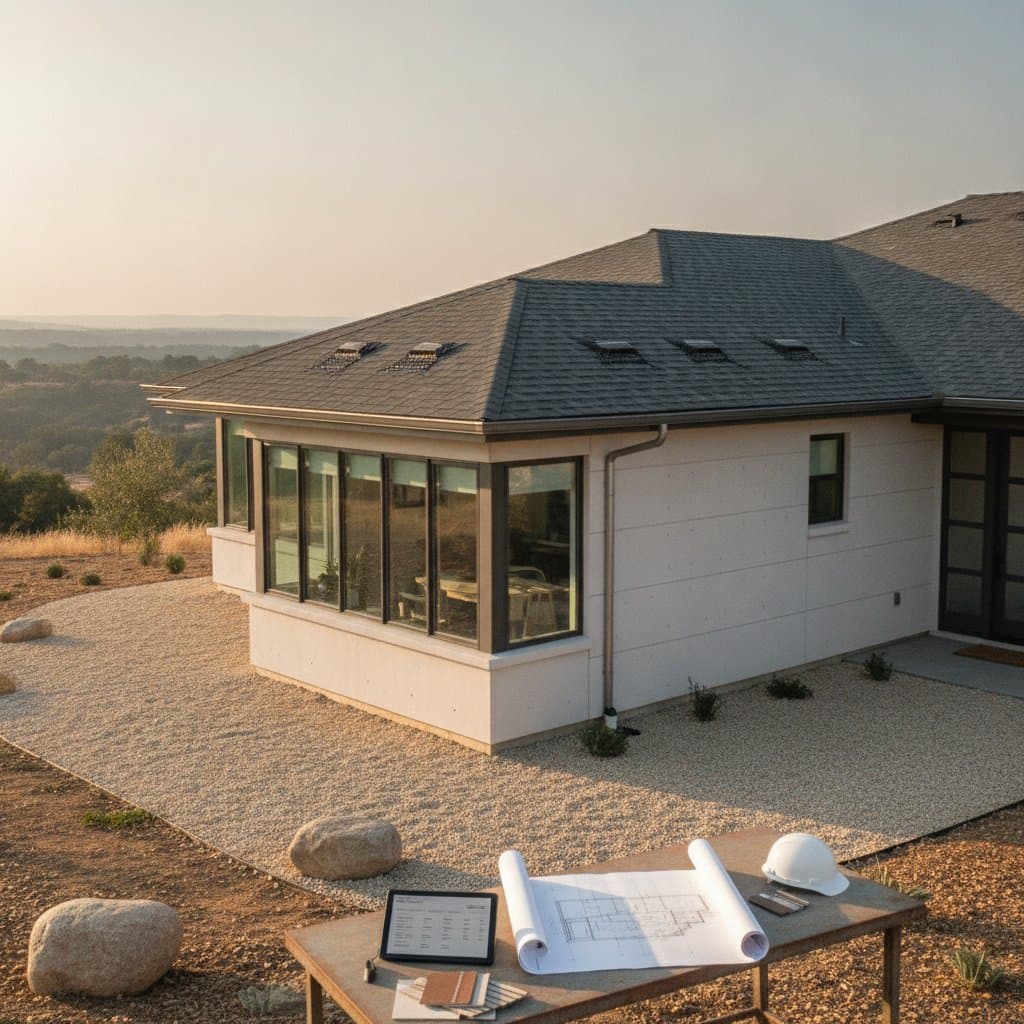
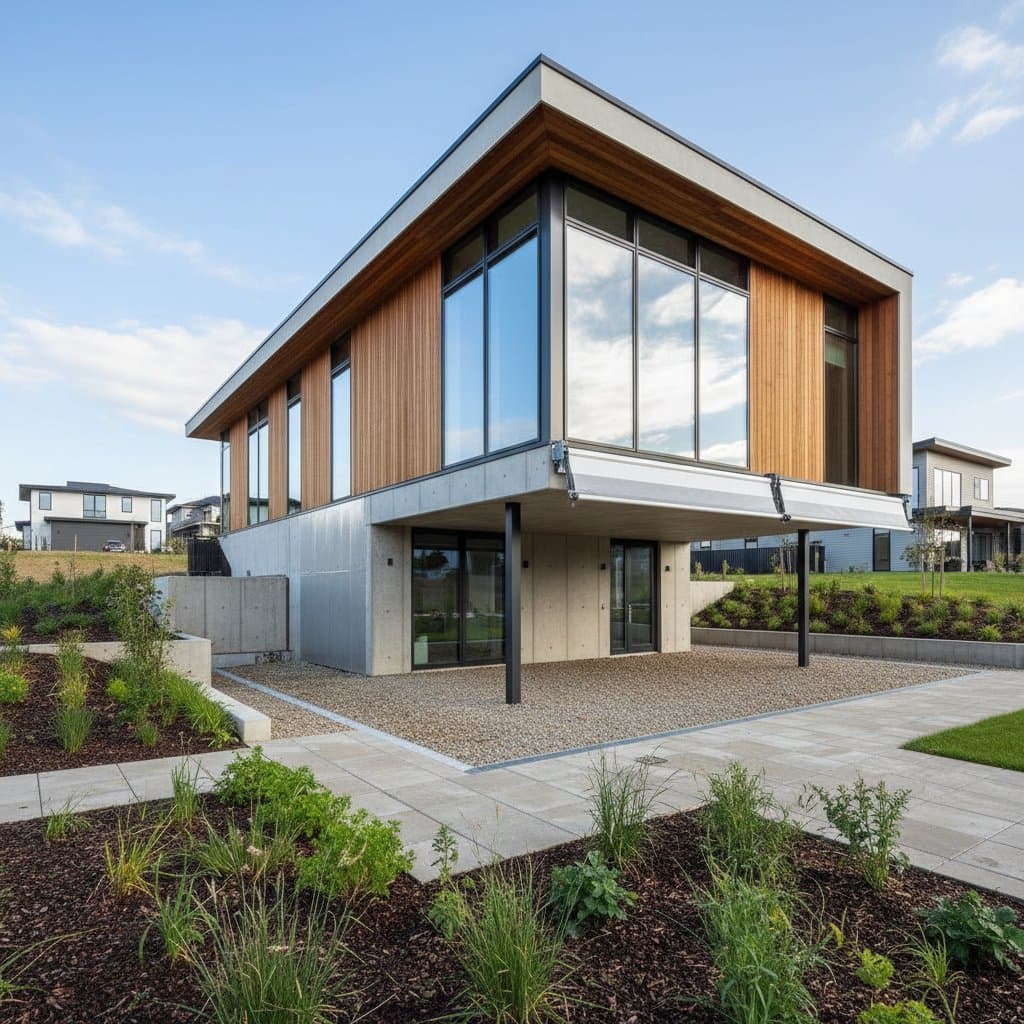
For established residences in vulnerable low-elevation or precipitation-heavy zones, evaluate upgrades such as sump pumps, backflow preventers, or exterior drainage networks. In fresh constructions, raising the structure and optimizing the foundation serve as initial barriers.
Analyze Costs and Influencing Factors
The table below outlines estimated expenses for common flood mitigation components. These figures vary based on regional labor rates, material availability, and project specifics.
| Scope Item | Material Cost Range | Labor Cost Range | Total Cost Range | Notes on Cost Drivers |
|---|---|---|---|---|
| Elevate foundation (per sq ft) | $15 - $40 | $10 - $25 | $25 - $65 | Soil stability, site access, and building type influence pricing |
| Sump pump with pit | $250 - $600 | $300 - $700 | $550 - $1,300 | Include battery backup to enhance dependability |
| Backflow preventer | $100 - $300 | $200 - $400 | $300 - $700 | Essential for sewer lines positioned below ground level |
| Perimeter drain system | $1,000 - $2,500 | $1,500 - $3,000 | $2,500 - $5,500 | Depth of trenching and surface restoration impact expenses |
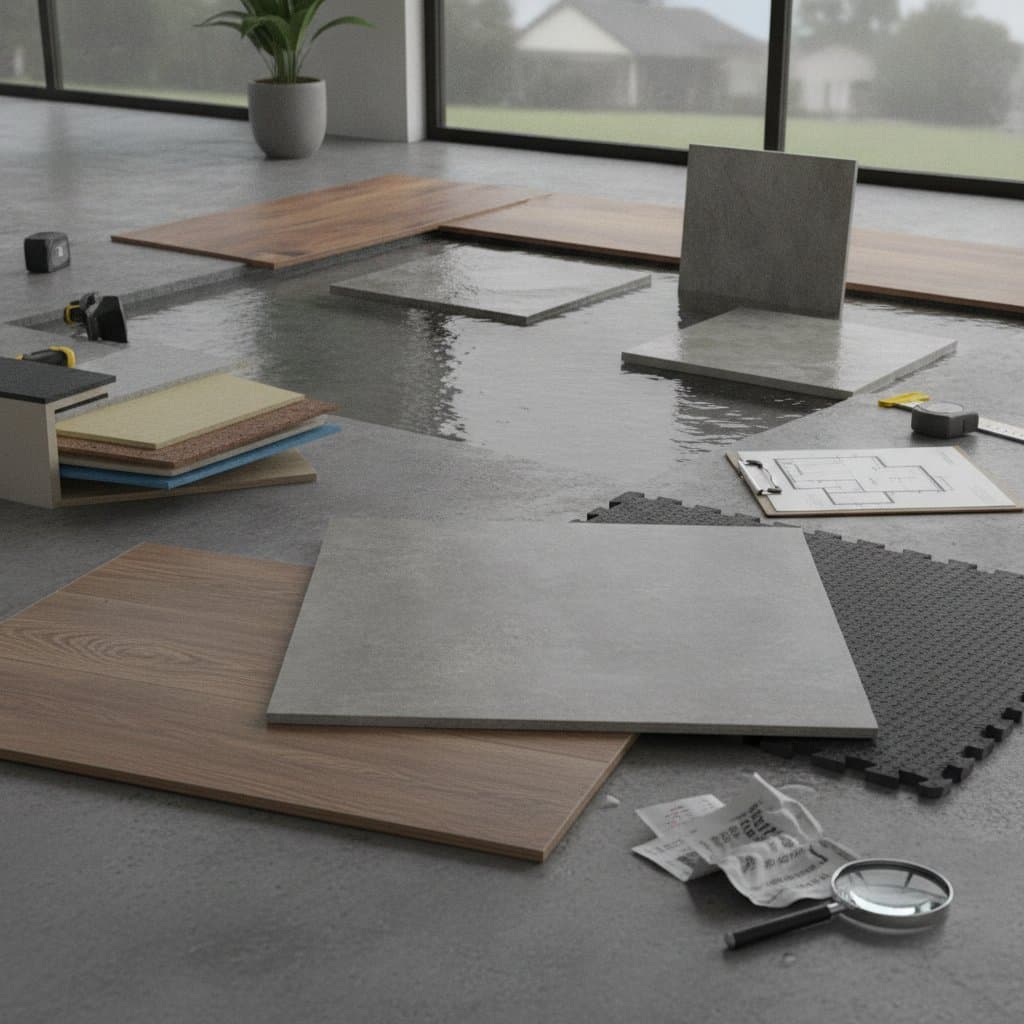
| Waterproof coating (per sq ft) | $2 - $5 | $1 - $3 | $3 - $8 | Membrane variety and existing wall state determine costs |
Three Key Factors Driving Expenses
- Material Quality: Premium membranes and valves provide extended durability at a higher initial outlay.
- Labor Demands: Tasks involving digging, lifting structures, or working in restricted areas elevate charges.
- Site Characteristics: Limited space, elevated groundwater, or the need to relocate utilities amplify overall costs.
Adhere to Safety Standards, Permits, Codes, and Warranties
Structural modifications, drainage alterations, or utility adjustments for flood prevention typically necessitate official approvals. Consult local regulations on flood zones and construction standards without exception.
- Electrical Systems: Outlets and wiring below potential flood elevations require ground-fault circuit interrupter (GFCI) safeguards.
- Plumbing Installations: Backflow devices demand easy access and yearly professional inspections.
- Structural Integrity: Lifting operations must comply with regional requirements for weight distribution and securing mechanisms.
Failure to obtain permits or reliance on uncertified equipment may invalidate insurance policies and manufacturer guarantees.
Establish a Maintenance Schedule and Expected Durability
Structured Maintenance Approach
- Immediate Post-Installation: Verify sump pump functionality and backflow valve performance. Examine drainage paths for blockages.
- Seasonal Preparations: Remove debris from gutters and downspouts prior to anticipated heavy rainfall. Assess ground slopes for signs of washout.
- Yearly Inspections: Apply sealant to any foundation fissures and confirm GFCI device operations. Renew sump pumps after 7 to 10 years, adjusted for operational frequency.
With diligent care, these installations endure for many years, requiring only routine attention.
Evaluate Contractor Proposals
Use the following comparison to assess bids effectively. Focus on alignment with project specifications and inclusion of essential details.
| Line Item | Specification or Scope | Contractor A | Contractor B | Contractor C | Variance Considerations |
|---|---|---|---|---|---|
| Foundation Elevation | Raise 24 inches above base flood elevation | $42,000 | $38,500 | $44,200 | Examine soil analysis and site preparation plans |
| Drainage System | 80 linear feet with sump discharge | $5,200 | $4,800 | $5,500 | Confirm pump capacity and discharge length compliance |
| Waterproof Membrane | 1,200 sq ft wall coverage | $6,000 | $5,400 | $7,100 | Verify warranty duration and material specifications |
Require bidders to specify provisions for testing, site restoration, and coverage terms.
Flood Readiness Assessment
- Confirm property location relative to flood maps and elevation certificates.
- Inventory existing features: sump pumps, drainage, and waterproofing.
- Review insurance policy for flood endorsements and deductibles.
- Schedule professional inspection for foundation and utility vulnerabilities.
- Compile maintenance records and update emergency response plans.
- Consult certified contractors for personalized retrofit recommendations.
Implement Protective Upgrades
Prioritize flood-resilient enhancements to secure your residence against intensifying weather patterns. These measures not only minimize damage but also enhance long-term value and peace of mind. Engage experts early to tailor solutions that align with your site's unique challenges and budget constraints.