Introduction to Smart Home Protection
Smart home devices integrate artificial intelligence to automate lighting, security, and climate control, transforming ordinary residences into efficient environments. These systems rely on interconnected hubs, sensors, and appliances that demand careful oversight to maintain functionality. As adoption grows, owners face the challenge of safeguarding investments against failures, accidents, and external threats.
Protection begins with manufacturer warranties, which typically cover defects for one to two years. Once expired, insurance steps in to address broader risks. Understanding this transition ensures uninterrupted operation and financial security for AI-powered setups.
Differentiating Warranties and Insurance Coverage
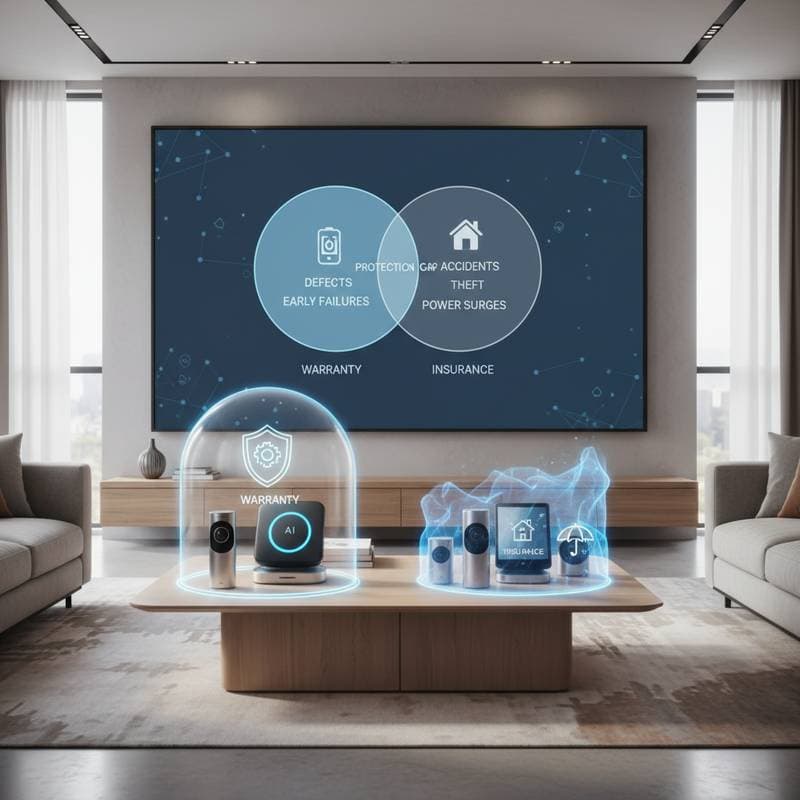
Manufacturer warranties focus on inherent flaws, such as faulty wiring or software glitches, present from the time of purchase. These plans often include free repairs or replacements within a specified period, provided the device receives proper use. Owners must retain proof of purchase and adhere to usage guidelines to qualify for claims.
Insurance, by contrast, protects against unforeseen events like theft, fire, or water damage. Homeowners policies may cover permanently installed smart components, such as integrated thermostats, as part of the dwelling. Portable items, including smart speakers or robotic cleaners, require separate endorsements or personal property riders for full protection.
The key distinction lies in causation: warranties handle internal failures, while insurance addresses external impacts. Overlapping claims prove rare, as providers coordinate to avoid double recovery. Consult policy documents early to clarify boundaries and prevent coverage gaps.
Strategies for Maintenance and Extending Device Lifespan
AI home devices exhibit lifespans ranging from three to ten years, influenced by build quality, usage patterns, and surrounding conditions. High-end models with robust components endure longer than budget options exposed to harsh environments. Regular upkeep proves essential to maximize this duration and minimize unexpected downtime.
Follow these steps to preserve functionality:
-
Update firmware regularly through manufacturer apps to patch security vulnerabilities and enhance performance.
-
Position hubs and sensors in clean, dry areas away from direct sunlight or moisture sources.
-
Distribute power loads across multiple circuits to prevent overheating and electrical strain.
-
Equip outlets with surge protectors rated for at least 2000 joules to shield against voltage spikes.
-
Maintain a detailed log of cleaning, updates, and professional servicing to support future claims.
-
Conduct annual inspections of cables and connections for wear, replacing any frayed elements promptly.
Warranties frequently end before natural obsolescence occurs, leaving devices vulnerable to wear. Insurance bridges this interval by covering repair costs from accidents or environmental hazards. Proactive maintenance reduces claim frequency and extends overall system reliability.
Accounting for Regional and Climate Influences
Geographic location shapes the risks to smart home infrastructure. In humid or coastal regions, salt air accelerates corrosion on circuit boards and connectors, potentially halving device longevity. Dry inland areas heighten static electricity risks, which can fry sensitive electronics during routine handling.
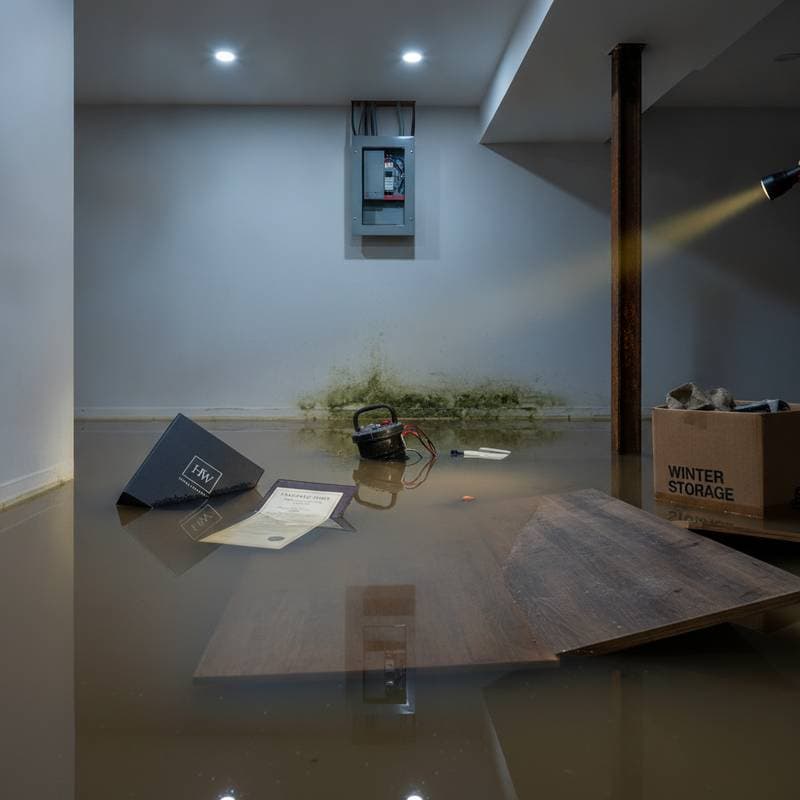
Extreme weather demands tailored coverage. Flood-prone zones require policies that include water damage endorsements, as standard plans often exclude such perils. Lightning strikes, common in stormy areas, necessitate comprehensive electronics protection beyond basic homeowner coverage.
Power instability varies by region as well. Areas with frequent outages or grid fluctuations increase surge incidents, leading to multiple claims over time. Insurers sometimes mandate evidence of surge protection devices before approving payouts for affected gadgets. Install whole-home surge suppressors at the electrical panel for superior defense against these events.
Evaluate local hazards through resources like weather reports or utility advisories. Adjust insurance deductibles and add-ons accordingly to match exposure levels. This targeted approach optimizes premiums while ensuring robust safeguards.
Addressing Common Coverage Questions
Can Owners Pursue Both Warranty and Insurance for a Single Incident?
Providers prohibit dual claims to prevent redundancy. Determine the root cause first: internal defects fall under warranty, while external factors like drops or storms trigger insurance. Contact the manufacturer initially if uncertainty exists, as they may direct you to insurance for non-covered events.
Do Standard Homeowners Policies Include Smart Devices?
Coverage applies automatically to fixed installations, such as wired security cameras or smart lighting integrated into walls. Mobile units, like voice-activated assistants or autonomous vacuums, count as personal property and may require explicit listing on the policy. Review your declarations page or consult an agent to confirm inclusions.
Do Extended Warranties Provide Sufficient Value?
Assess based on device complexity and repair expenses. Simple gadgets, such as smart plugs, seldom justify the added cost, as replacements prove economical. Advanced systems, including AI-managed heating units, benefit from extensions if service fees surpass the premium. Compare retailer plans against third-party options for broader terms.
What Records Strengthen Claims?
Compile receipts, warranty cards, and registration confirmations for all purchases. Capture photographs of devices in operational state, including serial numbers and installation dates. For insurance submissions, include incident details, such as damage photos and repair estimates, to expedite processing.
Do Electrical Surges Invalidate Warranty Protections?
Manufacturers routinely exclude surge-related damage, classifying it as external rather than defective. Such incidents shift responsibility to insurance, which often covers restoration up to policy limits. Verify exclusions in warranty fine print to avoid denied requests.
Implementing a Comprehensive Protection Plan
Layered safeguards form the foundation of effective smart home defense. Begin by registering every device upon acquisition to activate warranty benefits and facilitate tracking. Label electrical panels and outlets to identify smart device circuits quickly during issues.
Select insurance that aligns with specific vulnerabilities. In high-risk zones, pair a home warranty for mechanical systems with device-specific riders for tech components. This setup covers repairs without duplicating benefits, keeping expenses manageable.
Take these immediate actions:
-
Inventory all smart devices, noting purchase dates and serial numbers.
-
Review current insurance for gaps and add necessary endorsements.
-
Install surge protection across key areas and test annually.
-
Schedule routine system audits to detect early warning signs.
-
Budget for potential upgrades, as technology evolves rapidly.
Forward planning transforms potential headaches into seamless management. Protected systems deliver consistent performance, allowing focus on the innovations that make homes smarter. Secure coverage today to enjoy peace of mind tomorrow.