2026 Layouts for Seamless Multigenerational Living
Designing a home to accommodate multiple generations demands careful attention to financial planning, architectural details, and the balance between private and shared spaces. Families increasingly opt for arrangements that foster independence alongside family bonds, driving demand for adaptable designs such as accessory dwelling units, dual kitchens, and connected suites. These features allow autonomy for individuals while optimizing shared utilities and reducing overall costs.
This guide provides a structured approach to evaluating layouts through cost analysis, design assessment, and forward-thinking planning. Homeowners gain insights into how these elements integrate to support long-term functionality across generations.
Financial Structure and Cost Evaluation
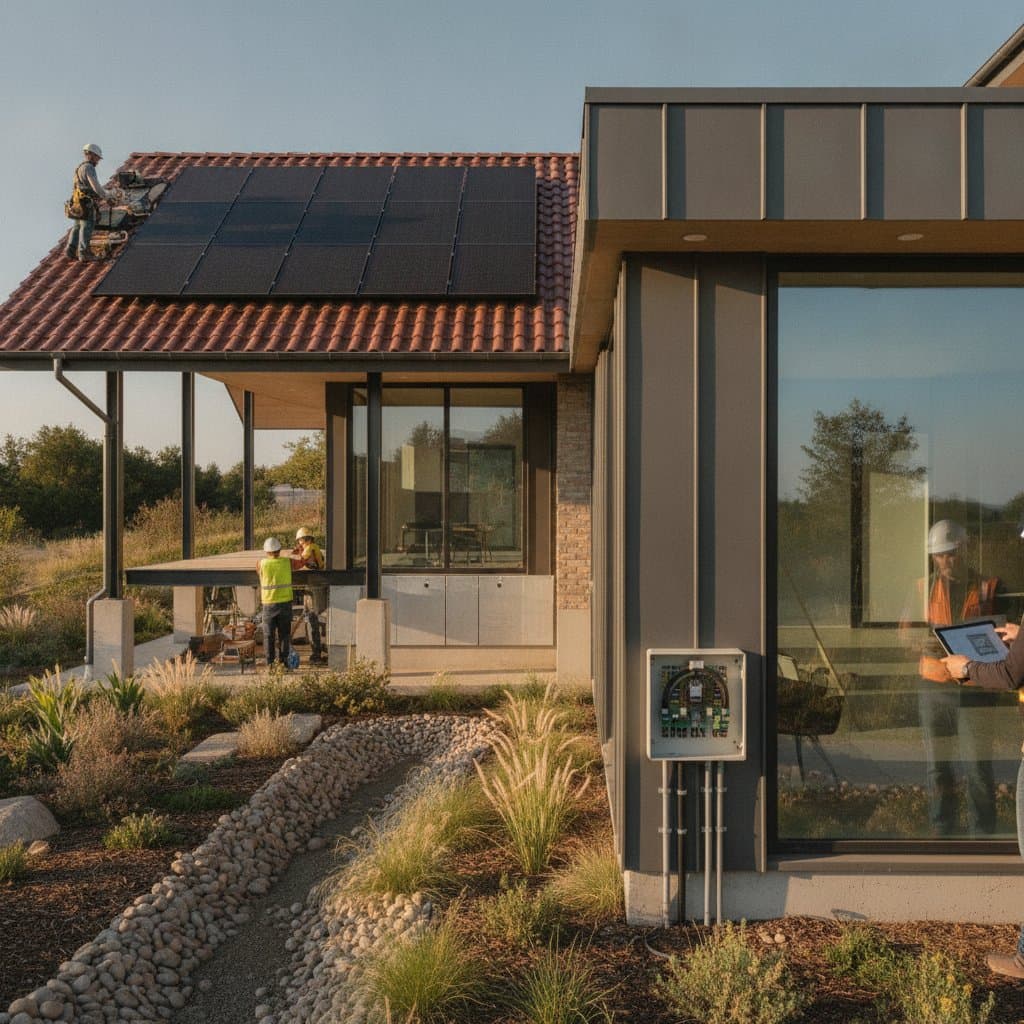
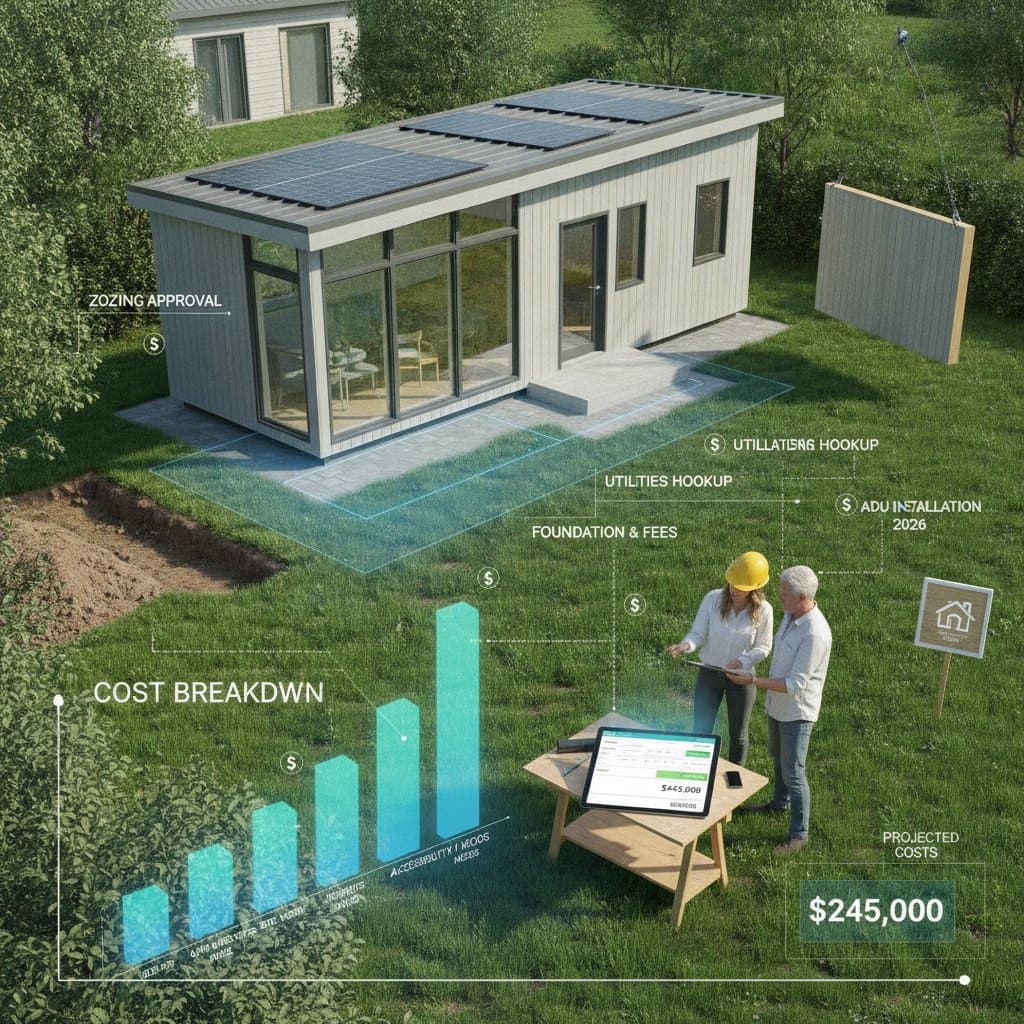
Homeowners must assess the total cost of ownership before undertaking a multigenerational remodel or new construction. This comprehensive view extends beyond initial construction fees to encompass ongoing expenses. Key components include base construction pricing, increased utility bills from added kitchens, bathrooms, and zoned HVAC systems, potential property tax hikes due to expanded square footage or outbuildings, and sustained maintenance for enhanced plumbing, electrical, and roofing systems.
Comparing an accessory dwelling unit (ADU) to an expansion of the main structure reveals distinct trade-offs. An ADU typically involves separate permits and utility meters, yet it opens doors to rental income. In contrast, expanding the primary residence simplifies permitting but may compromise privacy or limit zoning options.
Evaluating Coverage and Service Agreements
After construction, securing service contracts for critical systems becomes a priority. These contracts address HVAC, plumbing, and electrical needs, though their terms differ significantly in scope and dependability. Homeowners need to scrutinize details to avoid unexpected gaps in protection.
The following table outlines common coverage tiers for multigenerational homes:
| Coverage Level | Monthly Cost | Service Fee | Coverage Limits | Key Exclusions |
|---|---|---|---|---|
| Basic Plan | $40 to $55 | $75 | Up to $500 per repair | Pre-existing conditions, improper installation |
| Premium Plan | $65 to $90 | $100 | Up to $1,500 per repair | Wear from misuse, unapproved contractors |
| Total Home Plus | $95 to $120 | $125 | Aggregate cap $5,000 annually | Structural components, customized fixtures |
Agreements frequently exclude issues identified in pre-construction inspections, and claims may fail without complete maintenance records. In multigenerational setups with zoned systems or ADUs, verify that coverage extends to secondary areas. Providers sometimes treat ADUs as distinct properties, necessitating extra premiums.
Financial Implications of Dual-Living Spaces
Dual-living configurations affect immediate budgets and future financial outcomes. Although upfront construction expenses prove substantial, strategic management unlocks several benefits.
Shared utility expenses enable families to split costs for electricity, water, and internet, ensuring comfort without undue burden. Proximity reduces outlays for external caregiving, as elderly members reside on-site rather than in facilities. Rental opportunities from an ADU generate income, subject to local rules on leasing durations. Flexible designs also boost property values, appealing to a wider resale market.
To evaluate viability, compute the investment break-even. Consider an ADU built for $120,000 that yields $1,200 monthly rent; factoring in maintenance and taxes, recovery spans eight to nine years. Such calculations align projects with family objectives and fiscal resources.
Comparing Layout Options for Multigenerational Living
Adaptability varies across design choices, with three prevalent options shaping modern plans.
-
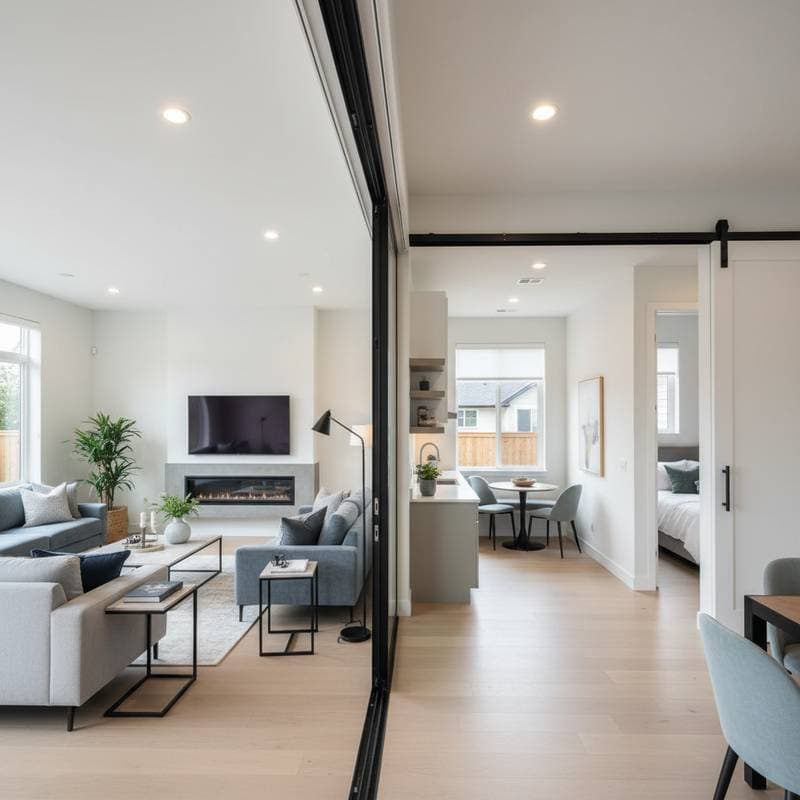
Integrated suites occupy a single structure, sharing a central kitchen and living space while providing private bedrooms and bathrooms. This setup suits families prioritizing closeness and minimizing build expenses.
-
Attached accessory units feature independent entrances, granting autonomy to adult children or seniors with easy access for assistance.
-
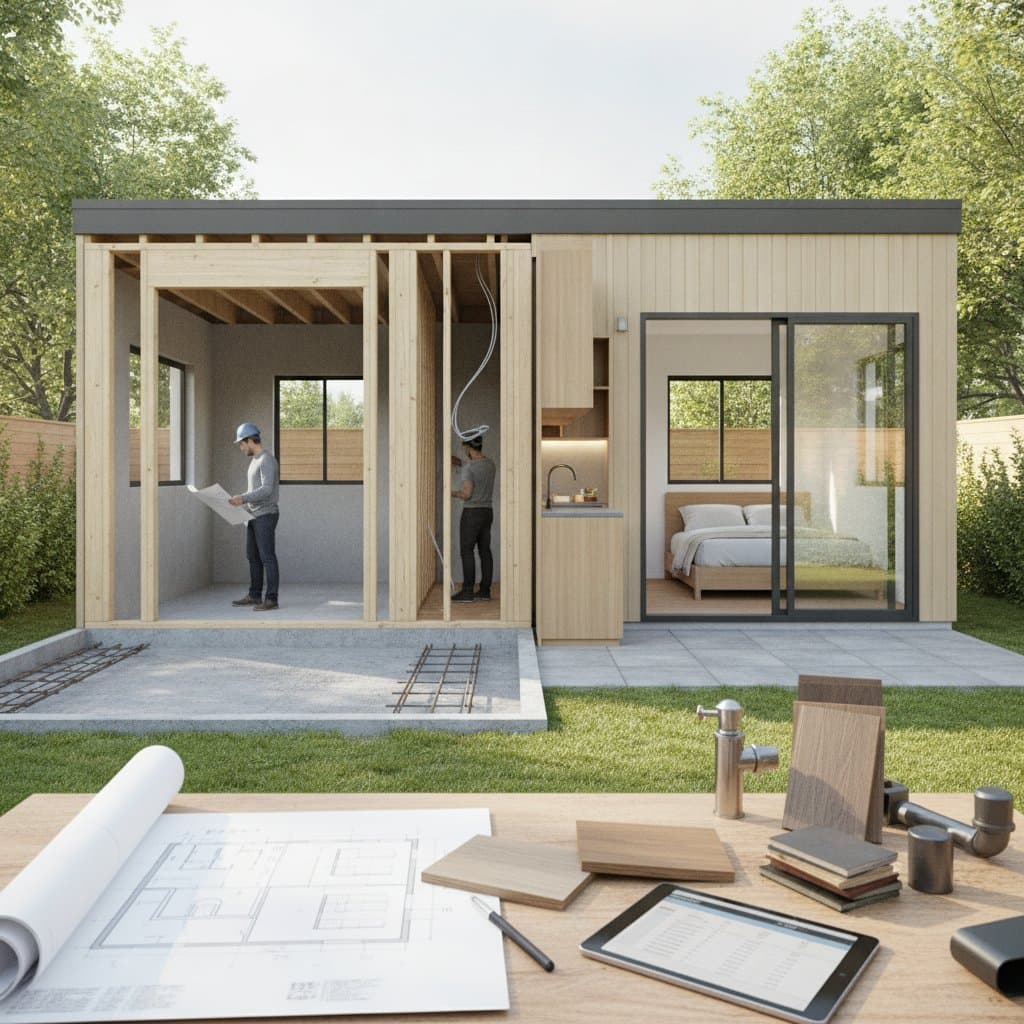
Detached ADUs or backyard cottages emphasize seclusion and leasing potential, though they demand more permits and utility connections.
Assess options against accessibility needs, financial limits, and local zoning. Attached suites often secure approval under standard codes, whereas detached units enhance privacy at greater initial expense.
Legal and Zoning Awareness
Zoning regulations and occupancy rules require thorough review prior to any work. Municipalities may cap unrelated adults per home or prohibit extra kitchens. Confirm ADU eligibility, including needs for unique addresses or meters.
Noncompliance risks fines, demolition orders, or tax reassessments. Engage a zoning attorney and licensed architect to sidestep pitfalls. Thorough records facilitate refinancing or sales, as lenders seek evidence of compliant units.
Building Adaptable Homes for Evolving Families
Prioritize flexibility in every multigenerational design to accommodate shifting dynamics. Thoughtful spaces adapt from supporting grandparents to housing young adults or aides, minimizing later modifications. This approach ensures enduring value and harmony across generations.