AMS Home Guides Logo
Home
Remodeling Cost ComparisonsAbout
AMS Home Guides Logo

Your comprehensive resource for home guides, cost guides, and home warranty information.

HomeAboutAll ArticlesSearchPrivacyTerms

© 2026 AMS Home Guides. All rights reserved.

  1. Home
  2. /
  3. Home Guides
  4. /
  5. Multigenerational Home Layouts: $150K to $420K Costs
Home Guides

Multigenerational Home Layouts: $150K to $420K Costs

byNicole Stambaugh
2026-06-17 03:02:57June 17, 2026
5 min read
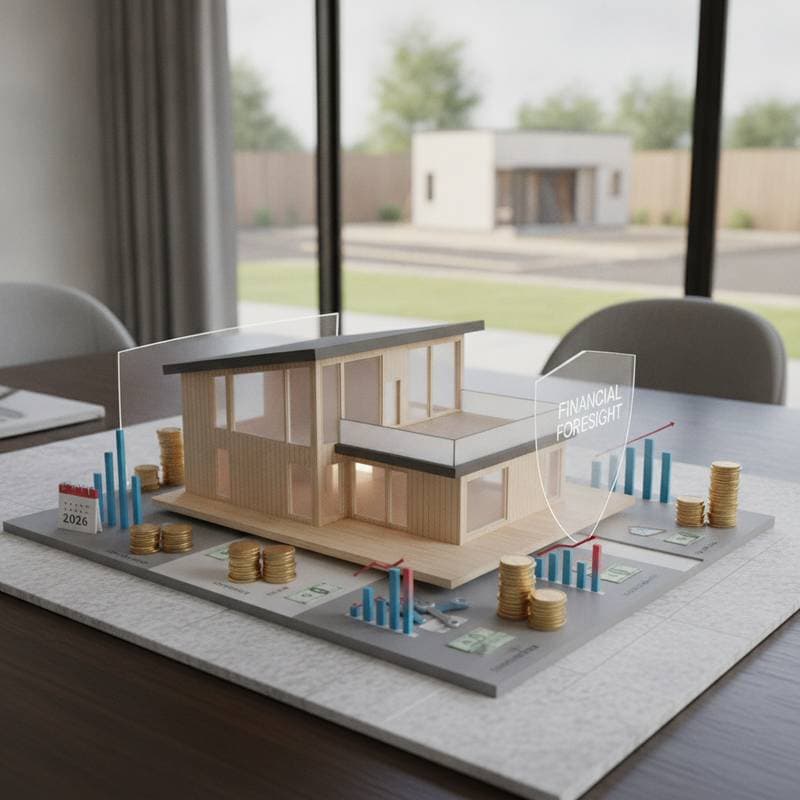
Featured image for Multigenerational Home Layouts: $150K to $420K Costs
2026-06-17 05:33:44
AMS - Home Guides, Cost Guides, Home Warranty

Budget-Friendly Multigenerational Home Layouts for 2026

Summary Box

National average cost: $185 to $275 per square foot
Typical range: $150,000 to $420,000 for a full addition or conversion
Low end and high end: $85,000 for a small suite conversion to $600,000 for a full detached accessory unit
Time to complete: 3 to 10 months depending on scope
DIY or Pro: Mix of both, but major structural, plumbing, and electrical work must be completed by licensed professionals
ROI or resale impact: 60 to 75 percent depending on configuration and local housing demand
Updated: April 2026

Cost Factors

Scope and size determine the largest share of expenses. Adding a compact in-law suite or converting a basement costs less than constructing a detached accessory dwelling unit. Detached units require full foundations, new utility connections, and independent roofing systems.

Material grade and finish influence both upfront costs and long-term value. Mid-range finishes outperform builder-grade options during appraisals. Custom cabinetry, stone counters, and premium flooring increase expenses yet raise daily satisfaction and resale appeal.

Site conditions affect excavation and structural work. Steep lots, narrow yards, or aging foundations raise footing costs. Ground-level conversions remain cheaper than upper-floor additions that demand additional framing support.

Labor availability and project timing also shift pricing. Peak construction seasons produce higher bids. Scheduling during slower periods or combining tasks often secures improved rates.

How To Save Without Regret

Practical substitutions control expenses effectively. Prefabricated bath pods replace custom tiled showers. Stock cabinets paired with laminate counters avoid custom millwork premiums. Luxury vinyl plank flooring delivers hardwood appearance at roughly half the installed cost.

Preparation reduces on-site labor hours. Clear work areas and mark rough-in locations before trades arrive. Accurate dimensions prevent repeated measurements and material waste. Stage supplies so subcontractors begin work immediately upon arrival.

Off-season scheduling and bundled contracts lower mobilization fees. Interior tasks completed during cooler months often receive more competitive pricing. Grouping painting, flooring, and trim under one agreement reduces separate crew visits.

Obtain at least three detailed quotes before selecting a contractor. Require each bid to list quantities, fixture brands, permit fees, disposal charges, written warranties, and milestone-based payment schedules.

Design Features That Keep Costs Down

Shared utilities deliver substantial savings. Extending plumbing and electrical lines from the main residence avoids separate service installations.

Compact kitchenettes fit restricted spaces. Twenty-four-inch appliances, two-burner cooktops, and under-counter refrigerators reduce both footprint and electrical demand.

Universal design elements serve multiple generations without future alterations. Thirty-six-inch doorways, lever handles, and curbless showers accommodate varying mobility needs.

Acoustic insulation installed in walls and ceilings costs approximately $1.25 per square foot yet improves privacy between living areas.

Larger windows and skylights increase perceived openness. Energy-efficient glazing limits heat loss while maintaining comfortable interior temperatures.

Durable surface selections withstand multi-generational use. Vinyl plank flooring, washable paint, and solid-surface counters resist wear from daily activity.

Maintenance and Lifespan

Annual inspections protect the investment. Check caulking, flashing, and site drainage each year. Replace HVAC filters quarterly. Repaint exterior trim every five to seven years to avoid moisture damage.

Early detection prevents larger repairs. Moisture along baseboards indicates drainage problems. Flickering lights or frequent breaker trips suggest overloaded circuits. Floor movement may reveal framing deficiencies.

Address structural or moisture issues immediately. Cosmetic imperfections such as paint marks can wait for scheduled refreshes.

Regional Notes

High-cost coastal markets add 20 to 40 percent to labor and permit expenses. Limited lot sizes often favor basement or garage conversions over detached structures.

Midwest and southern regions benefit from lower land and labor rates. Slab foundations suit areas with minimal frost depth.

Mountain and cold-climate projects require additional insulation and foundation depth. Thicker walls and upgraded glazing meet energy codes in these zones.

Hiring Guide

Follow a structured vetting process. Confirm current licensing and insurance coverage. Request three references from comparable completed projects. Verify prior experience with accessory dwelling units or in-law suites. Examine sample contracts and payment terms. Obtain lien releases with every payment.

Define project scope precisely within the contract. Specify square footage, ceiling heights, and finish levels. Clarify permit responsibility and site cleanup duties.

Use a milestone payment schedule. Release 10 percent after permit approval, 40 percent upon framing and rough-in completion, 40 percent after finishes installation, and the final 10 percent once inspections pass. Withhold the last payment until all punch-list items receive correction.

Planning Your Project

Identify primary users and expected duration of occupancy first. Suites designed for aging parents differ from spaces intended for adult children or rental income. Map daily routines to decide between shared or separate entries.

Collect local design examples that comply with zoning. Engage a residential designer familiar with area regulations to produce scaled drawings. Verify allowable square footage, setbacks, and parking rules prior to permit submission.

A carefully executed multigenerational addition reduces household expenses while supporting family needs. Focus on efficient utility connections, durable materials, and adaptable room configurations to maximize both comfort and future resale value.

You may also like

Image for Solar Panel Maintenance Costs Rising 35% in 2024

Solar Panel Maintenance Costs Rising 35% in 2024

June 16, 2026
Image for Wildfire Retrofit Costs: $10K-$60K to Protect Your Home

Wildfire Retrofit Costs: $10K-$60K to Protect Your Home

June 16, 2026
Image for What Granny Pod Installation Actually Costs

What Granny Pod Installation Actually Costs

June 16, 2026

Tagged:

design,ADU,multigenerational,costs,homes,multigenerational-homes,law,suite,2026,adu-costs-2026

Recent Articles by Nicole Stambaugh

Image for Home Warranty Costs $600-900 vs Insurance $1,200+

Home Warranty Costs $600-900 vs Insurance $1,200+

June 17, 2026
Image for Greywater Systems Cost $4,800 and Cut Water Bills 40%

Greywater Systems Cost $4,800 and Cut Water Bills 40%

June 15, 2026
Image for Solar Roof Costs Average $57K in 2026: Full Breakdown

Solar Roof Costs Average $57K in 2026: Full Breakdown

June 15, 2026

Related: design

Image for Smart Layouts That Let Generations Share One Home

Smart Layouts That Let Generations Share One Home

June 14, 2026
Image for Multigenerational Home Conversions Cost $80K-$300K in 2026

Multigenerational Home Conversions Cost $80K-$300K in 2026

May 28, 2026
Image for Layouts That Help Three Generations Live Together

Layouts That Help Three Generations Live Together

April 26, 2026
Image for Multigenerational Homes: $150-$400 Per Square Foot

Multigenerational Homes: $150-$400 Per Square Foot

March 4, 2026
Image for Zoning Private Suites Within Shared Multigenerational Homes

Zoning Private Suites Within Shared Multigenerational Homes

March 4, 2026

Home Guides

Waterproof Flooring Costs $5-12 Per Square Foot in 2026

Explore current waterproof flooring costs, material comparisons, and installation options. Find clear pricing ranges and proven ways to balance performance, budget, and long-term resilience.

June 15, 2026

Granny Pod Costs and Zoning Rules for 2026

Granny pods are compact backyard homes for relatives or rental income. Expect costs from $90,000 to $280,000, influenced by materials, hookups, and permits. Zoning rules, setbacks, and utility access determine feasibility. Learn how to plan, budget, and navigate regulations before building your own ADU.

June 15, 2026

Smart Layouts That Let Generations Share One Home

Discover how 2026 home designs are redefining multigenerational living with smart, flexible layouts. Learn to balance shared and private zones, integrate accessibility, and adapt spaces as family needs evolve. From ADUs to soundproofing, this guide shows how thoughtful design fosters independence, connection, and long-term value under one roof.

June 14, 2026

Balancing Privacy and Proximity Under One Roof

Multigenerational living in 2026 requires thoughtful layouts that preserve independence while controlling costs. This guide covers zoning considerations, soundproofing methods, accessibility upgrades, and budgeting steps for homes that serve multiple generations effectively.

June 14, 2026

Flood Prevention Upgrades Cut Damage Risk 80 Percent

Flood prevention upgrades can cut damage risk by 80 percent while boosting property value. Costs range from $3,000 for basic systems to $22,000 for premium packages. Discover how professional installation, smart planning, and seasonal timing maximize protection and savings.

June 13, 2026

Flood Proofing Costs: From Hundreds to Tens of Thousands

From simple crack sealing to full home elevation, flood proofing protects against rising water and costly repairs. Costs range from hundreds to tens of thousands, depending on risk and design. Learn when DIY fixes suffice, when professionals are essential, and how smart planning can lower insurance and future damage.

June 13, 2026

Build Flood Resilience That Fits Your Budget

Homeowners facing rising flood risks can combine grading, drainage, and waterproofing into budget-appropriate defenses. This guide outlines realistic costs, scheduling considerations, and maintenance routines that deliver lasting protection.

June 12, 2026

Greywater Systems Cut Water Bills 25-50% in 2026

Greywater systems recycle water from sinks, showers, and laundry for irrigation or toilets, cutting household water use and costs. Prices range from 2000 dollars to 8000 dollars and suit drought-prone or high-rate areas. Proper installation, maintenance, and smart design turn wastewater into savings while boosting sustainability and home value.

June 12, 2026

ADU Conversions Cost $80K-$250K for Multi-Gen Homes

Transform your property into a flexible home for multiple generations. Explore ADU costs, design choices, and practical steps that improve independence and long-term value.

June 8, 2026

2026 Rebates Cut Electric Upgrade Costs in Half

2026 rebates offset costs when replacing gas appliances with electric models. Follow inspection, permitting, and installation steps to qualify for incentives and reduce long term energy use.

June 2, 2026

Flood-Proof Floors: $2-$25 Per Sq Ft Options Compared

Review durable flood-resistant flooring choices from vinyl plank to sealed concrete. See installed costs, timelines, DIY options, and steps to lower expenses while protecting your home.

May 31, 2026

Garage ADU Conversions Average $130K in 2026

Garage conversions into ADUs typically cost between $90,000 and $180,000 and require four to eight months. This guide details every expense category, permit process, and practical steps to control costs while meeting current building standards.

May 29, 2026

Planning a Granny Pod: Costs and Zoning Requirements

A granny pod blends independence with family proximity. Success depends on accurate budgeting, zoning compliance, and careful construction planning. This guide covers costs, permits, insurance, and maintenance to help homeowners create a compliant backyard dwelling.

May 28, 2026

Multigenerational Home Conversions Cost $80K-$300K in 2026

Transforming a single-family home for multigenerational living costs $80,000 to $300,000 depending on size, materials, and complexity. Strategic planning and professional guidance help families create flexible spaces that enhance comfort, independence, and property value.

May 28, 2026

Soundproof Your Home Office Without Expensive Renovations

Reduce noise in a home office through affordable steps that seal gaps, add mass, and isolate equipment. This approach delivers noticeable quiet without structural changes or high costs.

May 27, 2026

Greywater Systems Cut Water Bills Up to 40 Percent

Greywater recycling transforms lightly used household water into a smart resource, trimming bills by up to 40 percent while conserving local supplies. With proper design, maintenance, and code compliance, homeowners can reuse water safely for irrigation or toilets.

May 24, 2026

Home Battery Storage Costs $8K-$20K in 2026

Home battery storage offers energy independence and backup reliability. Costs range from 8000 to 20000 dollars depending on capacity and installation. Reductions in grid use up to 60 percent are possible with proper sizing and solar integration.

May 23, 2026

New Insurance Rules Make Basement Flood Systems Mandatory

Starting in 2026, homeowners with basements must install approved flood protection systems to retain insurance coverage. Requirements include verified sump pumps, backwater valves, and waterproofing measures.

May 22, 2026

Flood Risk Assessment Costs $500 But Saves Thousands

Rising flood risks demand proactive planning, smart investments, and consistent maintenance. From grading and sump pumps to landscaping and insurance, every preventive measure strengthens your home resilience and financial security. Learn how to assess risk, manage costs, and build long-term protection that keeps your property safe and its value intact.

May 21, 2026

What Homeowners Should Know About Going All-Electric

Switching from gas to electric appliances can cut emissions, improve air quality, and simplify home maintenance. This guide explains project scope, costs, and timelines, detailing when to hire professionals, required upgrades, and safety codes.

May 18, 2026

Categories

Appliance & System Coverage
Cost Guides
Home Guides
Home Warranty Basics
Outdoor & Exterior Guides
Remodeling Cost Comparisons
Room-by-Room Guides