How Much Does Smart Flood Proofing Cost in 2026?
Smart flood proofing combines sensors, automated barriers, and structural upgrades to limit water damage. Professional installations range from $8,500 to $38,000, with most homeowners investing about $19,600 for a complete mid-tier system. Costs depend on home size, local flood risk, and the level of technology selected.
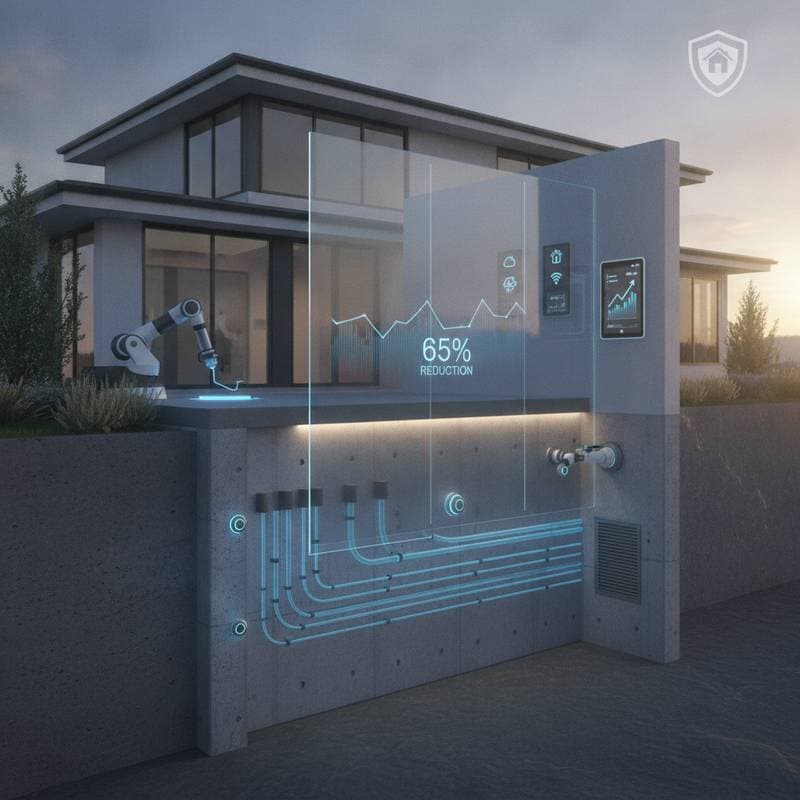
Three primary variables shape the final price: square footage and elevation, chosen technology tier, and regional compliance rules. Properties near coasts or rivers often incur extra expenses for permits and elevated standards. Effective upgrades cut water damage claims by up to 65 percent while raising resilience scores and supporting lower insurance rates.
Cost Ranges by Project Scale
National pricing shows clear percentiles. The lowest 25 percent of projects total around $12,000. Median work lands at $19,600. The top 25 percent reach $30,000 when premium components enter the scope. Small service calls for sealing or sensors alone begin near $3,000.
Square Footage Impact
Basic coverage runs $7 to $12 per square foot. Each added 100 square feet increases the budget by $700 to $1,200. A 1,500-square-foot home typically falls between $10,500 and $18,000. Larger homes with basements require roughly 25 percent more investment than slab foundations.
System Tiers and Features
Entry-level packages use coatings and manual panels for $8,500 to $12,000 and last 10 to 15 years. Mid-range options add sensor-linked pumps and app alerts for $16,000 to $22,000. Premium packages incorporate AI prediction, backup power, and full-home connectivity for $28,000 to $38,000.
Package Options
Standard packages cover structural sealing, smart sensors, automated sump pumps, and one monitoring app. Completion takes three to five days and costs $12,000 to $18,000. These suit moderate-risk zones.
Comprehensive packages add door barriers, wall membranes, AI weather integration, and remote support. Prices start at $25,000. The added investment often recovers within six to eight years through avoided repairs and premium discounts.
Useful Add-Ons
- Foundation drainage upgrades: $2,000 to $4,500
- Gutter overflow sensors: $600 to $1,200
- Site grading: $1,500 to $3,000
- Annual calibration: $250 to $400
Bundling several items reduces total cost by 10 to 15 percent.
Professional Work Versus DIY
DIY kits for sealants, portable barriers, and basic sensors total $2,500 to $4,500. Installation requires 20 to 30 hours and yields 60 to 70 percent effectiveness. Professional crews reach 95 percent prevention rates, supply commercial materials, and guarantee workmanship.
Homeowners in mapped flood zones or with basements gain the clearest advantage from certified installation. The break-even point arrives after one major event when avoided losses exceed $25,000.
Ways to Control Expenses
Schedule work during slower months to secure 10 to 20 percent lower rates. Obtain three itemized bids and compare line items to negotiate 8 to 12 percent savings. Source membranes and sensors directly from manufacturers during clearance periods for up to 15 percent off.
Prepare the site by clearing access routes and marking drains ahead of arrival. These steps trim labor costs by $300 to $700.
Regional and Market Factors
Coastal cities carry 18 to 25 percent premiums due to water tables and code demands. Inland and rural areas post lower labor rates yet longer lead times. Resin and sensor prices fluctuate 5 to 10 percent with supply conditions, so monitoring contractor platforms helps time purchases.
Related Upgrades
Foundation waterproofing costs $6,000 to $14,000 and pairs well with flood systems. Smart drainage runs $3,500 to $7,500. Gutter reconfiguration adds $2,000 to $5,000. Combined projects save up to 10 percent overall.
Next Steps for Homeowners
Review local flood maps, collect multiple bids, and select the tier that matches risk level. Consistent maintenance and monitoring then protect both property value and household safety over the long term.