Multigenerational Home Construction Costs: A Practical Pricing Guide
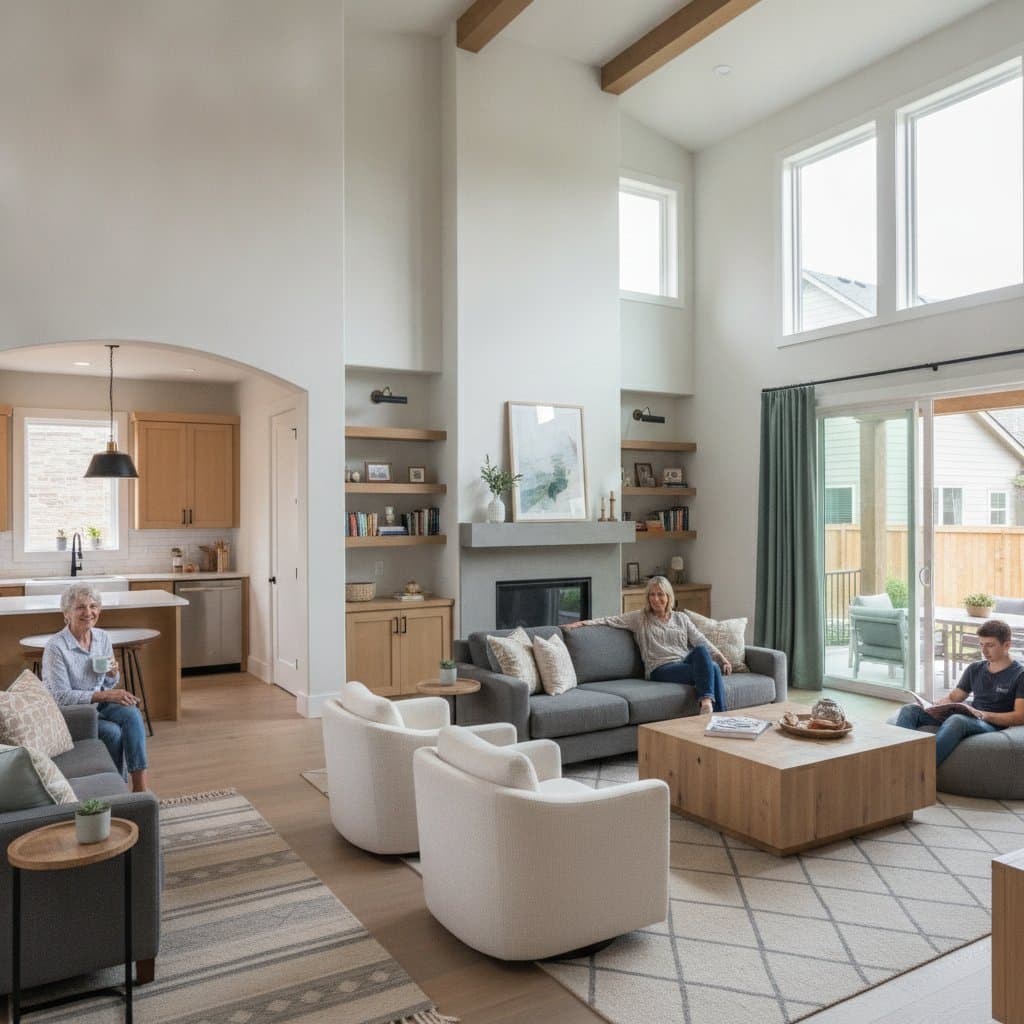
Multigenerational homes provide connected living spaces that allow families to stay together while preserving independence. Construction or conversion projects for these residences typically range from $150,000 to $450,000. Most homeowners invest around $285,000 to create layouts with both shared and private areas.
Costs depend on square footage, material choices, and whether the project involves new construction or an addition. Regional labor rates and local regulations further influence the final budget. Thoughtful design increases property value and supports long-term family needs.
Cost Ranges by Project Type
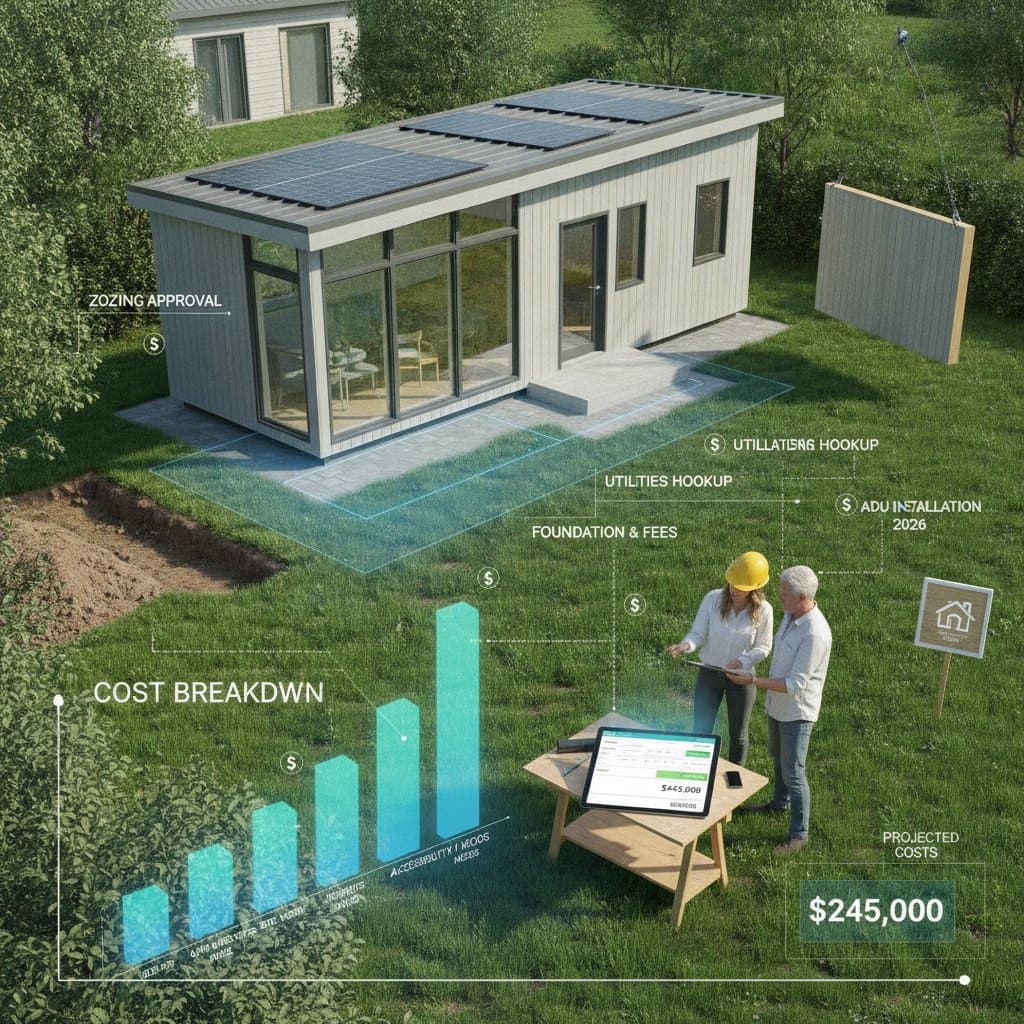
New construction generally runs $150 to $400 per square foot. Conversions or additions cost $100 to $300 per square foot. Smaller projects start near $60,000, while the national average reaches $285,000. Projects at the 25th percentile average $180,000. The 50th percentile sits at $285,000. The 75th percentile reaches $395,000.
A self-contained 500-square-foot suite ranges from $75,000 to $150,000. Each additional 100 square feet adds $15,000 to $30,000. Full dual-living layouts of 1,000 to 1,500 square feet total $200,000 to $400,000.
Material Quality Levels
Entry-level finishes use standard drywall, vinyl flooring, and stock cabinetry at about $150 per square foot. These surfaces last 10 to 15 years before replacement. Mid-range selections such as engineered wood floors and quartz counters raise costs to $220 to $280 per square foot. Premium options with high-end appliances, superior insulation, and smart controls reach $350 to $400 per square foot and can lower maintenance expenses by 20 percent.
Factors That Increase Complexity
Sloped lots or required structural work add 15 to 30 percent to the budget. Separate utility connections and parking for accessory dwelling units add $10,000 to $25,000. Urban labor rates run up to 20 percent higher than rural rates because of demand and permit timelines.
Service Packages
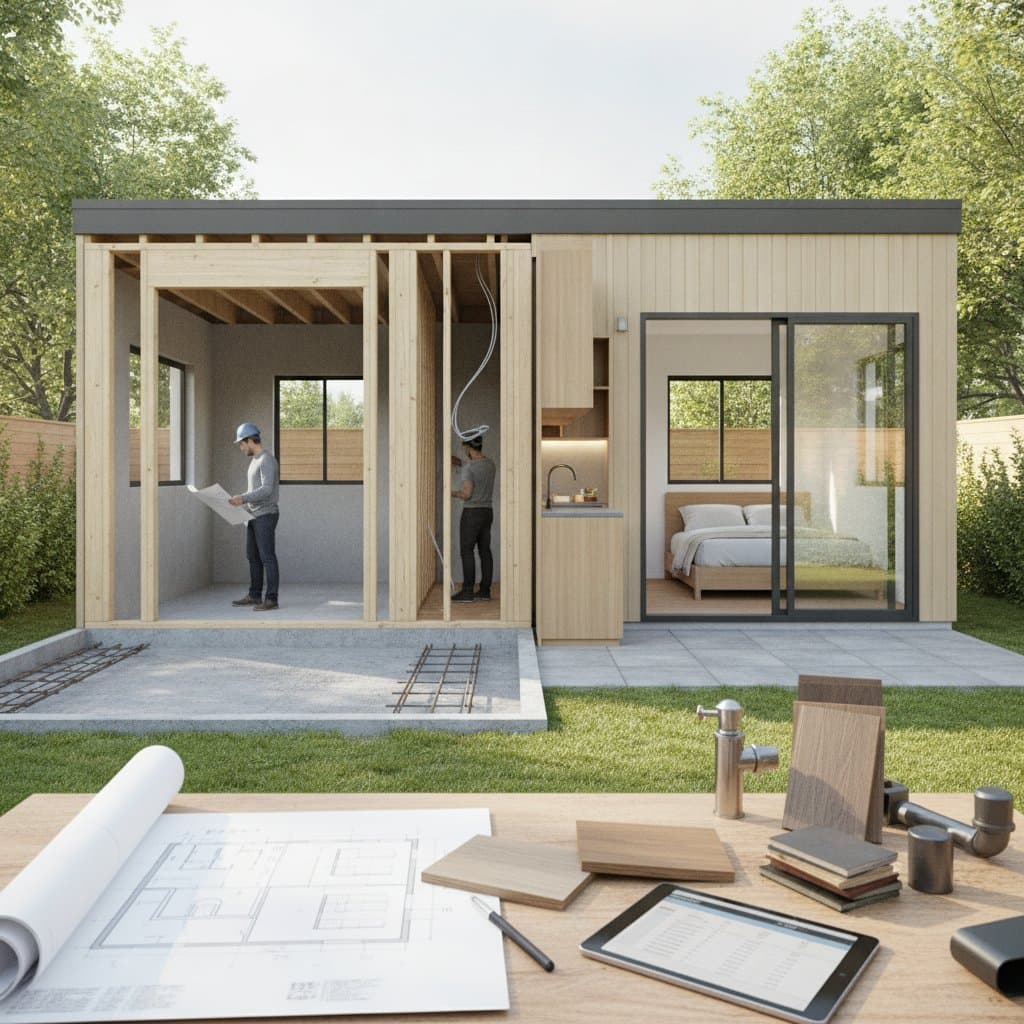
A standard conversion package covers design planning, framing, a basic kitchenette, one bathroom, and shared utilities. These projects finish in 8 to 12 weeks and cost $150,000 to $250,000. A premium package adds separate entrances, independent HVAC systems, soundproofing, aging-in-place features, and energy upgrades. This option costs $300,000 to $450,000.
Add-On Options and Bundling Savings
- Soundproof insulation: $3,000 to $6,000 (10 percent savings when bundled)
- Universal design upgrades: $4,000 to $12,000 (8 percent savings when bundled)
- Secondary laundry area: $2,500 to $5,000 (6 percent savings when bundled)
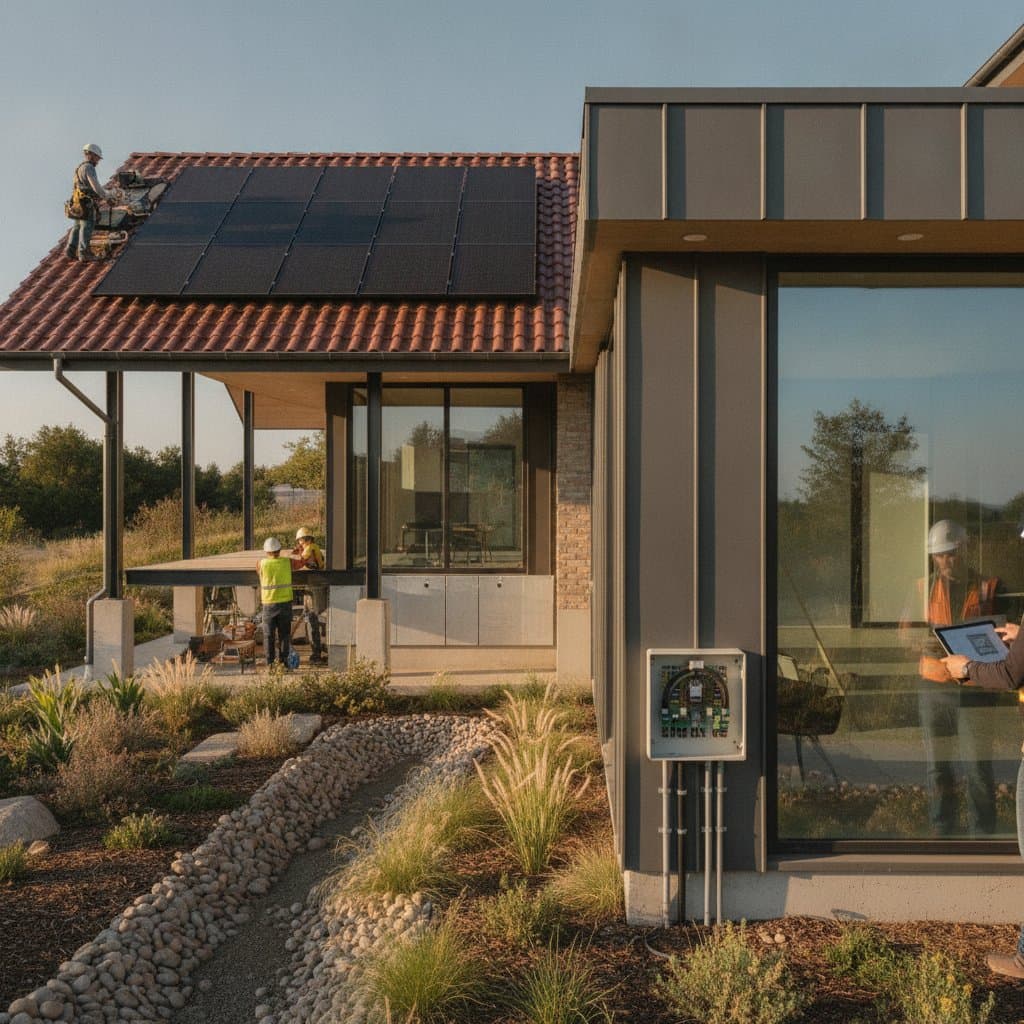
- Solar integration: $12,000 to $18,000 (5 percent savings when bundled)
Professional versus Partial DIY Approaches
Partial DIY work on finishes can keep material costs between $8,000 and $15,000, plus $1,000 to $2,000 for tool rentals. Specialized trades still require licensed contractors. Total DIY expenses, including rework, often reach $40,000 to $70,000 over 300 to 500 hours of labor.
Professional teams complete projects 25 percent faster, encounter 40 percent fewer inspection issues, and access bulk discounts of 5 to 10 percent. These efficiencies produce stronger long-term value and fewer repairs.
Strategies to Control Expenses
Schedule work during slower seasons to reduce labor costs by 10 to 15 percent. Obtain three written bids and pay in milestone stages. Source finishes directly from wholesalers to save 5 to 12 percent. Complete demolition and utility relocation before contractors arrive.
Regional and Market Influences
Coastal cities carry 20 to 35 percent premiums due to permitting and labor demand. Recent stabilization in lumber and insulation prices improves timing for new projects. Strong rental demand for secondary suites allows owners to recover up to 60 percent of costs within ten years.
Planning for Long-Term Returns
Early coordination with designers and contractors prevents scope changes. Clear priorities and realistic budgets produce homes that support multiple generations while adding lasting market value.