Smart Layouts for Multigenerational Homes: Balancing Privacy and Connection Across Generations
Multigenerational living brings families closer while optimizing shared resources, but it demands careful space planning. Key challenges include maintaining individual privacy, ensuring accessibility for all ages, and fostering communal areas for interaction. Effective layouts address these by incorporating flexible zones that support independence alongside connection. This guide details proven design approaches, essential features to include, and strategies for managing costs and long-term value.
Proven Layout Options for Multigenerational Living
Selecting the right layout depends on your property size, budget, and family dynamics. Common configurations range from simple internal modifications to standalone structures. Each option prioritizes separate living quarters while integrating shared spaces like kitchens or gathering areas.
In-Law Suite or Attached Addition
An in-law suite integrates a private bedroom, bathroom, and small kitchenette within the existing home, often in a basement, attic, or ground-floor extension. This setup suits families needing moderate separation without major construction. Design features include a separate entrance to preserve privacy and wide doorways for wheelchair access. Expect to allocate 400 to 600 square feet, focusing on soundproofing walls and zoned heating to avoid disruptions.
Full Wing or Duplex-Style Division
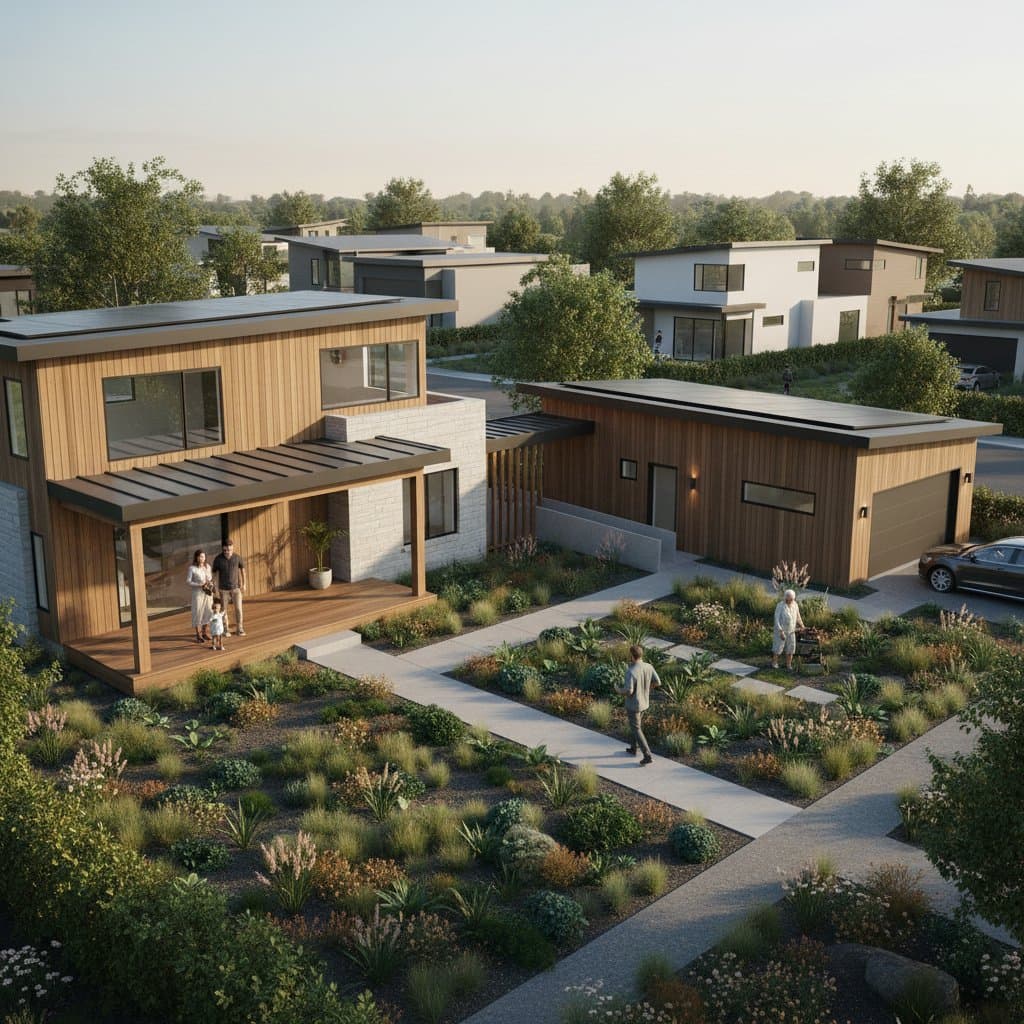
Divide the home into two distinct units connected by a shared hallway or mudroom. One side accommodates younger family members with open living areas, while the other provides a self-contained space for elders, complete with its own laundry and storage. This layout works well in larger homes over 2,000 square feet. Incorporate universal design elements, such as lever handles and non-slip flooring, to enhance usability across generations.
Detached Accessory Dwelling Unit (ADU)
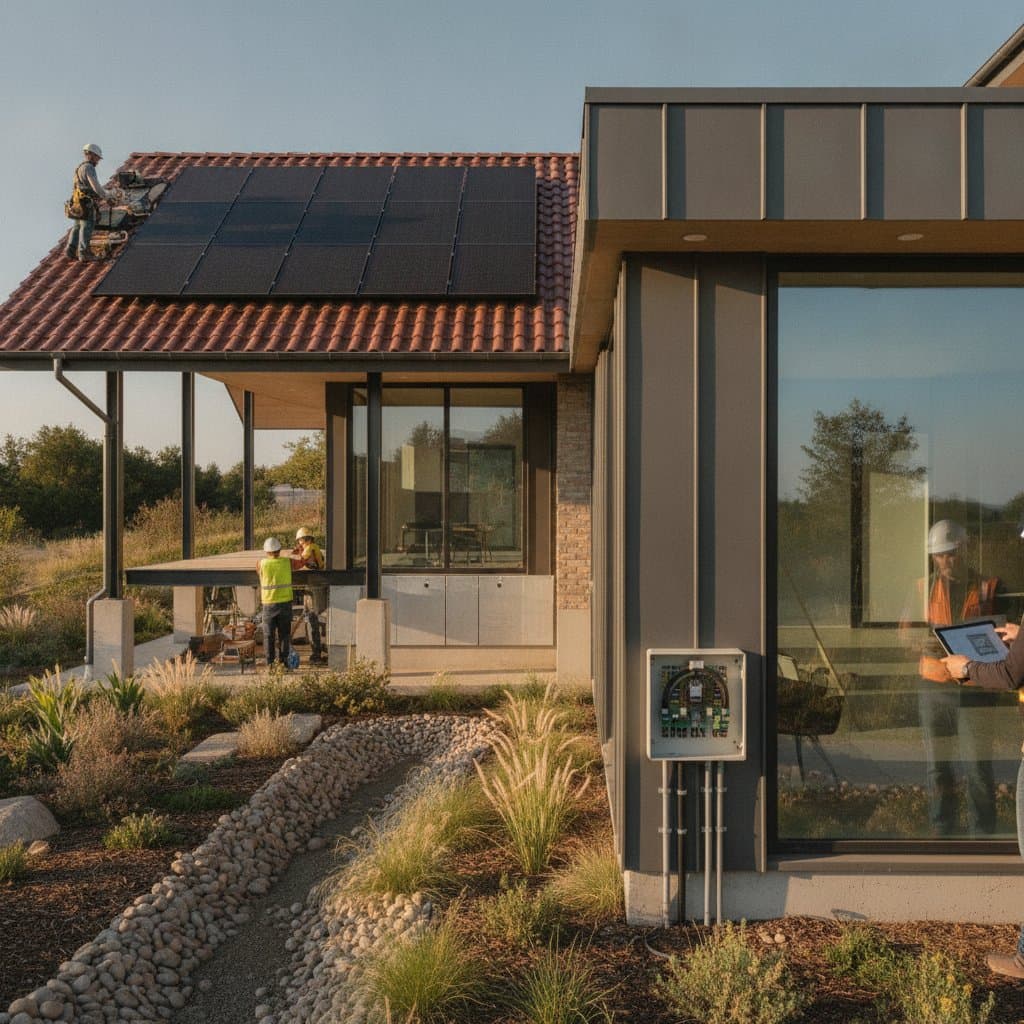
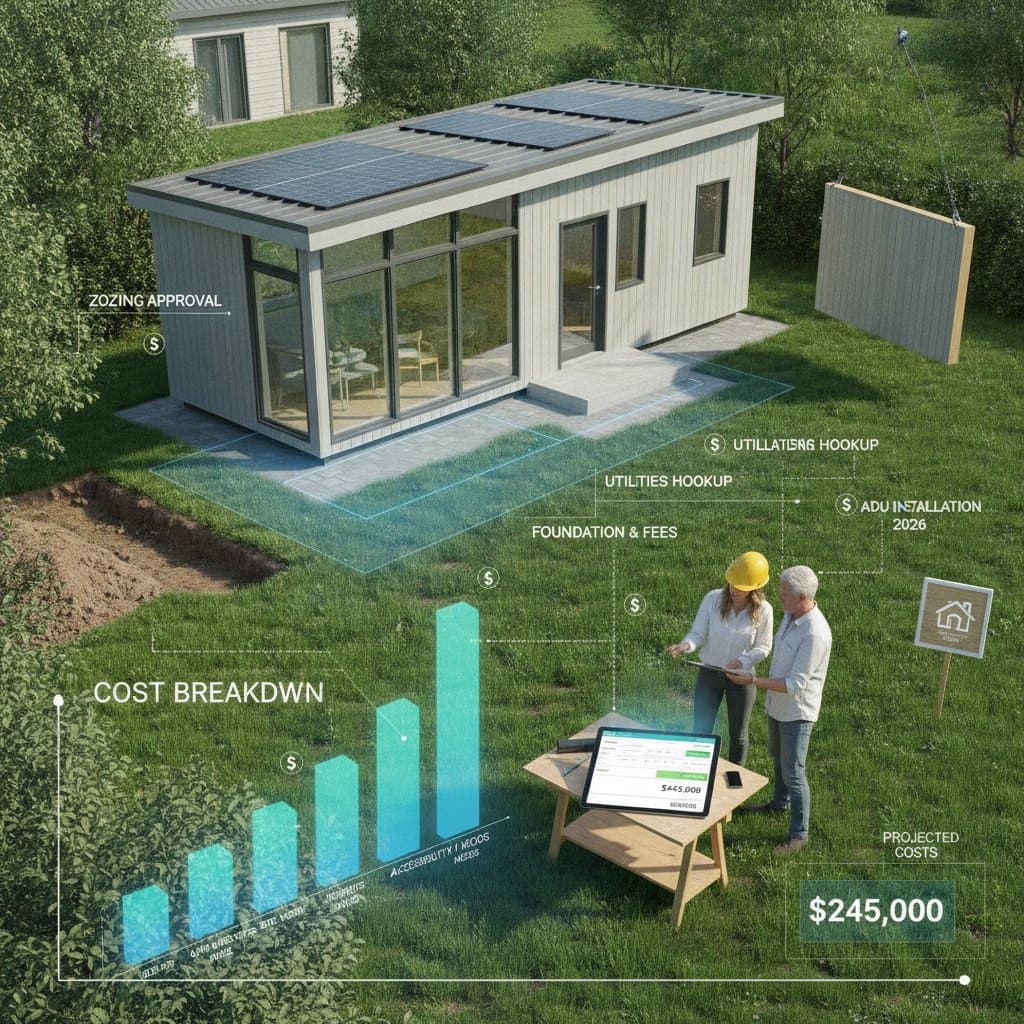
Build a separate structure, like a backyard cottage, offering complete independence with full kitchen, bath, and living facilities. Ideal for properties with ample yard space, this option minimizes daily interactions while keeping family nearby. Size it at 500 to 800 square feet, and include energy-efficient features like solar panels to reduce utility costs. Local zoning laws often permit ADUs, but verify setback requirements early.
Converted Outbuilding or Garage Apartment
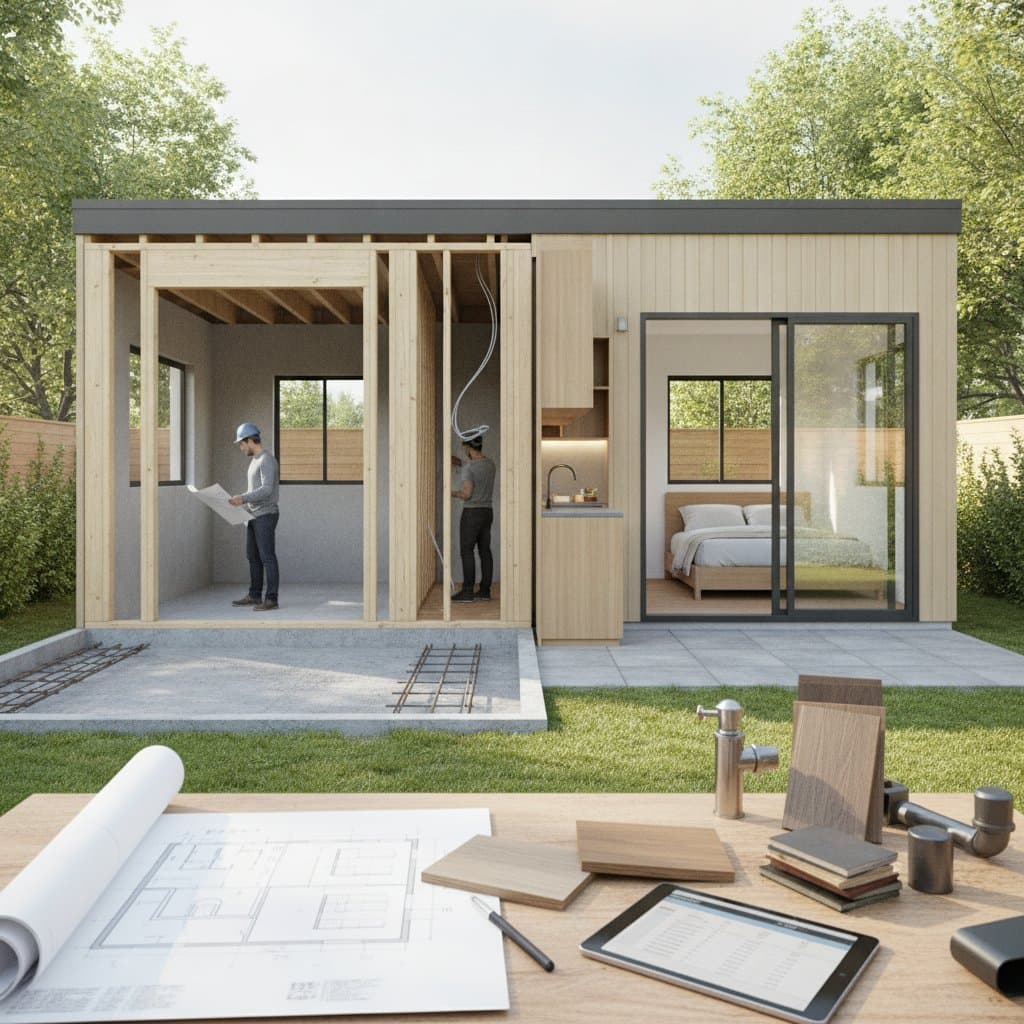
Transform an existing garage or shed into a livable space by adding insulation, plumbing, and finishes. This cost-effective choice reuses structures while providing separation. Strengthen the foundation if needed, and add natural light through skylights or large windows. Limit this to 300 to 500 square feet to keep expenses down, emphasizing durable materials for high-traffic areas.
Cost Breakdown and Budgeting Essentials
Budgeting for a multigenerational remodel involves evaluating scope, materials, and site specifics. National averages range from $240,000 to $420,000 for comprehensive projects, with variations based on location and complexity.
Key Cost Influences
- Project Scale: Internal conversions cost $180 to $300 per square foot, while new additions or ADUs run $250 to $400 per square foot. Basements offer the lowest entry at $90,000 for basic setups.
- Finishes and Materials: Opt for mid-range options like quartz surfaces and vinyl flooring, adding $20,000 to $50,000 but ensuring longevity under family use.
- Site Challenges: Upgrades to electrical or foundations in older homes can increase totals by 20 percent; sloped terrain adds excavation fees.
- Labor and Timing: In high-demand areas, labor accounts for 40 to 50 percent of costs. Off-season starts may lower bids by 5 to 10 percent.
- Customization: Features like smart home tech or custom cabinetry tack on 15 percent or more.
High-end custom builds reach $800,000, but targeted remodels yield strong returns, recouping 50 to 70 percent upon resale in markets favoring multigenerational homes.
Summary of Project Costs and Timelines
| Aspect | Details |
|---|---|
| National Average Cost | $240,000 to $420,000 for full remodel or addition |
| Typical Range | $180,000 to $550,000 |
| Low to High End | $90,000 (partial conversion) to $800,000 (custom build) |
| Completion Time | 4 to 12 months, based on scope |
| DIY Potential | Partial for finishes; professionals required for core work |
| Resale ROI | 50 to 70 percent, influenced by design and local trends |
| Last Updated | March 2023 |
Hands-On vs. Professional Involvement
Balance DIY efforts with expert input to control costs and ensure safety. Focus amateur tasks on non-structural elements.
Suitable DIY Tasks
- Install paint, trim, and resilient flooring like luxury vinyl.
- Assemble stock cabinetry and install hardware.
- Replace lighting fixtures and add accessible outdoor paths.
- Handle basic landscaping to connect living areas.
Essential Professional Services
- Frame structures and modify load-bearing walls.
- Install or upgrade electrical systems and panels.
- Run plumbing lines for new kitchens and bathrooms.
- Zone HVAC for independent climate control.
- Perform foundation work or site grading.
Always secure permits for electrical, plumbing, and structural changes. Non-compliance risks insurance invalidation and safety issues. Consult local codes and consider warranties that mandate licensed contractors.
Project Timeline and Coordination
Efficient scheduling minimizes disruptions and controls expenses. Factor in material delays and inspection milestones.
Lead Times for Materials
- Cabinetry and millwork: 6 to 10 weeks.
- Windows, doors, and framing: 4 to 8 weeks.
- Appliances and fixtures: 2 to 6 weeks.
- Custom elements like tile: Up to 10 weeks.
On-Site Construction Phases
- Small conversions: 40 to 60 days.
- Major additions or ADUs: 90 to 180 days.
Critical Inspection Stages
- Foundation and initial framing.
- Rough-ins for plumbing and electrical.
- Insulation, drywall, and mechanical systems.
- Final walkthrough and occupancy approval.
Maintain momentum with weekly contractor meetings and a detailed calendar. Buffer for weather or supply issues to avoid overruns.
Ongoing Maintenance for Longevity
A well-maintained multigenerational home extends its usability and preserves value. Establish routines tailored to shared occupancy.
Recommended Upkeep Practices
- Inspect and replace HVAC filters monthly to maintain air quality.
- Annually flush drains, water heaters, and pipes to avoid clogs.
- Regularly lubricate hinges and tracks on doors and windows for smooth operation, especially for mobility-limited users.
Frequent Problem Areas
- Basement moisture from poor sealing leads to mold.
- Seals on exterior doors wear out, allowing drafts.
- Circuits overload in homes with multiple kitchens.
Address minor issues promptly: Seal cracks to prevent water damage, and upgrade wiring if circuits trip often. For secondary spaces, select appliances with easy-to-repair components, as irregular use accelerates wear. Professional inspections every two years catch hidden problems early.
Steps to Plan and Execute Your Design
Start by assessing family needs through discussions on privacy levels and accessibility requirements. Consult an architect to sketch options fitting your lot and budget. Secure financing, such as home equity loans, and obtain zoning approvals before breaking ground. During construction, prioritize communication to adapt to changes without inflating costs. The result is a home that nurtures family bonds, adapts to life stages, and enhances property appeal for years ahead.