AMS Home Guides Logo
Home
Remodeling Cost ComparisonsAbout
AMS Home Guides Logo

Your comprehensive resource for home guides, cost guides, and home warranty information.

HomeAboutAll ArticlesSearchPrivacyTerms

© 2026 AMS Home Guides. All rights reserved.

  1. Home
  2. /
  3. Home Guides
  4. /
  5. Flood Resilience Upgrades That Protect Your Investment
Home Guides

Flood Resilience Upgrades That Protect Your Investment

bySusan Weiland
2026-07-01 03:12:25July 1, 2026
3 min read
Featured image for Flood Resilience Upgrades That Protect Your Investment
2026-07-01 03:12:25
AMS - Home Guides, Cost Guides, Home Warranty

Future-Proof Your Home With 2026 Flood Resilience Upgrades

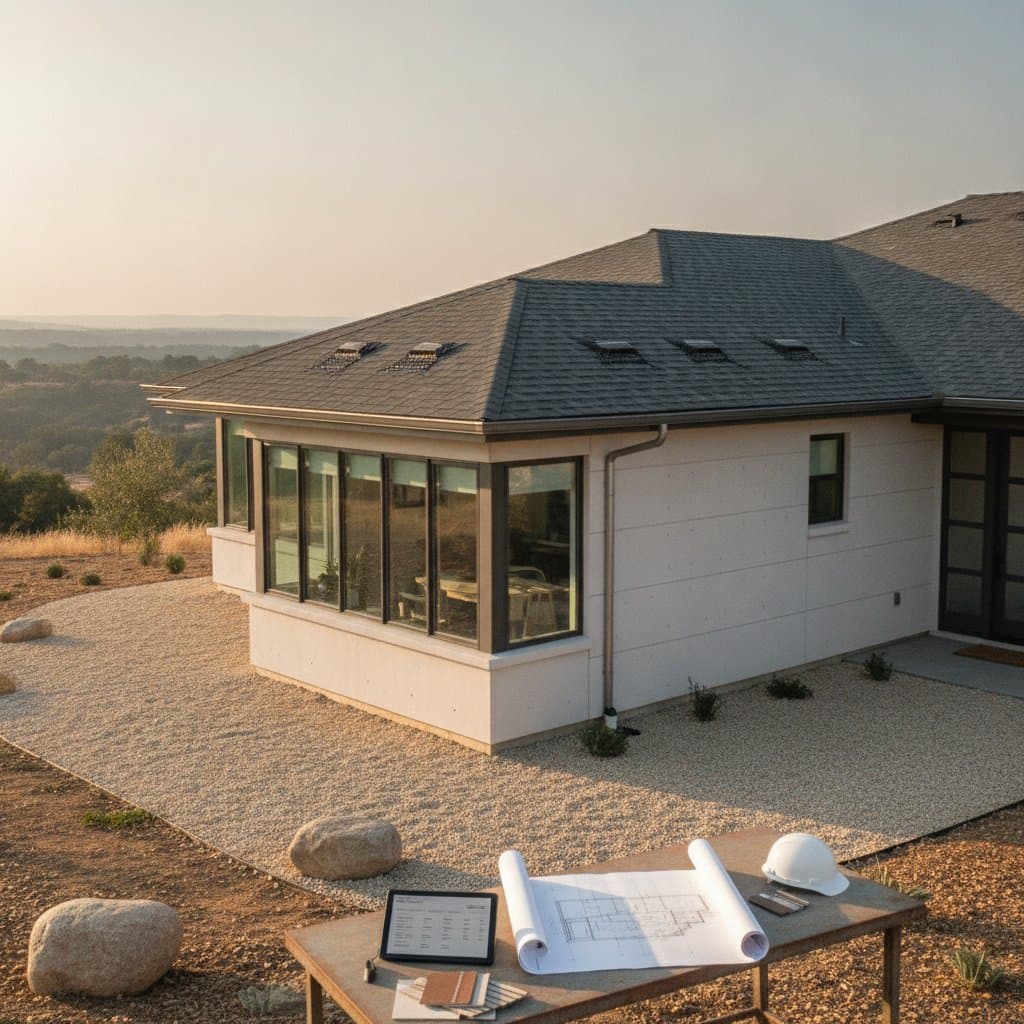
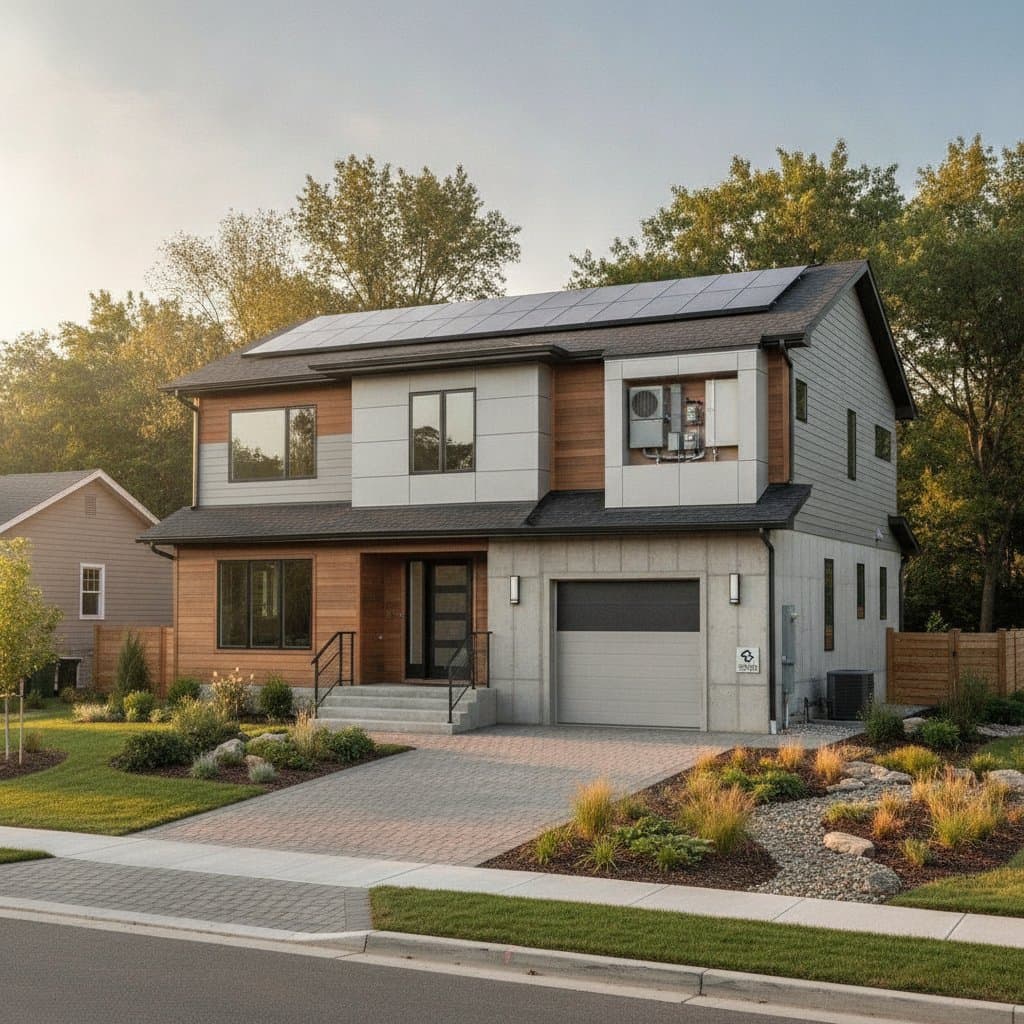
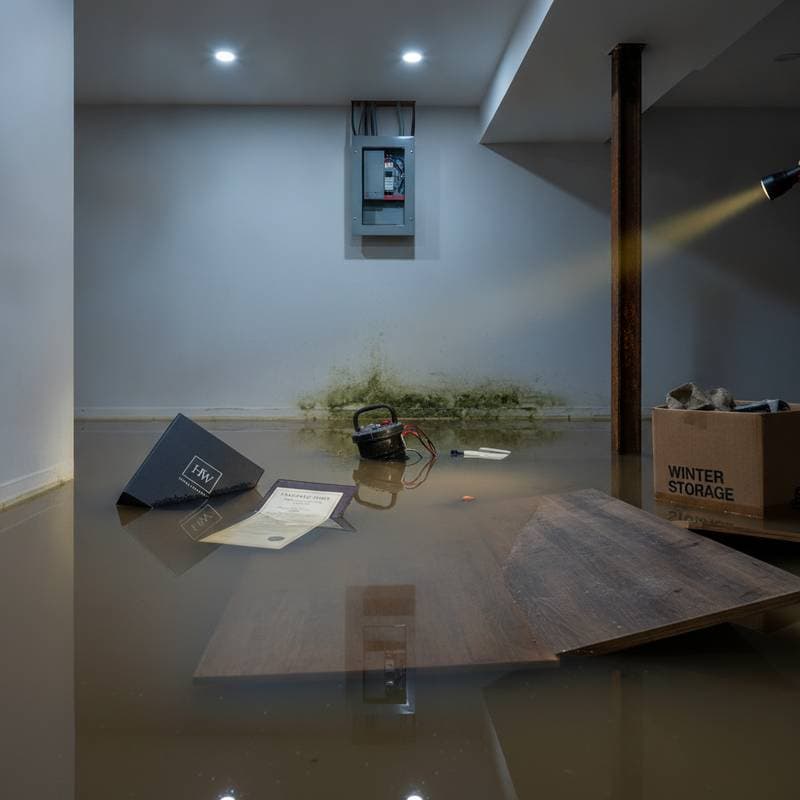
Flooding reaches places it never did before. Homeowners face damage, higher insurance premiums, and extended recovery times. Building or retrofitting for flood resilience protects both safety and investment. The goal centers on reduced damage, faster recovery, and maintained essential systems during storms.

Flood resilience upgrades include elevating utilities, sealing foundations, improving drainage, and selecting water-resistant materials. Costs range from a few hundred dollars for targeted fixes to several thousand dollars for comprehensive retrofits.

Common Flood Resilience Options

Flood resilience upgrades fall into three main categories: dry floodproofing, wet floodproofing, and elevation. Each option carries distinct trade-offs in cost, appearance, and performance.

Method Description Pros Cons
Dry Floodproofing Sealing walls, doors, and openings to keep water out Protects interior finishes and suits masonry walls Requires precise installation and proves less suitable for wood-frame homes
Wet Floodproofing Allowing controlled water entry while using damage-resistant materials Lowers cost and simplifies work on existing homes Accepts cleanup and drying time
Elevation Raising the structure, utilities, or key areas above flood level Delivers the most effective protection and can reduce insurance costs Involves high upfront cost and may alter access or aesthetics

Select dry floodproofing when the foundation remains sound and watertight. Choose wet floodproofing for basements or crawl spaces that regularly accumulate water. Elevation provides the strongest long-term security in high-risk zones.

Timeline and Order of Operations

Floodproofing work can proceed in stages to manage cost and disruption.

  1. Assess risk and obtain elevation data. Local governments or insurance agents often supply this information.
  2. Seal and divert water first. Correct grading, gutters, and downspouts before interior modifications.
  3. Protect utilities. Elevate electrical panels, furnaces, and water heaters.
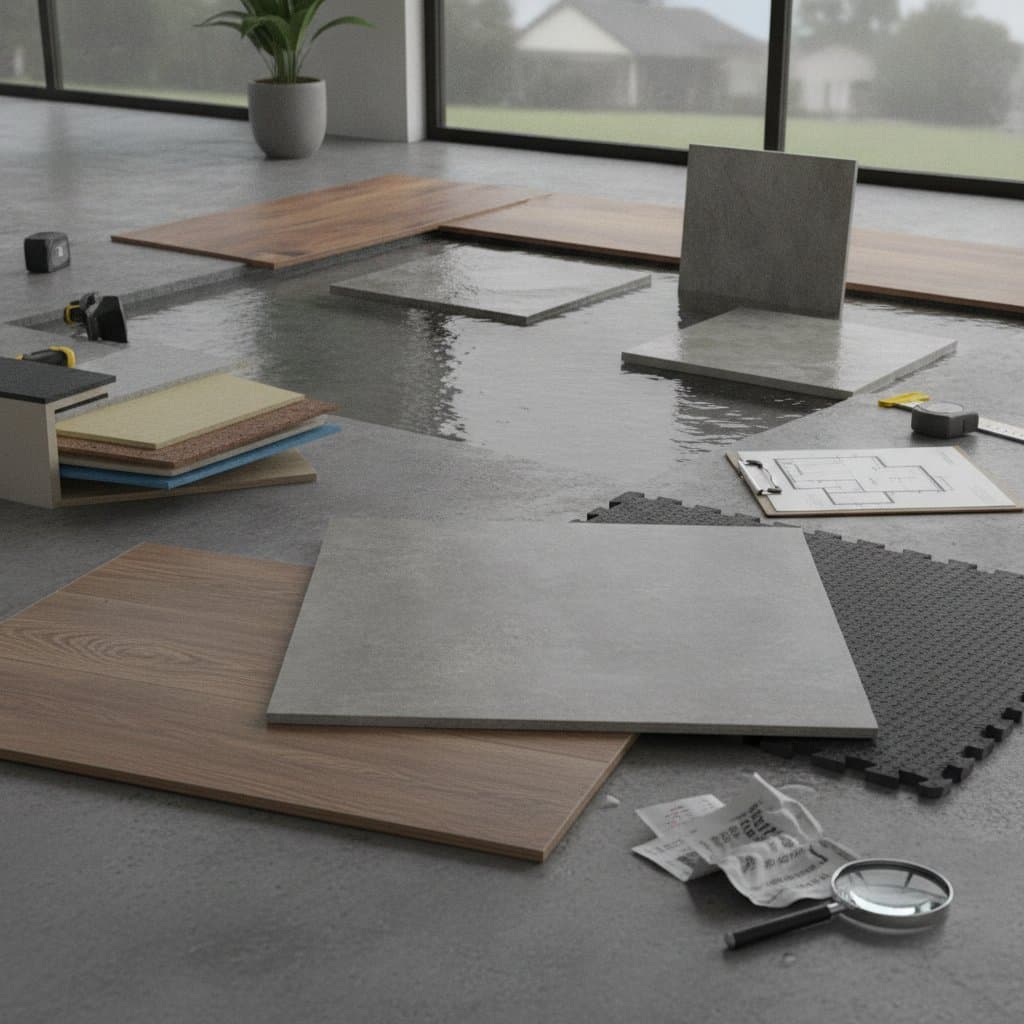
  4. Upgrade materials. Replace lower drywall with cement board or closed-cell foam insulation.
  5. Add passive openings. Install flood vents or backflow preventers for pressure relief.
  6. Finish with monitoring. Add water alarms or sump sensors for early detection.

Minor drainage and sealing tasks may require only a weekend. Larger retrofits typically span several weeks when foundation or utility adjustments arise.

Materials and Tools Checklist

Common materials include hydraulic cement, waterproof masonry coatings, closed-cell spray foam, rigid insulation, flood vents, backflow preventers, PVC piping, flexible couplings, sump pumps, cement board, tile, and marine-grade plywood.

Basic tools include a caulking gun, masonry trowel, drill, level, shovel, soil tamper, utility knife, saw, and safety gear. A submersible pump or wet vacuum supports cleanup.

Purchase extra sealant and store it in a cool, dry location for future crack repairs.

Regional and Climate Considerations

Flood resilience requirements vary by region. Coastal areas emphasize corrosion-resistant materials, raised utilities, and breakaway walls. River valleys prioritize backflow prevention and sump systems to handle rapid water rise. Urban neighborhoods benefit from rain gardens, permeable pavers, and proper storm drain connections. Cold regions require pumps and vents that remain functional in freezing conditions.

Local soil type influences drainage strategy. Clay retains water while sandy soils drain quickly yet erode easily. Adjust grading and plantings to match soil conditions.

Determining Upgrade Needs

Review local flood maps, consult neighbors, and examine past drainage patterns. Any prior water contact with the foundation signals the value of upgrades. Many insurers provide discounts for certified flood vents, elevated utilities, or verified elevation certificates.

Budget-Conscious Starting Point

Exterior drainage and sealing deliver strong protection per dollar spent. Diverting water away from the foundation forms the most efficient initial investment.
You may also like

Image for Flood Proofing Your Home Costs $28,800 in 2026

Flood Proofing Your Home Costs $28,800 in 2026

June 30, 2026
Image for Home Warranties Fill the Water Damage Coverage Gap

Home Warranties Fill the Water Damage Coverage Gap

June 30, 2026
Image for Modular Homes Cost $140-$320 Per Square Foot in 2026

Modular Homes Cost $140-$320 Per Square Foot in 2026

June 29, 2026

Tagged:

home,climate,climate resilience,protection,flood proofing,flood,proofing,resilience,2026,home-protection-2026

Recent Articles by Susan Weiland

Image for Home Warranties Fill the Water Damage Coverage Gap

Home Warranties Fill the Water Damage Coverage Gap

June 30, 2026
Image for Granny Pod Costs: $90K-$250K for 2026 Installs

Granny Pod Costs: $90K-$250K for 2026 Installs

June 29, 2026

Related: home

Image for Flood Proofing Your Home Costs $28,800 in 2026

Flood Proofing Your Home Costs $28,800 in 2026

June 30, 2026
Image for Home Warranties Fill the Water Damage Coverage Gap

Home Warranties Fill the Water Damage Coverage Gap

June 30, 2026
Image for Modular Homes Cost $140-$320 Per Square Foot in 2026

Modular Homes Cost $140-$320 Per Square Foot in 2026

June 29, 2026
Image for Multigenerational Renovations Cost $80K-$250K in 2024

Multigenerational Renovations Cost $80K-$250K in 2024

June 28, 2026
Image for Hidden Costs That Turn Cheap Warranties Expensive

Hidden Costs That Turn Cheap Warranties Expensive

June 28, 2026

Home Guides

ADU Garage Conversions Cost $90K–$180K in 2026

Transforming a garage into an ADU creates flexible multigenerational living space without expanding the home footprint. Expect costs from $90,000 to $180,000, timelines of 12 to 20 weeks, and strict code compliance. Smart design and professional guidance add lasting comfort and value.

June 30, 2026

Multigenerational Home Conversions Cost $60K-$250K in 2026

Multigenerational home conversions cost $60,000 to $250,000, with most projects averaging $145,000. Discover how scope, materials, and location affect pricing while strategic planning improves comfort and long-term returns.

June 30, 2026

Multigenerational Homes Cost $150K-$450K to Build

Multigenerational homes cost $150,000 to $450,000 to build or convert. Explore detailed pricing, material options, and planning steps that support family living and long-term value.

June 29, 2026

Multigenerational Renovations Cost $80K-$250K in 2024

Multigenerational renovations balance comfort, privacy, and future adaptability, typically costing $80,000 to $250,000. Smart layouts, material choices, and professional planning can boost property value substantially. Learn how size, design complexity, and finish tiers shape budgets along with cost saving strategies that maximize return on investment and long term livability.

June 28, 2026

Flood Proofing Cuts Damage Risk 80% for $22,500

Flood proofing upgrades in 2026 cost 5000 to 48000 dollars and deliver strong protection, insurance savings, and higher property value. Costs depend on home size, materials, and location. Professional installation ensures compliance and durability.

June 26, 2026

Home Battery Backup Beats Generators in 2026

Home battery backup systems offer quiet, fuel free power during outages and can pair with solar for savings. Expect costs between $8,000 and $18,000 installed. Lithium batteries, professional setup, and annual maintenance ensure reliability. Ideal for frequent outages, these systems deliver energy security, lower bills, and long term peace of mind.

June 25, 2026

Flood-Resistant Flooring Cuts Repair Costs 70%

Discover how flood-resistant flooring can safeguard your home and budget. This guide breaks down material options, installation costs, DIY versus professional value, and cost-saving strategies. Learn why investing $4 to $14 per square foot today can cut future flood repair expenses by up to 70 percent while boosting property value.

June 25, 2026

Garage ADU Conversion Runs $80K to $175K in 2026

Transforming a garage into an ADU in 2026 costs $80,000 to $175,000 on average, with permits, design, and skilled labor driving expenses. Learn how size, materials, and site conditions affect pricing, what permits you will need, and smart ways to save without cutting corners plus expert tips for hiring, scheduling, and maximizing ROI.

June 25, 2026

Flood-Proofing Your Home: $3K to $25K in 2026

Strengthen your home against rising water with targeted 2026 upgrades. Review sump pumps, French drains, grading, and waterproofing options along with cost ranges, DIY tasks, and professional requirements. Balance protection, budget, and long term value through careful planning and maintenance.

June 24, 2026

Greywater Systems Cut Home Water Use by 40 Percent

Greywater systems capture water from sinks, showers, and laundry for garden irrigation and toilet flushing. This guide covers system options, costs, installation, safety requirements, and upkeep to help homeowners lower consumption while meeting local codes.

June 22, 2026

Greywater Systems Cut Indoor Water Use by Half

Greywater systems capture water from everyday household sources and redirect it for irrigation or toilet flushing, delivering substantial reductions in water bills and resource consumption when properly planned and maintained.

June 22, 2026

Home Battery Backup: $10K-$20K Investment Guide 2026

Home battery backups maintain power during outages and may reduce electricity expenses. Their typical price range of 10000 to 20000 dollars requires careful assessment. This guide covers operation, pricing influences, and professional installation requirements to support informed decisions.

June 21, 2026

Flood Risk Now Threatens Homes Beyond Coastal Zones

Rising flood risks now affect inland properties. This guide details 2026 climate upgrades that combine structural work, financial planning, and contract review to build lasting resilience.

June 20, 2026

ADU Costs: $210K Average for Multigenerational Living

ADUs deliver independent living space for extended families at an average cost of $210,000. Professional builds raise property value by up to 25 percent and adapt to changing household needs over time.

June 20, 2026

Balancing Privacy and Shared Spaces for Multiple Generations

Multigenerational homes succeed when privacy, costs, and daily routines receive equal attention. This guide supplies concrete steps for layout planning, expense tracking, and long term reviews that keep family living sustainable.

June 19, 2026

AI Home Inspections Cut Error Rates by 40 Percent

AI home inspections in 2026 deliver faster and more accurate property assessments while cutting error rates by up to 40 percent. Costs range from $250 to $750 depending on features, size, and technology level. Predictive insights and professional reliability transform how buyers evaluate home investments.

June 18, 2026

Multigenerational Home Layouts: $150K to $420K Costs

Learn how to plan affordable multigenerational living spaces. Review cost ranges, design choices that control expenses, and maintenance practices that protect your investment over time.

June 17, 2026

Waterproof Flooring Costs $5-12 Per Square Foot in 2026

Explore current waterproof flooring costs, material comparisons, and installation options. Find clear pricing ranges and proven ways to balance performance, budget, and long-term resilience.

June 15, 2026

Granny Pod Costs and Zoning Rules for 2026

Granny pods are compact backyard homes for relatives or rental income. Expect costs from $90,000 to $280,000, influenced by materials, hookups, and permits. Zoning rules, setbacks, and utility access determine feasibility. Learn how to plan, budget, and navigate regulations before building your own ADU.

June 15, 2026

Smart Layouts That Let Generations Share One Home

Discover how 2026 home designs are redefining multigenerational living with smart, flexible layouts. Learn to balance shared and private zones, integrate accessibility, and adapt spaces as family needs evolve. From ADUs to soundproofing, this guide shows how thoughtful design fosters independence, connection, and long-term value under one roof.

June 14, 2026

Categories

Appliance & System Coverage
Cost Guides
Home Guides
Home Warranty Basics
Outdoor & Exterior Guides
Remodeling Cost Comparisons
Room-by-Room Guides