Protect Your HVAC From Wind, Water, and Power Surges
Hurricane Protection Tips for Reliable HVAC Performance
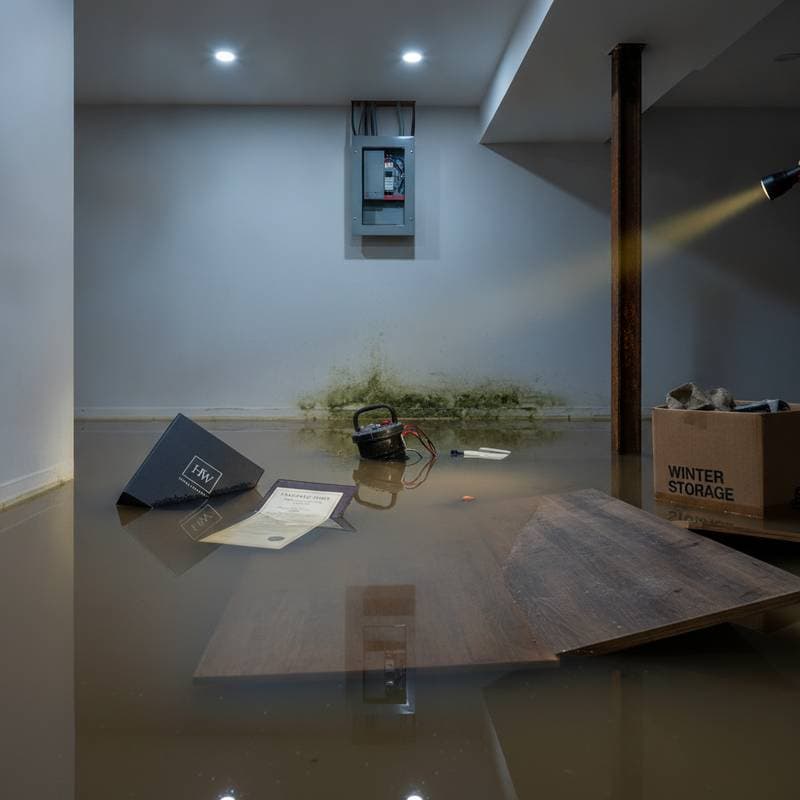
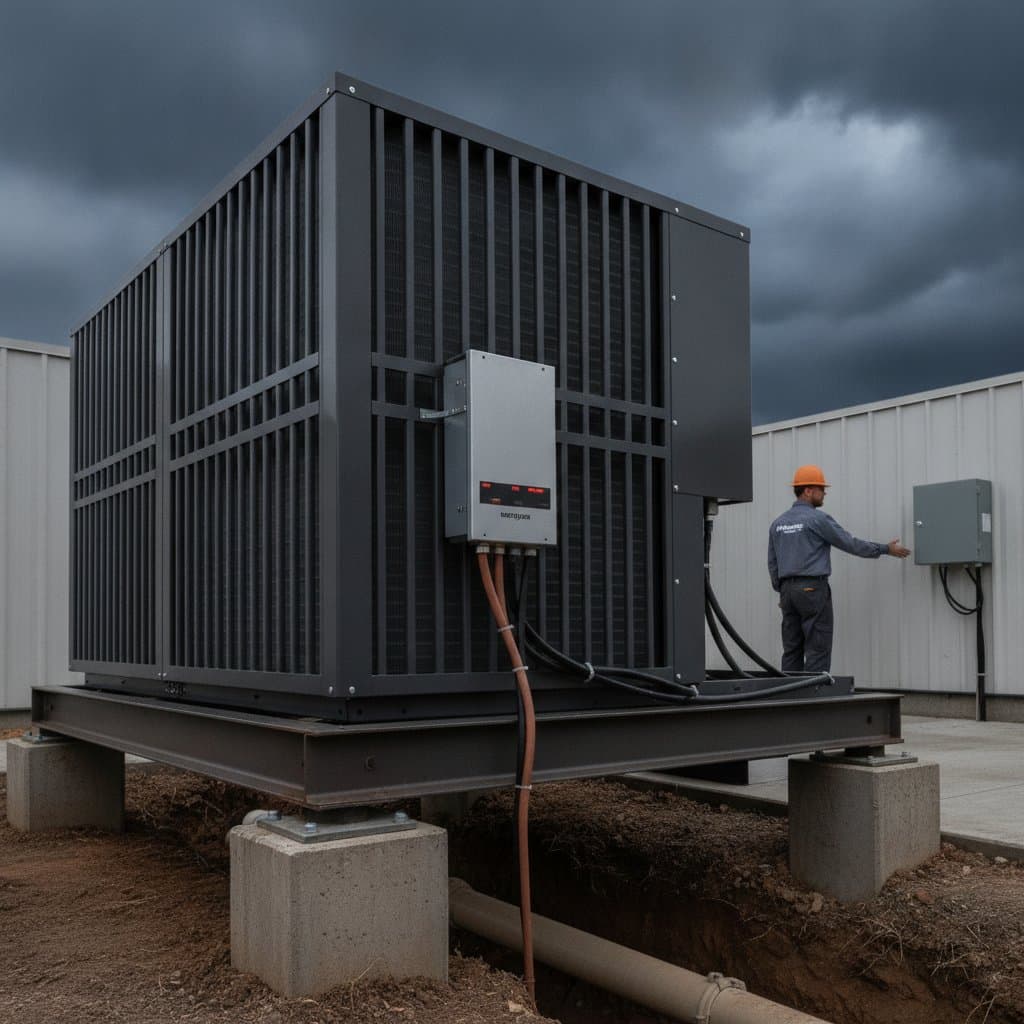
Hurricanes bring wind, rain, power loss, flooding, and airborne debris. These forces can cripple a home heating and cooling system. The goal of hurricane protection for HVAC equipment is to keep critical components dry, anchored, and ready to restart safely once power returns. This guide gives homeowners, property managers, and contractors a practical plan for protecting HVAC systems before, during, and after a storm.
When Hurricane Protection Is Needed
If your home is within a coastal or flood-prone region, hurricane protection steps should form part of annual HVAC maintenance. Systems at ground level face the highest risk. Even homes several miles inland can encounter wind speeds high enough to dislodge or destroy outdoor units. When the forecast includes tropical storm warnings or hurricane watches, begin preparation immediately.
Cost Breakdown with Drivers
| Scope Item | Material Cost Range | Labor Cost Range | Total Range | Notes on Drivers |
|---|---|---|---|---|
| Elevated concrete or composite pad (18 to 24 in high) | $150 to $400 | $250 to $600 | $400 to $1,000 | Height, soil type, drainage |
| Hurricane anchor straps (galvanized or stainless) | $30 to $80 | $100 to $250 | $130 to $330 | Fastener type, access |
| Electrical surge protector (HVAC-rated) | $60 to $150 | $100 to $200 | $160 to $350 | Panel location, amperage |
| Weatherproof disconnect box | $40 to $100 | $75 to $150 | $115 to $250 | Code requirement, conduit length |
| Temporary protective cover | $20 to $100 | DIY | $20 to $100 | Material, fit accuracy |
Prices vary by region and labor market. Costs rise in coastal zones where code requires wind-rated hardware and permits.
Safety, Permits, and Code
Most municipalities require a permit for pad elevation, electrical relocation, or refrigerant line modification. Building codes often call for condenser anchoring rated for specific wind speeds. Confirm compliance with local inspection offices. Never operate HVAC equipment during a power surge or generator backfeed. Wait until grid power stabilizes. Electrical work must meet National Electrical Code grounding and GFCI standards. Flood zone work may need inspection to maintain flood insurance eligibility.
Maintenance Plan and Lifespan
Apply a structured maintenance cadence to keep the system storm-ready. After install, inspect strap tension, check pad stability, and test surge protection. Before hurricane season, clear debris, clean coils, and test disconnects. After each storm, check refrigerant lines and electrical boxes for damage. Have a licensed technician test refrigerant pressure, tighten electrical connections, and inspect duct seals each year. Replace surge protectors every five years or sooner if they trip. A well-protected HVAC system should last 12 to 15 years in a coastal environment. Unprotected systems often fail within 8 to 10 years due to corrosion and electrical stress.
Troubleshooting After a Storm
When the storm passes, do not restart the HVAC system until you inspect it. Check for standing water and wait until the pad and surrounding soil are dry. Inspect wiring and conduit for cuts, corrosion, or loose fittings. Spin the fan blade. If it does not move freely, debris may be wedged inside. Check the filter and coils. Remove debris or replace parts before powering up. Turn power on at the breaker, then at the disconnect. Wait ten minutes before setting the thermostat to cool. If the system trips the breaker or makes unusual sounds, shut it off and call a technician. Running a damaged compressor can double the repair cost.
Quick Readiness Checklist
Tools Required
- Wrench set
- Drill with masonry bits
- Level
- Voltage tester
Skills Required
- Basic electrical safety
- Measuring and leveling
- Light carpentry
Safety Gear
- Safety glasses
- Gloves
- Non-slip boots
Permits Needed
- Electrical (if modifying disconnect)
- Structural (for elevation or anchoring)
Prep Tasks
- Clean coils and filters
- Clear debris
- Confirm drainage slope
Weather or Site Constraints
- Avoid work on wet ground
- Secure loose objects nearby
- Plan for generator use only after inspection
Implementing These Protections
Secure your HVAC system with the steps above to reduce storm damage and extend equipment life. Follow local codes, schedule regular inspections, and address issues promptly after each weather event. These actions keep your home comfortable and protect your investment through every season.