Greywater Recycling: Permits and Installation Essentials
Quick Take
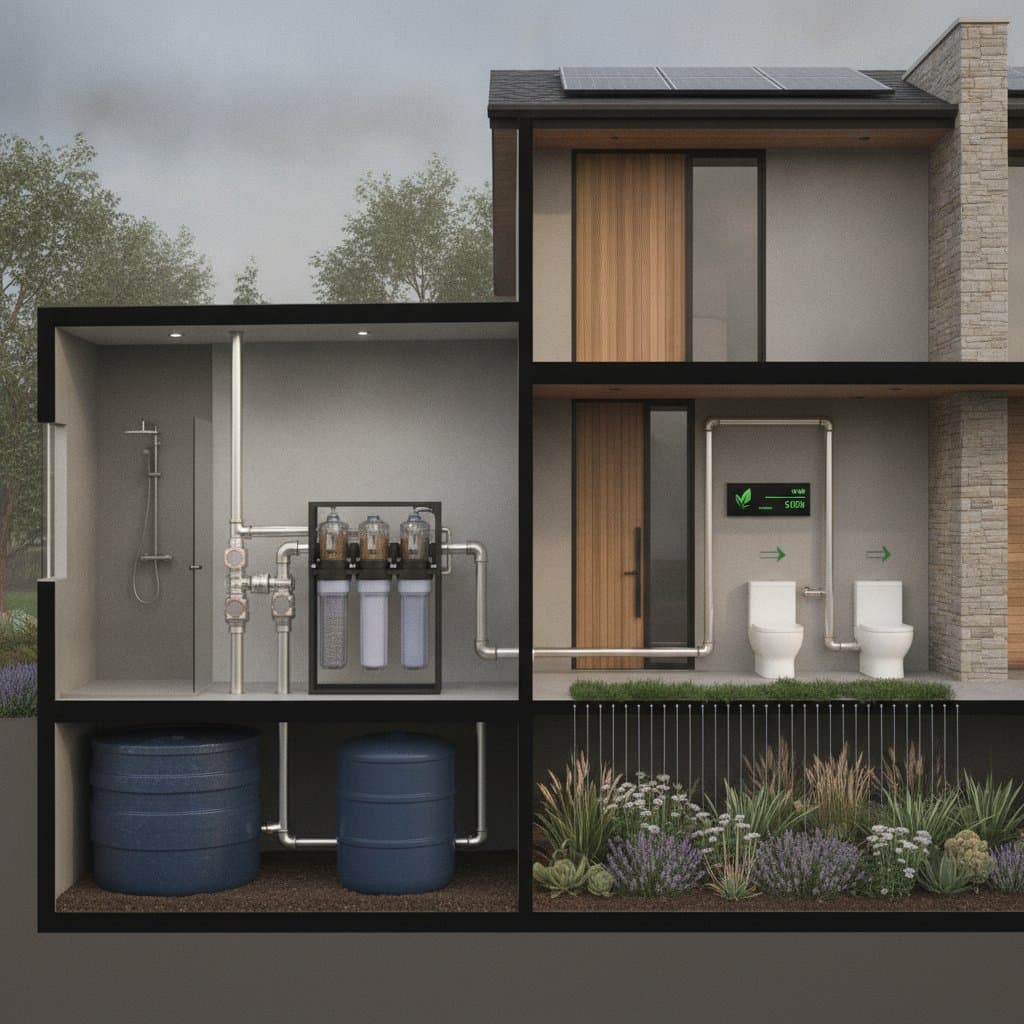
Greywater systems reuse water from sinks, showers, and laundry to cut outdoor water use.
- Permits are required in most areas before installation begins.
- Begin with a laundry to landscape setup where local codes permit.
- Focus on filtration and soil absorption to prevent contamination.
Pros and Cons
Pros
- Cuts outdoor water use by up to half.
- Reduces strain on septic or sewer systems.
- Keeps landscaping green during water restrictions.
- Offers quick payback in dry regions with high water costs.
Cons
- Requires permits, inspections, and plumbing changes.
- May clog or smell if filters are skipped or neglected.
- Not legal in every municipality.
- Upfront cost is higher than simply irrigating with fresh water.
Step-by-Step: Installing a Simple Greywater System
Tools and Materials
- PVC pipe or flexible drain hose
- Ball valves and unions
- Filter screen or lint trap
- Irrigation tubing and emitters
- Shovel and gravel for mulch basin
- Pipe cutter, drill, and fittings
- Safety gear: gloves, goggles, and dust mask
Time and Difficulty
- One weekend for a basic laundry to landscape system.
- Moderate difficulty for someone comfortable with plumbing.
1. Prep and Permits
Check your local building department before cutting any pipe. Most areas require a plumbing permit and inspection. Some limit greywater use to subsurface irrigation only. Draw a simple plan showing water sources, routing, and discharge zones.
2. Identify the Source
Choose a single source such as a clothes washer. Avoid combining multiple fixtures until you understand flow rates. Disconnect the washer drain from the sewer standpipe and route it to a diverter valve. This allows you to switch between sewer and landscape mode.
3. Plan the Layout
Mark the route from the source to the discharge area. Keep the pipe slope downward at least 1 inch per 8 feet to maintain gravity flow. Never let greywater pool or contact edible plants.
4. Install Filtration
Add a lint filter or small mesh screen near the source. This prevents clogging downstream. Clean the filter monthly.
5. Run the Lines
Lay flexible tubing through the yard to a mulch basin or subsurface emitter line. Use gravel or wood chips to spread flow evenly. Cover the discharge zone to prevent exposure.
6. Test the Flow
Run a rinse cycle to check for leaks or backups. Water should soak into soil within 24 hours. If it ponds or smells, adjust slope or drainage.
7. Inspect and Document
Take photos and keep notes for your permit file. Inspect joints, filters, and valves monthly. Replace tubing or mulch when buildup appears.
DIY vs Pro
Safe for DIY
- Laundry to landscape or single fixture systems.
- Pipe routing above ground or shallow burial under mulch.
- Filter cleaning and valve adjustment.
Hire a Pro When
- You tie into showers or multiple fixtures.
- You need pumps, tanks, or backflow prevention.
- Your area requires stamped plumbing drawings.
What the Pro Does Differently
A licensed plumber sizes pipe for correct flow, confirms slope, and installs code approved diverter valves. They also ensure no cross connection with drinking water lines. This protects both your home and the community water supply.
Alternatives
Option A: Rainwater Harvesting
Best for outdoor irrigation in regions with seasonal rainfall. Needs storage tanks, gutters, and first flush diverters. Lower risk of contamination but depends on local rainfall.
Option B: Drip Irrigation with Fresh Water
Simpler than greywater reuse. Uses emitters and timers for efficiency. No permits needed but still saves water compared to sprinklers.
Option C: Composting Toilets
For off grid or remote properties with limited water. Cuts freshwater use dramatically but needs ventilation and regular maintenance.
FAQs
Can you use greywater for vegetables?
Only if the water is applied below the surface and never touches edible parts. Most codes limit greywater to ornamental plants.
Does greywater smell?
Not if it drains within a day. Stagnant water smells due to bacterial growth. Proper slope and soil absorption prevent this.
What soaps are safe?
Biodegradable, low sodium detergents protect soil health. Avoid bleach or boron based cleaners.
Do you need a holding tank?
Gravity systems skip storage. Tanks add complexity and must be sealed, vented, and cleaned often.
Will it work with a septic system?
Yes, redirecting greywater reduces septic load. Just confirm with your local health department before rerouting lines.
Checklist
- Check local codes and permit rules.
- Draw a simple system plan.
- Choose one water source to start.
- Install a diverter valve and filter.
- Route discharge to a mulch basin.
- Test slope and absorption.
- Inspect and clean monthly.
Putting Your System Into Action
Greywater recycling gives you a practical way to cut water use and keep your landscape healthy. Start with a small, legal setup and expand once you understand flow and maintenance. Keep filters clean, follow local code, and document any changes for inspection. When in doubt, call a plumber who has experience with sustainable systems. With careful planning and upkeep, your greywater setup can run safely for years and reduce your household demand on the public water supply.