Balance Privacy and Togetherness in One Home
Designing a multigenerational home requires thoughtful planning to support both independence and connection. Effective layouts create distinct private areas while preserving shared spaces for daily interaction. This approach enhances comfort for all residents and adds lasting value to the property.
Establish Defined Zones
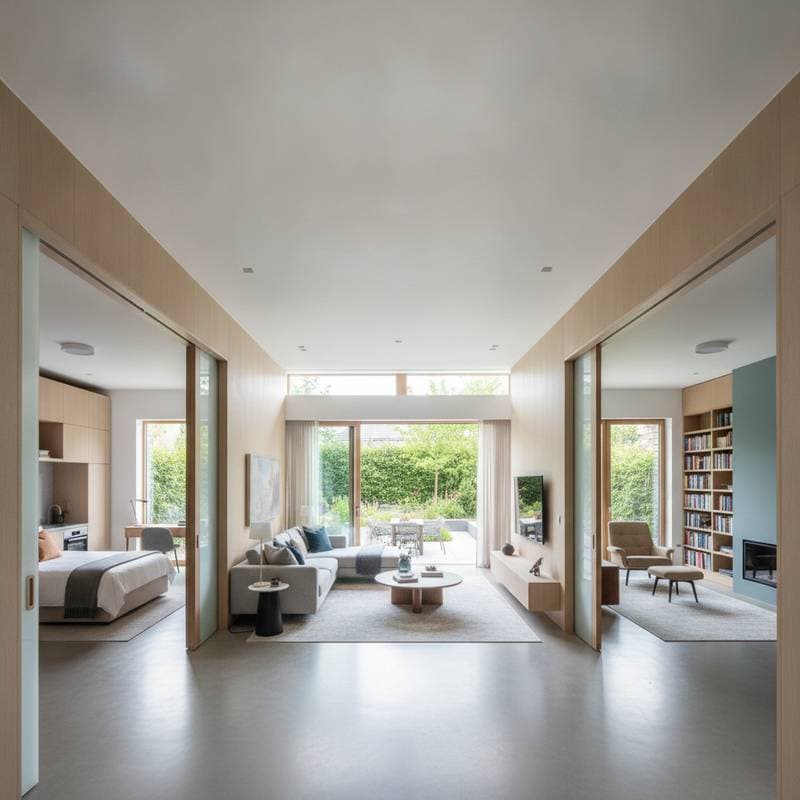
Begin by mapping living areas for each household member. Use walls, pocket doors, or stair separation to create clear physical boundaries. Designate at least one shared space such as a kitchen, laundry room, or patio to encourage family connection without compromising personal space.
Verify Local Regulations
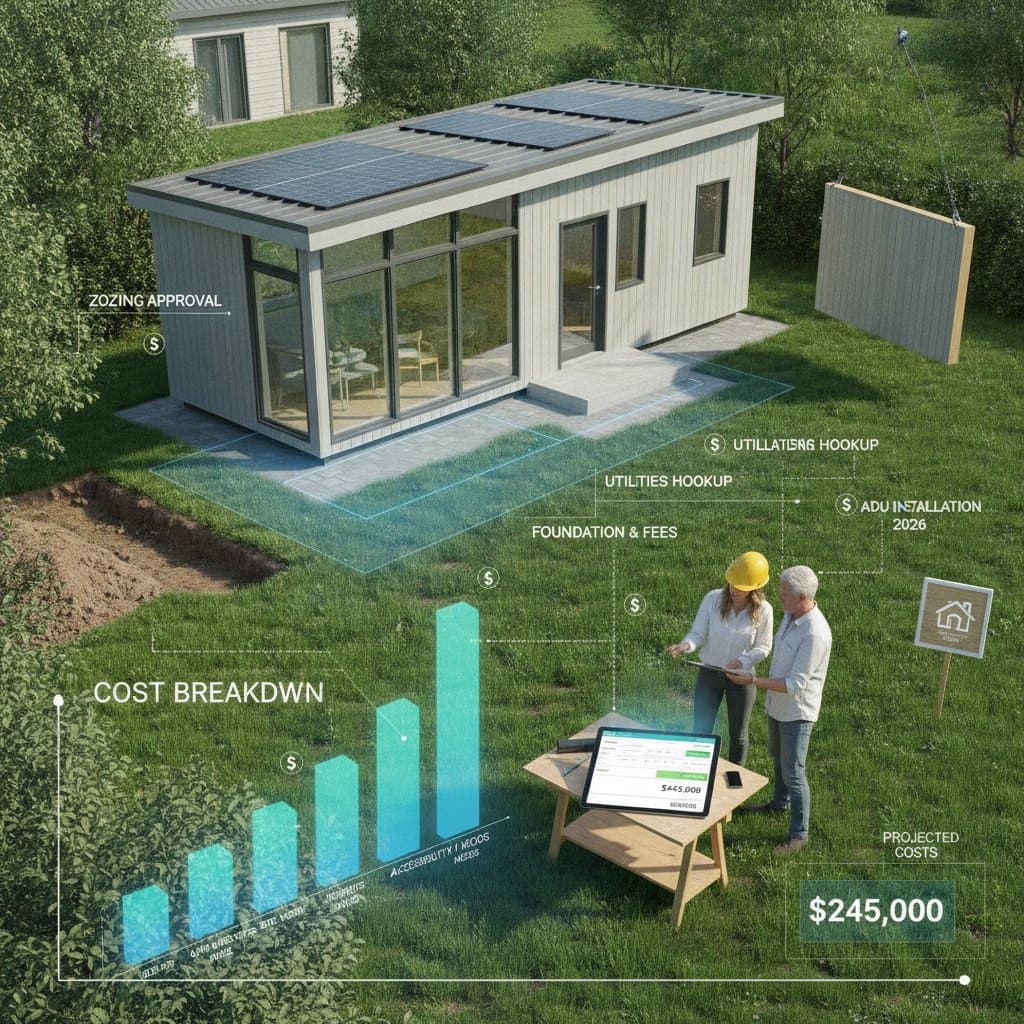
Contact the local municipality to confirm rules on dual kitchens, separate utility meters, and accessory dwelling units. Obtain written approval before any design work begins. This step prevents costly revisions later in the project.
Incorporate Privacy Features
Install staggered stud walls or resilient channels to limit sound transmission between units. Position bedrooms away from high traffic areas. Select solid core doors with weatherstripping to further reduce noise. Provide independent heating and cooling controls so each household maintains its preferred temperature.
Ensure Safe Access
Equip each living suite with its own entrance or a lockable separation from the main home. Add motion activated lighting along paths and steps. Confirm that windows and exterior doors meet egress requirements for safety compliance.
Prepare Utilities Early
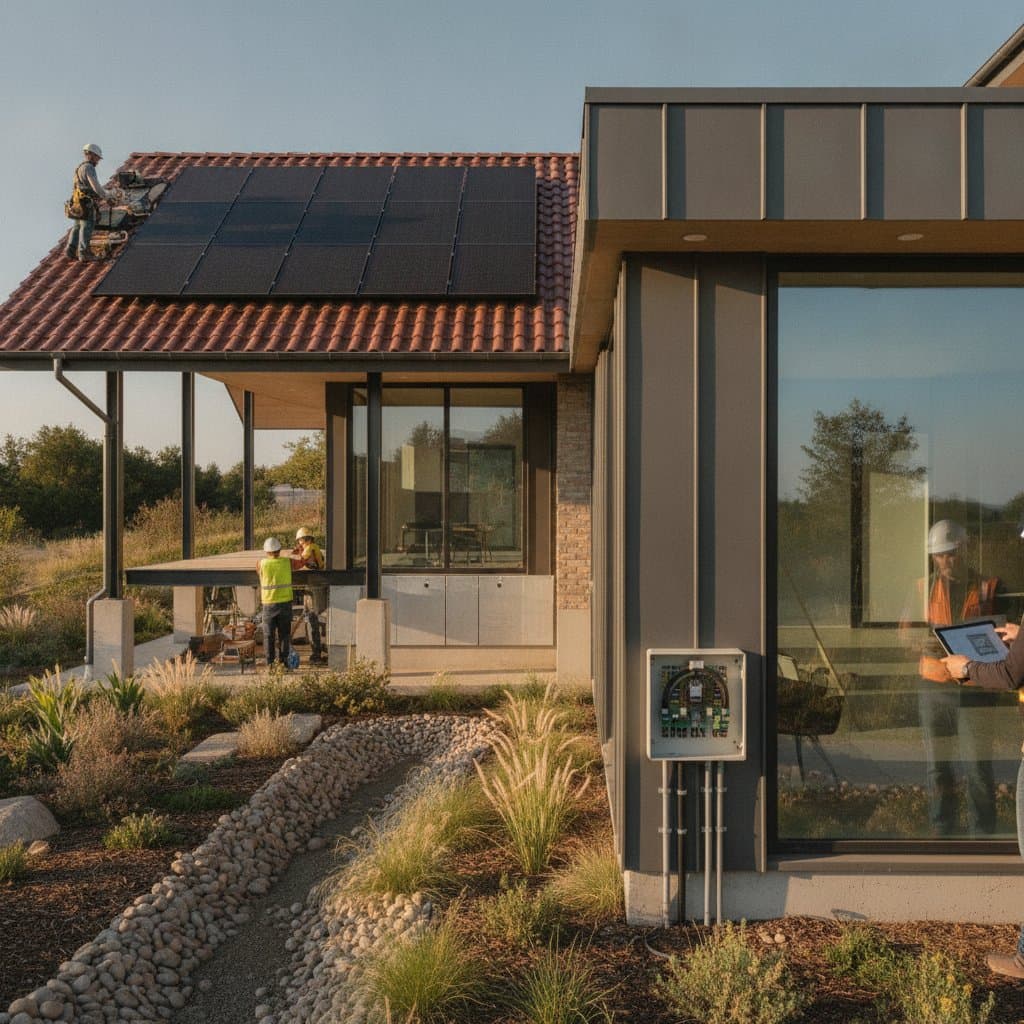
Run separate plumbing lines where feasible to avoid future conflicts. Install individual electrical circuits and subpanels for straightforward maintenance. Include at least 20 amp circuits in kitchens and ground fault circuit interrupter protection near all wet areas.
Complete Construction and Inspections
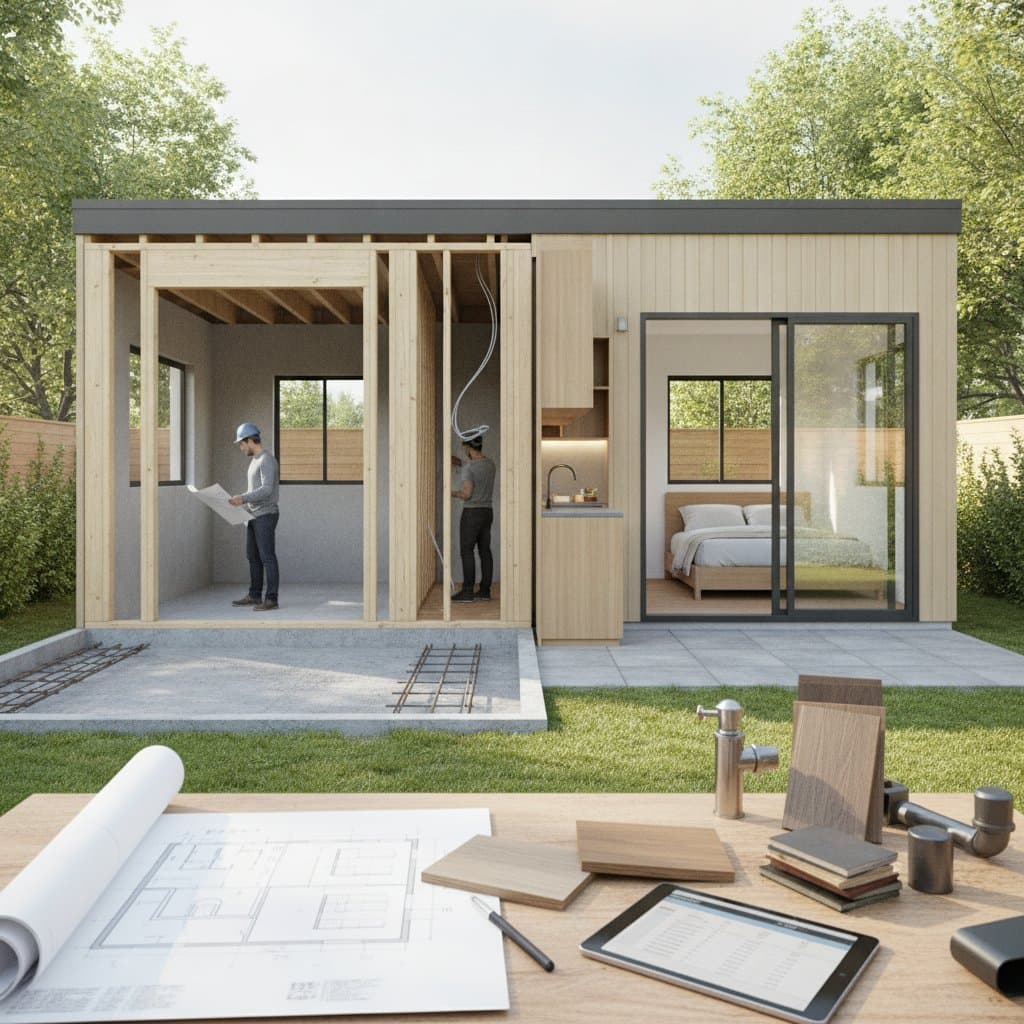
Follow the standard sequence of drywall installation, flooring, and trim work. Schedule required inspections for framing, plumbing, electrical systems, and final occupancy. Interior conversions typically take six to twelve weeks while detached units may require up to twenty weeks depending on permit timing and site conditions.
Common Pitfalls to Avoid
- Shared walls without proper insulation lead to ongoing noise issues.
- Extended drain runs increase the risk of clogs and backups.
- Insufficient parking spaces violate most local codes.
- Combined heating and cooling ducts allow odors to travel and prevent independent temperature settings.
- Excessive square footage beyond neighborhood standards can reduce resale appeal.
Decide Between DIY and Professional Help
Evaluate project elements against personal skills and resources. Light framing, painting, and finish carpentry often suit capable homeowners. Plumbing, electrical work, and HVAC modifications require licensed professionals due to safety and code requirements. A contractor can manage permits and coordinate all inspections.
Compare Contractor Bids
Request detailed line item proposals to compare scope accurately. Review costs for wall insulation, plumbing rough in, electrical subpanels, flooring, and paint. Lower bids sometimes omit required elements such as fire rated drywall or proper venting.
Follow a Readiness Checklist
Gather essential tools including a tape measure, level, drill, saw, and nail gun along with appropriate safety gear. Confirm all necessary permits for building, electrical, plumbing, and mechanical work. Clear the work area and locate utilities before starting. Avoid open framing during adverse weather conditions.
Apply Proven Layout Strategies
Position new bathrooms back to back with existing fixtures to minimize plumbing expenses. Use pocket or barn doors in narrow hallways to save floor space. Install motion lighting at shared entries for added safety. Incorporate aging in place elements such as thirty six inch doorways, zero threshold showers, and lever style handles. Run conduit during construction to simplify future electrical upgrades.
Create a Home That Supports Every Generation
Thoughtful design delivers comfortable private retreats alongside welcoming common areas. Families gain flexibility for changing needs while protecting property value over time.