How Much Does a Multigenerational Home Conversion Cost? Complete Pricing Guide
Creating a multigenerational home allows families to share one property while preserving privacy for each household. Professional conversions typically range from $60,000 to $250,000, with most homeowners investing around $145,000 for a complete in-law suite or accessory dwelling unit.
Project scope, material selections, and the existing home layout determine the final price. Regional labor rates add further variation. A well-executed conversion can increase property value by up to 35 percent in active markets.
Detailed Cost Breakdown
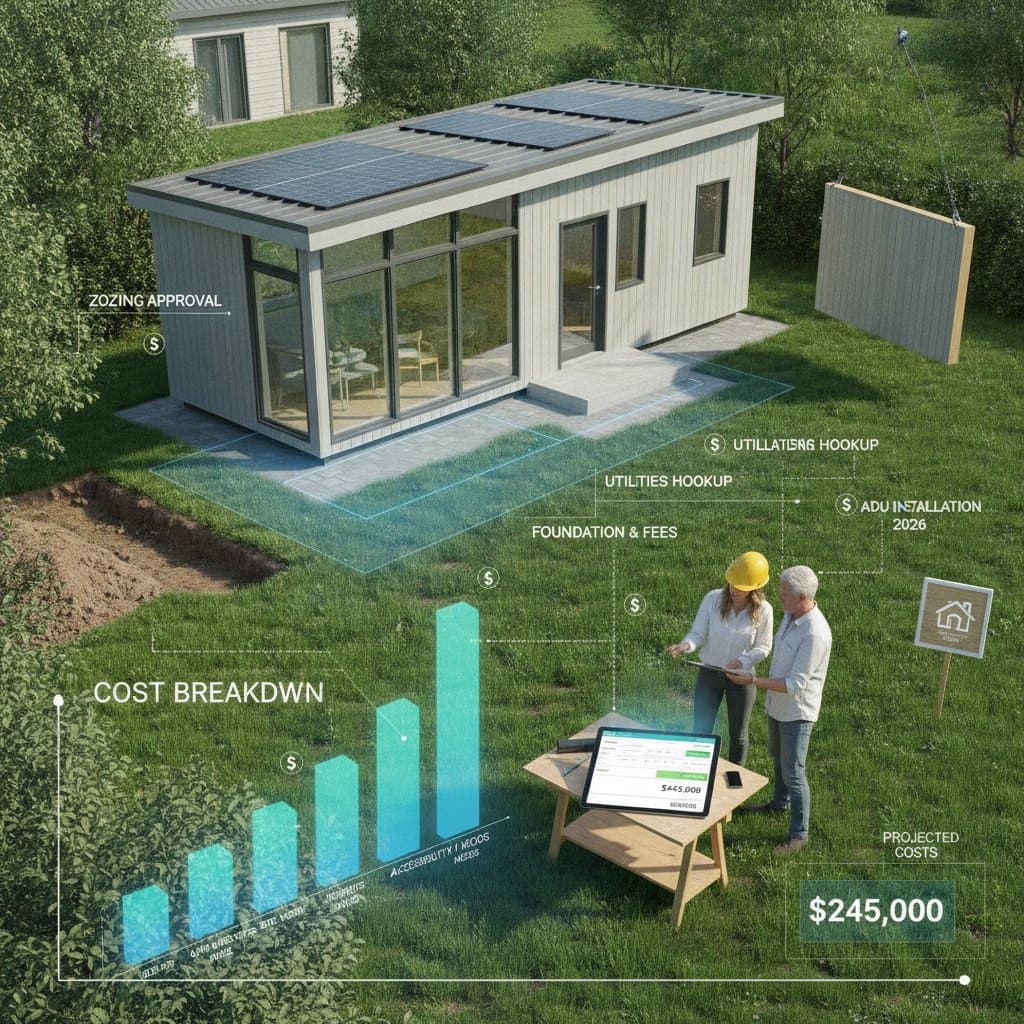
Costs depend on the space adapted. A basement or garage conversion often begins near $60,000. A detached unit with full plumbing, kitchen, and bath facilities can reach $250,000.
Core Pricing Structure
Contractors generally charge $200 to $400 per square foot. Basic conversions without kitchens or bathrooms fall at the lower end. Self-contained suites occupy the higher range. Licensed builders usually require a minimum project fee of $25,000.
Homeowners at the 25th percentile spend about $95,000. The median cost sits near $145,000. The 75th percentile reaches $210,000 for premium finishes or detached units. These figures cover site preparation, utilities, framing, insulation, and finishing work.
Size and Scope Factor
Each additional 100 square feet adds $25,000 to $35,000. A 300-square-foot suite may cost $75,000. A 600-square-foot addition often exceeds $150,000.
Recent contractor examples include a 400-square-foot garage conversion in California at $110,000 and a Midwest basement remodel at $95,000 with mid-range materials.
Material and Quality Tiers
Entry-level conversions use vinyl flooring, stock cabinetry, and laminate counters. These projects range from $60,000 to $90,000 and last 10 to 15 years before updates.
Mid-range projects feature brands such as Delta fixtures and quartz counters. Costs fall between $120,000 and $180,000 and improve durability along with resale appeal.
Premium conversions incorporate engineered hardwood, custom cabinetry, and energy-efficient windows. These projects cost $200,000 to $250,000 and can last beyond 25 years while qualifying for energy incentives.
Complexity and Accessibility Variables
Homes with limited access, structural issues, or outdated wiring increase labor demands. Plumbing adjustments for new bathrooms or kitchens add $10,000 to $25,000. Code compliance and accessibility features such as wider doorways add $5,000 to $15,000.
Coastal and urban areas carry a 20 to 30 percent premium. Rural regions often cost less yet face fewer available contractors.
Service Types and Comprehensive Pricing
Basic or Standard Conversion Package
A standard package includes layout design, permit preparation, framing, drywall, electrical work, plumbing for a bathroom or kitchenette, and basic finishes. Labor averages $60 to $80 per hour. Projects take 8 to 12 weeks and cost $85,000 to $130,000.
Premium or Comprehensive Suite
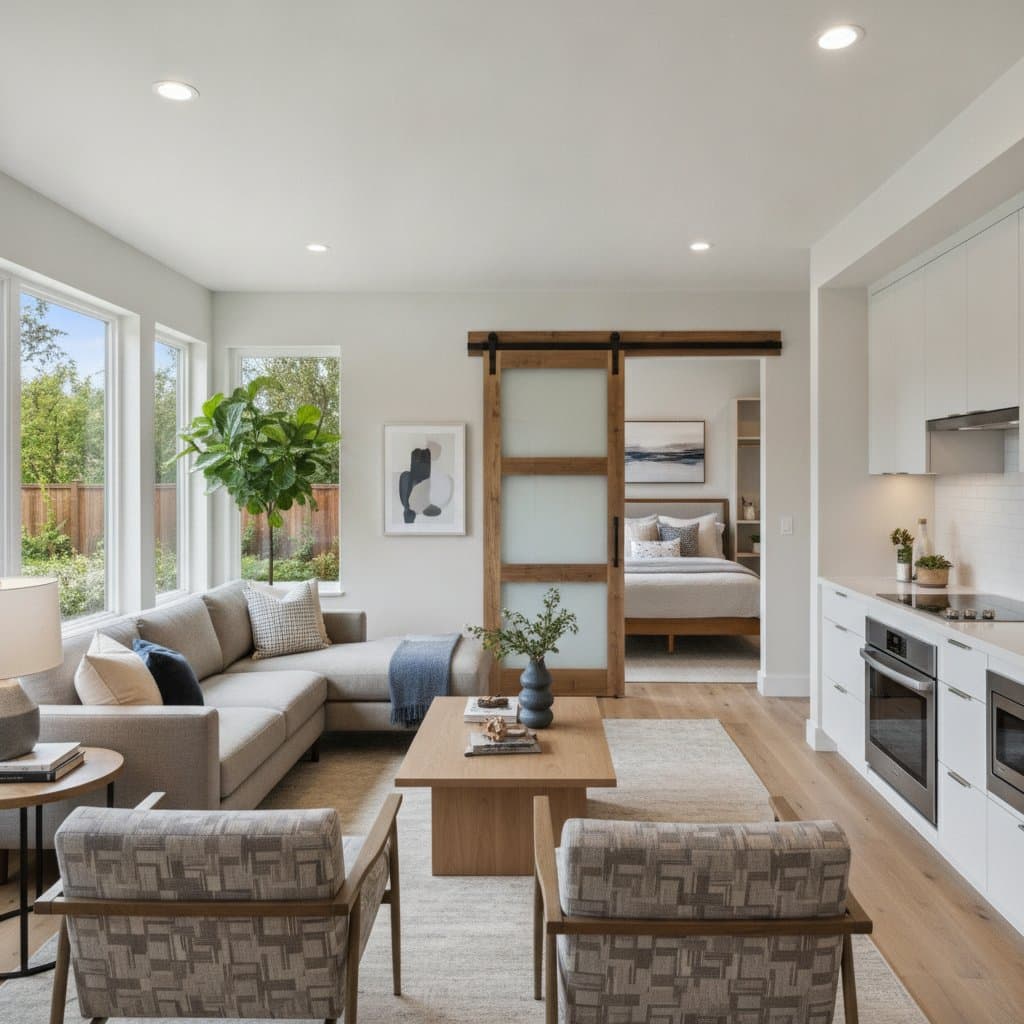
A premium conversion adds a full kitchen, private entry, soundproofing, smart controls, and high-efficiency HVAC. Total cost runs 30 to 50 percent higher than a standard conversion. Premium suites recoup 60 to 75 percent of their cost upon resale in high-demand areas.
Add-on Services Matrix
- Accessibility upgrades: $5,000 to $15,000, with 10 percent bundle savings when completed during framing
- Landscape and patio work: $8,000 to $25,000, with 15 percent savings when paired with exterior construction
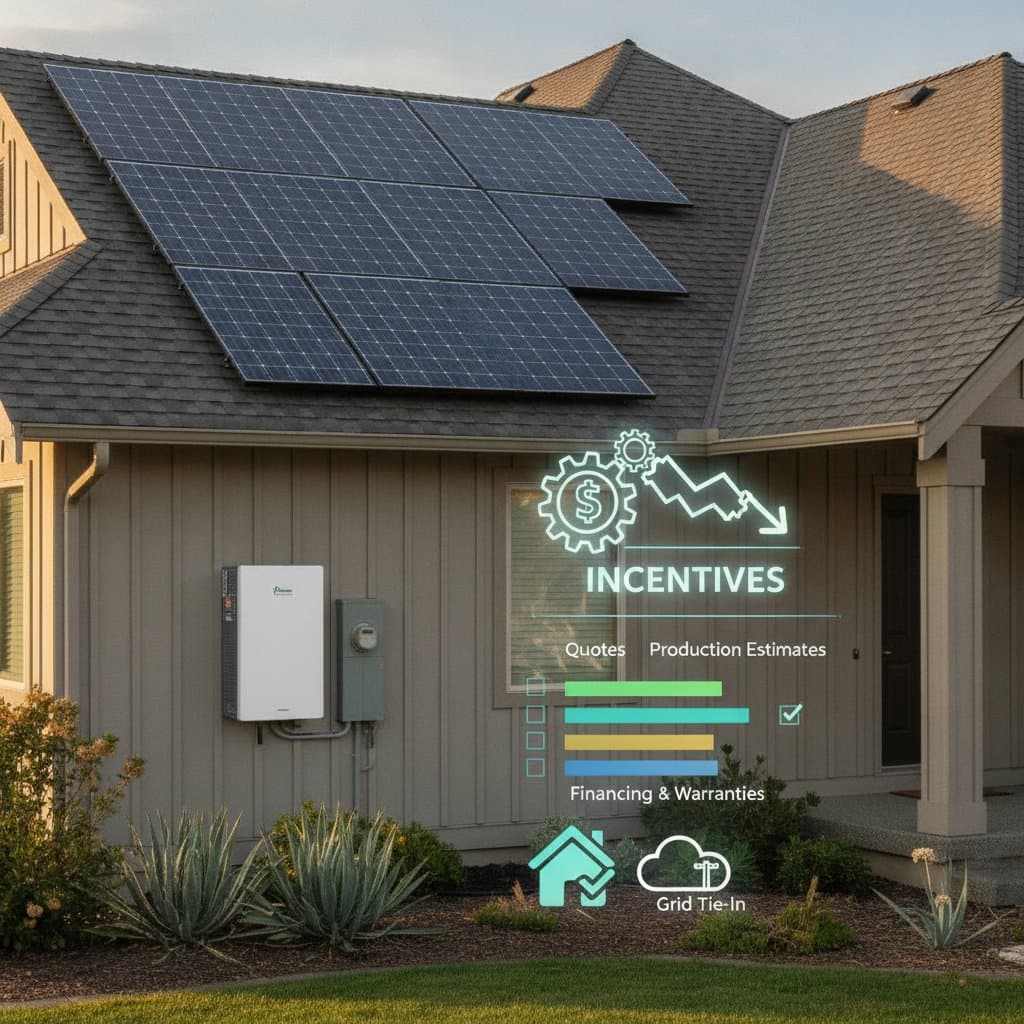
- Solar or energy upgrades: $10,000 to $20,000, with 5 percent savings when installed alongside HVAC
Bundling tasks reduces labor costs by 10 to 20 percent.
Professional vs. DIY Analysis
DIY Cost Breakdown
Materials alone cost $40,000 to $70,000. Tool purchases or rentals add $2,000 to $4,000. Labor time exceeds 400 hours. Permits, inspections, and potential rework add $5,000 to $10,000. Total DIY expense often reaches $60,000 to $90,000 with limited warranty coverage.
Professional Advantages
Licensed professionals ensure code compliance, provide warranties, and complete work faster. Insurance protection equals 5 to 10 percent of project cost. A single major error can erase any perceived DIY savings.
Decision Framework
Select professional installation for structural changes, plumbing reroutes, or electrical upgrades. Reserve DIY efforts for cosmetic finishing work.
Actionable Cost-Saving Strategies
Timing Optimization
Contractors offer 5 to 10 percent discounts for winter or late-summer scheduling. Booking early in the week avoids weekend premiums.
Smart Shopping Tactics
Obtain three written quotes to save an average of 12 percent. Negotiate milestone payments. Source fixtures from warehouses to cut costs by 15 to 25 percent.
Preparation Actions
Clear the workspace and remove non-structural elements before work begins to save $1,000 to $3,000. Clear communication prevents change orders that raise total cost by 8 to 12 percent.
Market Dynamics and Considerations
Geographic Variations
Metropolitan areas such as Los Angeles or New York carry 25 to 35 percent labor premiums. Rural Midwest and Southern markets run about 20 percent lower. Factory-built modular units can reduce costs by up to 15 percent.
Market Timing
Lumber, steel, and drywall prices shift with transportation costs. Recent inflation has raised baseline expenses by 5 to 8 percent. Skilled-trade shortages continue to affect bid prices.
Value Indicators
A completed conversion raises property value by 20 to 35 percent. Energy-efficient designs yield 10 to 15 percent annual utility savings. High-quality fixtures keep maintenance costs modest.
Related Services Ecosystem
Homeowners often pair conversions with basement finishing that costs $40,000 to $80,000 and creates flexible space for future expansion.
Planning Your Next Steps
Review local permit requirements, obtain multiple bids, and align the project timeline with family needs to secure both immediate comfort and lasting property value.