How Much Do Multigenerational Renovations Cost? Smart Layouts and Budget Guide
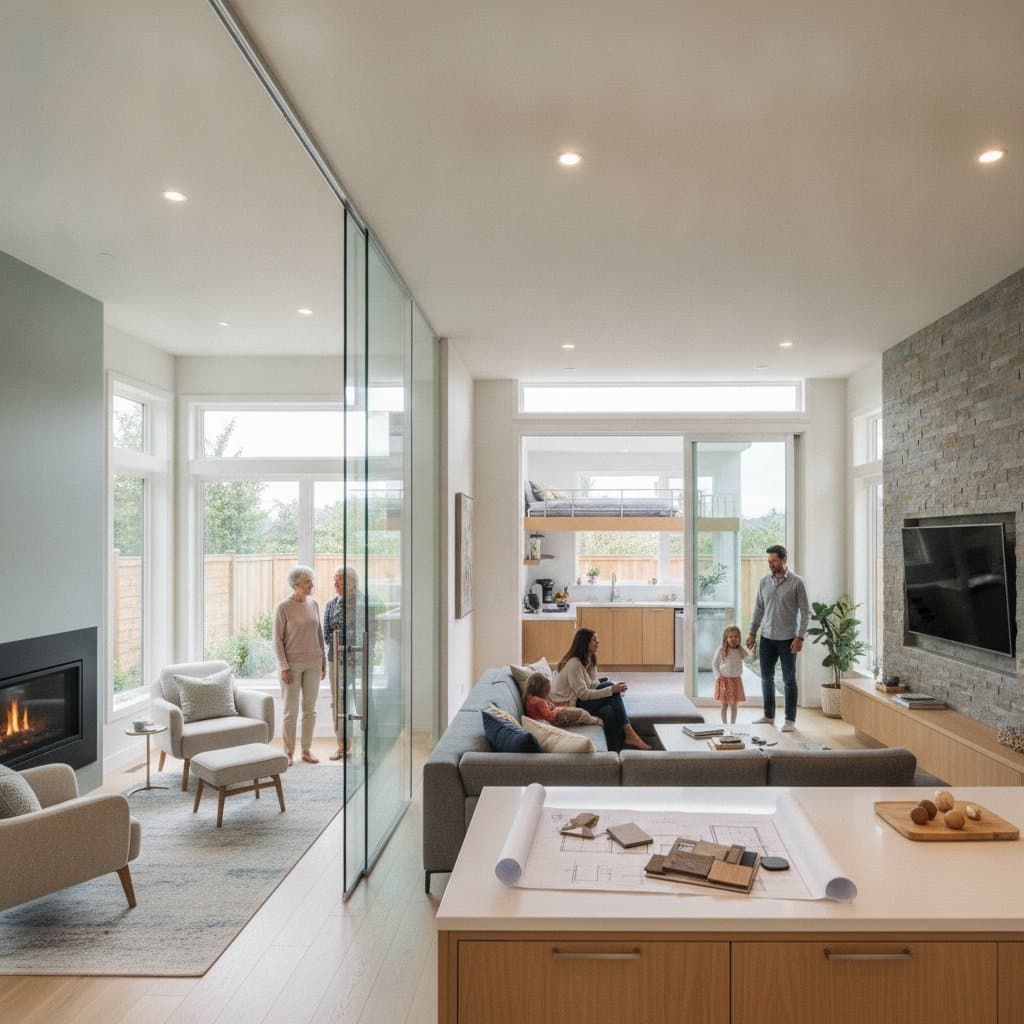
Multigenerational home renovations create flexible living spaces where parents, children, and grandparents can thrive together while maintaining privacy and comfort. Professional multigenerational remodels typically cost between $80,000 and $250,000. Most homeowners spend around $135,000 for a standard layout that includes a secondary suite or an attached accessory dwelling unit.
Three primary factors shape total cost. These include space size, design complexity, and finish quality. Regional labor pricing and existing home conditions can raise or lower budgets by as much as 20 percent. Well planned multigenerational layouts can increase overall property value substantially, especially in markets with high demand for dual living options.
Investing in a thoughtful design pays off through long term savings, better livability, and stronger resale appeal. Homeowners who plan strategically can create spaces that meet family needs today while remaining adaptable for future use.
Detailed Cost Breakdown
Primary Pricing Structure
Multigenerational renovation costs vary widely depending on scope. A small conversion or suite addition may start near $80,000. Full two story expansions can exceed $250,000. The national average sits at $135,000, including design, labor, and materials.
Contractors often charge per square foot. The typical range falls between $150 and $300 per square foot. Minimum service charges for design consultation and permitting average $5,000. The 25th percentile of projects lands near $100,000. The 50th percentile sits around $135,000. The 75th percentile reaches close to $210,000.
Size and Scope Factors
Layout expansion directly drives cost. A 400 square foot in law suite with a kitchenette, bathroom, and separate entrance may cost $70,000 to $120,000. Each additional 100 square feet typically adds $12,000 to $18,000 in expenses. This depends on material selection and plumbing needs.
Homeowners who add a full secondary kitchen or dual laundry areas see a 15 to 20 percent increase in total project cost. Larger homes also incur higher permit and energy compliance fees.
Material and Quality Tiers
Entry level finishes use basic cabinets, vinyl flooring, and laminate counters for approximately $150 per square foot. These materials last about a decade. They suit budget conscious households.
Mid range designs with quartz counters, durable tile, and soft close cabinetry cost around $200 to $250 per square foot. Brands such as KraftMaid and Delta offer reliable mid tier options that balance performance and value.
Premium builds feature custom millwork, sound insulation, and luxury appliances from brands like Sub Zero or Bosch. Expect $300 to $400 per square foot for these finishes. Warranty coverage extends for many years and supports higher long term return on investment.
Complexity and Accessibility Variables
Homes with structural modifications, complex HVAC rerouting, or basement conversions typically add 10 to 25 percent more to the total. Accessibility upgrades such as wider doorways, zero threshold showers, and chairlift systems range from $5,000 to $20,000.
Older homes often require electrical upgrades and new plumbing lines. These can add $10,000 to $30,000 in unforeseen costs. Local building codes and permit requirements further influence final pricing across regions.
Service Types and Comprehensive Pricing
Standard Multigenerational Package
A standard renovation package includes design planning and permits. It covers a bedroom and bath addition. It also includes a minor kitchen or kitchenette, shared laundry setup, and basic soundproofing and insulation.
This package usually requires 8 to 12 weeks of labor. Costs range between $90,000 and $150,000. It suits families seeking proximity without full separation. Examples include adult children returning home or grandparents needing daily support.
Comprehensive or Premium Package
Premium projects add full kitchens, private entries, and upgraded finishes. They can include universal design elements for aging in place. Examples include grab bars, wider hallways, and smart lighting.
Expect total costs from $180,000 to $250,000. This represents a 25 to 40 percent premium over standard builds. These projects deliver strong return on investment, especially in suburban areas with strong multigenerational demand.
Add On Services and Bundled Savings
Add on options include smart home systems for $3,000 to $8,000. Solar integration costs $10,000 to $18,000. Exterior access pathways range from $4,000 to $9,000.
Bundling energy upgrades or exterior landscaping with the primary project can save 5 to 10 percent on total labor costs. Many homeowners coordinate accessory dwelling unit construction with main home renovations to maximize efficiency.
Professional vs. DIY Analysis
DIY Cost Breakdown
While small decorative updates are manageable, structural multigenerational renovations rarely suit DIY efforts. Material costs alone for a small suite average $45,000 to $65,000. This covers framing lumber, drywall, fixtures, and flooring. Tools such as tile saws, compressors, and laser levels add another $2,000 if purchased or $600 if rented.
Homeowners without construction experience may face 30 to 50 percent higher overall costs due to design errors or rework. Time investments often exceed 500 hours. This reduces the practicality of DIY for full conversions.
Professional Advantages
Licensed contractors provide code compliance, insurance coverage, and access to skilled trades. Their efficiency can shorten project timelines by 40 percent while delivering consistent quality. Professional work includes warranty protection valued at $5,000 to $10,000. It also includes liability insurance that shields homeowners from unexpected damage costs.
The break even point between DIY and professional renovation typically occurs when project size exceeds 250 square feet or includes plumbing and electrical work. Hiring specialists ensures long term safety and protects resale value.
Actionable Cost Saving Strategies
Timing Optimization
Scheduling construction during off peak months can reduce quotes by 10 to 15 percent. Midweek workdays often yield better availability and lower hourly rates. Contractors also offer discounts for flexible timelines or bundled projects.
Smart Shopping and Negotiation
Gathering at least three detailed quotes helps identify fair pricing. Payment schedules that align with project milestones prevent overpayment. Some suppliers provide 5 percent discounts for bulk orders or early payments.
Sourcing mid range materials from reputable retailers can save thousands without sacrificing quality.
Preparation and Communication
Homeowners who clear spaces, handle minor demolition, or complete pre site cleaning can save $1,000 to $3,000. Clear communication about expectations and design priorities reduces costly changes during the build.
Regional Cost Variations
Urban markets such as Los Angeles or Seattle often carry a 20 to 30 percent premium over national averages due to higher labor costs. Rural areas tend to be 10 to 15 percent lower but may face limited contractor availability.
Material prices continue to fluctuate with global supply chain trends. Lumber and steel costs influence framing and structure budgets. Skilled labor shortages can affect scheduling.
Planning for Lasting Value
Thoughtful multigenerational renovations deliver adaptable spaces that support family needs across generations. Strategic choices in layout, materials, and timing maximize both daily comfort and future resale potential. Homeowners who focus on quality execution and clear planning achieve spaces that retain value and flexibility for years ahead.