
Articles tagged with homes
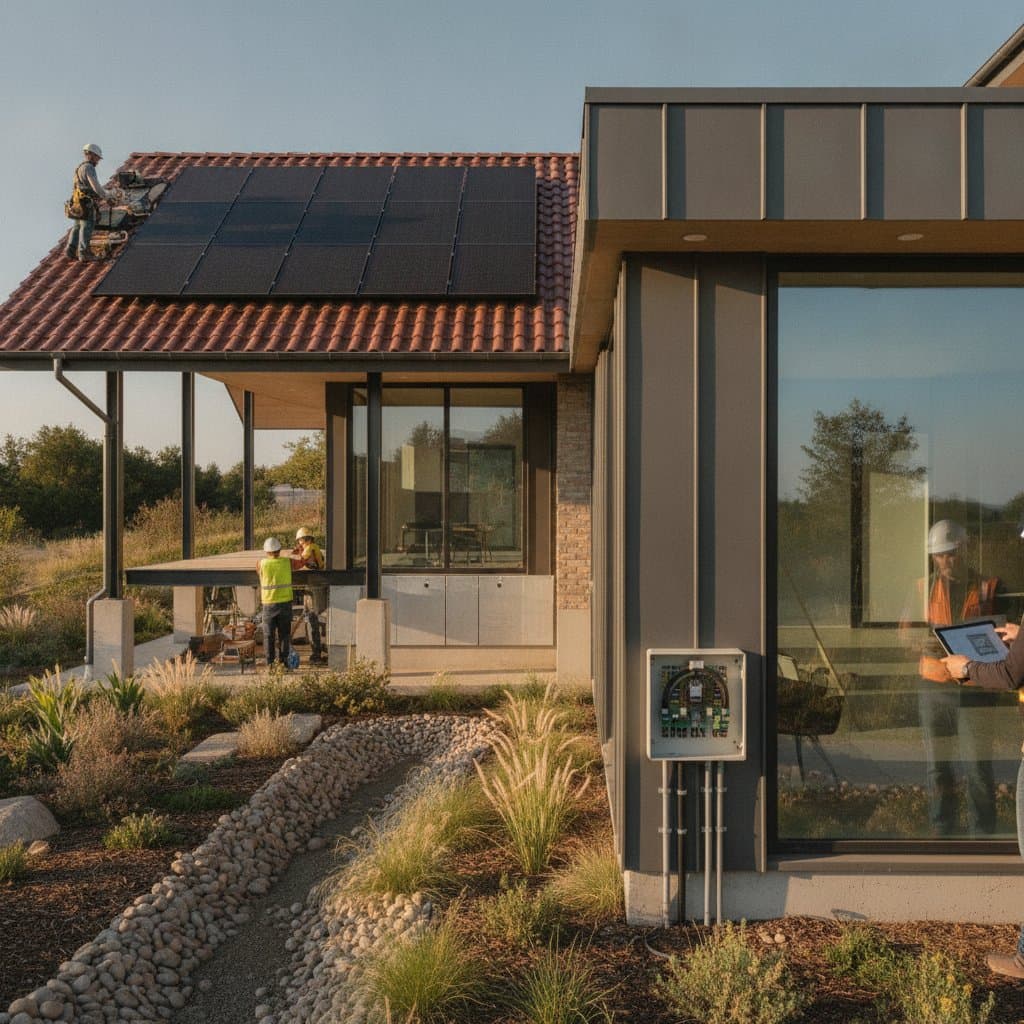
Climate upgrades typically cost $8,000 to $25,000, though targeted fixes may cost far less. Prioritize hazards specific to your home, document improvements for insurance benefits, and hire qualified professionals for structural work.
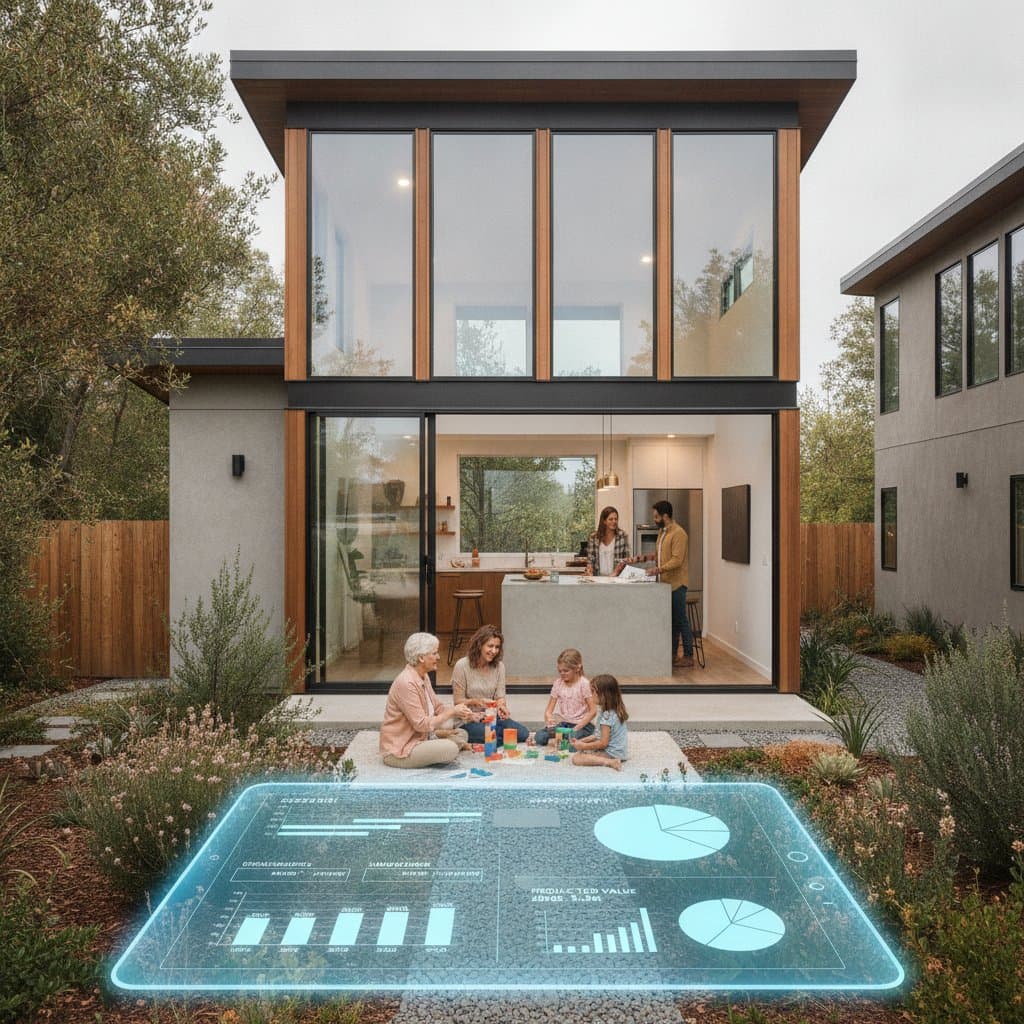
Accessory dwelling units support multi-generational living when costs are examined across construction, permits, financing, and maintenance. This guide supplies concrete figures and contract safeguards for informed decisions.
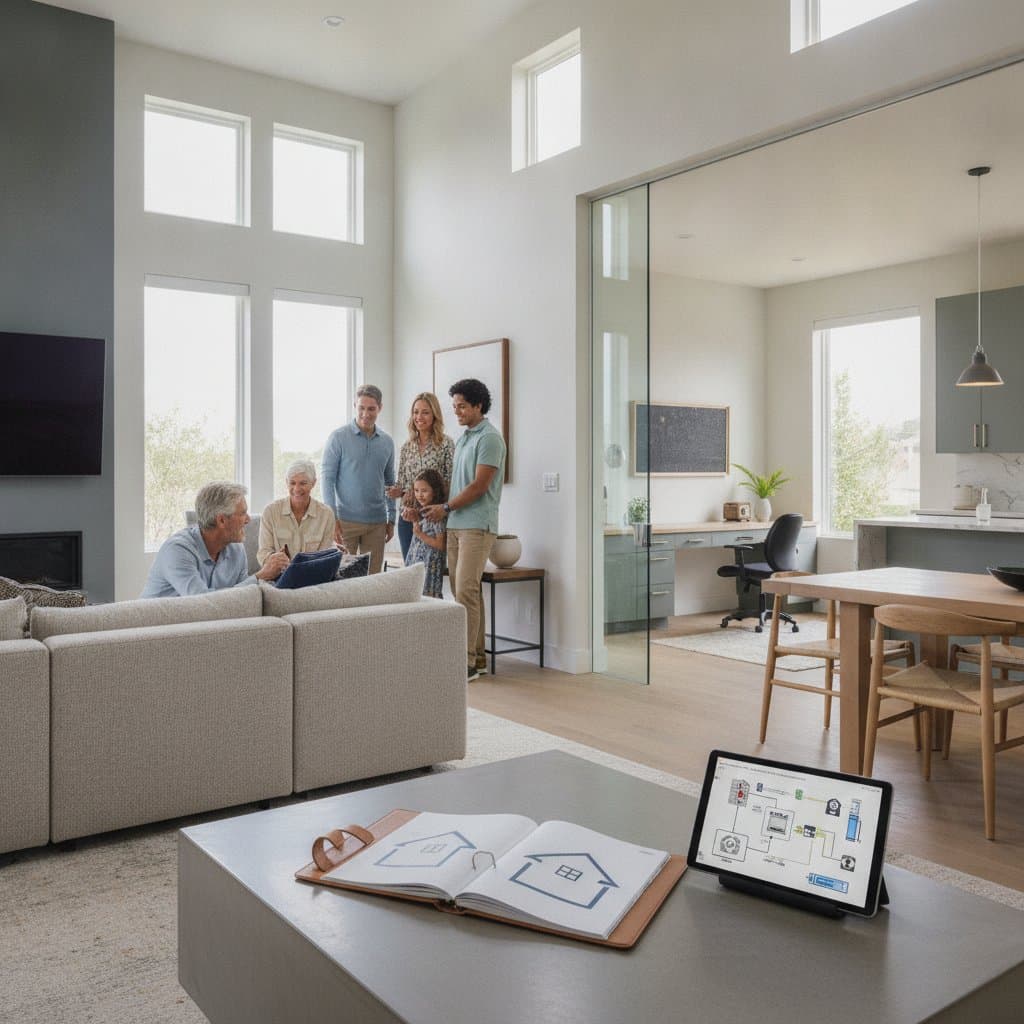
Multigenerational homes and ADUs require careful warranty planning to avoid coverage gaps. This guide explains costs, system classifications, documentation steps, and regional factors that affect protection for every unit.
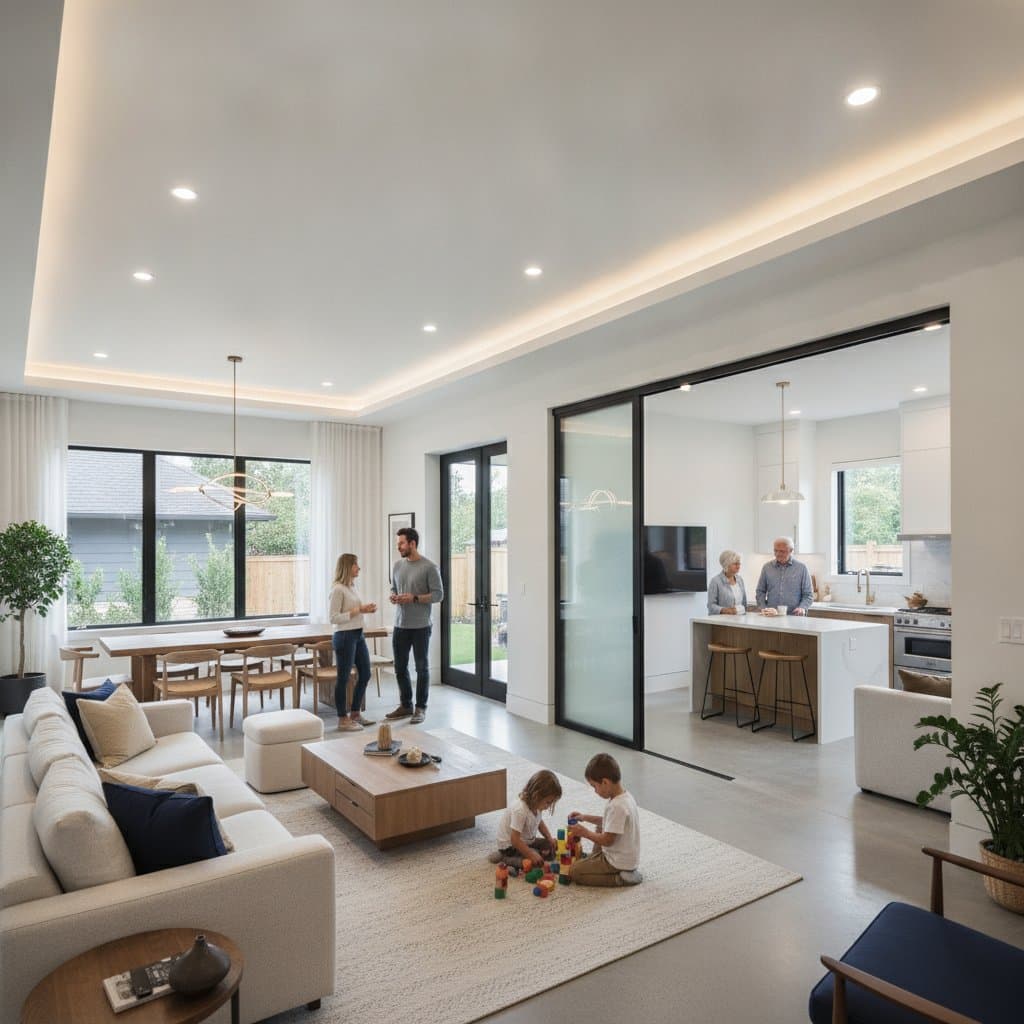
Multigenerational home renovations blend comfort privacy and smart budgeting. Projects range from $90000 remodels to $550000 additions. Success hinges on layout choices professional planning and efficient scheduling.
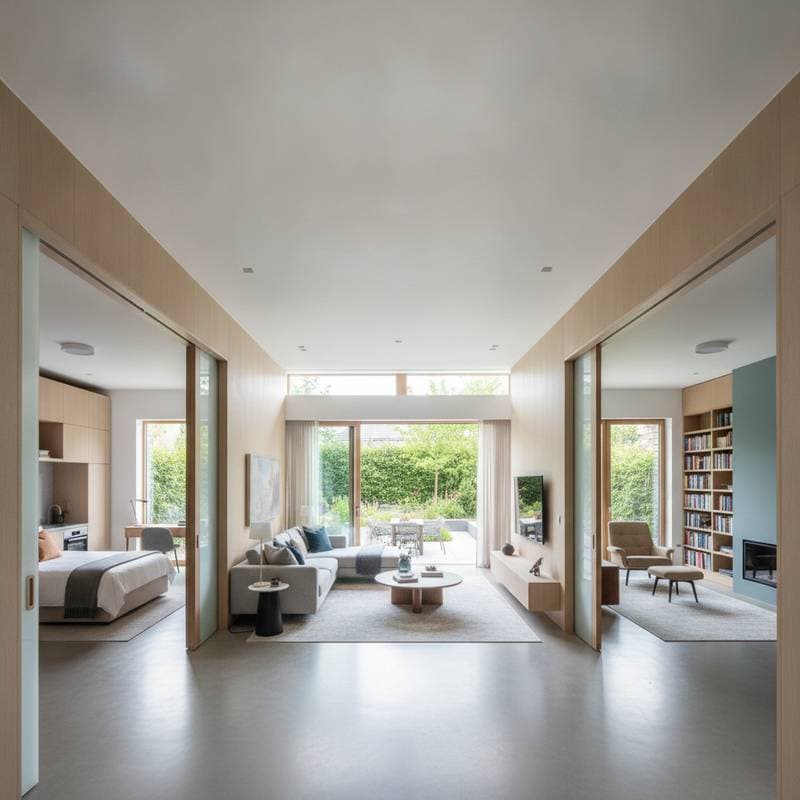
Multigenerational living succeeds when homes provide both private retreats and shared gathering spaces. This guide outlines zoning checks, soundproofing methods, utility planning, and safety measures to create functional layouts that support every generation.
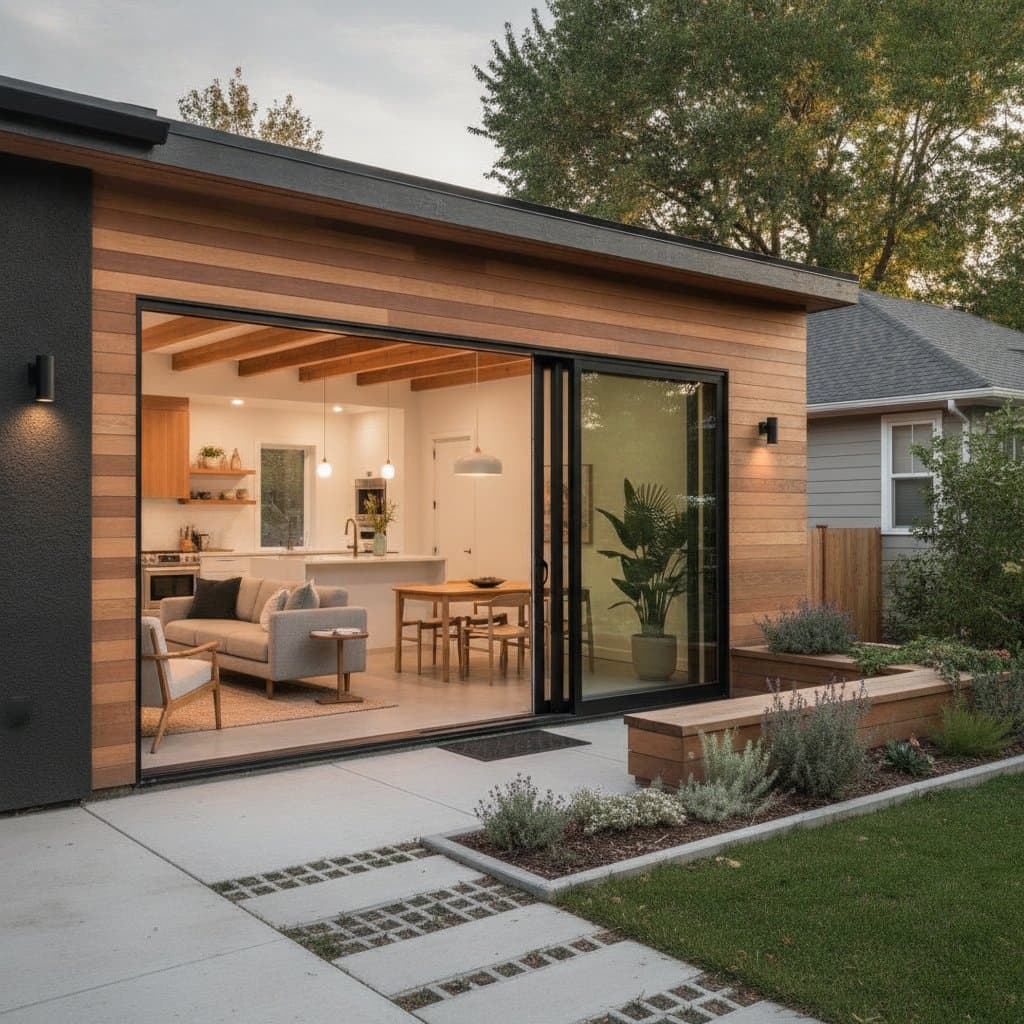
Transforming a garage into an ADU creates flexible multigenerational living space without expanding the home footprint. Expect costs from $90,000 to $180,000, timelines of 12 to 20 weeks, and strict code compliance. Smart design and professional guidance add lasting comfort and value.
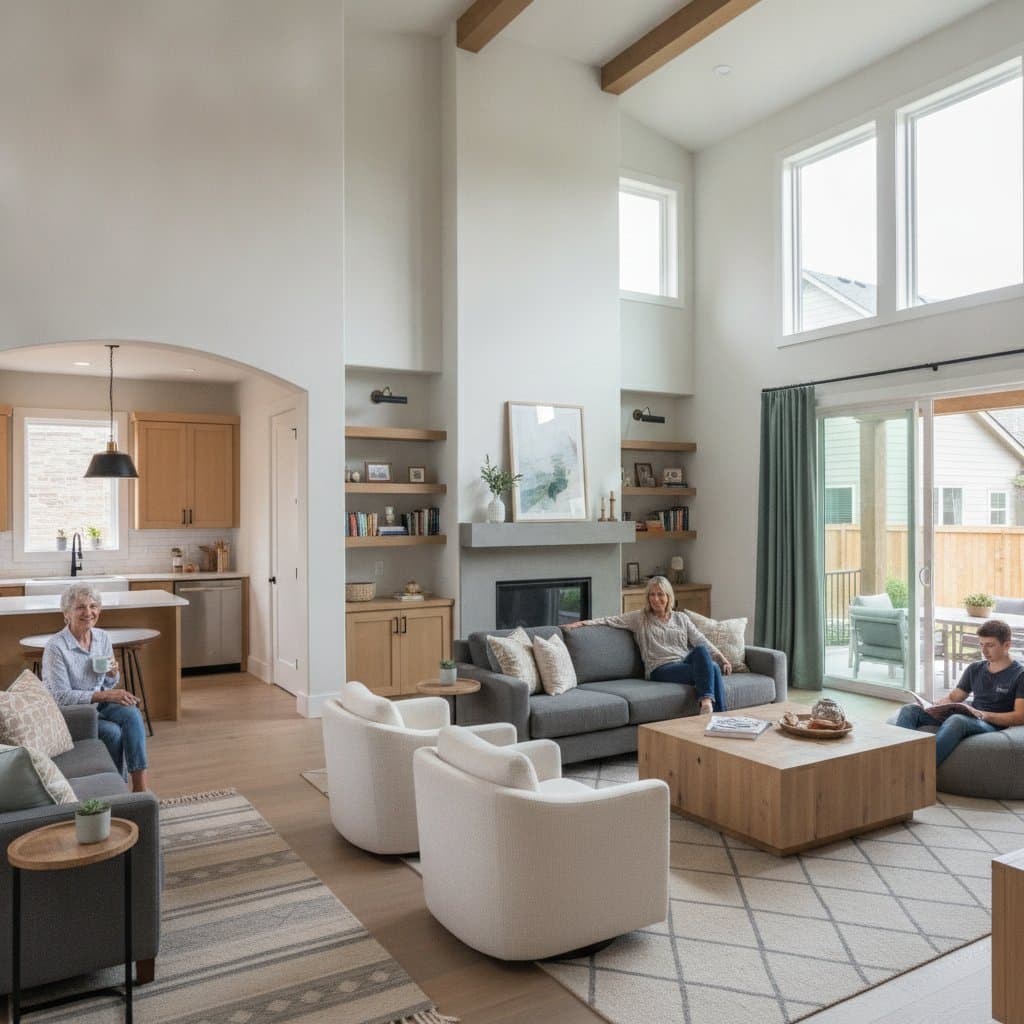
Multigenerational homes cost $150,000 to $450,000 to build or convert. Explore detailed pricing, material options, and planning steps that support family living and long-term value.
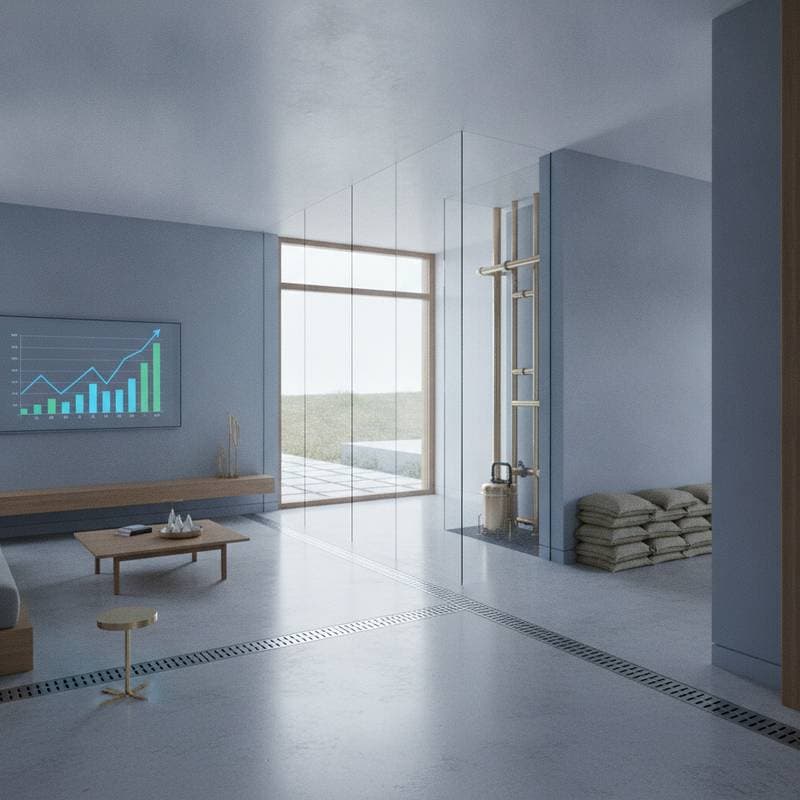
Strengthen your home against rising water with targeted 2026 upgrades. Review sump pumps, French drains, grading, and waterproofing options along with cost ranges, DIY tasks, and professional requirements. Balance protection, budget, and long term value through careful planning and maintenance.
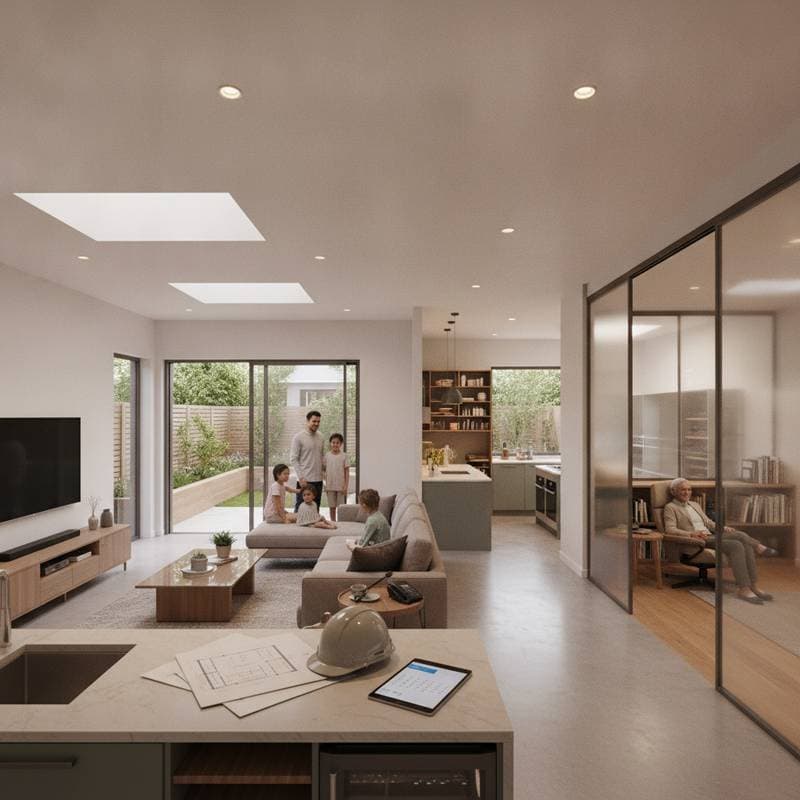
Multi-generational renovations require clear budgets and strong protections. This 2026 cost guide details real price ranges, hidden fees, and steps to protect your investment while creating adaptable family living spaces.
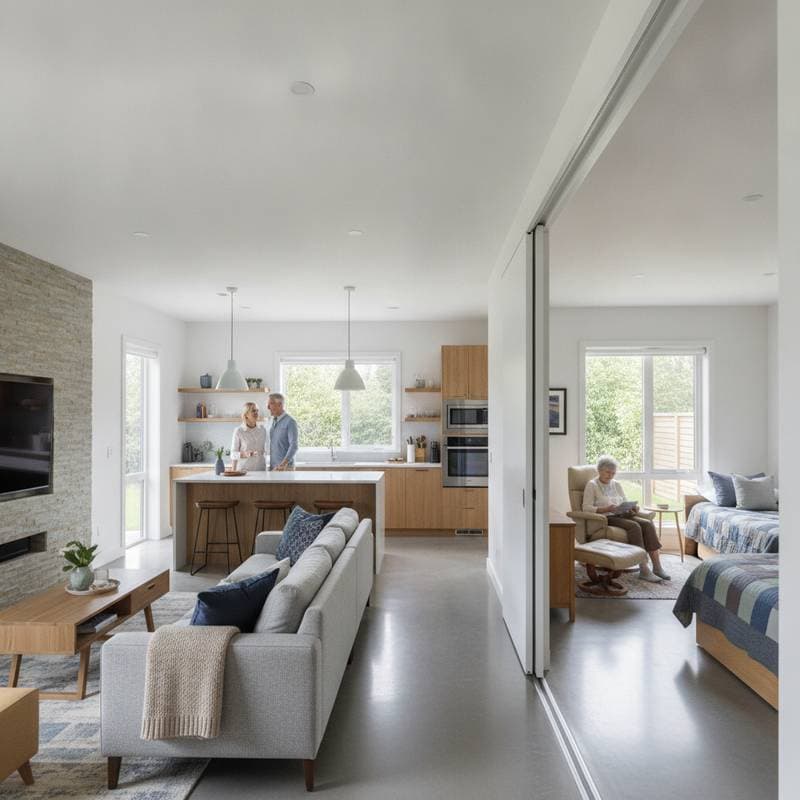
Building a multigenerational home costs $180000 to $480000 and averages $310000 depending on size, materials, and customization. Smart planning and bundled upgrades help control expenses while improving comfort and property value.
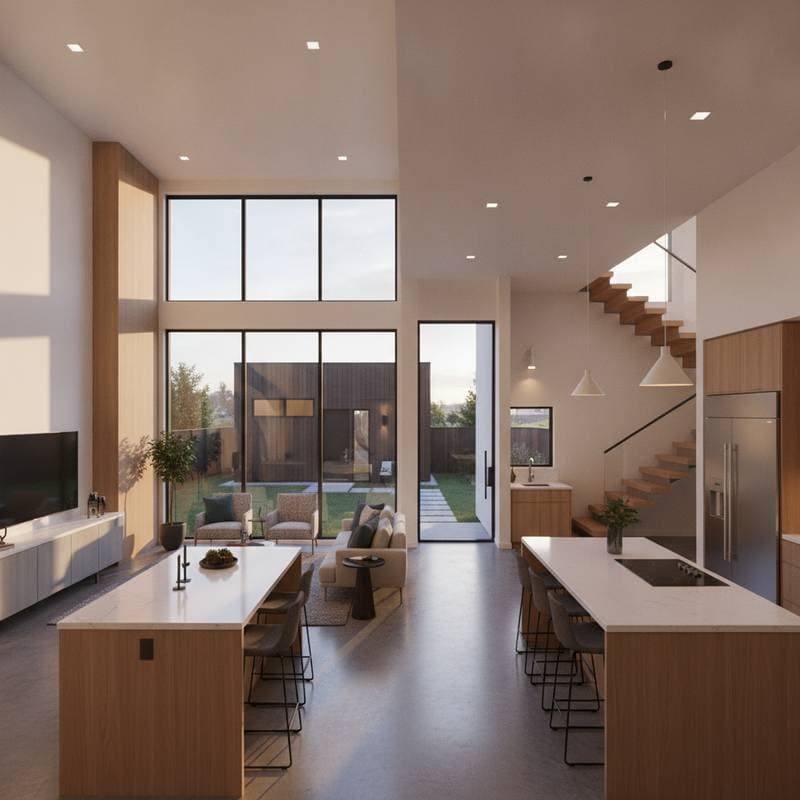
Learn how to plan affordable multigenerational living spaces. Review cost ranges, design choices that control expenses, and maintenance practices that protect your investment over time.
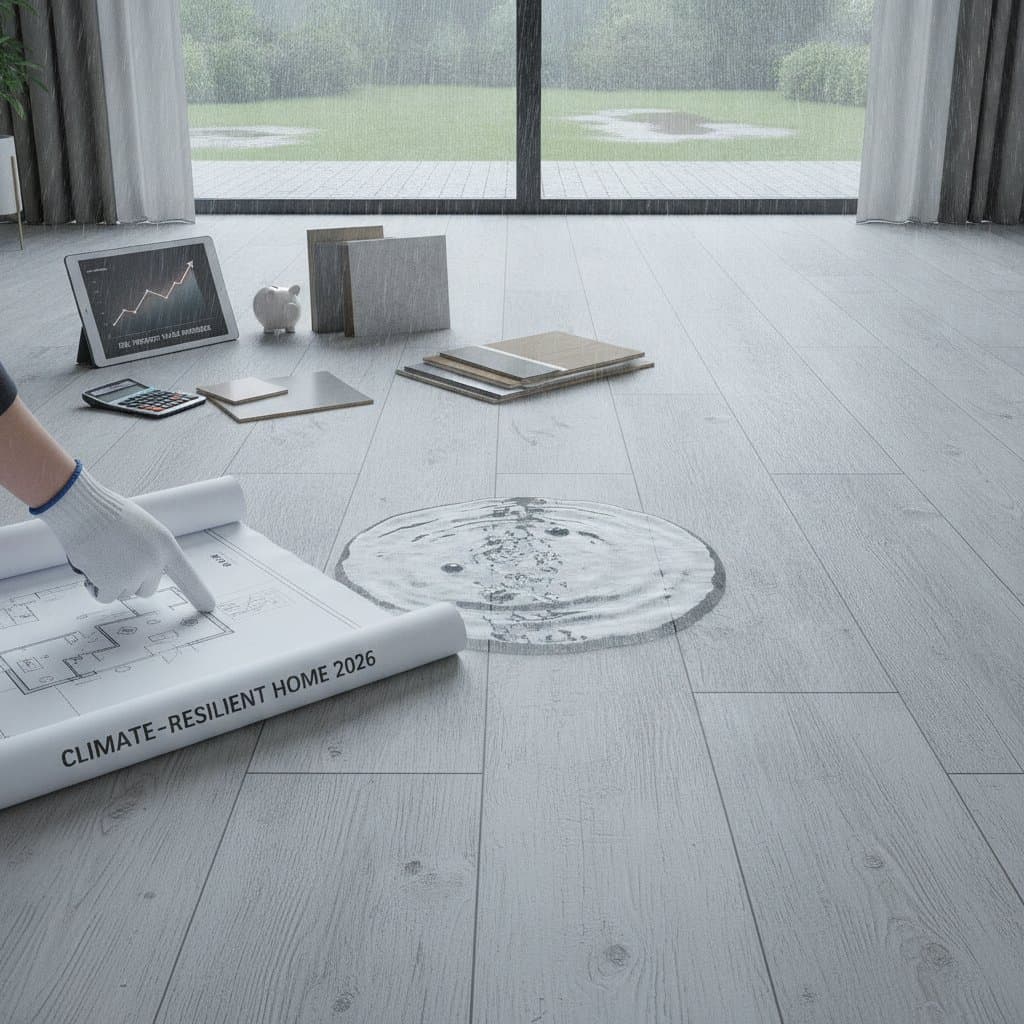
Explore current waterproof flooring costs, material comparisons, and installation options. Find clear pricing ranges and proven ways to balance performance, budget, and long-term resilience.
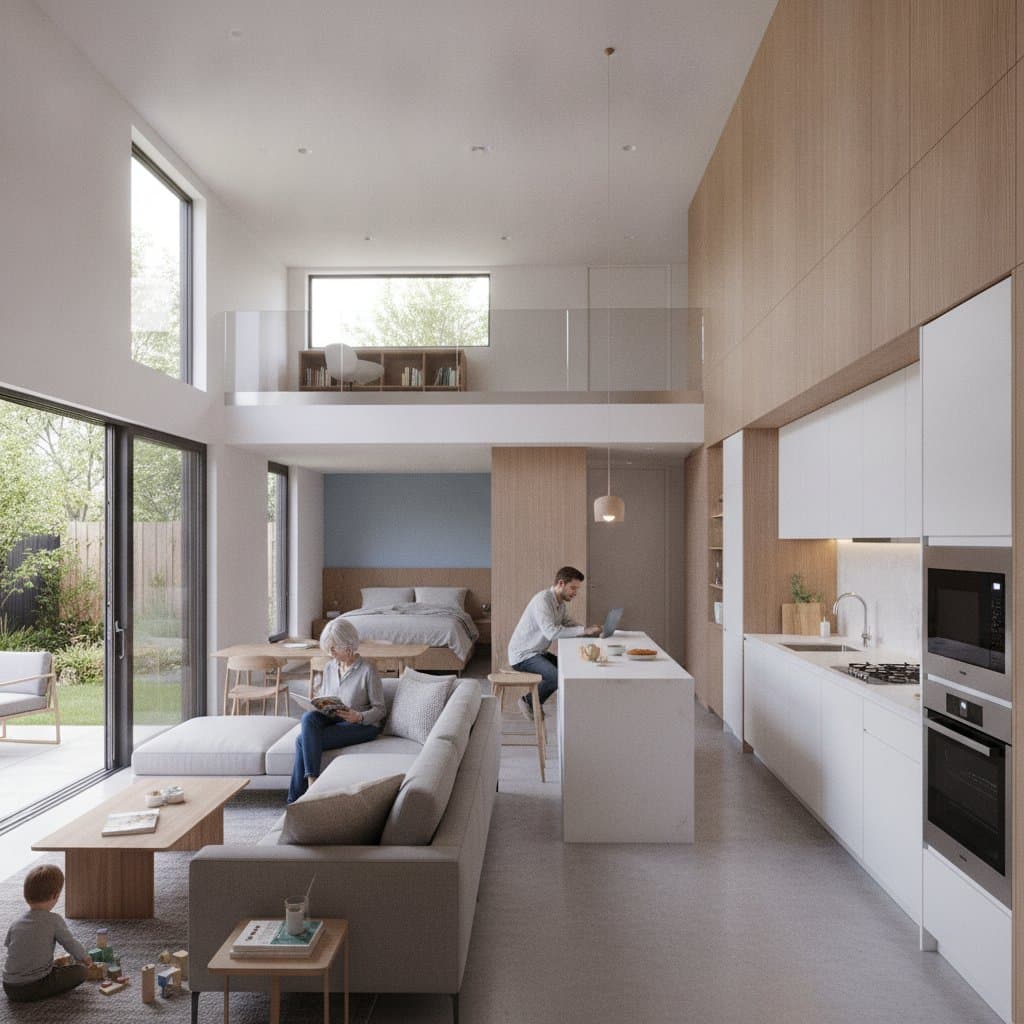
Transform your property into a flexible home for multiple generations. Explore ADU costs, design choices, and practical steps that improve independence and long-term value.
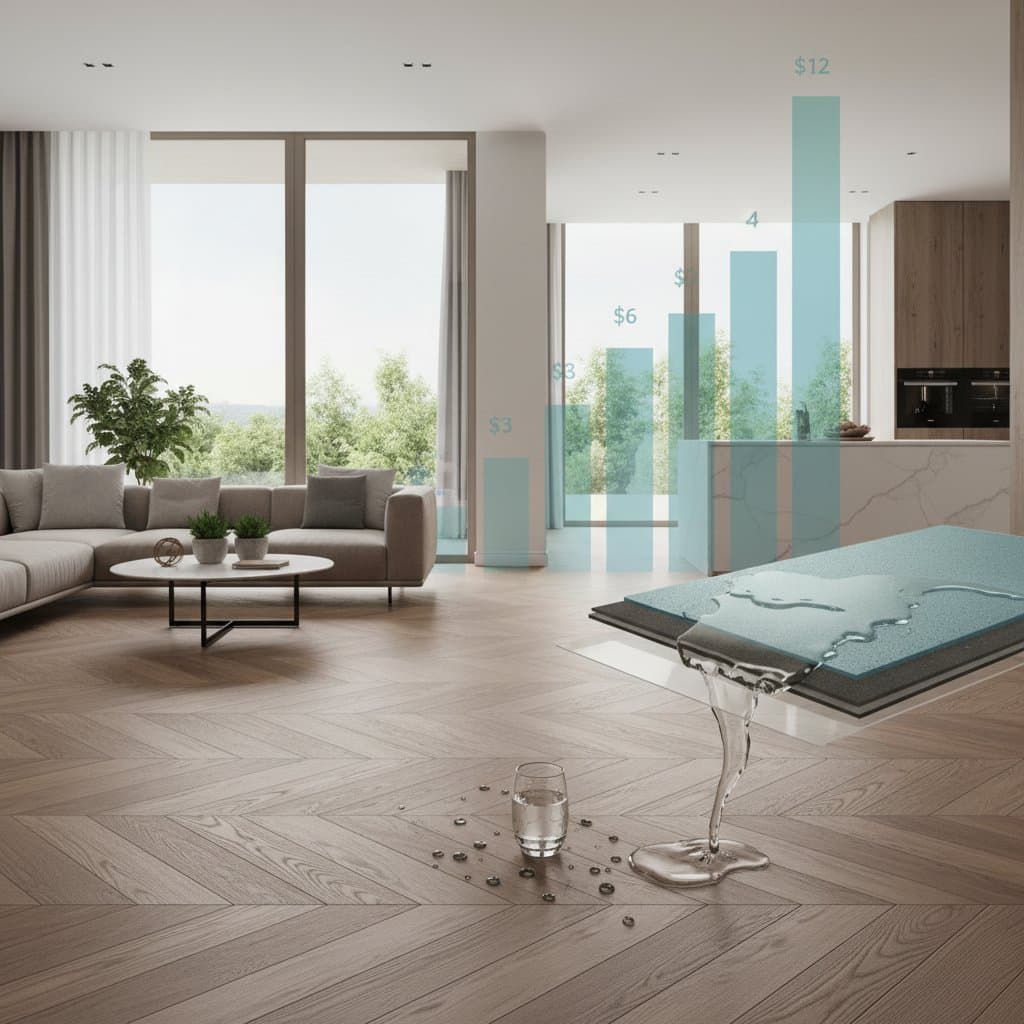
Waterproof flooring costs between $3 and $12 per square foot, balancing durability, comfort, and moisture protection. Material type, installation complexity, and project size drive pricing. With potential long-term savings and higher resale value, investing in professional installation ensures resilient, low-maintenance floors that safeguard homes against costly water damage for decades.
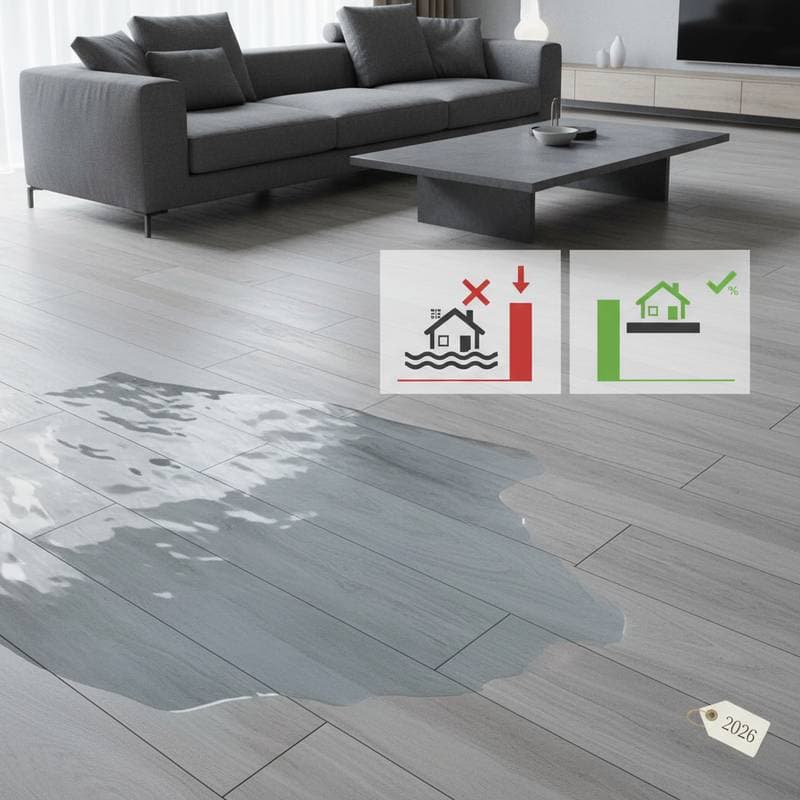
Flood-resistant flooring costs $7 to $28 per square foot installed. Professional systems cut long-term water damage repair expenses by up to 45 percent while adding durability and home value.
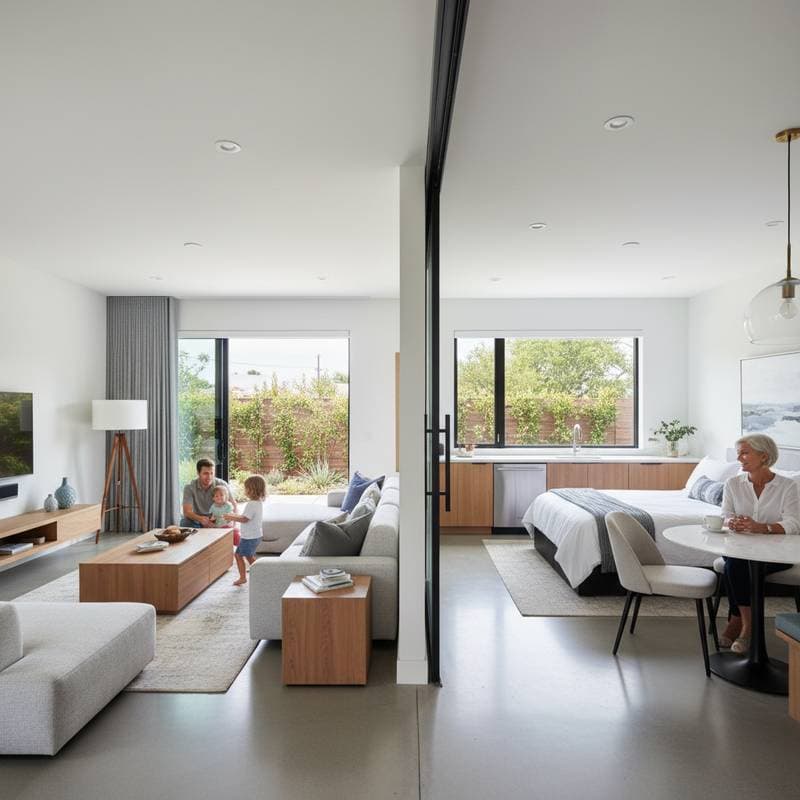
With housing prices climbing and family dynamics shifting, 2026 presents an optimal opportunity for multigenerational home conversions. This comprehensive guide details expenses, planning essentials, permitting processes, and return on investment, empowering homeowners to design adaptable spaces that foster family bonds, enhance property worth, and accommodate evolving needs.
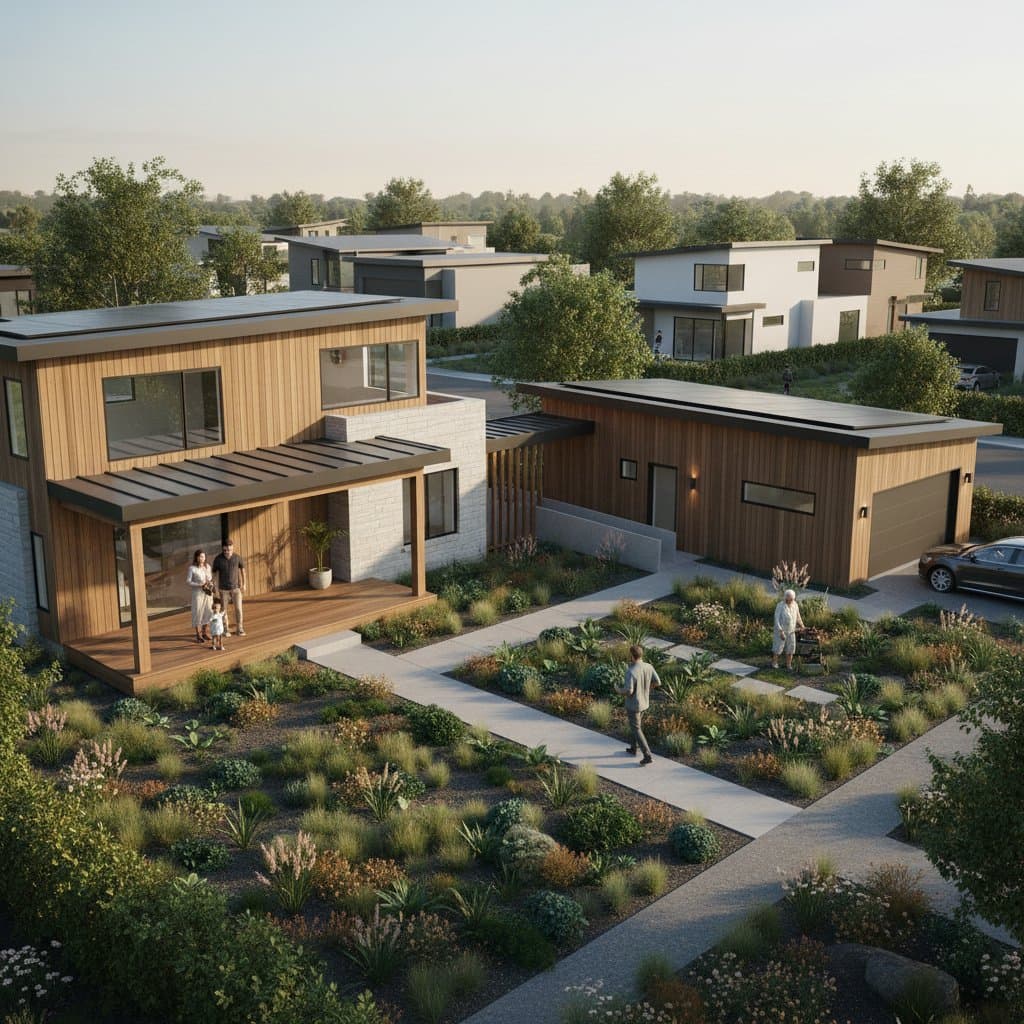
Creating a multigenerational home requires thoughtful design to ensure privacy, ease of access, and shared family moments. This guide covers proven layouts like private suites and accessory dwelling units, along with cost estimates, essential features, and planning strategies to develop a versatile living space that adapts to every generation's evolving needs.
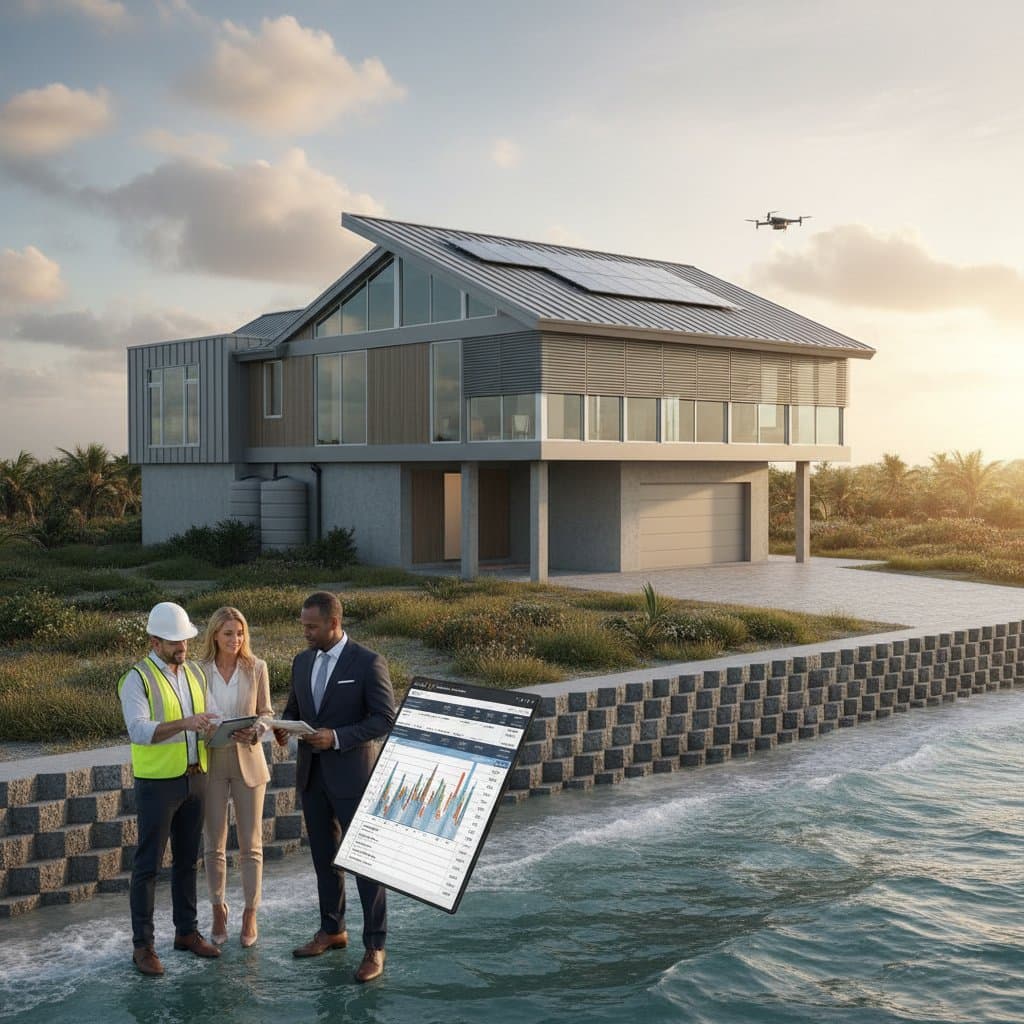
As the 2026 hurricane season approaches, homeowners must prioritize strategic upgrades that blend engineering precision with financial planning. This guide details critical improvements, expense breakdowns, insurance considerations, and maintenance tips to create resilient properties that safeguard lives, assets, and long-term value.
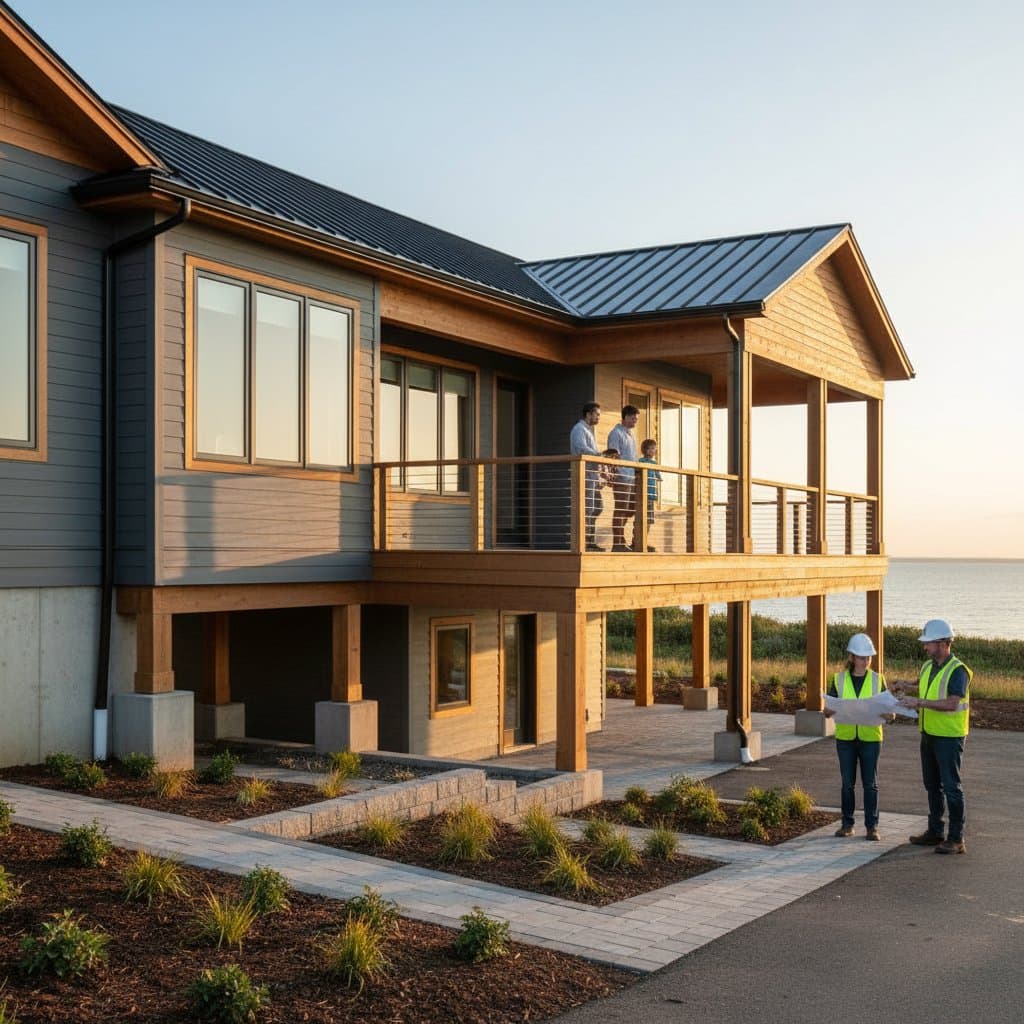
The 2026 building code revisions establish elevated standards for flood resistance by mandating raised foundations, enhanced drainage systems, and resilient building materials. Although initial implementation involves additional expenses, these measures significantly decrease future repair costs and insurance liabilities. Property owners, construction professionals, and regulatory officials should begin preparations immediately to comply with these rigorous requirements and protect communities from escalating flood dangers.
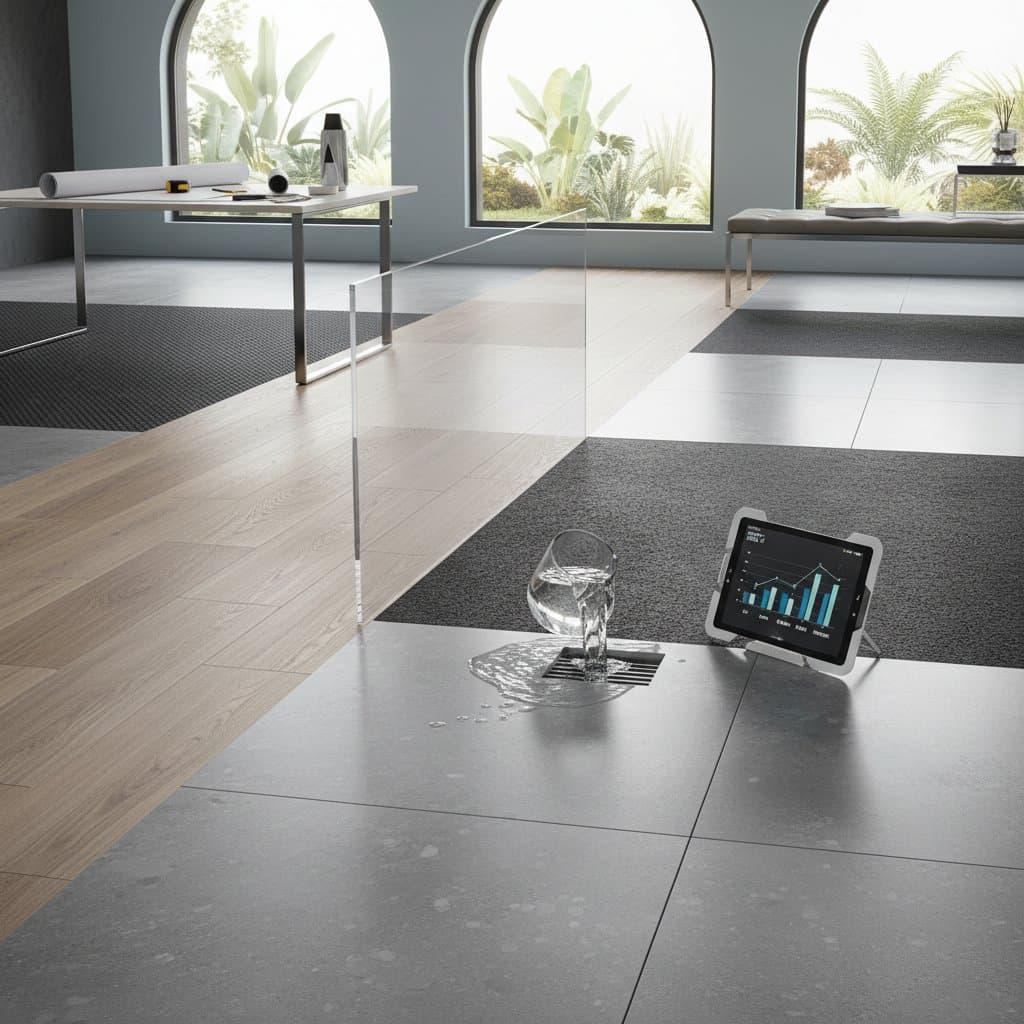
Prepare for floods with this 2026 guide to resilient flooring costs and choices. Delve into vinyl planks, ceramic tiles, sealed concrete, and rubber options, plus installation workflows, DIY versus pro advice, and error avoidance for lasting, budget-friendly protection.