How Much Do Flood Proofing Upgrades Cost in 2026
Flood proofing upgrades protect homes from damage caused by rising water levels and severe weather. Professional flood proofing typically costs between $3,000 and $25,000. Most homeowners spend around $11,500 for a standard project that includes foundation sealing, sump pump installation, and drainage improvements.
Three core factors determine the total cost. These are the size and layout of the home, the materials and systems used, and the severity of flood risk in the property location. Homes in high risk coastal or river adjacent areas often require more extensive measures such as flood barriers or elevation.
Properly implemented flood proofing can reduce potential flood damage by up to 80 percent. Investing in resilient upgrades protects property, reduces long term insurance premiums, and improves resale value.
Detailed Cost Breakdown
Flood proofing services use a mix of per unit and project based pricing. Waterproof coatings and sealants are priced per square foot. Drainage or structural work is based on complexity and labor hours. The national average remains around $11,500. Smaller homes spend near the 25th percentile of $4,500. Median projects fall around $10,000 to $12,000. Comprehensive solutions reach the 75th percentile near $20,000.
Size and Scope
Larger homes require more materials and labor. Foundation sealing averages $4 to $9 per square foot. Each additional 100 square feet can add $400 to $900 to the total bill. A small single story home might need only localized sealing and sump pump installation for about $6,000. A two story home with a basement and attached garage can exceed $18,000 once drainage systems, backflow valves, and wall membranes are installed.
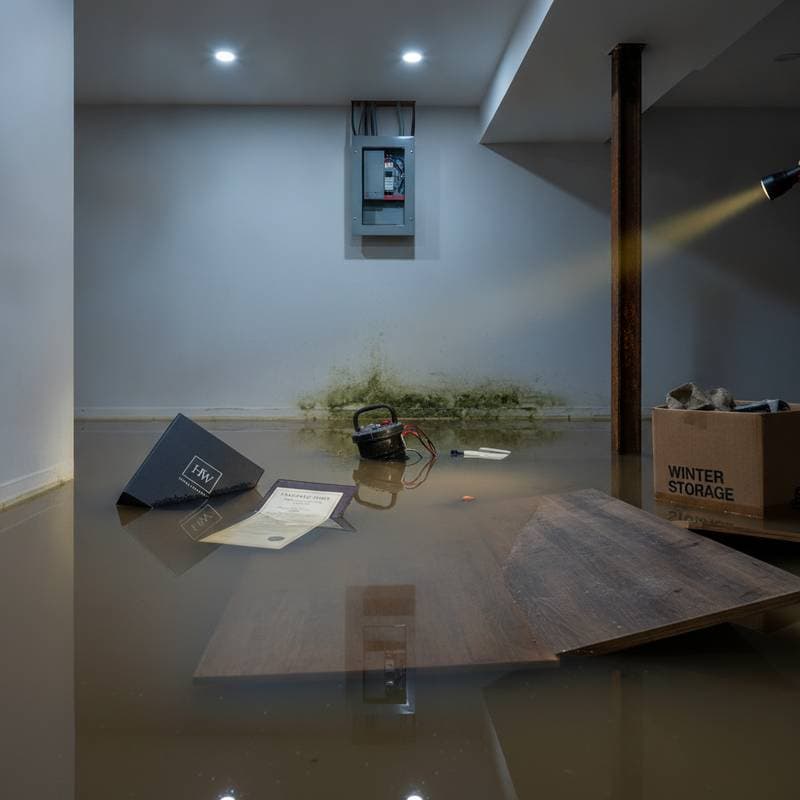
Basement flooding accounts for nearly half of residential water damage insurance claims. Addressing this risk zone first provides the highest cost to benefit ratio.
Material and Quality Tiers
Entry level systems use acrylic or polymer based coatings priced from $2 to $4 per square foot. These last about 5 to 8 years and suit low risk areas.
Mid range systems combine elastomeric membranes, sump pumps, and French drains. Costs range from $9,000 to $14,000 for an average property. They typically include a 10 year warranty.
Premium systems include hydraulic cement foundation repair, flood barriers, and full drainage redesign. Costs can reach $20,000 to $25,000. These systems increase protection levels by up to 90 percent and often carry 20 year performance warranties.
Complexity Variables
Project cost rises with accessibility and existing structural conditions. Limited basement access or damaged concrete can add $1,000 to $3,000 for preparation and excavation. Code compliance in coastal regions can require certified flood vents or elevation adjustments that add $5,000 or more.
Geographic location also matters. Flood proofing in urban coastal zones can cost 20 to 35 percent more than inland projects due to higher labor and permit costs. Homeowners in states with high groundwater levels often require stronger sump systems, adding another $1,500 to $2,500.
Service Types and Pricing
Basic Flood Proofing Package
A standard flood proofing service typically includes foundation crack sealing, interior waterproof coating, sump pump installation, gutter and downspout extensions, and site drainage evaluation. This package usually requires 2 to 4 days of labor for a crew of three. It totals $8,000 to $12,000. It suits homes in moderate risk zones where water occasionally enters basements or crawl spaces.
Premium Flood Proofing Package
Comprehensive flood proofing expands to exterior membrane application, French drain installation, backflow prevention valves, landscape grading and soil recontouring, and smart water alarm systems connected to Wi Fi. This package costs $18,000 to $25,000. It represents roughly a 40 to 50 percent premium over basic service. It offers measurable return through insurance discounts and property value increases estimated at 5 to 8 percent.
Add On Services
- Backflow valve installation costs $900 to $1,400 and prevents sewage backup.
- Yard grading costs $1,200 to $2,800 and directs runoff away from the foundation.
- Smart leak detection systems cost $300 to $700 and provide early warning for leaks.
- Exterior drain tile costs $4,000 to $6,500 and controls subsurface water flow.
Combining services during a single project can save 10 to 15 percent compared to separate installations.
Professional Versus DIY Analysis
DIY Flood Proofing Costs
DIY flood proofing appeals to budget conscious homeowners but includes hidden costs. Materials like masonry sealer, hydraulic cement, and a basic sump pump add up quickly. Renting a concrete grinder or wet vacuum can cost another $75 to $100 per day. A small basement project might total $800 to $1,500 in materials and rentals. Factoring in weekends of labor and potential mistakes raises the effective cost. Fixing failed DIY waterproofing later can double expenses.
DIY methods work best for minor preventative tasks like sealing visible cracks or improving gutter drainage. They do not address high groundwater or structural vulnerabilities.
Professional Advantages
Hiring professionals ensures correct moisture testing, code compliance, and warranty coverage. Certified waterproofing contractors provide transferable warranties valued at $500 to $1,000. They typically complete work in a fraction of the time. Their equipment inventory represents $50,000 or more in assets that homeowners would otherwise need to rent or purchase. A professional project may cost more upfront but saves time, reduces risk, and guarantees results.
Decision Framework
Choose professional service when the basement has standing water or mold, the property sits in a mapped floodplain, or insurance requires certified mitigation proof. DIY is acceptable for light surface sealing or drainage redirection. Always weigh the cost of potential failure against professional reliability and warranty value.
Cost Saving Strategies
Flood proofing costs drop 10 to 20 percent during dry months when contractors experience lower demand. Scheduling midweek appointments can also reduce labor surcharges. Gather at least three written quotes from licensed contractors. Comparing bids often reveals a spread of up to 25 percent for identical services. Request line item pricing to identify negotiable areas such as material markups or disposal fees. Some providers offer 5 percent discounts for cash payments or bundled upgrades.
Homeowners can reduce labor hours by clearing basements, removing old shelving, and ensuring accessible work zones. These steps can cut $200 to $400 from total costs.
Market Dynamics
Flood proofing costs vary widely across regions. Coastal cities often carry a 30 percent urban premium due to higher labor rates and stricter permitting. Rural areas may face limited contractor availability but benefit from lower hourly charges. Material prices fluctuate with supply chain conditions. Monitoring market trends before contracting can help lock in lower rates. Skilled labor shortages influence lead times. Booking early ensures better pricing and reliable scheduling.
Proper flood proofing can increase resale value by 4 to 8 percent. Energy efficient sump systems reduce power consumption by 15 percent. Improved drainage lowers long term maintenance costs.
Related Services
Comprehensive climate resilience often includes complementary services. Foundation repair costs $2,500 to $10,000. It stabilizes structures before waterproofing and increases longevity of flood protection systems. Roof drainage upgrades range from $1,200 to $3,000. They ensure rainwater is directed safely away from the home to prevent hydrostatic pressure on foundations. Landscaping and grading services range from $1,000 to $4,000. They improve runoff flow and reduce pooling near walls.
Long Term Protection
Homeowners who invest in professional grade flood protection now position their properties for emerging climate challenges and insurance incentives. Reviewing upgrades every few years ensures that systems remain aligned with local flood maps and technological improvements.