AMS Home Guides Logo
Home
Remodeling Cost ComparisonsAbout
AMS Home Guides Logo

Your comprehensive resource for home guides, cost guides, and home warranty information.

HomeAboutAll ArticlesSearchPrivacyTerms

© 2026 AMS Home Guides. All rights reserved.

  1. Home
  2. /
  3. Home Guides
  4. /
  5. ADU Garage Conversions Cost $90K–$180K in 2026
Home Guides

ADU Garage Conversions Cost $90K–$180K in 2026

byMelissa Flowers
2026-06-30 04:40:50June 30, 2026
5 min read
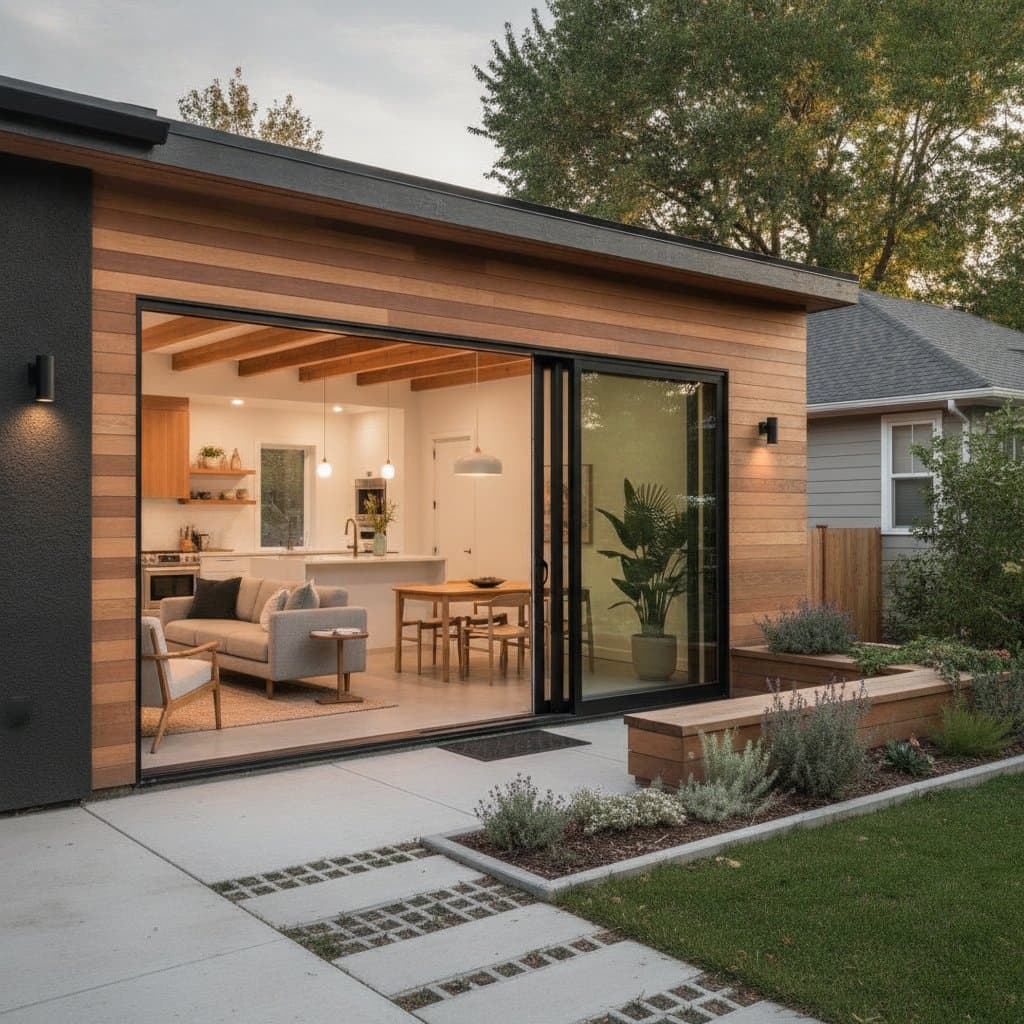
Featured image for ADU Garage Conversions Cost $90K–$180K in 2026
2026-06-30 04:40:50
AMS - Home Guides, Cost Guides, Home Warranty

Garage Conversion to ADU: 2026 Cost Estimates and Process

Summary Box

What it is
An ADU garage conversion turns an existing attached or detached garage into a legal accessory dwelling unit with a kitchen, bathroom, and sleeping area.

Why it matters
It adds living space for family members or tenants without expanding the home footprint. This approach proves valuable in high-cost housing markets.

Typical cost and what changes it
National average runs from $90,000 to $180,000, depending on size, finishes, plumbing runs, and local code upgrades.

When to hire a pro
Always hire a licensed general contractor for structural, plumbing, and electrical work. DIY remains limited to demolition, insulation, and finishes.

How long it takes
Expect 12 to 20 weeks, including design, permits, and construction.

Maintenance interval
Treat the space like a small house. Inspect roofs, seals, and mechanical systems each year.

Key Components of a Converted Garage

A well-planned conversion includes several essential elements.

  1. Foundation and Slab: Most garages sit on a concrete slab that may need moisture barriers or insulation.
  2. Framing and Insulation: Walls, ceiling, and floors must meet residential insulation standards for energy efficiency.
  3. Plumbing and Electrical: New lines for water, drains, and power often represent the largest single cost.
  4. Heating and Cooling: Mini-split heat pumps serve as the most common option for compact ADUs.
  5. Windows and Doors: These elements provide light, ventilation, and fire egress.
  6. Kitchen and Bath Fixtures: Compact layouts rely on small appliances and efficient plumbing fixtures.
  7. Finishes: Drywall, flooring, cabinetry, and trim complete the space.

Each system must meet local residential codes, which differ from garage or storage standards.

Step-by-Step Process

1. Feasibility Review
Start with the local planning department. Confirm zoning, setbacks, and parking requirements. In many areas, single-family lots may add one ADU and one junior ADU.

2. Design and Planning
Hire a designer or architect experienced with small-space layouts. Include a kitchen, bathroom, sleeping area, and accessible entry. Plan for sound separation if the unit is attached.

3. Structural Evaluation
A structural engineer checks the slab, framing, and roof for residential loads. Reinforcement or underpinning may be required.

4. Permitting
Submit drawings for building, electrical, plumbing, and mechanical permits. Some cities offer express ADU programs with pre-approved plans.

5. Demolition and Rough-in
Remove garage doors, old wiring, and non-load-bearing elements. Install new plumbing, electrical circuits, and HVAC lines.

6. Framing and Insulation
Frame interior walls, add vapor barriers, and insulate per code. Use closed-cell spray foam or rigid panels on slabs for comfort.

7. Drywall, Windows, and Finishes
Hang drywall, install energy-rated windows, then complete flooring and trim.

8. Fixtures and Final Inspection
Install kitchen cabinets, bath fixtures, and lighting. Schedule final inspections for occupancy approval.

DIY versus Professional Work

Category DIY Feasible Pro Required
Demolition Yes
Framing and insulation Yes, for experienced DIYers
Electrical Yes, licensed electrician
Plumbing Yes, licensed plumber
HVAC installation Yes, licensed HVAC tech
Drywall and painting Yes
Permitting and inspections Yes, handled by contractor
Structural modifications Yes, licensed contractor

Skill Level
Intermediate to advanced for non-structural work.

Safety Risk
Moderate to high. Electrical, gas, and structural elements involve serious hazards.

Tools Required
Saw, drill, insulation tools, drywall kit, safety gear.

Permit or Code
Always. Any conversion into living space requires full residential compliance.

Time Required
12 to 20 weeks with a professional team. DIY work can double that timeline.

Warranty Impact
Licensed work preserves resale value and ensures insurance coverage.

Maintenance and Lifespan

Converted garages last as long as any small home when built correctly. Expect normal maintenance intervals.

  • Annual: Inspect roof, flashings, and gutters.
  • Every 2 years: Test smoke and CO alarms.
  • Every 5 years: Reseal exterior paint and inspect caulking.
  • Every 10 years: Replace mini-split filters and check refrigerant lines.

Durability depends on moisture control. Vapor barriers, proper grading, and sealed slabs protect against long-term damage.

Frequently Asked Questions

Can I keep part of the garage for storage?
Yes, if zoning allows. Many plans divide space with a fire-rated wall.

Does an ADU need separate utilities?
Not always. Shared water and power lines are common, but separate meters simplify rental billing.

Will the conversion increase property taxes?
Yes, the new living space adds assessed value. Local rules set the percentage increase.

Do I need additional parking?
Most areas no longer require new parking for conversions, but confirm with the local zoning office.

Can I rent out the ADU immediately?
Only after final inspection and occupancy approval.

Is soundproofing necessary?
Strongly recommended for attached garages. Use acoustic insulation and solid-core doors.

What size counts as a legal ADU?
Typically between 200 and 1,200 square feet, depending on lot and local code.

Will converting affect home resale?
Yes, a legal ADU usually raises resale value and buyer interest.

Next Steps for Your Project

An ADU garage conversion offers one of the most efficient ways to expand living space for multigenerational households. It delivers privacy, flexibility, and long-term value without enlarging the main home. Begin with a feasibility check, confirm zoning, then hire a qualified contractor who has completed similar conversions. Budget realistically, plan for code compliance, and choose materials that fit the local climate. With careful design and professional execution, a converted garage becomes a comfortable, durable home that serves family needs for decades.
You may also like

Image for Granny Pod Costs: $90K-$250K for 2026 Installs

Granny Pod Costs: $90K-$250K for 2026 Installs

June 29, 2026
Image for Multigenerational Homes Cost $150K-$450K to Build

Multigenerational Homes Cost $150K-$450K to Build

June 29, 2026
Image for Modular Homes Cost $140-$320 Per Square Foot in 2026

Modular Homes Cost $140-$320 Per Square Foot in 2026

June 29, 2026

Tagged:

ADU,multigenerational,living,costs,garage,conversion,homes,space,adu-conversion-costs,garage-to-living-space

Related: ADU

Image for Granny Pod Costs: $90K-$250K for 2026 Installs

Granny Pod Costs: $90K-$250K for 2026 Installs

June 29, 2026
Image for Multigenerational Homes Cost $150K-$450K to Build

Multigenerational Homes Cost $150K-$450K to Build

June 29, 2026
Image for Multigenerational Renovations Cost $80K-$250K in 2024

Multigenerational Renovations Cost $80K-$250K in 2024

June 28, 2026
Image for Modular ADUs Cost $180K on Average in 2026

Modular ADUs Cost $180K on Average in 2026

June 28, 2026
Image for ADU Costs Jump 35% as Labor and Materials Soar

ADU Costs Jump 35% as Labor and Materials Soar

June 26, 2026

Home Guides

Multigenerational Homes Cost $150K-$450K to Build

Multigenerational homes cost $150,000 to $450,000 to build or convert. Explore detailed pricing, material options, and planning steps that support family living and long-term value.

June 29, 2026

Multigenerational Renovations Cost $80K-$250K in 2024

Multigenerational renovations balance comfort, privacy, and future adaptability, typically costing $80,000 to $250,000. Smart layouts, material choices, and professional planning can boost property value substantially. Learn how size, design complexity, and finish tiers shape budgets along with cost saving strategies that maximize return on investment and long term livability.

June 28, 2026

Flood Proofing Cuts Damage Risk 80% for $22,500

Flood proofing upgrades in 2026 cost 5000 to 48000 dollars and deliver strong protection, insurance savings, and higher property value. Costs depend on home size, materials, and location. Professional installation ensures compliance and durability.

June 26, 2026

Home Battery Backup Beats Generators in 2026

Home battery backup systems offer quiet, fuel free power during outages and can pair with solar for savings. Expect costs between $8,000 and $18,000 installed. Lithium batteries, professional setup, and annual maintenance ensure reliability. Ideal for frequent outages, these systems deliver energy security, lower bills, and long term peace of mind.

June 25, 2026

Flood-Resistant Flooring Cuts Repair Costs 70%

Discover how flood-resistant flooring can safeguard your home and budget. This guide breaks down material options, installation costs, DIY versus professional value, and cost-saving strategies. Learn why investing $4 to $14 per square foot today can cut future flood repair expenses by up to 70 percent while boosting property value.

June 25, 2026

Garage ADU Conversion Runs $80K to $175K in 2026

Transforming a garage into an ADU in 2026 costs $80,000 to $175,000 on average, with permits, design, and skilled labor driving expenses. Learn how size, materials, and site conditions affect pricing, what permits you will need, and smart ways to save without cutting corners plus expert tips for hiring, scheduling, and maximizing ROI.

June 25, 2026

Flood-Proofing Your Home: $3K to $25K in 2026

Strengthen your home against rising water with targeted 2026 upgrades. Review sump pumps, French drains, grading, and waterproofing options along with cost ranges, DIY tasks, and professional requirements. Balance protection, budget, and long term value through careful planning and maintenance.

June 24, 2026

Greywater Systems Cut Home Water Use by 40 Percent

Greywater systems capture water from sinks, showers, and laundry for garden irrigation and toilet flushing. This guide covers system options, costs, installation, safety requirements, and upkeep to help homeowners lower consumption while meeting local codes.

June 22, 2026

Greywater Systems Cut Indoor Water Use by Half

Greywater systems capture water from everyday household sources and redirect it for irrigation or toilet flushing, delivering substantial reductions in water bills and resource consumption when properly planned and maintained.

June 22, 2026

Home Battery Backup: $10K-$20K Investment Guide 2026

Home battery backups maintain power during outages and may reduce electricity expenses. Their typical price range of 10000 to 20000 dollars requires careful assessment. This guide covers operation, pricing influences, and professional installation requirements to support informed decisions.

June 21, 2026

Flood Risk Now Threatens Homes Beyond Coastal Zones

Rising flood risks now affect inland properties. This guide details 2026 climate upgrades that combine structural work, financial planning, and contract review to build lasting resilience.

June 20, 2026

ADU Costs: $210K Average for Multigenerational Living

ADUs deliver independent living space for extended families at an average cost of $210,000. Professional builds raise property value by up to 25 percent and adapt to changing household needs over time.

June 20, 2026

Balancing Privacy and Shared Spaces for Multiple Generations

Multigenerational homes succeed when privacy, costs, and daily routines receive equal attention. This guide supplies concrete steps for layout planning, expense tracking, and long term reviews that keep family living sustainable.

June 19, 2026

AI Home Inspections Cut Error Rates by 40 Percent

AI home inspections in 2026 deliver faster and more accurate property assessments while cutting error rates by up to 40 percent. Costs range from $250 to $750 depending on features, size, and technology level. Predictive insights and professional reliability transform how buyers evaluate home investments.

June 18, 2026

Multigenerational Home Layouts: $150K to $420K Costs

Learn how to plan affordable multigenerational living spaces. Review cost ranges, design choices that control expenses, and maintenance practices that protect your investment over time.

June 17, 2026

Waterproof Flooring Costs $5-12 Per Square Foot in 2026

Explore current waterproof flooring costs, material comparisons, and installation options. Find clear pricing ranges and proven ways to balance performance, budget, and long-term resilience.

June 15, 2026

Granny Pod Costs and Zoning Rules for 2026

Granny pods are compact backyard homes for relatives or rental income. Expect costs from $90,000 to $280,000, influenced by materials, hookups, and permits. Zoning rules, setbacks, and utility access determine feasibility. Learn how to plan, budget, and navigate regulations before building your own ADU.

June 15, 2026

Smart Layouts That Let Generations Share One Home

Discover how 2026 home designs are redefining multigenerational living with smart, flexible layouts. Learn to balance shared and private zones, integrate accessibility, and adapt spaces as family needs evolve. From ADUs to soundproofing, this guide shows how thoughtful design fosters independence, connection, and long-term value under one roof.

June 14, 2026

Balancing Privacy and Proximity Under One Roof

Multigenerational living in 2026 requires thoughtful layouts that preserve independence while controlling costs. This guide covers zoning considerations, soundproofing methods, accessibility upgrades, and budgeting steps for homes that serve multiple generations effectively.

June 14, 2026

Flood Prevention Upgrades Cut Damage Risk 80 Percent

Flood prevention upgrades can cut damage risk by 80 percent while boosting property value. Costs range from $3,000 for basic systems to $22,000 for premium packages. Discover how professional installation, smart planning, and seasonal timing maximize protection and savings.

June 13, 2026

Categories

Appliance & System Coverage
Cost Guides
Home Guides
Home Warranty Basics
Outdoor & Exterior Guides
Remodeling Cost Comparisons
Room-by-Room Guides