Reducing Home Water Consumption Through Greywater Systems
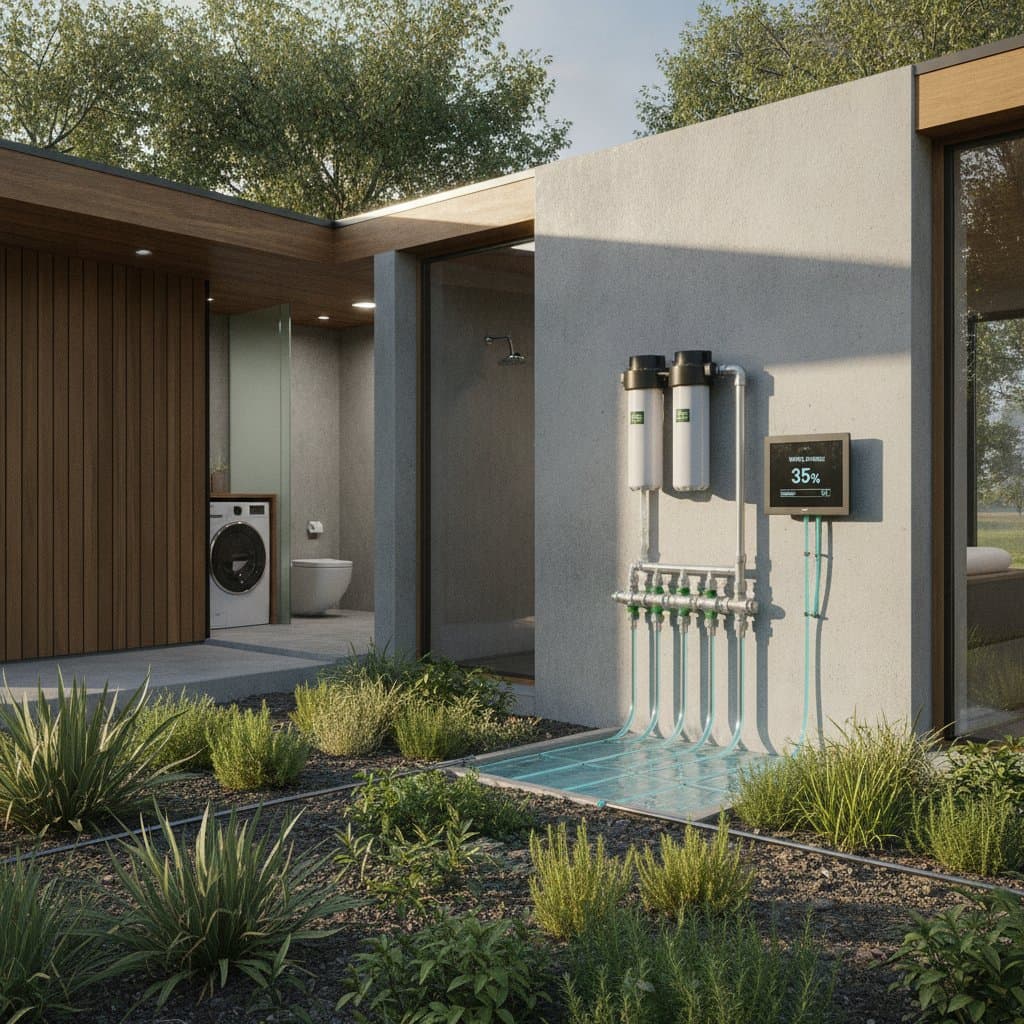
A legal greywater system reuses water from sinks, showers, and laundry for irrigation or toilet flushing. This approach cuts household water use by up to half when installed correctly. It also reduces strain on septic systems and lowers utility bills.
- Confirm local permit requirements before any work begins.
- Select sources such as laundry machines or bathroom sinks.
- Choose between direct diversion and filtered storage based on reuse goals.
- Budget for installation costs ranging from 800 to 6000 dollars.
- Plan for regular filter cleaning and system inspections.
- Separate greywater lines from blackwater plumbing to avoid contamination.
- Test the full setup for leaks and backflow before regular use.
Importance of Greywater Recycling
Greywater recycling stretches limited water supplies. It supports garden health during dry periods and decreases demand on municipal systems. Many regions now permit such systems provided they meet plumbing codes and safety standards.
Choices to Consider First
Decide whether the water will serve outdoor irrigation or indoor toilet flushing. Identify which fixtures will supply the greywater. Determine if a simple diverter or a tank with filtration fits the site conditions. Review all local rules on permits and inspections. Assess ongoing maintenance needs against available time and budget.
System Types and Their Characteristics
| Type | Operation | Advantages | Limitations |
|---|---|---|---|
| Laundry-to-landscape | Sends washing machine discharge straight to garden beds | Low cost and straightforward setup | Restricted to outdoor use only |
| Branched drain | Routes water from several fixtures through gravity lines | No electricity required for pumps | Needs precise pipe slopes and clean runs |
| Filtered tank | Stores and treats water for later indoor or drip use | Delivers the largest savings and indoor options | Involves more components and scheduled upkeep |
Installation Costs and Factors
Basic laundry systems typically range from 800 to 2000 dollars. Filtered setups with pumps and tanks cost between 3000 and 6000 dollars. Expenses increase when trenching, larger pumps, permit reviews, or work inside finished spaces is required.
Installation Sequence
- Obtain permits and review code details with authorities.
- Separate greywater sources from blackwater lines.
- Install diverter valves, filters, and distribution piping.
- Conduct leak and backflow tests under inspection.
- Connect the final irrigation or toilet loop.
Basic systems often finish in one weekend. More involved projects require additional days plus inspection scheduling.
Installation Approach
Laundry-to-landscape setups suit experienced do-it-yourselfers and take four to eight hours. Any connection to household plumbing, pumps, or toilets warrants a licensed plumber. Proper fittings, clear labeling of reused lines, and avoidance of cross connections remain essential.
Required Materials
- Diverter valve
- PVC or HDPE pipe
- Hose clamps and fittings
- Filter screen or cartridge
- Pump and tank for advanced designs
- Basic tools including shovel, pipe cutter, and sealant
Upkeep Requirements
Clean filters several times each year. Check valves and emitters for blockages. Replace tubing every five to ten years. Well maintained systems commonly operate beyond ten years.
Climate Considerations
Dry regions benefit most because greywater sustains landscapes under watering restrictions. Cold areas require complete drainage of outdoor lines before freezing temperatures arrive.
Planning Your Greywater Installation
Begin with a simple laundry diversion to observe soil and plant response. Scale to a filtered system once local conditions are understood. Verify all code requirements prior to starting plumbing work. The result is lower bills, improved landscape resilience, and reduced overall water demand.