AMS Home Guides Logo
Home
Remodeling Cost ComparisonsAbout
AMS Home Guides Logo

Your comprehensive resource for home guides, cost guides, and home warranty information.

HomeAboutAll ArticlesSearchPrivacyTerms

© 2026 AMS Home Guides. All rights reserved.

  1. Home
  2. /
  3. Home Warranty Basics
  4. /
  5. Floor Coverage in Home Warranties vs Replacement Costs
Home Warranty Basics

Floor Coverage in Home Warranties vs Replacement Costs

byNicole Stambaugh
2026-07-17 03:41:39July 17, 2026
5 min read
Featured image for Floor Coverage in Home Warranties vs Replacement Costs
2026-07-17 03:41:39
AMS - Home Guides, Cost Guides, Home Warranty

Flooring Costs Versus Home Warranty Coverage in 2026

Quick Reference

  • National average project cost ranges from 1800 to 4200 dollars per room.
  • Material prices span 2 to 25 dollars per square foot depending on type.
  • Installation requires one to five days based on material and room conditions.
  • Home warranties cover only narrow cases tied to appliance or plumbing failures.
  • Professional installation preserves most manufacturer warranties.
  • Quality flooring returns 50 to 80 percent of cost at resale.
  • Updated January 2026.

Material and Labor Costs

Prices vary by material, room size, and site conditions. The table below shows typical expenses for a 200 square foot room.

Material or Service Unit Cost Line Total Notes
Vinyl plank 2 to 5 dollars per square foot 400 to 1000 dollars Suitable for DIY
Laminate 3 to 7 dollars per square foot 600 to 1400 dollars Moderate DIY skill needed
Engineered hardwood 6 to 12 dollars per square foot 1200 to 2400 dollars Professional install advised
Solid hardwood 8 to 15 dollars per square foot 1600 to 3000 dollars Requires sanding and finishing
Tile 7 to 25 dollars per square foot 1400 to 5000 dollars Labor intensive
Labor 2 to 6 dollars per square foot 400 to 1200 dollars Varies with prep work
Subfloor repair 1 to 3 dollars per square foot 200 to 600 dollars Common before new install
Removal and disposal 100 to 300 dollars flat 100 to 300 dollars Includes old flooring haul away
Permits 50 to 150 dollars flat 50 to 150 dollars Required only for structural changes

Additional items such as soundproof underlayment, moisture barriers, and trim add between 0.25 and 5 dollars per square foot or linear foot. Most municipalities waive permits unless subfloor work occurs. Disposal fees increase when old adhesives or asbestos appear.

Key Price Drivers

Room size affects total cost more than per square foot rates. Larger areas lower labor cost per foot yet raise the overall bill. Higher grade finishes cost more upfront yet reduce later maintenance. Basements, stairs, and odd layouts extend labor time. Spring and fall bring peak demand and higher rates. Custom patterns or inlays can double labor charges.

Home Warranty Limitations

A home warranty functions as a service contract for selected systems and appliances. Flooring receives limited attention because policies classify it as a finish rather than a mechanical component.

Covered Situations

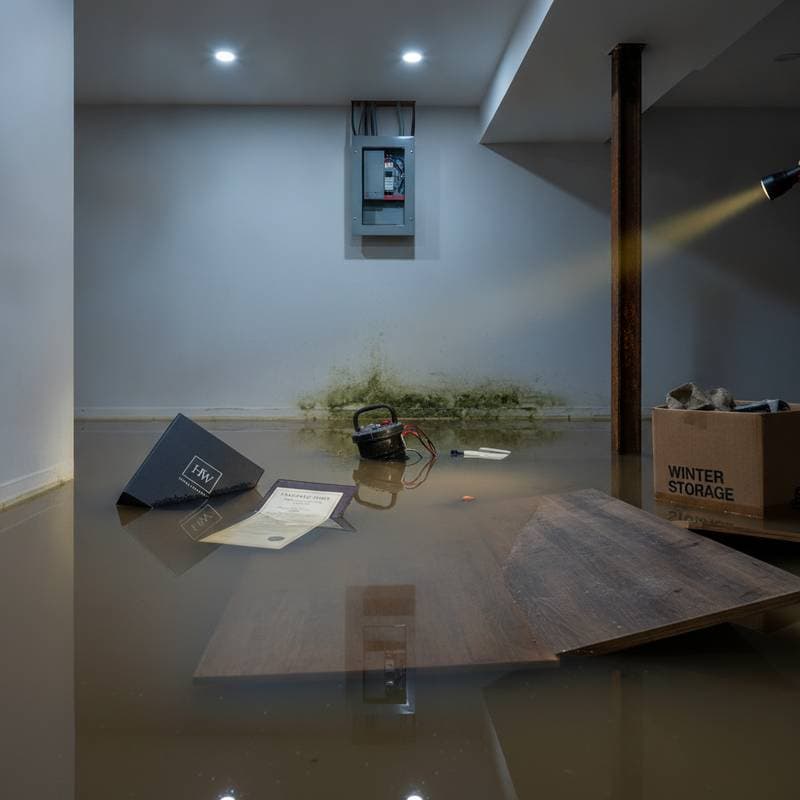
  • Water damage from a leaking covered appliance such as a dishwasher.
  • Subfloor damage linked directly to a covered plumbing failure.
  • Small patch repairs when tied to an approved claim.

Exclusions

Wear from daily use, improper installation, humidity related warping, and pet or furniture damage fall outside coverage. Policies reimburse only when a covered system failure causes the floor issue.

Installation Choices

Capable homeowners can install floating vinyl or laminate in small rooms, replace trim, and seal seams. Glue down hardwood, tile work, subfloor leveling, and moisture testing require licensed professionals. Manufacturer warranties often demand professional installation. Keep all receipts to maintain coverage.

Safety measures include dust masks, eye protection, gloves, and hearing protection during cutting. Electrical baseboard heaters need proper clearance per code.

Cost Control Strategies

Engineered hardwood offers a similar appearance at lower cost than solid wood. Luxury vinyl plank resists moisture in kitchens and basements. Standard trim profiles reduce expense compared with custom milling. Remove furniture ahead of crews, verify a clean dry subfloor, and order ten percent extra material to prevent shortages. Schedule work during slower months for better rates and combine rooms for volume discounts.

Obtain three written bids. Confirm each quote lists scope, material brand, prep work, disposal, permits, warranty terms, and a milestone payment schedule.

DIY Vinyl or Laminate Steps

Confirm the product matches subfloor type and moisture levels before starting. Required tools include a tape measure, utility knife, tapping block, pull bar, spacers, circular saw, safety glasses, knee pads, and a vacuum.

  1. Calculate square footage and add ten percent waste allowance. Decide pattern direction for best light.
  2. Remove old flooring and debris. Level the subfloor and fill dips over one eighth inch.
  3. Roll out and tape underlayment seams.
  4. Allow planks to acclimate in the room for two days.
  5. Place the first row with spacers for expansion gaps and lock planks.
  6. Stagger seams at least eight inches and continue across the room.
  7. Cut the final row, remove spacers, and install baseboards.
  8. Vacuum and inspect joints.

Stop and consult a contractor if the subfloor shows moisture or major unevenness.

Project Timeline

Special order materials arrive in two to four weeks. Vinyl or laminate jobs finish in one day. Hardwood or tile projects may span five days including curing. Inspect the subfloor, layout, and final surface before final payment.

Expected Lifespan and Care

Vinyl plank lasts ten to twenty years with mild detergent cleaning. Laminate endures fifteen to twenty five years when kept dry and protected by felt pads. Engineered hardwood reaches twenty to thirty years with occasional light refinishing. Solid hardwood provides thirty to fifty years across multiple refinish cycles. Tile exceeds fifty years when grout receives regular sealing.

Watch for buckling that signals moisture, creaking that indicates loose fasteners, and gaps that reflect humidity shifts.

Long Term Value

Selecting durable materials and following proper installation protects both daily comfort and future resale price. Regular maintenance extends service life and avoids premature replacement expenses.
You may also like

Image for Modular Home Costs Drop 25% in 2026: What Changed

Modular Home Costs Drop 25% in 2026: What Changed

July 16, 2026
Image for Greywater Systems Cut Water Bills While Helping Planet

Greywater Systems Cut Water Bills While Helping Planet

July 16, 2026
Image for Home Warranty Mold Claims Rarely Pay Without This

Home Warranty Mold Claims Rarely Pay Without This

July 15, 2026

Tagged:

home,flooring,warranty,flooring-warranty

Recent Articles by Nicole Stambaugh

Image for Home Warranty Mold Claims Rarely Pay Without This

Home Warranty Mold Claims Rarely Pay Without This

July 15, 2026
Image for Greywater Systems Add 5-10% Value in Dry Markets

Greywater Systems Add 5-10% Value in Dry Markets

July 11, 2026
Image for Flood Proofing Costs: $10K to $65K for Climate Defense

Flood Proofing Costs: $10K to $65K for Climate Defense

July 10, 2026

Related: home

Image for Modular Home Costs Drop 25% in 2026: What Changed

Modular Home Costs Drop 25% in 2026: What Changed

July 16, 2026
Image for Greywater Systems Cut Water Bills While Helping Planet

Greywater Systems Cut Water Bills While Helping Planet

July 16, 2026
Image for Home Warranty Mold Claims Rarely Pay Without This

Home Warranty Mold Claims Rarely Pay Without This

July 15, 2026
Image for Soundproof Your Home Office for Under $500

Soundproof Your Home Office for Under $500

July 13, 2026
Image for Standby Generators Cost $7K–$20K Installed in 2026

Standby Generators Cost $7K–$20K Installed in 2026

July 13, 2026

Home Warranty Basics

Home Warranty Mold Claims Rarely Pay Without This

Mold problems can cost thousands, but home warranties rarely cover them fully. In 2026, coverage usually applies only when mold results from a covered leak. This guide explains actual coverage limits, costs, exclusions, and tips for filing claims, preventing growth, and saving money through smart maintenance and timely action.

July 15, 2026

Rental Warranties Cut Landlord Repair Costs by 35 Percent

Rental warranties transform unpredictable repairs into controlled expenses. This guide covers pricing, coverage tiers, and strategies that protect property value and tenant satisfaction.

July 14, 2026

HVAC Maintenance Cuts Costs Better Than Warranties

Choosing between an HVAC maintenance plan and a home warranty depends on system age, risk tolerance, and budget. Maintenance prevents breakdowns and improves efficiency. Warranties offset major repair costs. This guide compares coverage, pricing, and long-term value.

July 11, 2026

AI Monitoring Now Included in 2026 Home Warranties

Home warranties now incorporate AI predictive monitoring to catch failures early. These plans add efficiency yet introduce new costs, data risks, and contract details that require close attention before enrollment.

July 10, 2026

Mold Coverage Limits: What Home Warranties Actually Pay

Home warranties rarely cover mold directly, but they may pay for repairs to appliances causing moisture. With cleanup costs averaging 2300 dollars, understanding exclusions, timing, and professional options is crucial. Learn how coverage limits, regional pricing, and smart prevention strategies can protect your property and reduce expensive remediation risks.

July 9, 2026

Mold Coverage Tightens Under 2026 Warranty Rules

New 2026 home warranty rules clarify when mold damage is covered and when it is not. Standard plans still exclude most mold, but add-ons and documentation can make a difference. Learn how to file valid claims, control costs, and prevent disputes through smart maintenance, quick action, and clear understanding of coverage limits.

July 9, 2026

Hidden Home Warranty Fees That Drain Your Wallet Fast

Home warranties can conceal extra charges that increase expenses. This guide explains how to locate service fees, trade charges, and cancellation costs in contract terms so homeowners can make informed decisions.

July 6, 2026

Warranty Coverage Gaps in ADUs and Multi-Unit Homes

Multigenerational homes and ADUs require careful warranty planning to avoid coverage gaps. This guide explains costs, system classifications, documentation steps, and regional factors that affect protection for every unit.

July 5, 2026

What Home Warranties Actually Cover for Air Quality Systems

Home warranties offset repair costs for air quality systems ranging from basic filters to whole home purifiers. Coverage depends on plan details, location, and equipment type while excluding routine maintenance and new installations.

July 1, 2026

AI Home Inspections Cut Warranty Wait Times to Hours

AI-powered home inspections convert slow warranty claims into rapid, data-driven approvals. Cameras and image-recognition models produce same-day reports, minimize bias, and lower expenses while helping homeowners decide between self-managed and professional options.

July 1, 2026

Home Warranties Fill the Water Damage Coverage Gap

Home warranties now include limited water damage coverage that bridges maintenance plans and insurance. Compare plan types, costs, and exclusions to protect against plumbing leaks and unexpected repairs.

June 30, 2026

Hidden Costs That Turn Cheap Warranties Expensive

Home warranties in 2026 often hide service fees, exclusions, and coverage caps that increase total expenses. This guide explains contract structures, claim processes, and comparison methods so homeowners can evaluate real costs before signing.

June 28, 2026

Home Warranty Turns Unpredictable Repairs Into Fixed Fees

A home warranty safeguards rental properties from costly repairs, stabilizes maintenance budgets, and keeps tenants satisfied. This guide covers plan types, costs, setup steps, and key exclusions so landlords can choose coverage with confidence.

June 28, 2026

AI Cuts Home Warranty Claim Waits from Days to Hours

AI tools now approve home warranty claims in hours instead of days by verifying coverage, assigning contractors, and maintaining full records. Homeowners gain speed and transparency while human oversight handles complex cases.

June 25, 2026

Why Home Warranty Premiums Jump One-Third in 2026

Home warranty premiums are set to jump one-third by 2026, driven by higher labor, material, and claim costs. Aging systems, climate stress, and complex appliances add pressure. Learn why prices are climbing, how to evaluate your coverage, and smart steps to cut renewal costs without losing essential protection.

June 24, 2026

New Warranty Laws Tighten Repair Timelines for Landlords

New 2026 rental warranty laws redefine landlord responsibilities by tightening repair deadlines, mandating clearer warranty disclosures, and expanding tenant rights. Landlords must update leases, verify coverage, and ensure compliance to avoid penalties. Learn cost ranges, timelines, and best practices to protect property value, maintain habitability standards, and stay legally compliant nationwide.

June 21, 2026

AI Now Decides Your Home Warranty Claims in Minutes

Home warranty claims now face automated review that demands timestamped digital proof and strict response windows. Learn the updated requirements, cost impacts, and record keeping steps that keep repairs covered.

June 21, 2026

Home Warranty vs Insurance: What AI Claims Reveal

AI claims data show how insurance covers disasters while warranties handle wear and tear. Learn claim timelines, cost reductions of 22 percent with dual coverage, and practical steps for choosing the right mix.

June 21, 2026

Smart Home Hacks: Which Policy Actually Pays

Smart homes introduce cyber risks alongside convenience. This guide details how home warranties and insurance handle hacking incidents, what add-ons cover, and how to compare policies for effective protection.

June 20, 2026

Why Home Warranties Don't Cover Storm Damage

Home insurance addresses sudden climate damage such as wind or fire. Home warranties cover mechanical wear on systems and appliances. These protections differ in scope. Understanding the distinctions helps avoid coverage gaps during weather events.

June 19, 2026

Categories

Appliance & System Coverage
Cost Guides
Home Guides
Home Warranty Basics
Outdoor & Exterior Guides
Remodeling Cost Comparisons
Room-by-Room Guides