AMS Home Guides Logo
Home
Remodeling Cost ComparisonsAbout
AMS Home Guides Logo

Your comprehensive resource for home guides, cost guides, and home warranty information.

HomeAboutAll ArticlesSearchPrivacyTerms

© 2026 AMS Home Guides. All rights reserved.

  1. Home
  2. /
  3. Home Guides
  4. /
  5. Greywater Systems: Real Costs and Payback Timeline
Home Guides

Greywater Systems: Real Costs and Payback Timeline

byLeah Rodriguez
2026-07-11 03:31:19July 11, 2026
6 min read
Featured image for Greywater Systems: Real Costs and Payback Timeline
2026-07-11 03:55:11
AMS - Home Guides, Cost Guides, Home Warranty

Greywater Recycling Costs and ROI for Homes in 2026

Greywater recycling has moved from a niche sustainability practice to a realistic financial strategy for many homeowners. As water costs rise and environmental awareness grows, more households evaluate whether installing a greywater system provides measurable returns. The decision requires technical understanding, financial analysis, and careful review of regulations.

This article examines greywater recycling through a systematic lens that combines cost scrutiny, performance evaluation, and consumer protection. Homeowners can use this framework to determine when and how a greywater system makes financial and operational sense.

Understanding Greywater Systems

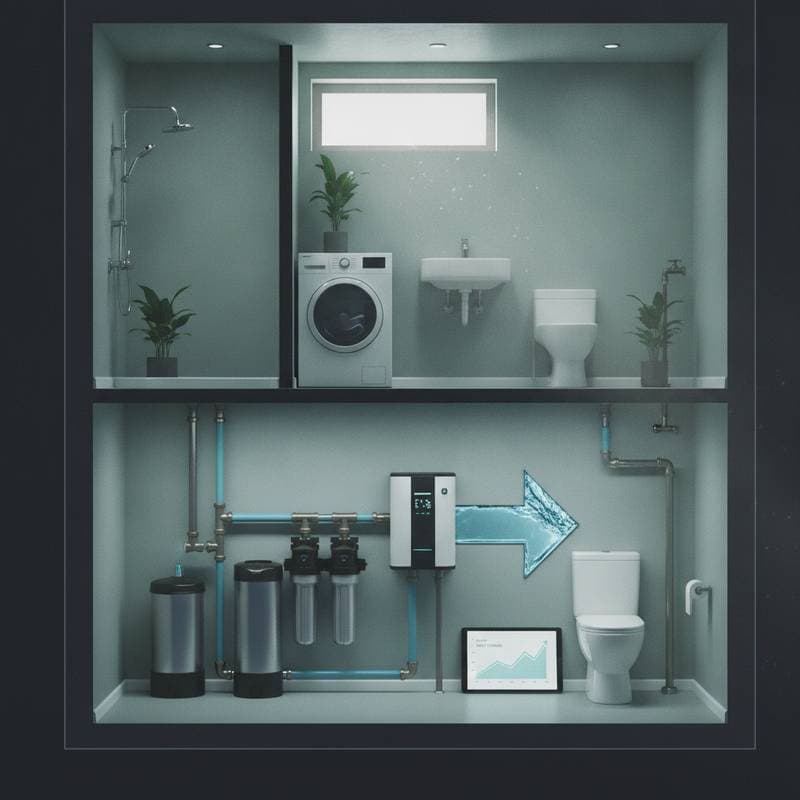
Greywater refers to lightly used household water from showers, sinks, and laundry that can be treated and reused for irrigation, toilet flushing, or other non-potable purposes. A greywater recycling system typically includes collection piping, filtration equipment, storage tanks, and distribution lines.

The complexity of these systems varies significantly. Simple gravity-fed installations redirect laundry water to the garden. Advanced units use automated treatment with pumps, filters, and UV sterilization. The right configuration depends on local building codes, property layout, household water volume, and intended reuse applications.

Cost Structure Analysis

Base Pricing

A small gravity-fed system that handles water from one or two fixtures starts around 3000 to 6000 dollars, including basic plumbing modifications. More advanced whole-house systems with filtration and automated controls range between 7000 and 20000 dollars.

The upfront cost includes several components:

  • System design and permits often account for 10 to 15 percent of total cost.
  • Plumbing and installation represent the largest expense, usually half of the total.
  • Treatment units and filters make up around 20 percent depending on brand and capacity.
  • Storage tanks and pumps vary based on landscape and water pressure needs.

Additional Charges

Homeowners must budget for maintenance and periodic filter replacements beyond installation. Some systems require proprietary components and certified technicians, which raises ongoing costs. Electricity usage for pumps and sensors adds a small but continuous expense.

Coverage Limits and Incentives

Local governments sometimes offer rebates or credits for greywater installation. Incentive programs often cap reimbursement amounts or apply only to specific system types. Homeowners should verify eligibility before purchase and confirm any conditions such as mandatory inspections.

Process Walkthrough

Initial Contact

The process begins with a site evaluation by a licensed plumber or greywater specialist. They inspect fixtures, drainage slopes, and soil conditions to determine feasibility.

Assessment Phase

Designers calculate potential water recovery based on the number of occupants and average daily water use. They also check for code compliance regarding separation between potable and non-potable pipes.

Approval Process

Permits are often required. Approval depends on demonstrating that the system prevents contamination and meets backflow prevention standards. Some municipalities require engineering drawings or environmental assessments.

Service Delivery

Once approved, installation typically takes several days. Plumbing lines are rerouted, tanks placed, and filtration units connected. The system is pressure-tested and inspected before activation.

Follow-up Requirements

After commissioning, regular filter cleaning and seasonal maintenance remain essential. Some manufacturers require documented service logs to maintain warranty coverage.

Coverage Limitations and Common Exclusions

Greywater recycling systems are not universally applicable. Homes with combined sewer lines, clay soils with poor drainage, or high groundwater tables may prove unsuitable. In some jurisdictions, greywater reuse for indoor toilet flushing is prohibited.

Common exclusions under equipment warranties or service contracts include damage from chemical cleaners or bleach in laundry water, improper installation by unlicensed contractors, neglected filter replacements, freezing damage in uninsulated outdoor tanks, and water contamination from cross-connections with potable lines.

Financial Implications and ROI Calculations

Direct Savings

Savings come primarily from reduced potable water use. A typical household can recycle several thousand gallons per month, lowering water bills by a measurable percentage. The actual value depends on local water rates.

Payback Period

Smaller systems achieve payback in several years under average water pricing. Larger automated systems often take longer to break even, though they deliver greater water savings and convenience.

Long-term Costs

Maintenance costs average a few hundred dollars annually, including filter replacements and occasional pump servicing. Electricity use adds marginal expense. These recurring costs must factor into lifetime ROI calculations.

Depreciation and Replacement Value

Greywater systems have a useful life of roughly ten to fifteen years depending on component quality. Tanks and piping last longer, while electronic sensors and filters need replacement within shorter intervals.

Total Cost of Ownership

A comprehensive cost model includes initial installation and permits, maintenance and replacement parts over the system lifetime, water bill savings adjusted for inflation, and potential property value increase for sustainable features. When calculated over a decade, ROI percentages vary from modest to substantial depending on local conditions and maintenance diligence.

Decision Framework for Homeowners

Homeowners should apply a decision matrix grounded in both technical and financial logic when evaluating a greywater system.

Key criteria include water cost sensitivity, since areas with higher municipal rates yield faster payback, household size, since larger families produce more greywater, landscape usage, since properties with gardens benefit more from irrigation reuse, budget flexibility, and regulatory environment.

Risk Mitigation Strategies

Reading the Fine Print

Contracts with installers or maintenance companies should be reviewed line by line. Look for clauses that transfer risk to the homeowner, such as responsibility for soil saturation, equipment malfunction, or water contamination. Request written warranties that specify coverage duration, parts included, and service response times.

Understanding Your Coverage

Some homeowner insurance policies exclude water reuse systems from coverage. Homeowners should confirm whether damage related to leaks or system failures remains insured.

Avoiding Common Pitfalls

Many early installations fail due to improper maintenance or unrealistic savings expectations. Overloading irrigation zones or using non-compatible cleaning products can compromise water quality and clog filters.

Comparing System Levels

Coverage Level Approximate Cost Service Fee Coverage Limits Key Exclusions
Basic Gravity System 3000 to 6000 dollars Minimal Garden irrigation only No indoor reuse, limited filtration
Intermediate Pump System 7000 to 12000 dollars 100 to 200 dollars annual Irrigation and possible toilet reuse Requires regular maintenance
Advanced Treatment Unit 13000 to 20000 dollars 200 to 400 dollars annual Whole-house non-potable applications Complex upkeep, electricity costs

This comparison shows that higher-end systems improve performance but require greater maintenance commitment. Homeowners should ensure that projected savings justify these additional costs.

Protecting Your Investment

The financial return from greywater recycling depends on consistent operation and preventive care. Clean filters, inspect pipes for leaks, and test water quality periodically. Consult licensed professionals for annual inspections, especially before peak irrigation seasons. Keeping the system in proper working order safeguards both the environment and the investment itself.

Greywater recycling balances sustainability and financial sense. When approached with careful analysis, transparent cost assessment, and disciplined maintenance, it reduces utility expenses and adds measurable value to a home while conserving water.
You may also like

Image for Flood Proofing Costs: $10K to $65K for Climate Defense

Flood Proofing Costs: $10K to $65K for Climate Defense

July 10, 2026
Image for Greywater Permits: What Most Homeowners Get Wrong

Greywater Permits: What Most Homeowners Get Wrong

July 10, 2026
Image for Impact Glass Costs $60 Less Per Square Foot Than Smart

Impact Glass Costs $60 Less Per Square Foot Than Smart

July 10, 2026

Tagged:

home,sustainable,greywater,greywater systems,water,costs,plumbing,systems,recycling,water-recycling-home

Recent Articles by Leah Rodriguez

Image for AI Monitoring Now Included in 2026 Home Warranties

AI Monitoring Now Included in 2026 Home Warranties

July 10, 2026
Image for Wildfire Defense Through Layered Home Improvements

Wildfire Defense Through Layered Home Improvements

July 9, 2026
Image for AI Home Warranties Now Cover Software and Sensors

AI Home Warranties Now Cover Software and Sensors

July 8, 2026

Related: home

Image for Flood Proofing Costs: $10K to $65K for Climate Defense

Flood Proofing Costs: $10K to $65K for Climate Defense

July 10, 2026
Image for AI Monitoring Now Included in 2026 Home Warranties

AI Monitoring Now Included in 2026 Home Warranties

July 10, 2026
Image for Flood Proofing Cuts Damage Risk by 80 Percent

Flood Proofing Cuts Damage Risk by 80 Percent

July 10, 2026
Image for Flood-Proofing Your Home Costs $48K in 2026

Flood-Proofing Your Home Costs $48K in 2026

July 10, 2026
Image for Mold Coverage Limits: What Home Warranties Actually Pay

Mold Coverage Limits: What Home Warranties Actually Pay

July 9, 2026

Home Guides

Greywater Permits: What Most Homeowners Get Wrong

Greywater recycling reuses water from sinks, showers, and laundry to irrigate landscapes and save resources. This guide covers permits, safe installation, filtration, and maintenance essentials. Learn when DIY works, when to hire a pro, and how proper planning prevents contamination while maximizing sustainability, efficiency, and compliance with local regulations.

July 10, 2026

Flood Proofing Cuts Damage Risk by 80 Percent

Flood proofing upgrades in 2026 cost $3,000 to $25,000, averaging $11,500. Professionally installed systems can cut damage by up to 80 percent, boost property value, and lower insurance premiums for long term climate resilience.

July 10, 2026

Solar Panels Add $18,500 to New Home Build Costs

Installing solar panels on new homes in 2026 adds roughly $14,000 to $24,000, averaging $18,500 for a 6-kilowatt system. Early planning during construction cuts labor costs and boosts resale value by up to 5%. Learn how system size, materials, and timing shape your investment, payback, and long-term energy savings.

July 9, 2026

Smart Flood Proofing Costs $8,500-$38,000 in 2026

Smart flood proofing blends sensors, automation, and structural upgrades. Costs range from $8,500 to $38,000. Most homeowners spend about $19,600 for systems that cut damage risk by up to 65 percent.

July 8, 2026

Materials That Cut Wildfire Insurance Premiums in 2026

Discover how wildfire resistant materials can cut insurance premiums up to 20 percent while safeguarding your home. Learn which products qualify, what they cost, and how to retrofit safely. From Class A roofing to ember proof vents, this 2026 guide explains smart upgrades, code requirements, and maintenance tips for fire prone properties.

July 8, 2026

Cut Household Water Use in Half with Greywater Systems

Install a legal greywater system to reuse water from sinks, showers, and laundry. Compare system types, review costs from 800 to 6000 dollars, follow permit steps, and achieve up to 50 percent lower household water use.

July 4, 2026

Balance Privacy and Togetherness in One Home

Multigenerational living succeeds when homes provide both private retreats and shared gathering spaces. This guide outlines zoning checks, soundproofing methods, utility planning, and safety measures to create functional layouts that support every generation.

July 3, 2026

Flood Resilience Upgrades That Protect Your Investment

Rising flood risks require targeted home protection. This guide details 2026 flood resilience upgrades from foundation sealing to utility elevation, along with cost ranges, practical steps, and maintenance guidance to protect property and speed recovery after storms.

July 1, 2026

ADU Garage Conversions Cost $90K–$180K in 2026

Transforming a garage into an ADU creates flexible multigenerational living space without expanding the home footprint. Expect costs from $90,000 to $180,000, timelines of 12 to 20 weeks, and strict code compliance. Smart design and professional guidance add lasting comfort and value.

June 30, 2026

Multigenerational Home Conversions Cost $60K-$250K in 2026

Multigenerational home conversions cost $60,000 to $250,000, with most projects averaging $145,000. Discover how scope, materials, and location affect pricing while strategic planning improves comfort and long-term returns.

June 30, 2026

Multigenerational Homes Cost $150K-$450K to Build

Multigenerational homes cost $150,000 to $450,000 to build or convert. Explore detailed pricing, material options, and planning steps that support family living and long-term value.

June 29, 2026

Multigenerational Renovations Cost $80K-$250K in 2024

Multigenerational renovations balance comfort, privacy, and future adaptability, typically costing $80,000 to $250,000. Smart layouts, material choices, and professional planning can boost property value substantially. Learn how size, design complexity, and finish tiers shape budgets along with cost saving strategies that maximize return on investment and long term livability.

June 28, 2026

Flood Proofing Cuts Damage Risk 80% for $22,500

Flood proofing upgrades in 2026 cost 5000 to 48000 dollars and deliver strong protection, insurance savings, and higher property value. Costs depend on home size, materials, and location. Professional installation ensures compliance and durability.

June 26, 2026

Home Battery Backup Beats Generators in 2026

Home battery backup systems offer quiet, fuel free power during outages and can pair with solar for savings. Expect costs between $8,000 and $18,000 installed. Lithium batteries, professional setup, and annual maintenance ensure reliability. Ideal for frequent outages, these systems deliver energy security, lower bills, and long term peace of mind.

June 25, 2026

Flood-Resistant Flooring Cuts Repair Costs 70%

Discover how flood-resistant flooring can safeguard your home and budget. This guide breaks down material options, installation costs, DIY versus professional value, and cost-saving strategies. Learn why investing $4 to $14 per square foot today can cut future flood repair expenses by up to 70 percent while boosting property value.

June 25, 2026

Garage ADU Conversion Runs $80K to $175K in 2026

Transforming a garage into an ADU in 2026 costs $80,000 to $175,000 on average, with permits, design, and skilled labor driving expenses. Learn how size, materials, and site conditions affect pricing, what permits you will need, and smart ways to save without cutting corners plus expert tips for hiring, scheduling, and maximizing ROI.

June 25, 2026

Flood-Proofing Your Home: $3K to $25K in 2026

Strengthen your home against rising water with targeted 2026 upgrades. Review sump pumps, French drains, grading, and waterproofing options along with cost ranges, DIY tasks, and professional requirements. Balance protection, budget, and long term value through careful planning and maintenance.

June 24, 2026

Greywater Systems Cut Home Water Use by 40 Percent

Greywater systems capture water from sinks, showers, and laundry for garden irrigation and toilet flushing. This guide covers system options, costs, installation, safety requirements, and upkeep to help homeowners lower consumption while meeting local codes.

June 22, 2026

Greywater Systems Cut Indoor Water Use by Half

Greywater systems capture water from everyday household sources and redirect it for irrigation or toilet flushing, delivering substantial reductions in water bills and resource consumption when properly planned and maintained.

June 22, 2026

Home Battery Backup: $10K-$20K Investment Guide 2026

Home battery backups maintain power during outages and may reduce electricity expenses. Their typical price range of 10000 to 20000 dollars requires careful assessment. This guide covers operation, pricing influences, and professional installation requirements to support informed decisions.

June 21, 2026

Categories

Appliance & System Coverage
Cost Guides
Home Guides
Home Warranty Basics
Outdoor & Exterior Guides
Remodeling Cost Comparisons
Room-by-Room Guides