The Real Cost of Garage-to-ADU Conversions in 2026
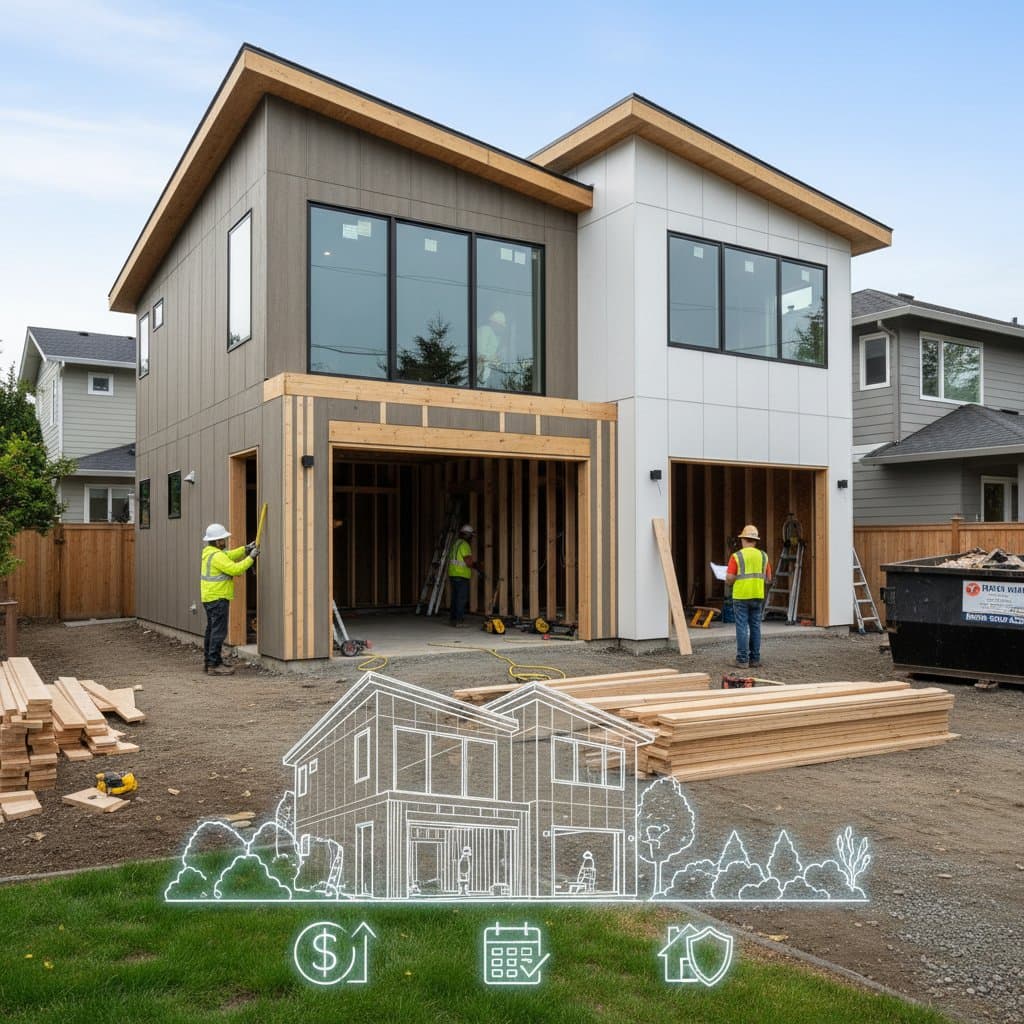
Homeowners convert garages into accessory dwelling units, or ADUs, to create additional living space, generate rental income, or accommodate multigenerational living. The process appears straightforward initially, yet it demands far more than surface-level improvements. A garage-to-ADU conversion qualifies as a complete residential construction project that adheres to rigorous structural, electrical, plumbing, and energy standards. Understanding the associated expenses, schedules, and potential challenges enables better preparation and prevents unforeseen financial burdens.
What a Garage-to-ADU Conversion Entails
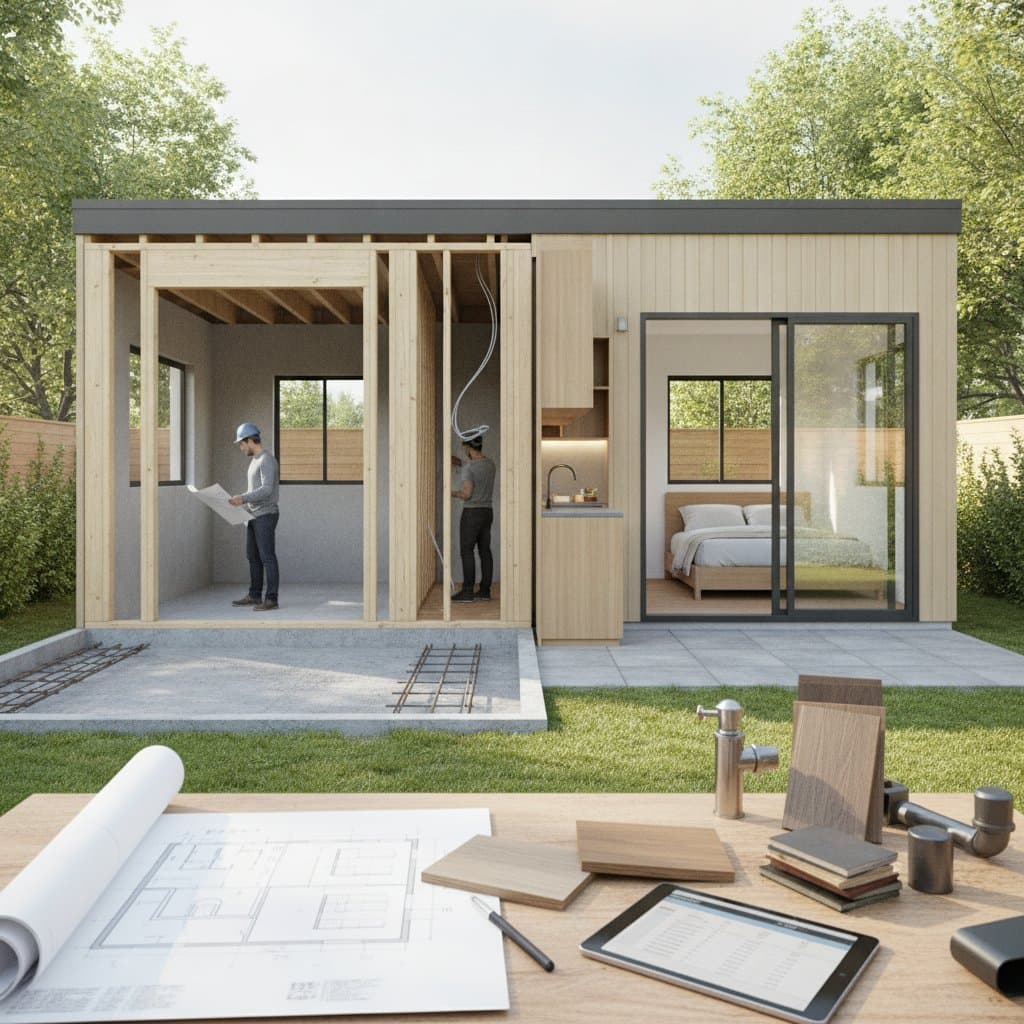
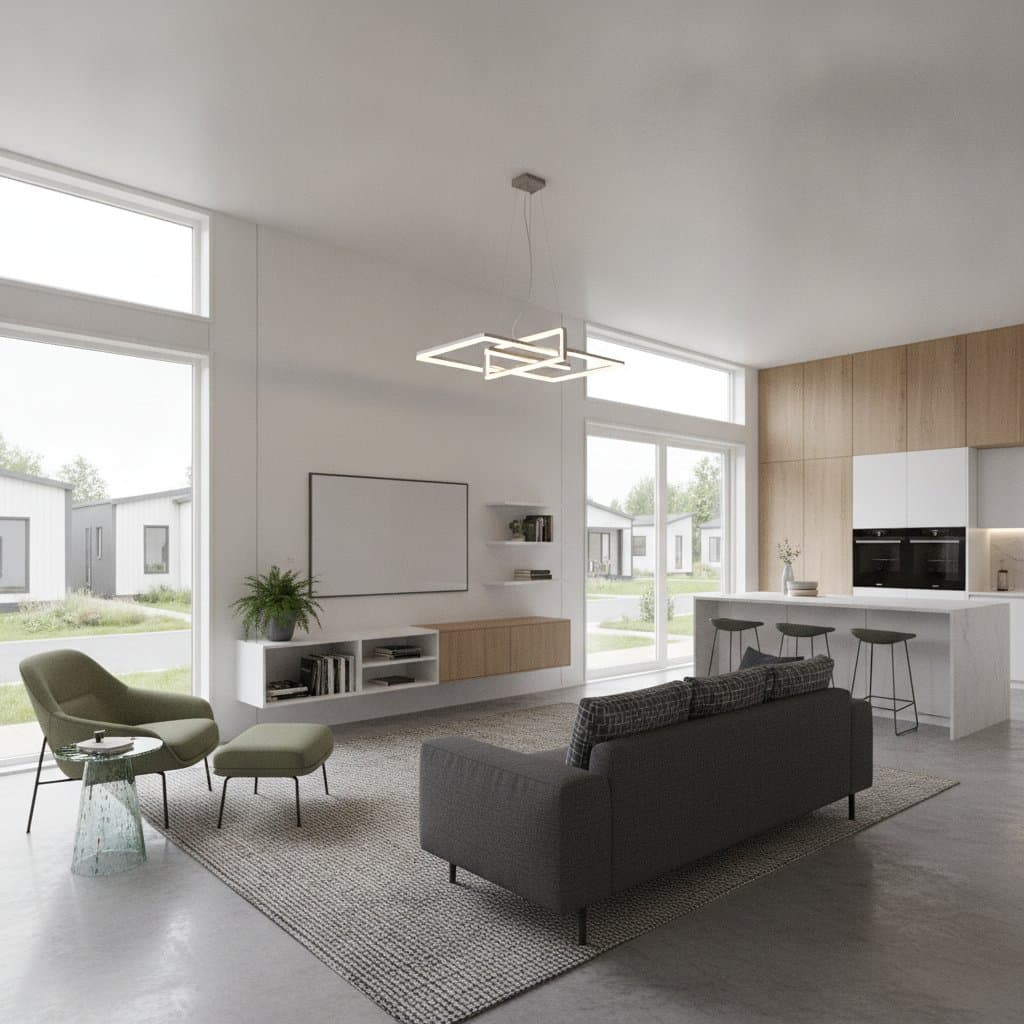
A thorough conversion elevates an unfinished garage into a fully functional, code-compliant living space equipped with a kitchen, bathroom, sleeping quarters, proper insulation, and independent utilities. Essential tasks often encompass foundation enhancements, installation of new walls, integration with existing roofing, addition of insulation, placement of windows and doors, plumbing extensions, electrical wiring, and HVAC systems. In nearly all jurisdictions, these projects conform to the identical building regulations applied to primary home additions.
Ideal Scenarios for Garage Conversions
Garage conversions suit properties featuring detached or attached garages with stable foundations that comply with local setback requirements. Such projects thrive in regions with strong housing demand and constrained lot sizes. Conversely, they prove challenging on sloped terrain, in flood-prone areas, or on compact urban lots with restricted utility connections. When the existing garage exhibits structural weaknesses or water damage, complete reconstruction frequently proves more economical than extensive retrofitting.
Detailed Cost Breakdown
Nationwide, the average expense for a garage-to-ADU conversion ranges from $150 to $350 per square foot, influenced by the garage's current state and desired finish quality. For a standard 400-square-foot unit, total costs generally span $60,000 to $140,000. Projects necessitating new sewer connections, electrical service expansions, or slab repairs may surpass $200,000.
| Scope Item | Material Cost Range | Labor Cost Range | Total Range | Notes on Drivers |
|---|---|---|---|---|
| Foundation repair or slab cut | $3,000 - $9,000 | $2,000 - $6,000 | $5,000 - $15,000 | Required for plumbing installations or addressing cracked slabs |
| Framing and insulation | $8,000 - $18,000 | $7,000 - $16,000 | $15,000 - $34,000 | Varies with insulation R-value and structural demands |
| Electrical and lighting | $4,000 - $9,000 | $4,000 - $10,000 | $8,000 - $19,000 | Often involves new panels or subpanels |
| Plumbing and fixtures | $6,000 - $14,000 | $7,000 - $16,000 | $13,000 - $30,000 | Sewer tie-in represents a major variable |
| Interior finish and cabinetry | $10,000 - $25,000 | $8,000 - $20,000 | $18,000 - $45,000 | Influenced by selected finish quality |
| HVAC and ventilation | $4,000 - $8,000 | $3,000 - $7,000 | $7,000 - $15,000 | Mini-split units frequently employed |
| Permits and design | — | — | $5,000 - $12,000 | Encompasses plan reviews and engineering |
Key Factors Influencing Costs
- Materials Quality: Opting for premium windows, durable flooring, and custom cabinetry increases overall expenses by 15 to 25 percent.
- Labor Demands: Confined work areas, outdated electrical systems, or difficult sewer access extend labor duration and elevate charges.
- Site-Specific Conditions: Restricted driveway access, inadequate drainage, or sloped lots hinder efficiency and introduce additional fees.
Expected Project Timeline
Most conversions span 3 to 6 months, from initial design through final inspection.
- Design and Permits: 4 to 8 weeks
- Demolition and Framing: 2 to 3 weeks
- Utility Installations: 2 to 4 weeks
- Finishing and Inspections: 4 to 6 weeks
Delays from inclement weather, permitting queues, or scope modifications can extend timelines significantly. Verify current processing durations with the local building authority.
Essential Safety, Code, and Permitting Standards
All conversions mandate permits for building, electrical, plumbing, and mechanical work. Hardwired smoke and carbon monoxide alarms prove essential. Outlets adjacent to water sources require GFCI protection. Egress windows must provide a minimum clear opening of 5.7 square feet.
Gas appliances necessitate appropriate venting and combustion air supplies. Insulation levels must satisfy prevailing energy codes for walls, ceilings, and floors. Schedule inspections at critical stages: rough framing, electrical, plumbing, mechanical, and final approval.
Common Pitfalls to Sidestep
- Overlooking Structural Assessments: Garage slabs often lack sufficient thickness or levelness. Absent reinforcement, issues like cracks and water seepage compromise flooring integrity.
- Disregarding Setback and Height Regulations: Minor roof adjustments might breach codes, necessitating costly redesigns.
- Underestimating Utility Enhancements: Legacy homes with 100-amp panels frequently cannot support added kitchen and HVAC demands.
- Neglecting Waterproofing Measures: Positioned at or below ground level, garages demand vapor barriers to prevent mold growth and persistent odors.
Ongoing Maintenance and Long-Term Durability
Converted garages require consistent upkeep akin to any compact residence.
Maintenance Schedule Guidelines
- Post-Completion: Evaluate drainage angles and door seals following the initial substantial rainfall.
- Seasonal Tasks: Replace HVAC filters, verify GFCI functionality, and examine window caulking.
- Yearly Inspections: Review foundation fissures, roof flashings, exterior trim paint, and plumbing traps.
A properly constructed ADU endures 30 to 50 years under regular maintenance.
Deciding Between DIY and Professional Services
Apply the DIY Suitability Criteria to determine feasible tasks:
- Skill Alignment: Simple activities like painting or flooring installation suit DIY efforts. Complex elements such as framing or plumbing demand professional expertise.
- Safety Considerations: Interventions involving gas lines, primary electrical panels, or load-bearing structures require licensed specialists.
- Equipment Access: Tools like concrete saws, pneumatic nailers, and inspection cameras typically elude standard homeowner possession.
Limited DIY involvement, such as final painting or landscaping, can reduce costs by 5 to 10 percent. However, unpermitted or substandard execution risks insurance invalidation and diminished property value.
Selecting Contractors and Evaluating Bids
Request itemized proposals from prospective contractors, emphasizing detailed specifications. Focus comparisons on individual components rather than aggregate figures.
| Line Item | Specification or Scope | Contractor A | Contractor B | Contractor C | Variance Notes |
|---|---|---|---|---|---|
| Slab Repair | 4-inch reinforced concrete | $6,500 | $8,200 | $6,800 | Confirm concrete PSI strength |
| Plumbing Rough-In | Complete bathroom and kitchenette | $12,300 | $15,000 | $13,100 | Account for trenching depth |
| Electrical Service | 200-amp panel upgrade | $4,800 | $5,500 | $4,950 | Specify panel manufacturer |
| Drywall and Paint | Level 4 finish | $7,200 | $6,900 | $7,000 | Note primer quality variations |
Steps to Initiate Your Garage-to-ADU Project
Embark on this endeavor by consulting local zoning experts to confirm feasibility. Assemble a team of licensed professionals early to align on budgets and timelines. With meticulous planning, your conversion transforms underutilized space into a valuable, enduring asset that enhances property worth and lifestyle flexibility.