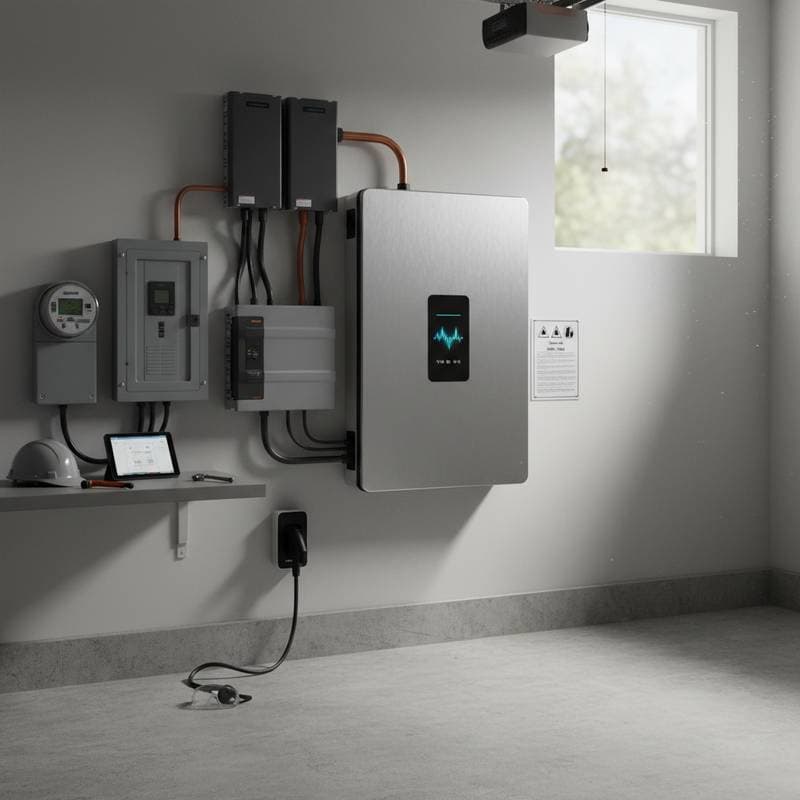
Home Battery Backups: Costs and Coverage Breakdown
Home battery backups ensure essential circuits remain operational during grid failures. These systems store electricity from solar panels or the utility grid and release it seamlessly when outages occur. Homeowners often focus on the financial aspects, the extent of power coverage, and how these solutions stack up against generators for long-term reliability.
Functions of a Home Battery Backup System
A home battery backup relies on lithium-ion or lithium-iron phosphate cells to store electrical energy. It integrates with a hybrid inverter that oversees charging from the grid or solar sources, discharging to loads, and transitioning between power sources. In an outage, the system supports vital appliances such as lights, refrigerators, internet routers, and life-support equipment. When paired with solar panels, it enables partial independence from the grid, extending usability during extended blackouts.
Advantages, Disadvantages, and Ideal Applications
Advantages
- Operates silently without fuel consumption or emissions
- Switches to backup power in seconds automatically
- Integrates with solar setups to reduce overall energy expenses
- Demands minimal upkeep relative to fuel-based alternatives
Disadvantages
- Involves significant initial investment
- Provides finite runtime for full household demands
- Often necessitates upgrades to the electrical panel
Ideal Applications
- Residences in areas prone to frequent power disruptions
- Properties already equipped with solar energy systems
- Households prioritizing eco-friendly and noise-free backup solutions
Detailed Cost Analysis
Pricing for battery backup systems depends on energy capacity, expressed in kilowatt-hours (kWh). An average household consumes 20 to 30 kWh daily, so 10 to 15 kWh systems target support for key loads rather than complete coverage.
| Scope Item | Material Cost Range | Labor Cost Range | Total Range | Notes on Cost Drivers |
|---|---|---|---|---|
| Battery Unit (10–15 kWh) | $6,000–$12,000 | $1,500–$3,000 | $7,500–$15,000 | Influenced by cell chemistry, exact capacity, and manufacturer |
| Hybrid Inverter | $2,000–$4,000 | $800–$1,200 | $2,800–$5,200 | Selected to align with battery voltage and output requirements |
| Panel Upgrade or Subpanel | $1,000–$2,500 | $800–$1,000 | $1,800–$3,500 | Essential for segregating backup circuits from main loads |
| Permits and Inspection | $200–$600 | — | $200–$600 | Varies by local regulations and authority fees |
The overall cost for a standard 10-15 kWh installation falls between $10,000 and $20,000. Expenses increase with higher capacities, intricate wiring configurations, or solar integration. Factors like regional labor rates and material availability also play a role in final pricing.
Installation Process Overview
Professional installation follows a structured sequence to ensure safety and efficiency. Homeowners should prepare by gathering necessary tools and verifying site suitability.
Required Safety Equipment: Insulated gloves, protective eyewear, non-conductive tools, and a voltage tester.
- Conduct Site Assessment. Evaluate available wall space, ensure adequate ventilation, and measure proximity to the main electrical panel.
- Perform Electrical Evaluation. Verify the panel's capacity and designate circuits for backup power, such as those serving the kitchen or home office.
- Handle Mounting and Connections. Secure the battery enclosure and inverter to a sturdy wall surface. Route wiring to the subpanel and main disconnect switch using appropriate conduits.
- Complete Commissioning. Configure settings for optimal charge cycles and prioritize essential loads through the system's interface.
- Schedule Final Inspection. Engage local officials to confirm adherence to electrical standards and apply required labels.
Safety Requirements, Permits, and Compliance
All battery installations adhere to National Electrical Code Article 706, which mandates secure disconnect switches, protected conduits, and visible labeling. Maintain at least three feet of clearance around the equipment for access and airflow. For outdoor placements, use enclosures rated for weather resistance. Manufacturers typically condition warranties on installations by certified electricians and documented inspections, protecting against liability issues.
Common Pitfalls to Sidestep
Homeowners frequently encounter errors that compromise system performance or safety. Avoid selecting capacity based on guesswork; instead, calculate actual load needs using energy audits. Ensure sufficient ventilation space indoors to prevent overheating. Obtain all permits upfront, as omissions may invalidate insurance claims. Finally, verify compatibility between inverters and batteries to avoid operational failures.
Longevity and Upkeep Practices
Lithium-based batteries endure 10 to 15 years, supporting over 5,000 full charge-discharge cycles under normal conditions. Perform firmware updates biannually and inspect ventilation paths for obstructions. Address any manufacturer-recommended filter or fan replacements promptly. Track monthly performance metrics, such as discharge efficiency, to monitor gradual capacity decline and plan for future needs.
Guidelines for Professional Installation Versus DIY
Decide between hiring experts and self-installation using a structured evaluation, known as the DIY Gate.
- Skill Assessment: Requires intermediate knowledge of electrical systems and familiarity with building codes.
- Risk Evaluation: Involves substantial hazards, including risks of arc flash and electrical shock.
- Resource Check: Demands access to specialized tools like precision torque wrenches and calibrated multimeters.
For most, professional services minimize risks and ensure warranty validity, though experienced individuals in permissive jurisdictions may proceed with caution.
Preparation Checklist for Installation
| Task | Key Considerations |
|---|---|
| Gather Tools | Include drill, torque wrench, wire lugs, and conduit bender for precise work |
| Assess Skills | Confirm proficiency in wiring techniques and load computations |
| Secure Safety Gear | Obtain insulated gloves, safety glasses, and electrically rated footwear |
| Obtain Permits | Secure electrical approvals and any structural reviews as needed |
| Complete Prep Work | List priority loads, clear installation area, and review site plans |
| Account for Constraints | Select locations away from high-moisture zones or intense sunlight |
Steps to Select and Implement Your System
Begin by inventorying essential appliances and projecting their daily energy draw, perhaps using online calculators for accuracy. Solicit quotes from at least three certified installers, specifying uniform 10-15 kWh parameters to enable direct comparisons. Inquire about extended warranties, expected cycle durability, and remote monitoring features. This approach equips you to choose a system that delivers dependable power while aligning with your budget and sustainability goals.