Coverage for AI Diagnostics in 2026 Home Warranties
Homeowners in 2026 encounter a growing array of smart devices in systems like HVAC units, water heaters, and electrical panels. These devices employ artificial intelligence to anticipate failures through data analysis. The central concern revolves around whether home warranties extend to these AI-driven diagnostics or the repairs they suggest. Coverage hinges on the warranty's definition of the system, the device's integration level, and the entity that confirms the issue.
Functions of AI Diagnostics
AI diagnostics consist of digital systems that monitor equipment performance via sensors and algorithms. They identify potential failures by recognizing patterns in data, such as unusual vibrations or temperature fluctuations. For instance, an AI-enabled HVAC controller analyzes airflow and pressure to forecast fan motor degradation. Similarly, a sensor in a water heater detects anode rod depletion by monitoring corrosion rates.
These tools focus on early detection rather than resolution. They alert users to impending problems without performing repairs. This separation proves critical, as warranties typically address actual breakdowns rather than preventive alerts or routine upkeep.
Scenarios Where Warranties Include AI Diagnostics
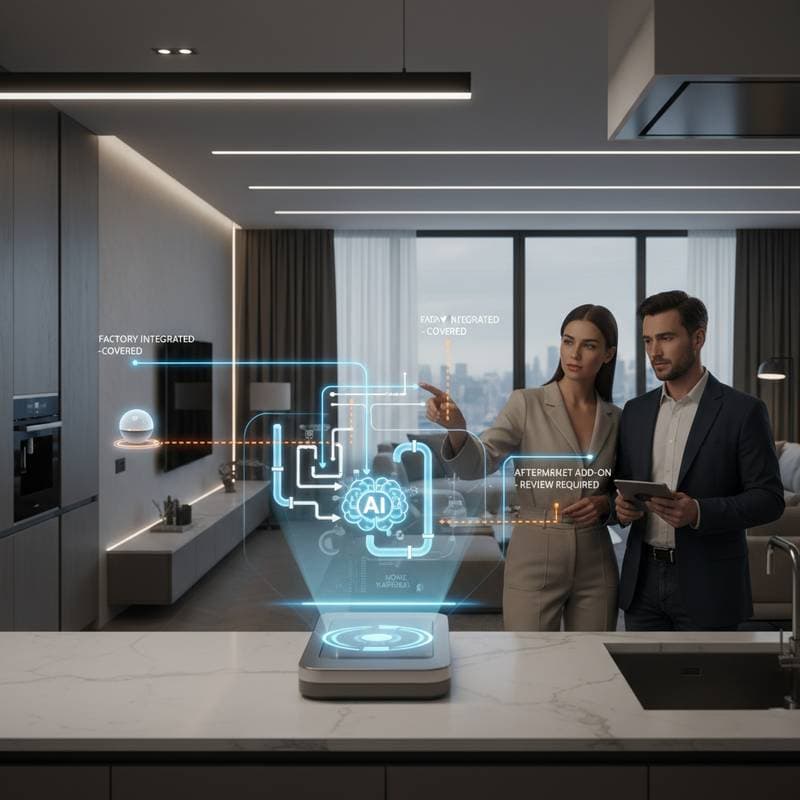
Home warranties often encompass AI diagnostics when the technology forms an integral part of a covered appliance or system. Manufacturers that embed smart controllers in their designs generally ensure warranty providers view them as essential components. Consider these examples:
- A furnace control board with integrated AI software that anticipates heat exchanger cracks qualifies for coverage if the board malfunctions.
- An embedded sensor in a water heater that tracks element efficiency falls under the same protection as the unit's primary controls.
Coverage weakens for third-party additions. Providers frequently omit aftermarket devices from policies unless explicitly enumerated in the agreement.
Elements Typically Excluded from Coverage
Standalone smart monitors that solely observe equipment often fall outside warranty scope. Items like wireless humidity detectors or external diagnostic dongles qualify as supplementary rather than fundamental parts. Standard exclusions encompass:
- Independent AI processing units or gateways.
- Fees for cloud analytics or ongoing diagnostic subscriptions.
- Service visits prompted by erroneous AI notifications without an underlying mechanical defect.
In cases where an AI misinterprets data, leading to an unnecessary call, providers rarely reimburse dispatch costs absent confirmation of a warrantable fault by a technician.
Cost Analysis and Coverage Examples
The table below outlines typical expenses and coverage alignments for common AI diagnostic repairs.
| Item | Material Cost Range | Labor Cost Range | Total Cost Range | Coverage Considerations |
|---|---|---|---|---|
| Integrated AI Control Board | $120 - $300 | $150 - $400 | $270 - $700 | Included as system component |
| Aftermarket Sensor Kit | $80 - $200 | $100 - $250 | $180 - $450 | Excluded unless specified |
| Annual Cloud Subscription | $60 - $150 | N/A | $60 - $150 | Not covered |
| Factory Smart HVAC Unit | $400 - $800 | $300 - $600 | $700 - $1,400 | Covered if original installation |
Providers base decisions on whether the component proves vital to system operation. Essential parts receive protection; optional ones do not.
Factors Influencing Costs
Three primary elements shape expenses and coverage risks:
- Component Quality: Factory-installed modules carry higher prices yet stronger warranty eligibility.
- Repair Complexity: Diagnostics in smart systems demand certified HVAC or electrical experts, elevating labor fees.
- Installation Challenges: Access to confined areas, such as attic-mounted units, extends repair duration and potential charges.
Verifying Coverage Before a Claim
To avoid denials, review these steps prior to submission:
- Examine policy terms for references to "intelligent components," "integrated sensors," or "monitoring hardware."
- Determine installation source; preinstalled factory parts bolster claims.
- Record the issue with screenshots of AI notifications and equipment logs.
- Secure validation from a licensed professional, as required by most providers.
- File promptly within policy timelines to prevent rejection.
Safety, Compliance, and Regulatory Aspects
AI diagnostics complement but do not alter core electrical or plumbing codes. A notification from a smart thermostat about wiring irregularities still necessitates a certified electrician for inspection. Users must pair digital insights with professional assessments for hazards like gas leaks or circuit overloads.
Modifications to integrated systems, such as upgrading a smart breaker panel, may trigger permit requirements. Unauthorized alterations risk invalidating both equipment and home warranties. Always consult local authorities for guidance on code adherence.
Pitfalls to Sidestep
Homeowners frequently encounter issues that complicate claims:
- Treating AI alerts as automatic coverage triggers; policies demand proven failures.
- Overlooking hands-on verification; digital signals require physical confirmation.
- Neglecting firmware maintenance; obsolete software leads to inaccuracies and potential exclusions.
- Proceeding with repairs sans pre-approval; authorization remains mandatory.
Extending the Life of Diagnostic Systems
AI components endure roughly 8 to 12 years, mirroring the lifespan of monitored appliances. Preserve functionality through:
- Regular firmware refreshes via manufacturer platforms.
- Sensor cleaning during annual servicing.
- Battery swaps in cordless units each year.
- Data backups to mitigate reset needs post-outages.
Guidelines for Professional Versus Self-Repair
Opt for self-repair when tasks involve simple actions like battery changes or plug-in setups, which avoid electrical risks or permits.
Engage professionals for interventions touching live circuits, fuel systems, or sealed refrigerants. Certified technicians maintain code compliance and preserve warranty validity.
Preparation Essentials
Use this checklist to ready for diagnostics work:
| Area | Requirements |
|---|---|
| Tools | Screwdriver set, voltage tester, mobile application |
| Expertise | Fundamental safety protocols, interface navigation |
| Protection | Rubber gloves, safety glasses |
| Approvals | Permits for electrical alterations only |
| Preliminary Steps | Disconnect power, confirm wiring tags |
| Limitations | Restricted to accessible indoor spots with reliable internet |
Evaluating Repair Quotes for Diagnostics
When a component requires attention, assess proposals using this framework:
| Component | Description | Provider A | Provider B | Provider C | Differences |
|---|---|---|---|---|---|
| Control Board Swap | Genuine part with software reload | $650 | $720 | $680 | Verify OEM sourcing and guarantees |
| Sensor Adjustment | On-site labor | $180 | $210 | $175 | Assess smart tech proficiency |
| Software Refresh | Virtual assistance | $90 | $100 | $95 | Look for inclusion in service packages |
Select providers skilled in hardware and software to minimize repeat visits.
Resolving Conflicts Between AI Alerts and Warranty Terms
Disagreements arise when AI flags a non-covered issue, such as wear from improper use, or when providers dispute integration status. In such instances, request a detailed explanation from the warranty administrator and supply supporting documentation, including installation records. If needed, escalate to an independent arbitrator listed in the policy. This approach clarifies coverage and prevents unnecessary expenses.
Securing Your Smart Home Investment
By understanding integration's role in coverage, homeowners position themselves to maximize warranty benefits. Proactive verification and professional involvement ensure smooth resolutions. Ultimately, this knowledge safeguards against surprises, allowing AI diagnostics to enhance reliability without added financial strain.