Garage to ADU Con Costs, Permits, and Budget Essentials
Transforming a garage into an accessory dwelling unit (ADU) provides a practical way to create additional living space without altering your home's overall footprint. This approach leverages an existing structure to produce a legal, comfortable apartment suitable for rental or guest use. The following breakdown details costs, permitting requirements, timelines, and key decisions to guide your project effectively.
Benefits, Drawbacks, and Ideal Applications
Benefits
- Increases usable square footage for rental purposes while preserving the property's existing layout.
- Utilizes the current foundation and framing, which reduces material needs.
- Enhances property value and generates potential income streams.
- Proceeds more quickly compared to constructing a new ADU from the ground up.
Drawbacks
- Constraints the interior design due to pre-existing walls and roof configuration.
- Necessitates comprehensive seismic retrofits or energy efficiency improvements in many cases.
- Local regulations often require provisions for parking replacement, which can extend the permitting process.
- Existing issues with moisture or inadequate insulation in slabs and walls may demand remediation.
Ideal Applications
This conversion suits properties with detached garages in solid structural condition, level lots that facilitate utility connections, and zoning ordinances supportive of ADUs. Homeowners in urban or suburban areas with high rental demand benefit most from this strategy.
Detailed Project Workflow
Safety remains paramount throughout the process. Equip yourself with personal protective equipment, including gloves, eye protection, a respirator, hard hat, and hearing protection, especially during demolition and utility work.
1. Initial Assessment and Planning
Begin by confirming compliance with local zoning laws and parking mandates, as these vary by jurisdiction. Inspect the garage slab for cracks or settling, evaluate wall framing integrity, and assess roof load capacity to support any modifications. Measure ceiling heights, ensuring they meet the typical minimum of seven feet for habitable spaces. Consult a structural engineer if evidence of compromise appears in walls, trusses, or the foundation.
2. Design Development and Permitting
Develop detailed floor plans that incorporate essential elements such as a kitchenette, bathroom, emergency egress windows, and utility routing. Submit these plans to your local building department for review, focusing on adherence to structural, electrical, plumbing, and energy codes. Plan reviews often take several weeks, so factor in potential revisions based on inspector feedback.
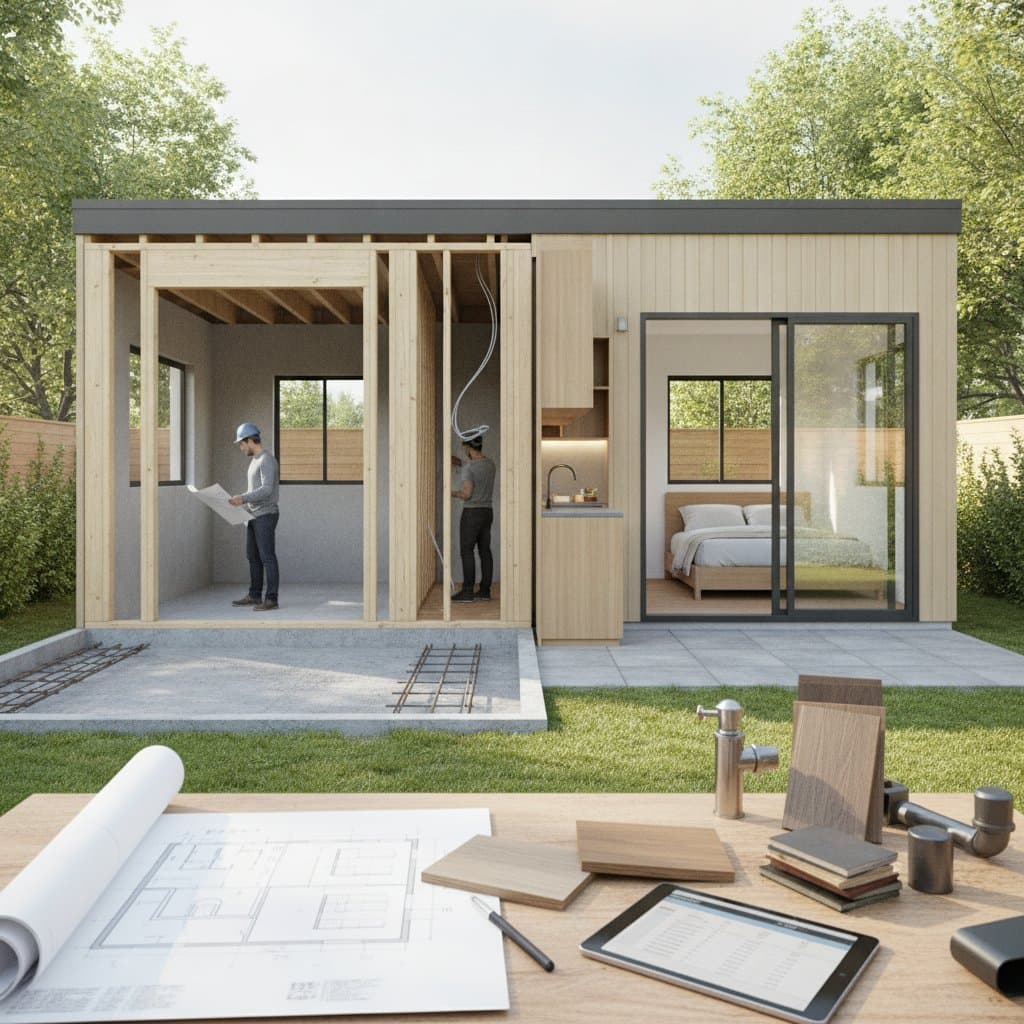
3. Demolition and Structural Framing
Remove the existing garage door and frame in new exterior walls to enclose the space fully. Strengthen the foundation with additional footings or stem walls if engineering reports recommend it. Install a vapor barrier beneath any new flooring to prevent moisture migration from the slab.
4. Utility Rough-In Phase
Extend water supply lines, wastewater drains, and electrical conduits to the ADU location. Include a dedicated 240-volt circuit to accommodate appliances like electric ranges or heating systems. Prepare HVAC infrastructure, such as ductwork for central systems or lines for ductless mini-splits, ensuring efficient climate control.
5. Insulation Installation and Drywall Application
Apply high-performance insulation, such as closed-cell spray foam for walls and ceilings, to achieve required R-values for energy compliance. In moisture-prone areas like bathrooms, position a dedicated vapor barrier before hanging drywall to safeguard against mold growth.
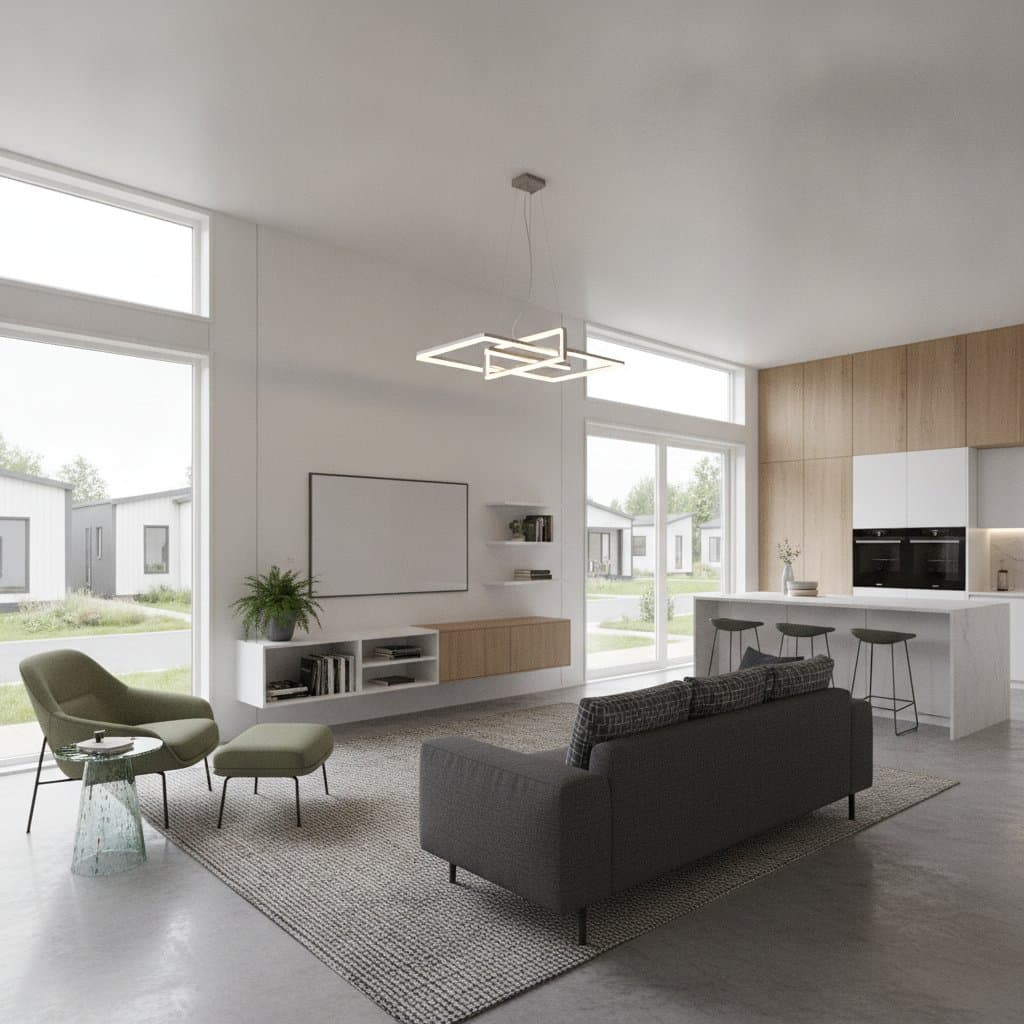
6. Interior Finishes and Fixture Installation
Mount kitchen cabinetry, countertops, and essential fixtures to create a functional space. Lay durable flooring options like vinyl plank or tile, followed by painting and trim work. Connect plumbing fixtures, including sinks, toilets, and showers, and integrate appliances for full operability.
7. Final Inspections and Occupancy Approval
Arrange for rough-in inspections after utility and framing stages, addressing any deficiencies promptly. Upon completion, secure final inspections to obtain the certificate of occupancy, which permits legal use or rental of the ADU.
Project Timeline Overview
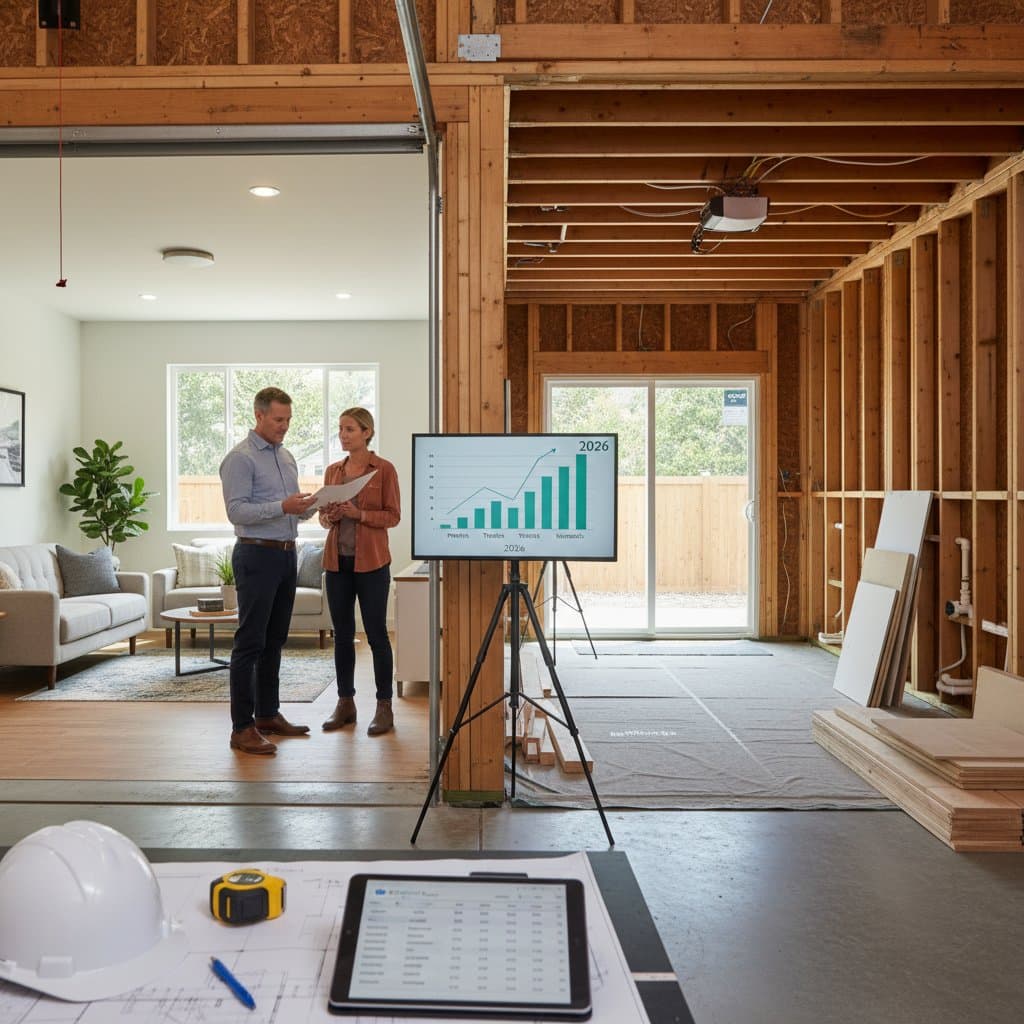
Design and permitting phases typically span four to eight weeks, depending on departmental workload. Construction follows for eight to sixteen weeks, influenced by crew availability and material sourcing. Overall, expect three to six months from start to finish, with delays possible in regions with high permit backlogs.
Common Pitfalls and Prevention Strategies
-
Overlooking Engineering Assessments for Aging Structures. Older garage slabs frequently lack proper footings, leading to rapid cracking or uneven settling under new loads. Commission a professional evaluation early to identify and mitigate these risks.
-
Neglecting Moisture Control Measures. Concrete slabs in unconditioned spaces draw groundwater upward, damaging flooring materials over time. Install robust vapor barriers and consider slab elevation or drainage improvements as needed.
-
Underestimating Electrical Capacity Needs. A standard 60-amp subpanel proves insufficient for ADUs equipped with full kitchens and heating systems. Upgrade to at least a 100-amp subpanel, and verify the main service can handle the increased demand.
-
Inadequate Ventilation Planning. Insufficient airflow leads to humidity accumulation, promoting mold and deteriorating interior surfaces. Incorporate exhaust fans in kitchens and bathrooms, along with fresh air intakes, to maintain healthy indoor conditions.
-
Failing to Account for Sewer Connection Challenges. Shallow main sewer lines may require an ejector pump installation, escalating costs significantly. Survey the site depth during planning to budget accurately for any lift station needs.
-
Proceeding Without Permits. Unauthorized conversions complicate home refinancing, insurance claims, and sales transactions. Always secure approvals to ensure long-term compliance and protect your investment.
Deciding Between Professional and DIY Approaches
Apply a straightforward decision framework to determine involvement level. DIY efforts suit simpler projects, but complex conversions demand expertise.
When DIY Makes Sense
- The project creates a non-habitable area initially, like a home office or storage with basic finishes.
- Utility extensions involve minimal distances and straightforward routing.
- You possess hands-on experience in framing, electrical basics, and interior finishing.
When to Engage Professionals
-
Full conversion to a habitable unit includes kitchen and bathroom installations.
-
Slab modifications, such as cutting for drains, require precision to avoid structural issues.
-
Electrical service upgrades or zoning compliance necessitate licensed oversight.
-
Fire separation walls, seismic reinforcements, or energy audits fall outside typical DIY scope.
Errors in professional domains, such as improper drain slopes or unvented plumbing, invite inspection failures, expensive corrections, and potential hazards. Prioritize licensed contractors for these elements to safeguard quality and safety.
Sample Cost Comparison Table
Review bids from multiple contractors to identify value and discrepancies. The table below illustrates a hypothetical comparison for key line items in a standard garage ADU project.
| Line Item | Scope Description | Contractor A | Contractor B | Contractor C | Variance Considerations |
|---|---|---|---|---|---|
| Foundation Retrofit | Add footings and stem wall | $8,200 | $6,900 | $9,100 | Verify against engineer specs |
| Plumbing Rough-In | 30 feet to main sewer line | $12,500 | $10,200 | $13,000 | Confirm trench depth and materials |
| Electrical Upgrade | 200A main service, 100A subpanel | $7,800 | $7,400 | $8,200 | Check approved material brands |
| Interior Finishes | Drywall, paint, and flooring | $14,000 | $12,800 | $13,400 | Review finish quality details |
| HVAC Mini-Split | 12,000 BTU unit with installation | $5,600 | $5,200 | $5,800 | Evaluate warranty and efficiency |
Total estimated range: $48,100 to $49,600, excluding permits and design fees.
Budget Drivers and Cost-Saving Tips
Permits represent a significant upfront expense, often ranging from $2,000 to $5,000 based on location and project scale. Trade labor for plumbing, electrical, and HVAC constitutes 40 to 60 percent of the total budget, with material costs fluctuating due to supply chain factors in 2026. To optimize spending, obtain multiple bids, prioritize energy-efficient fixtures for rebates, and phase non-essential finishes after core habitability.
Realizing Value Through Strategic Planning
A well-executed garage ADU not only expands your living options but also boosts long-term financial returns through rental income or enhanced resale appeal. By addressing structural, regulatory, and utility challenges upfront, you create a durable asset that aligns with evolving housing needs. Start with a thorough site assessment to build confidence in your project's feasibility and success.