Introduction to Multigenerational Home Upgrades
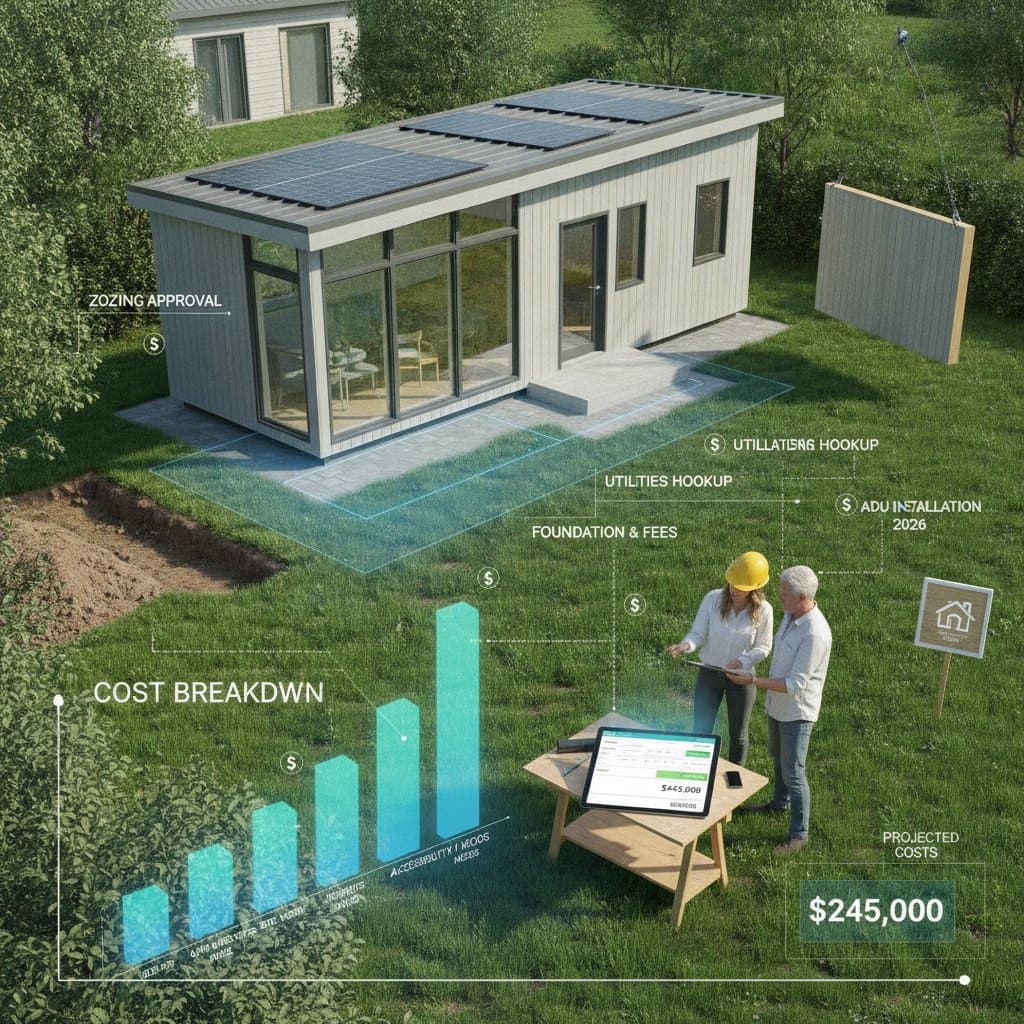
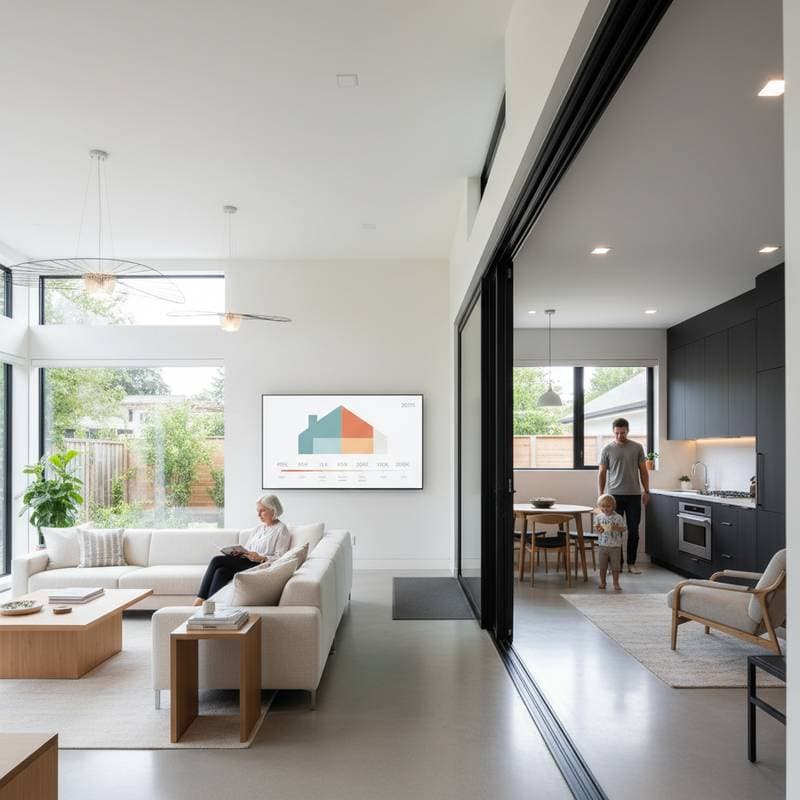
Multigenerational living arrangements gain popularity as families seek to share resources, provide care, and strengthen bonds. In 2026, upgrading a home to accommodate multiple generations involves converting existing spaces or adding new structures. These projects range from modest basement finishes to comprehensive accessory dwelling units (ADUs). Costs typically fall between $40,000 and $320,000, influenced by location, size, and customization. Planning requires attention to functionality, comfort, and future resale potential.
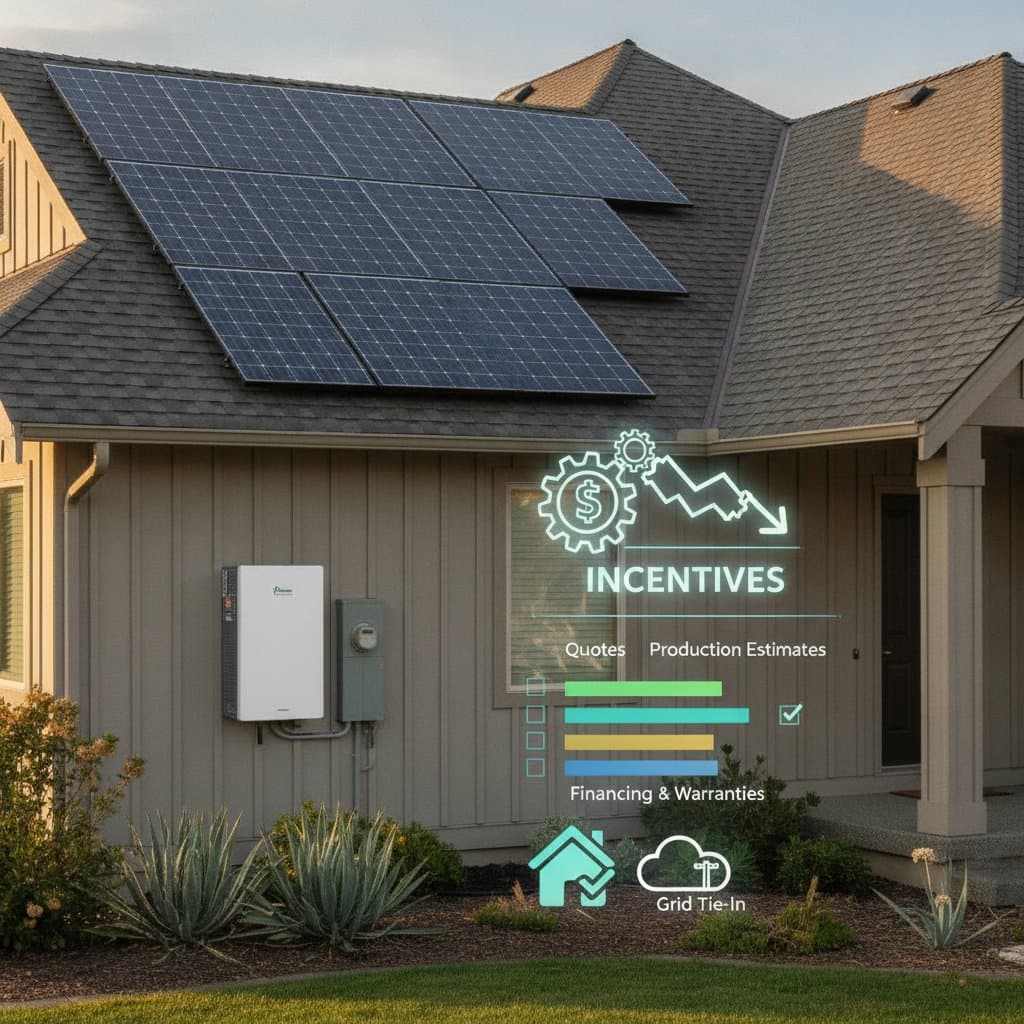
Energy efficiency forms a cornerstone of modern upgrades. Enhancing insulation in walls and attics, along with installing high-efficiency HVAC systems, incurs initial expenses. These investments yield substantial savings on utility bills over time. For instance, improved sealing can reduce heating costs by up to 20 percent annually. Select systems certified for low energy use to align with evolving building codes.
Factors Influencing Upgrade Costs
Project expenses vary widely due to site-specific and design-related elements. Understanding these helps in creating a realistic budget.
Labor and Location
Construction labor rates fluctuate by region. Urban areas with skilled worker shortages often see bids 20 to 30 percent higher than rural zones. In high-demand markets, schedule delays may add indirect costs through extended timelines. Secure quotes from local contractors familiar with multigenerational designs to avoid surprises.
Site Preparation
Foundation work depends on terrain. Flat, stable lots require minimal grading, keeping costs low. Sloped or rocky sites demand extensive excavation, potentially adding $10,000 to $50,000. Soil testing early in the process identifies issues like poor drainage or unstable ground. Proper preparation ensures structural integrity for long-term use.
Utility Integration
Connecting to existing utilities proves cost-effective. Extending plumbing and electrical from the main house saves thousands compared to new installations. For detached ADUs, trenching for lines can cost $5,000 or more per 100 feet. Evaluate current capacity to handle additional load, especially for kitchens or laundry areas.
Material Selection
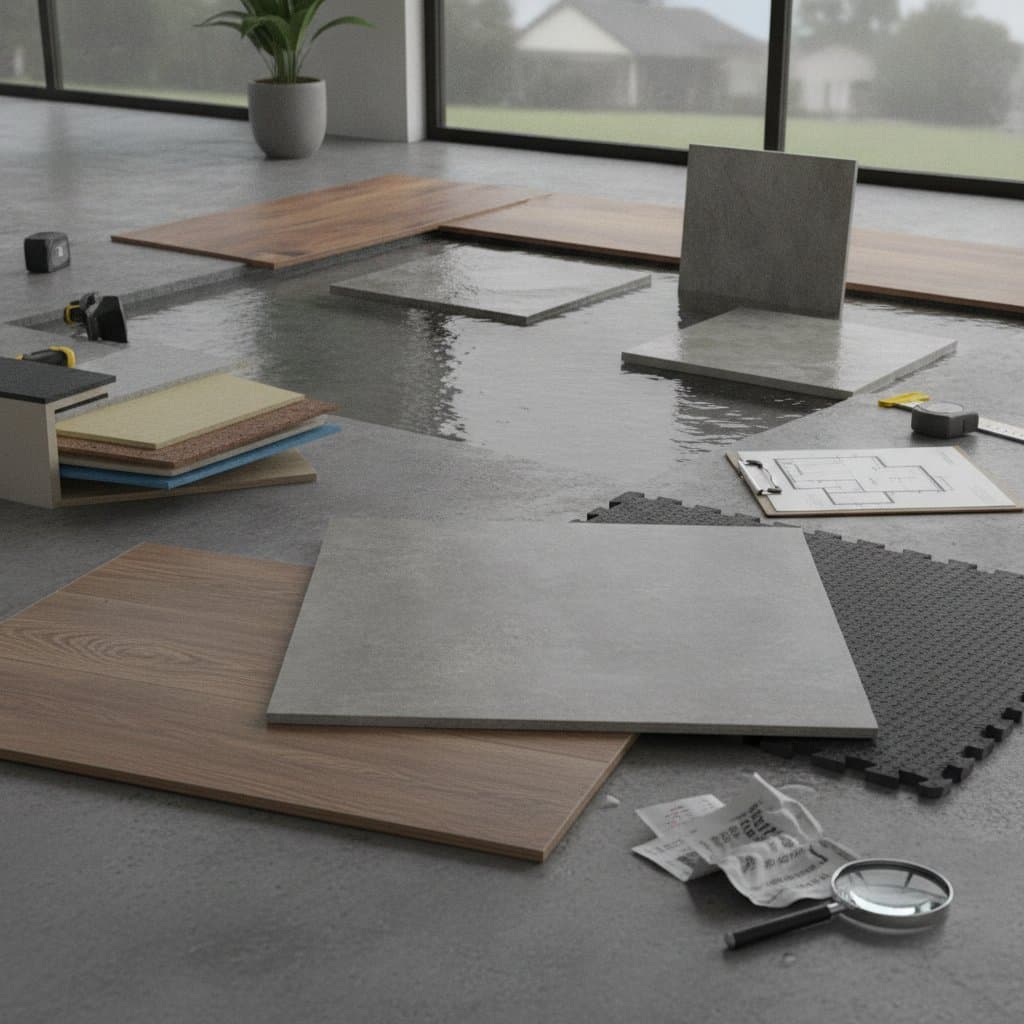
Choices in finishes affect both aesthetics and budget. Midrange options, such as laminate countertops and vinyl flooring, offer durability without excess expense. Premium selections like quartz surfaces or hardwood can increase material costs by 50 percent or more. Prioritize moisture-resistant materials in shared spaces to withstand daily family traffic.
Accessibility Features
Incorporating universal design elements supports aging in place. Features include grab bars in bathrooms, zero-threshold entries, and hallways at least 36 inches wide. These additions range from $5,000 for basic installations to $25,000 for comprehensive adaptations. Consult occupational therapists for layouts that accommodate wheelchairs or mobility aids.
Professional Fees and Regulations
Allocate 8 to 15 percent of the budget for design, permits, and inspections. Architects or designers ensure compliance with zoning laws, which vary by municipality. ADU regulations often limit size to 1,200 square feet and require setbacks from property lines. Early engagement with local authorities streamlines approvals and avoids fines.
Deciding Between DIY and Professional Help
Homeowners weigh the balance of cost savings against expertise needs. Certain tasks suit skilled individuals, while others demand certified specialists.
Suitable DIY Projects
Capable homeowners handle cosmetic and light assembly work:
- Applying paint to walls and trim for a fresh look.
- Laying prefinished flooring in non-structural areas.
- Planting and mulching around an ADU for curb appeal.
These efforts reduce labor expenses by 10 to 20 percent. Acquire tools and follow manufacturer guidelines to achieve professional results.
Essential Professional Services
Complex elements require licensed experts to meet safety standards:
- Framing walls and supports to bear loads.
- Wiring electrical systems and installing outlets.
- Pouring concrete foundations or installing roofs.
- Building code-compliant ramps or stairlifts.
Engage a general contractor to coordinate trades and navigate inspections. Their oversight minimizes errors that could lead to costly rework.
Assessing Your Skill Level
Most multigenerational projects demand intermediate to advanced abilities. Beginners face challenges in coordinating timelines and sourcing materials. If prior remodeling experience lacks, opt for full professional management. This approach safeguards quality and accelerates completion, often within 3 to 6 months.
Ongoing Maintenance for Longevity
Quality construction endures 30 to 50 years with diligent upkeep. Regular attention prevents minor issues from escalating.
Routine Annual Maintenance
Perform these checks to maintain habitability:
- Inspect and recaulk seals around windows and doors to block drafts.
- Clear debris from gutters and downspouts to prevent water damage.
- Verify operation of smoke and carbon monoxide alarms.
- Replace HVAC filters every three months for optimal airflow.
These steps cost little but extend system life and enhance indoor air quality.
Periodic Deep Maintenance
Every five to ten years, address wear:
- Refresh exterior paint on trim and siding to protect against elements.
- Repair or replace damaged flooring and refresh grout lines.
- Reseal bathroom tiles and shower enclosures to avoid leaks.
Document all work for warranty claims and resale documentation. Budget 1 to 2 percent of the project cost annually for reserves.
Common Questions About Multigenerational Upgrades
Will an ADU Raise Property Taxes?
Construction typically triggers a property reassessment. The tax hike correlates with added square footage and local millage rates. For example, a 600-square-foot ADU might increase annual taxes by $1,000 to $3,000. Check with your assessor for precise impacts and potential exemptions for family dwellings.
Do These Upgrades Boost Resale Value?
Flexible designs often enhance market appeal. Separate entrances and private baths attract buyers seeking in-law suites or rental income. Return on investment averages 60 to 80 percent, higher in family-oriented neighborhoods. Emphasize energy-efficient and accessible features in listings to broaden buyer interest.
Steps to Launch Your Project
Define family needs first, such as private bedrooms or shared kitchens. Obtain bids from at least three licensed contractors, evaluating detailed proposals over lowest prices. Include a 10 percent contingency for unforeseen discoveries like outdated wiring. Focus on superior insulation, secure electrical setups, and intuitive layouts. These choices foster harmonious living and safeguard your financial commitment for generations.