ADU Construction Costs Projected to Surge 35% by 2026: Plan Your Budget Today
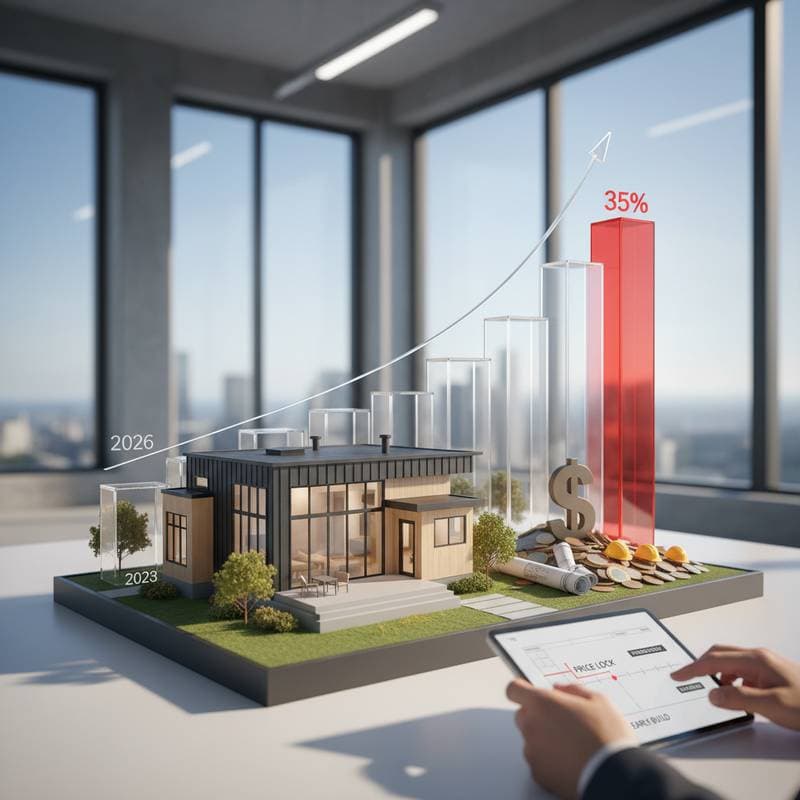
Accessory dwelling units offer versatile solutions for housing needs, from generating rental income to accommodating extended family. However, a forecasted 35 percent increase in construction costs by 2026 demands proactive planning from homeowners. This article explores the factors driving these rises, their impact on various ADU projects, and practical strategies to control expenses and timelines.
Understanding Accessory Dwelling Units
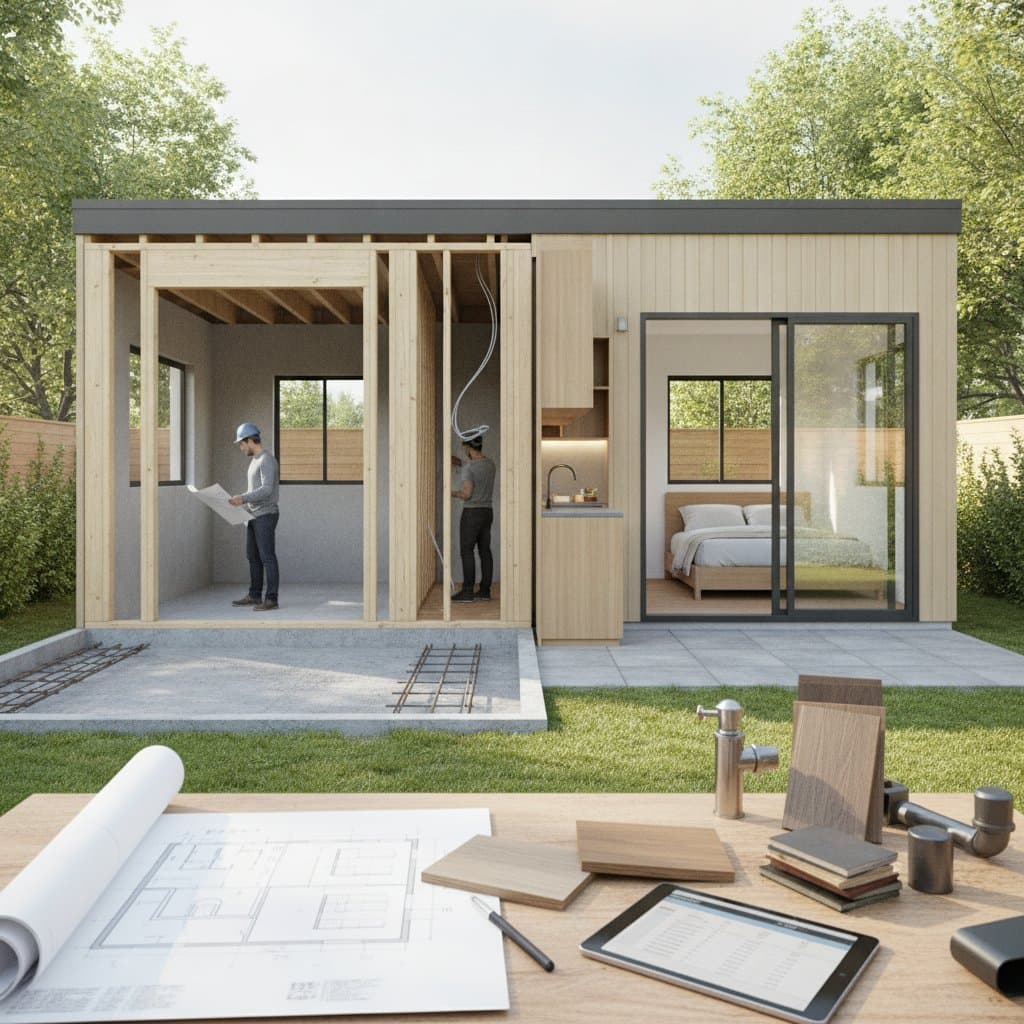
An accessory dwelling unit functions as an independent living space on the same residential property as the primary home. It includes essential features such as a full kitchen, bathroom, sleeping quarters, and a private entrance. Common configurations encompass detached structures like backyard cottages, conversions of existing garages or basements, and additions attached to the main residence.
Local regulations typically specify limits on size, height, and parking provisions to ensure compatibility with neighborhood standards. These units provide adaptable options for supplemental housing, often sharing core utilities with the primary home while requiring dedicated electrical and plumbing systems to satisfy safety codes.
Factors Driving the 35% Cost Increase
Multiple interconnected pressures at national and local levels contribute to the anticipated escalation in ADU construction expenses.
- Material Price Inflation: Essential components like lumber, concrete, insulation, and fixtures experience elevated costs due to manufacturing and shipping challenges.
- Labor Supply Constraints: Demand for qualified tradespeople outpaces availability, leading to extended booking periods and higher wage rates.
- Evolving Building Codes: Stricter mandates for energy conservation, fire protection, and accessibility features add layers of design and material requirements.
- Delayed Permitting Processes: Extended review times by municipal offices result in additional carrying costs for preliminary designs and funding.
- Rising Utility Fees: Municipal charges for connecting water, sewer, and electrical services continue to climb at rates exceeding general inflation.
- Shifting Financing Landscape: Lenders impose more stringent conditions, which increase initial capital outlays for borrowers.
These elements interact to amplify overall project budgets, particularly for custom builds.
Strategies to Control ADU Costs Amid Rising Expenses
Homeowners can mitigate the impact of inflation through targeted adjustments and forward-thinking decisions.
- Refine Project Specifications: Consider scaling back to essential square footage or eliminating luxury elements, such as expansive ceilings or premium surface materials, to align with budget constraints.
- Solicit Fresh Bids from Contractors: Contact several licensed professionals for current estimates, as regional labor markets influence pricing significantly.
- Secure Material Commitments: Negotiate with suppliers for fixed-price quotes valid for 30 to 60 days, and place deposits on key items like framing lumber, energy-efficient windows, and durable roofing to hedge against fluctuations.
- Optimize Design for Simplicity: Favor rectangular forms and integrate with existing structures where possible to minimize material use; steer clear of intricate roofing angles or bespoke glazing.
- Verify Utility Integration Expenses: Consult your municipal building authority early to obtain precise fees for service connections, which frequently adjust upward more rapidly than construction inputs.
- Explore Tailored Financing Options: Inquire with financial institutions about specialized ADU loans or hybrid construction-permanent financing that limits interest accrual during the building phase.
- Time the Project Wisely: Select off-peak periods for initiation, such as early spring or late fall, to benefit from reduced labor competition and potentially quicker completion schedules.
Implementing these measures early preserves financial flexibility and project viability.
Weighing DIY Approaches Against Professional Services
Deciding between self-managed work and hiring experts involves balancing cost savings with risk management.
| Aspect | DIY Option | Professional Service |
|---|---|---|
| Required Expertise | Intermediate to expert skills | Certified and licensed professionals |
| Safety Considerations | Elevated risks in wiring, piping, and framing tasks | Handled by experienced teams with safety protocols |
| Equipment Needs | Comprehensive personal tool collection for woodworking and finishing | Access to industrial-grade machinery |
| Regulatory Compliance | Permits mandatory; inspections often intricate | Contractor oversees all approvals and verifications |
| Timeline | 9 to 18 months with intermittent effort | 3 to 9 months under dedicated supervision |
| Assurance | Minimal guarantees on quality | Comprehensive coverage for labor and materials |
Owners may incorporate DIY for low-risk tasks like interior painting, floor installation, or exterior landscaping to trim expenses. Critical elements involving structure, electricity, and water systems demand professional oversight and third-party inspections to adhere to codes.
Ensuring Long-Term Durability Through Maintenance
Proper upkeep extends the service life of an ADU to match that of the primary residence.
- Roof Systems: Schedule replacement or resurfacing every 20 to 30 years, based on the selected material's durability.
- Exterior Protection: Apply fresh coats of paint and sealants every five to seven years to guard against moisture penetration and deterioration.
- Heating and Cooling: Change HVAC filters quarterly to maintain optimal performance and energy savings.
- Water Management: Examine gutters and drainage channels biannually to prevent foundational issues.
- Structural Integrity: Survey the base for shifts or fissures annually, ideally during spring assessments.
Allocate approximately one percent of the initial build cost annually for routine preservation to safeguard value.
Common Questions About ADU Cost Management
How will the projected increases impact attached versus detached ADUs? Detached configurations typically encounter steeper rises because they necessitate independent foundations and roofing systems.
Do prefabricated ADUs avoid these cost pressures? Prefab models remain vulnerable, as they rely on the same volatile supplies for production and transportation.
Is it feasible to stage construction over time? Yes, prioritizing the exterior envelope before interior fit-out allows expense distribution, provided temporary protections ensure weather resistance and regulatory adherence.
What effects does inflation have on borrowing? Elevated interest rates elevate both periodic payments and the cumulative expense of the project.
Does converting an existing garage offer savings over ground-up construction? In most cases, yes, given the pre-existing framework, though enhancements to thermal barriers and service lines are essential.
Securing Your ADU Investment for the Future
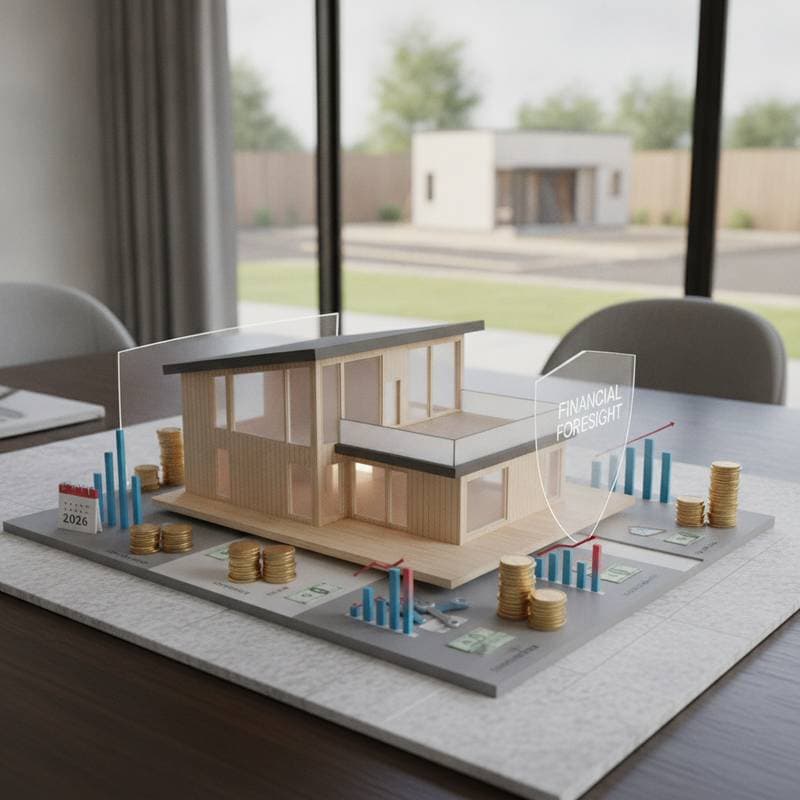
By addressing cost drivers head-on and adopting efficient planning tactics, homeowners position themselves to realize the full potential of ADUs without undue financial strain. Start with a detailed site evaluation and budget forecast to navigate the evolving market confidently. This approach not only controls expenditures but also enhances the unit's role in long-term property appreciation and family support.