Garage to ADU Conversion Costs in 2026
Summary Box
National average cost: $140,000
Typical range: $95,000 to $180,000
Low end: $60,000 for a basic conversion with minimal plumbing
High end: $250,000 for a full-featured detached ADU with custom finishes
Time to complete: 4 to 8 months including design, permits, and construction
DIY or Pro: Licensed contractor required for structure, plumbing, and electrical
ROI or resale impact: Adds 20 to 30 percent of the project cost to property value, potential rental income of $1,500 to $3,000 per month
Key Cost Factors
Multiple elements influence the total expense of converting a garage into an accessory dwelling unit. Homeowners who identify these factors early can develop a precise budget and minimize unexpected expenses.
Project Scope and Size
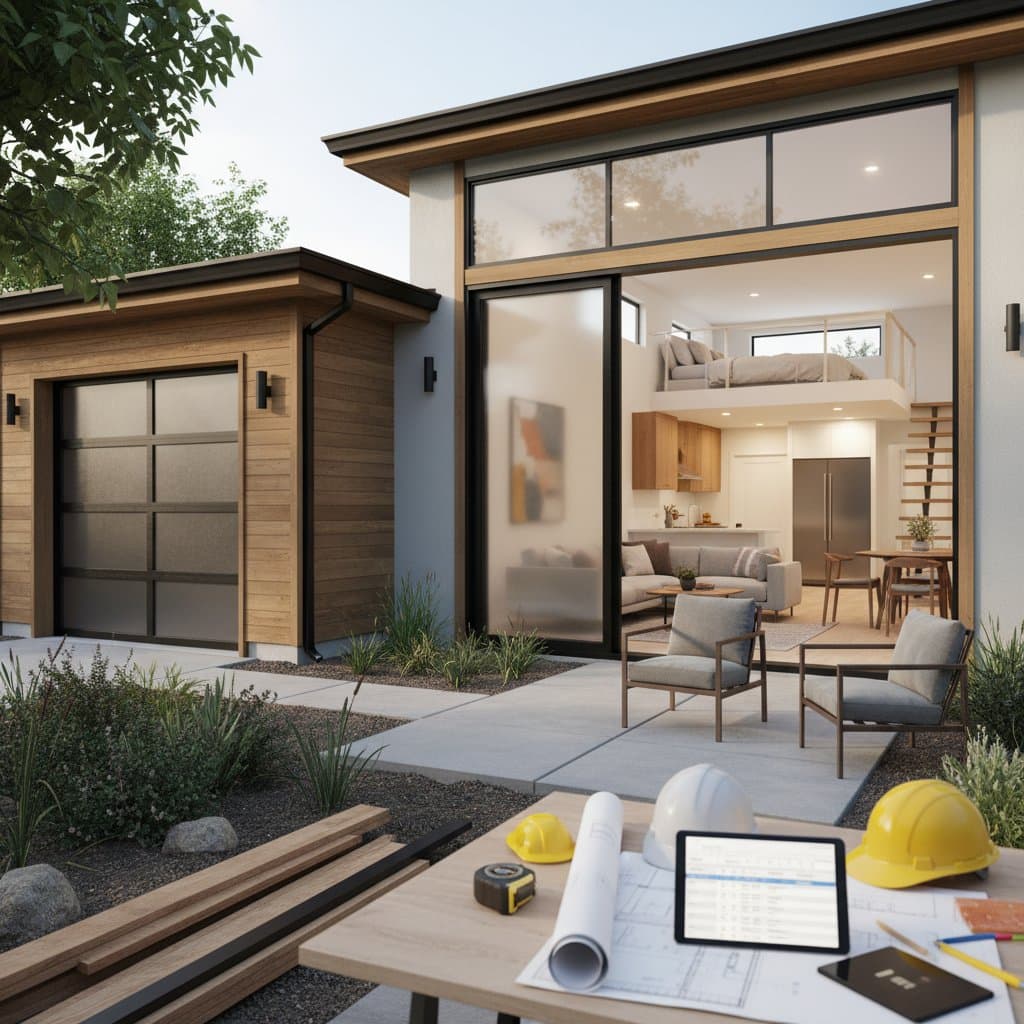
Conversions of single-car garages, typically under 400 square feet, demand efficient layouts to incorporate essentials like a bathroom and kitchenette. Larger two-car garages support complete apartment configurations, including dedicated bedrooms, but necessitate expanded utility installations and surface treatments.
Material Quality and Finishes
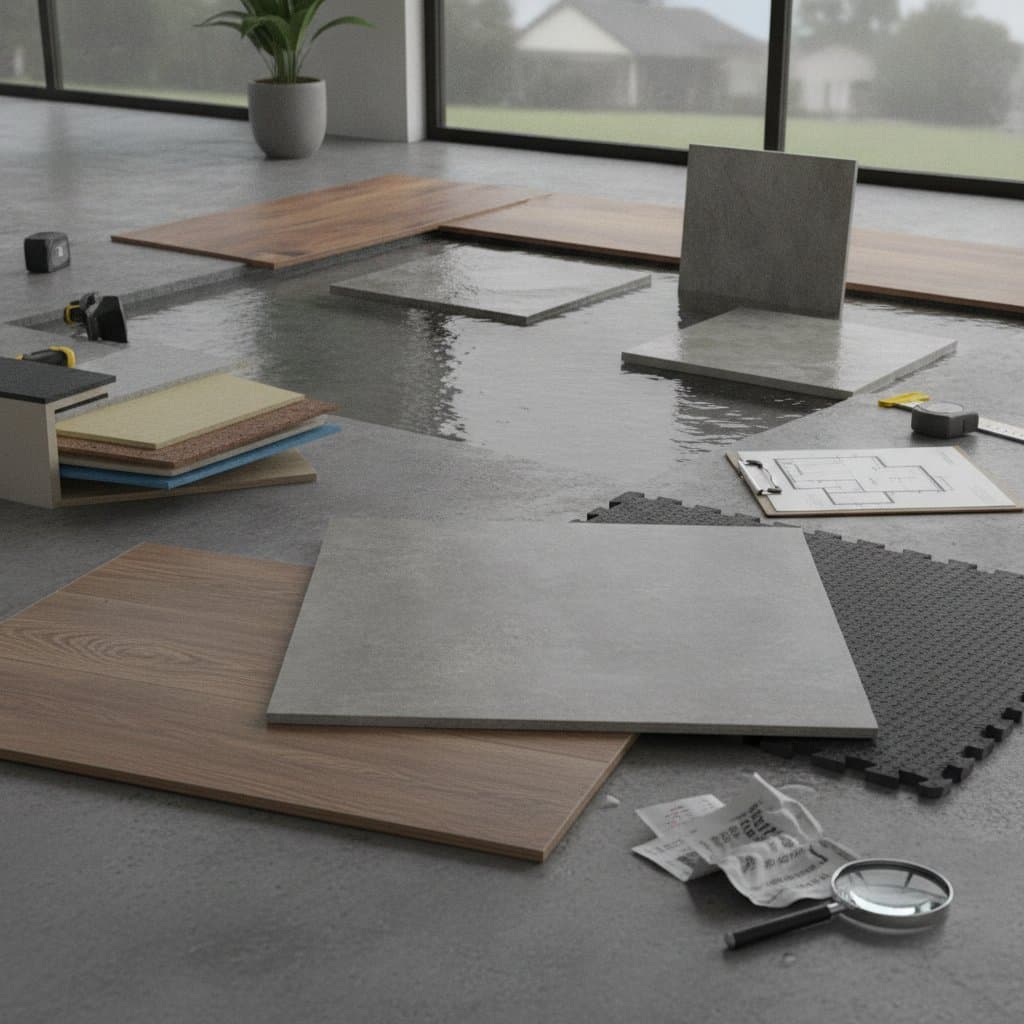
Entry-level options such as vinyl flooring, laminate countertops, and fiberglass shower enclosures maintain expenses at the lower spectrum. Premium choices, including ceramic tile, quartz surfaces, and bespoke cabinetry, elevate costs into high-end ranges. Mid-tier materials often provide optimal value for both rental appeal and property resale.
Site Preparation and Access Challenges
Aging garages frequently feature unreinforced concrete slabs or inadequate drainage systems, requiring remediation that increases outlays. Restricted backyard entry or insufficient on-site parking for work teams extends labor duration. Detached structures involve additional trenching for water, sewage, and electrical lines.
Local Labor Availability and Timing
Regions with high construction demand and scarce skilled workers experience elevated rates. In cooler climates, off-peak seasons may yield modest savings, whereas peak summer periods often result in extended booking waits.
Additions and Modifications
Features like raised ceilings, roof windows, or integrated shelving prolong both the project duration and financial commitment. Alterations post-permit issuance trigger redesigns and re-inspections, emphasizing the importance of thorough upfront planning.
Strategies to Control Costs Effectively
Cost-Effective Material Alternatives
Opt for resilient luxury vinyl plank flooring over solid hardwood to achieve similar aesthetics at reduced expense. Prefabricated cabinetry assembles more rapidly than custom-built units, cutting material and installation fees. Shower kits offer a seamless, leak-resistant bathroom solution without the labor intensity of tiled surrounds.
Site Preparation to Minimize Labor
Remove all items from the garage prior to contractor arrival. Ensure unobstructed driveway access for waste containers and supply trucks. Verify utility pathways and connection points beforehand to avoid project halts. These steps streamline operations and lower billable hours.
Strategic Scheduling and Bundling
Initiate design and permitting during winter or early spring when professional availability peaks. Integrate the ADU project with concurrent home improvements, such as roof replacements or siding refreshes, to consolidate mobilization and debris removal charges.
Obtaining Competitive Bids
Solicit detailed proposals from a minimum of three vetted contractors. Request separate breakdowns for materials and labor. Scrutinize each bid for comprehensive coverage of insulation, utility integrations, and surface applications. Employ this evaluation framework:
Bid Evaluation Checklist
- Detailed scope of work provided
- Specific material types and suppliers identified
- Preparation, finishing, and cleanup tasks specified
- Fees for permits and waste management incorporated
- Warranty details and projected completion dates outlined
- Payment terms linked to verifiable progress points
Project Timeline and Coordination
Material Procurement Delays
Specialty items like windows, cabinetry, and heating systems carry wait times of four to eight weeks. Place orders immediately upon permit approval. Readily available products, such as pre-cut flooring or standard fixtures, accelerate the overall process.
On-Site Construction Phases
Experienced teams dedicate 10 to 16 weeks to hands-on work. The process unfolds in these stages:
- Demolition and Site Setup: 1 to 2 weeks
- Structural Framing and Initial Installations: 3 to 4 weeks
- Building Inspections and Insulation: 1 to 2 weeks
- Interior Drywall and Treatments: 3 to 5 weeks
- Exterior Enhancements and Finalization: 2 to 3 weeks
Required Inspections
Anticipate a minimum of four checkpoints: structural base, framework integrity, preliminary utilities, and occupancy clearance. Delays from overlooked or unsuccessful reviews extend approval timelines, so arrange them without hesitation.
Long-Term Upkeep and Durability
Routine Maintenance Practices
Treat the ADU with the same diligence as the primary residence. Replace HVAC filters quarterly. Renew caulking around bathing areas and fixtures annually. Inspect for water seepage along walls and foundation perimeters regularly.
Identifying Potential Issues
Monitor signs such as blistering paint at floor levels, damp smells, or intermittent lighting. These indicators point to water penetration or faulty wiring. Prompt intervention averts major overhauls.
Repair Decisions
Surface elements like fixtures, floors, and coatings endure 8 to 12 years under normal use. Climate control units function 10 to 15 years with consistent care. For structural concerns involving moisture or settling, engage specialists prior to superficial corrections.
Variations by Location
Expenses differ significantly across geographies. High-regulation zones in coastal or metropolitan settings, including California and Northeastern states, frequently surpass $200,000 due to stringent codes and premium wages. More affordable areas in the Midwest or Southern regions often achieve full conversions below $100,000, benefiting from lenient permitting and competitive labor. Verify jurisdiction-specific rules on parking, lot boundaries, and independent metering.
Steps to Launch Your Project
Transforming a garage into an ADU opens opportunities for additional housing, revenue streams, or family accommodations. Success hinges on expert architectural input, meticulous financial planning, and seamless collaboration with municipal offices. Start by inspecting the space alongside a qualified builder to assess overhead clearance, slab stability, and plumbing viability. Develop a timeline that incorporates procurement waits and regulatory reviews for a smooth execution.