2026 Costs for Multigenerational Home Conversions
Project Overview
Average Cost Range: $140,000 to $340,000 for a complete conversion
DIY Complexity: Moderate to advanced, best handled by professionals for structural work
Expected Timeline: Three to eight months, varying by project scope and location
Primary Challenges: Structural modifications, permit approvals, plumbing installations, and accessibility standards
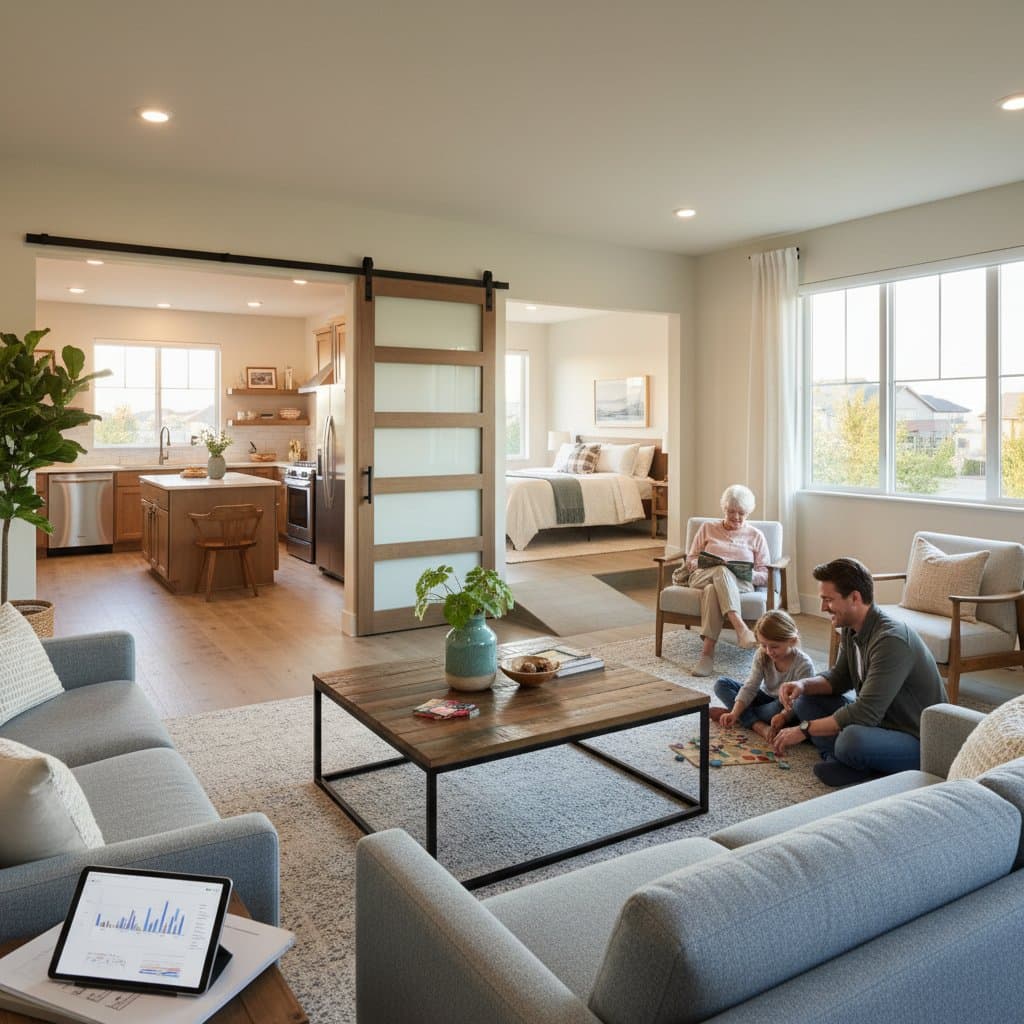
Multigenerational homes enable families to share living spaces while maintaining individual privacy and autonomy. Families often pursue conversions by transforming basements, constructing accessory dwelling units (ADUs), or rearranging interior layouts. Effective planning of costs and designs proves essential. Such projects lower ongoing housing expenses and increase property resale value, provided budgets remain realistic and expectations align with practical outcomes.
Evaluating Conversion Types
Select the conversion approach that aligns with available space, family dynamics, and financial limits. Basements or attics offer economical starting points, whereas detached units provide greater separation. Consider local zoning rules early to avoid setbacks.
| Conversion Type | Cost Range | Advantages | Disadvantages |
|---|---|---|---|
| Basement or Attic Suite | $80,000 to $180,000 | Leverages existing building envelope; encounters fewer permit obstacles | Faces natural light shortages; deals with low ceiling constraints |
| Garage ADU | $120,000 to $250,000 | Delivers a standalone living area; enhances market appeal upon sale | Demands fresh plumbing lines and enhanced insulation |
| Attached Addition | $150,000 to $300,000 | Integrates smoothly with the main house; shares utility systems | Involves elevated expenses for foundations and roof extensions |
| Detached ADU | $200,000 to $340,000 | Maximizes personal space; supports potential income through rentals | Necessitates independent foundations and utility connections |
Basement conversions suit urban properties with limited lots, minimizing disruption to outdoor areas. Garage transformations work well for families seeking quick independence without major site alterations. Attached additions foster communal interactions, ideal for close-knit groups. Detached options appeal to those prioritizing separation, though they demand more land and investment.
Project Timeline and Phases
Most multigenerational conversions span three to eight months, from initial concepts to final occupancy. Factors such as project scale, contractor availability, and regulatory reviews influence the duration. Build in buffers for unforeseen delays, such as material shortages or weather interruptions.
-
Planning and Design Phase: Allocate four to eight weeks. Engage an architect or designer to sketch layouts that incorporate separate entrances, kitchens, and bathrooms. Review family input to ensure spaces support aging in place, including wide doorways and non-slip flooring.
-
Permitting and Approvals: Expect two to eight weeks. Submit plans to local building departments, addressing zoning variances if needed. Consult engineers for structural assessments, particularly for load-bearing modifications.
-
Demolition and Framing: Plan for two to four weeks. Remove non-load-bearing walls and install new framing for room divisions. Reinforce floors or ceilings as required to meet safety codes.
-
Rough-Ins for Systems: Dedicate three to six weeks. Route plumbing for sinks and showers, wire electrical circuits for appliances, and install HVAC ducts for efficient climate control. Coordinate trades to prevent rework.
-
Insulation, Drywall, and Finishes: Reserve four to six weeks. Apply insulation to walls and attics, hang drywall, and add interior elements like cabinetry and countertops. Select durable, low-maintenance materials to withstand daily family use.
-
Final Inspections and Approvals: Allow one to two weeks. Schedule walkthroughs with inspectors to verify compliance. Address any corrections promptly to secure occupancy certificates.
Custom features, such as wheelchair ramps or smart home integrations, extend timelines by two to four weeks. Track progress with weekly contractor meetings to stay on course.
Essential Materials and Tools
Gather materials suited to the conversion scale, prioritizing quality for longevity. Source from reputable suppliers to ensure code compliance. Tools should support precise work, with safety gear mandatory for all phases.
Core Materials
- Framing lumber, such as 2x4 studs, and moisture-resistant drywall sheets
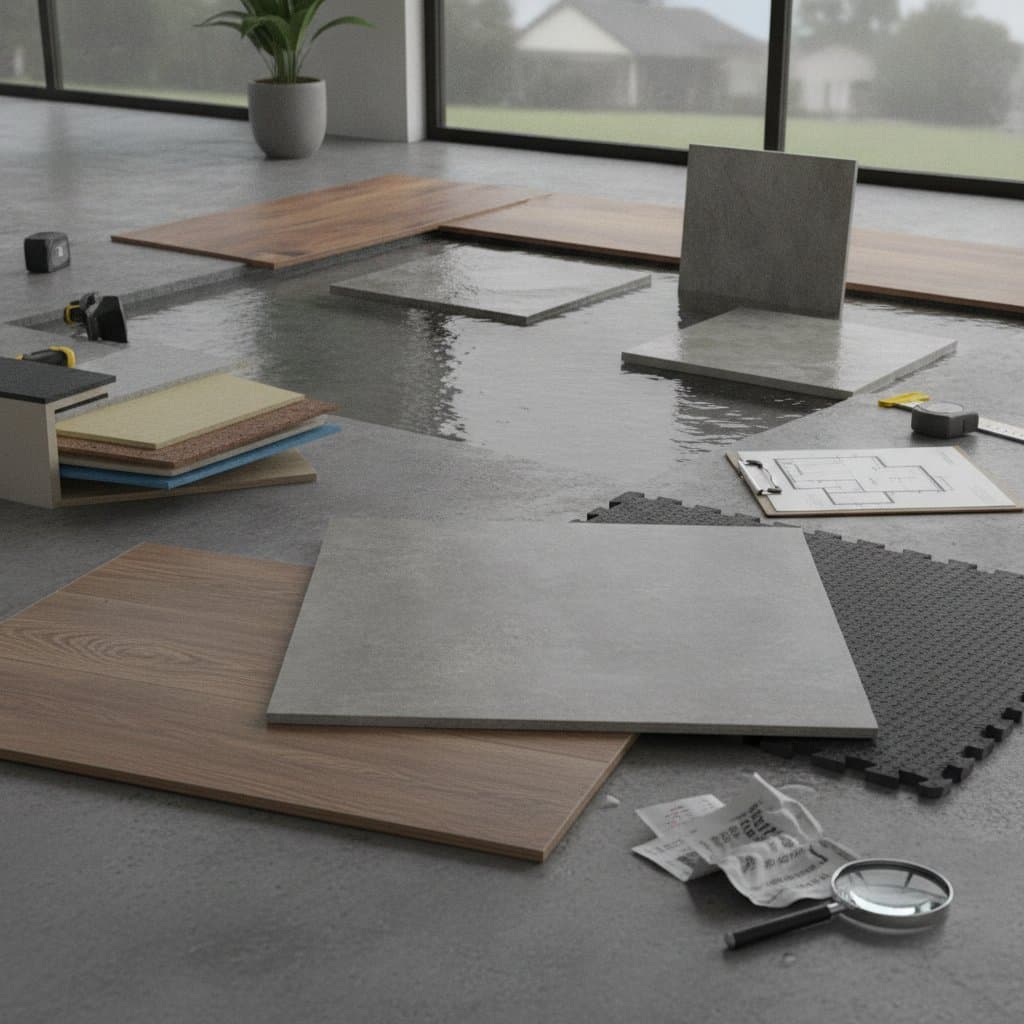
- Rigid foam insulation boards and polyethylene vapor barriers for energy efficiency
- PEX tubing, copper pipes, and fixtures for plumbing systems
- Romex electrical wiring, GFCI outlets, and circuit breakers for safe power distribution
- Low-VOC paints, vinyl plank flooring, and modular cabinetry for easy installation
- Grab bars, lever-style door handles, and motion-sensor lighting for accessibility
Recommended Tools
- Circular saw for cutting lumber and a cordless drill for fastening
- Laser level, 25-foot tape measure, and electronic stud finder for accuracy
- Utility knife for scoring materials and trowels for applying joint compound
- Personal protective equipment: heavy-duty gloves, safety goggles, dust masks, and respirators
Budget 10 to 15 percent extra for materials to cover waste or upgrades. Rent specialized tools, like scaffoldings, rather than purchasing for one-time use.
Ongoing Maintenance and Durability
A completed multigenerational space endures 20 to 30 years with proactive care. Regular upkeep prevents costly repairs and preserves functionality across generations. Focus on systems prone to wear, such as those exposed to high traffic.
- Conduct annual inspections of plumbing lines and electrical panels to detect leaks, corrosion, or overload risks. Hire certified technicians for thorough evaluations.
- Refresh paint and wall treatments every five to seven years, using washable finishes in high-use areas to simplify cleaning.
- Replace HVAC filters every three months in shared ventilation systems, and service units biannually to maintain air quality.
- Reapply sealants to grout lines, caulk around fixtures, and thresholds quarterly, especially in moisture-prone zones like bathrooms.
Incorporate energy-saving measures from the start, such as high-efficiency water heaters and programmable thermostats. These choices cut utility bills by 20 to 30 percent annually. Document maintenance schedules in a shared family log to ensure consistency.
Adapting to Regional Factors
Local conditions shape conversion strategies, from material selections to design priorities. Research climate data and building codes specific to your area during planning. This approach avoids common pitfalls and optimizes performance.
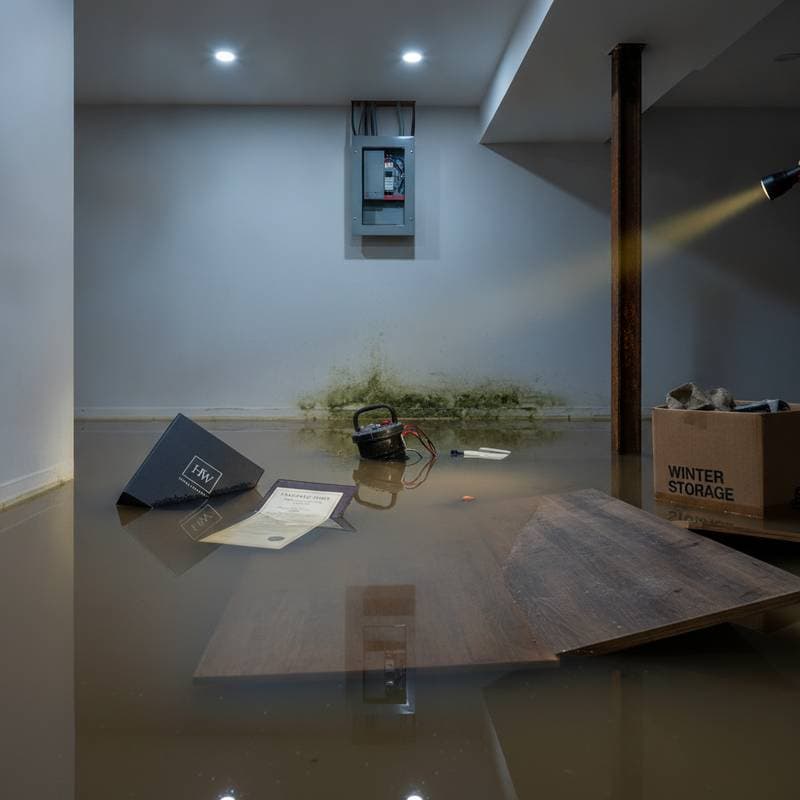
In colder regions, add R-30 insulation to exterior walls and install heated flooring to combat drafts. Basements require sump pumps and dehumidification to manage groundwater. Humid climates call for mold-resistant drywall and exhaust fans in kitchens and baths. Install whole-home dehumidifiers to control indoor moisture levels below 50 percent.
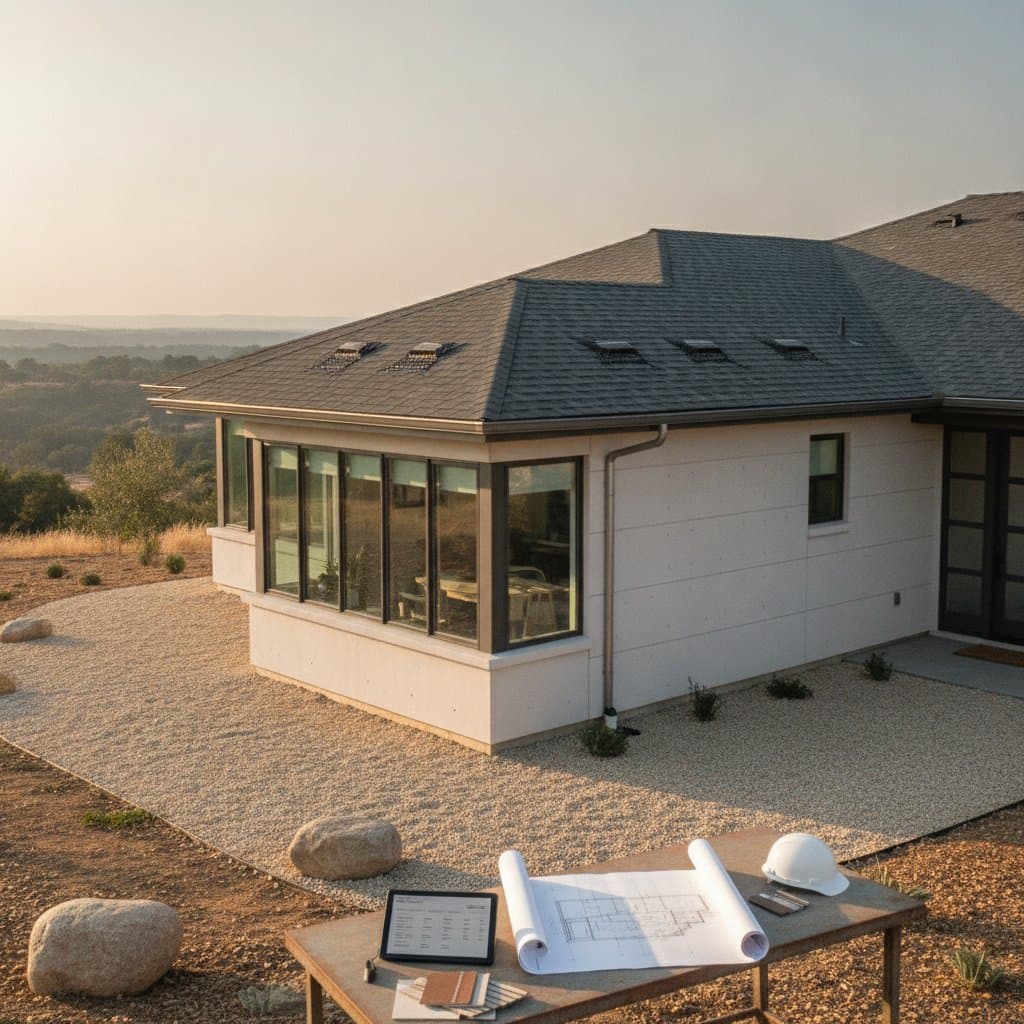
Urban settings often restrict lot coverage ratios, limiting detached ADUs to corner properties. Rural areas offer more flexibility but may require septic expansions for additional units. Coastal zones demand elevated foundations to withstand flooding risks. Verify setback requirements and utility easements with municipal planners before committing funds.
Steps to Launch Your Conversion
Begin by assembling family members to outline specific requirements, such as bedroom counts or communal kitchen access. Sketch preliminary floor plans using free online tools to visualize options. This step clarifies priorities and prevents scope creep.
Next, consult local zoning officials to confirm allowable modifications. Budget for professional services: architects at $5,000 to $15,000, engineers at $2,000 to $8,000, and general contractors at 10 to 20 percent of total costs. Obtain at least three detailed bids, comparing inclusions like warranties and cleanup.
Secure financing through home equity loans or construction lines, aiming for rates under 7 percent in 2026 projections. Track expenses with software like QuickBooks to monitor overruns. Engage a project manager if coordinating multiple trades feels overwhelming.
A multigenerational conversion invests in lasting family bonds and housing stability. Thoughtful execution adapts your home to life's shifts, ensuring comfort, safety, and equity for all residents while elevating overall property worth.