Understanding Accessory Dwelling Units
An accessory dwelling unit, or ADU, represents a secondary housing structure on a residential property. Homeowners often convert existing garages into ADUs to create independent living spaces. These units include kitchens, bathrooms, and sleeping areas, suitable for family members, guests, or rental tenants.
ADUs promote efficient land use and address housing shortages in many communities. Local regulations define ADU standards, such as size limits and setback requirements. Before starting, verify eligibility through municipal planning departments.
Benefits of Garage-to-ADU Conversion
This conversion maximizes underutilized space on your property. It provides additional living quarters for aging parents or grown children, fostering multigenerational living. Rental potential generates steady income, often offsetting construction expenses over time.
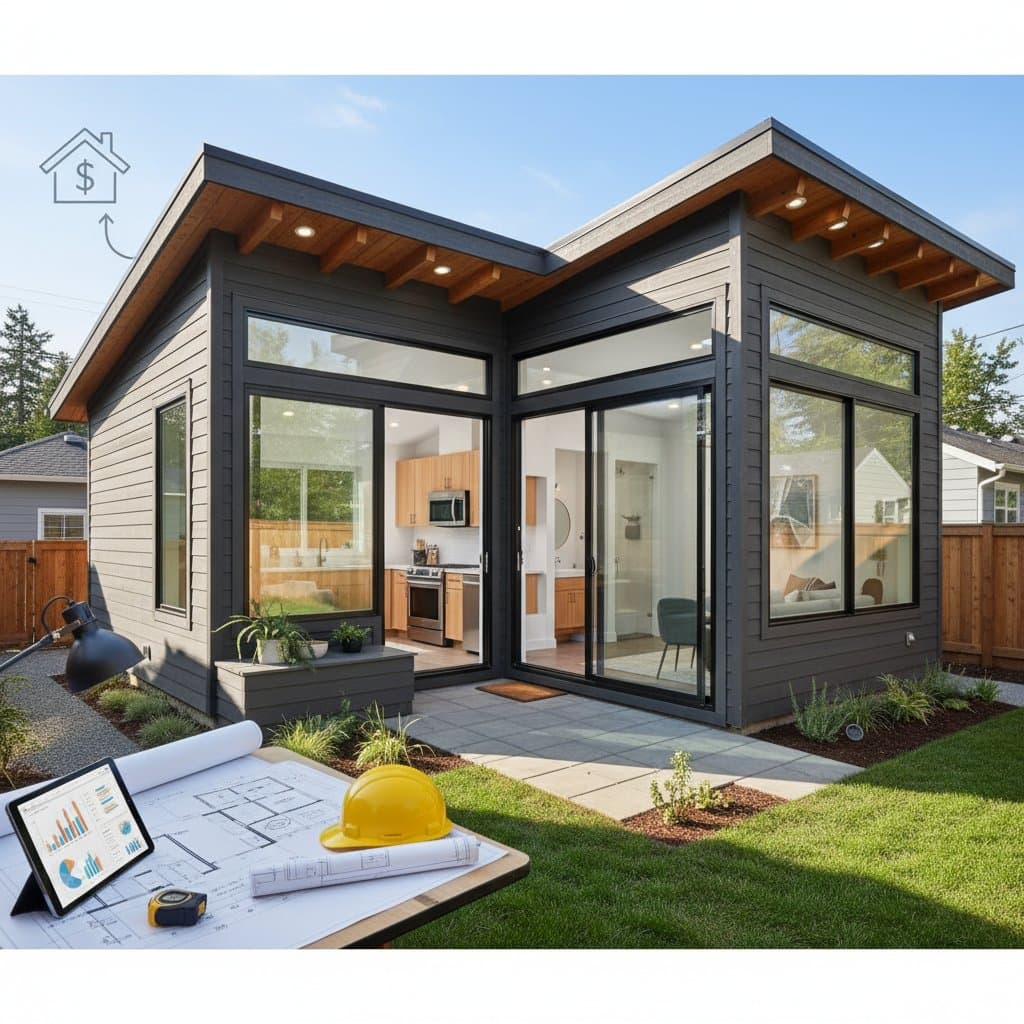
Property values increase significantly with a well-designed ADU. Studies show additions like these can boost resale prices by 10 to 20 percent in urban areas. Enhanced curb appeal and functionality make the home more attractive to future buyers.
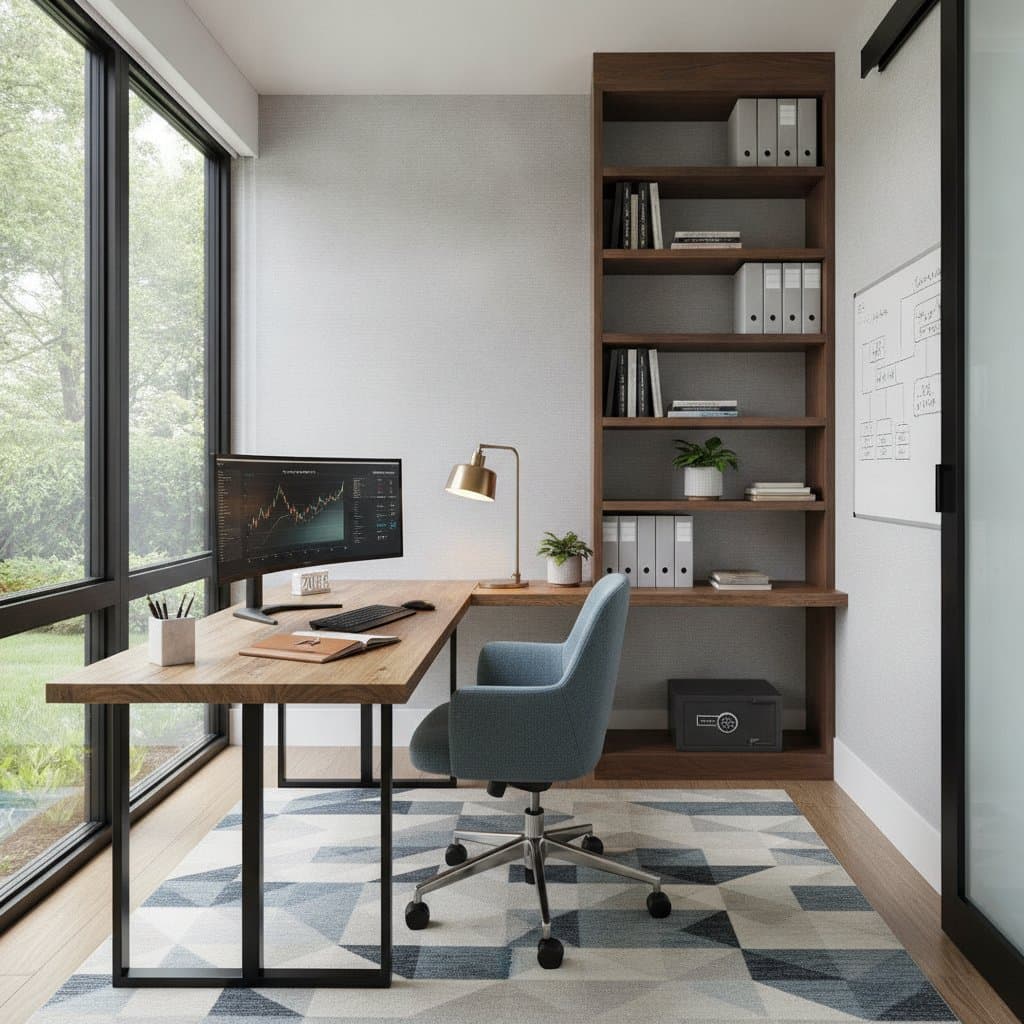
Flexibility stands out as a key advantage. Use the space for home offices, guest rooms, or storage when not rented. Such versatility adapts to changing family needs or market conditions.
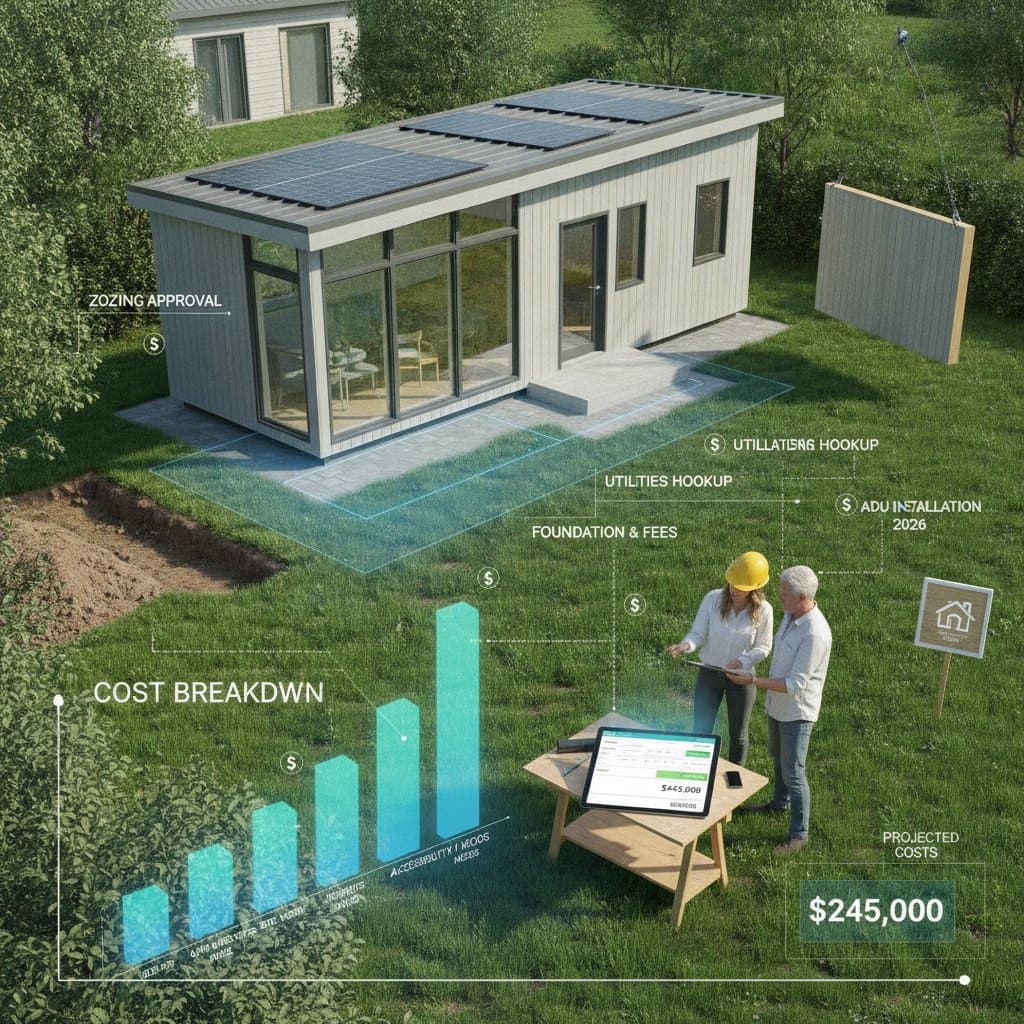
Cost Breakdown: $80,000 to $180,000 Range
Total expenses for garage-to-ADU projects vary widely based on location, scope, and materials. Basic conversions in low-cost regions start around $80,000, covering essential renovations. High-end builds in premium markets reach $180,000 or more, incorporating luxury finishes and extensive upgrades.
Structural assessments form the foundation of budgeting. Older garages may require foundation reinforcements, adding $10,000 to $30,000. Roof replacements or wall extensions contribute another $15,000 to $40,000, depending on square footage.
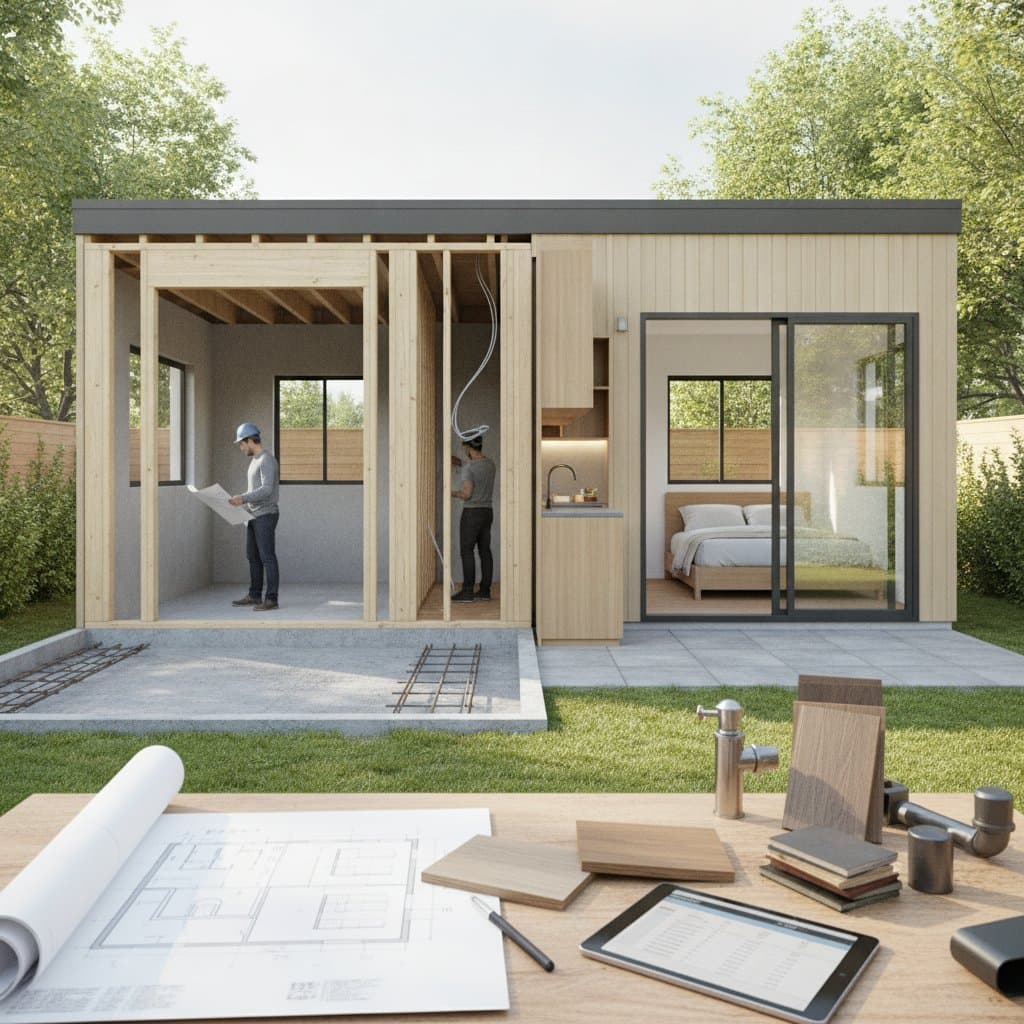
Utility connections represent a major factor. Extending plumbing, electrical, and HVAC systems costs $20,000 to $50,000. In areas with strict codes, septic or sewer tie-ins escalate expenses further.
Interior fit-outs include kitchen installations at $15,000 to $25,000 and bathroom setups from $10,000 to $20,000. Flooring, insulation, and drywall work add $5,000 to $15,000. Permits and fees typically range from $5,000 to $10,000, varying by jurisdiction.
Factors Influencing Total Costs
Location plays a pivotal role in pricing. Urban zones with high labor rates push costs toward the upper end. Rural settings offer savings through lower material transport fees.
Garage condition determines initial outlays. Sound structures minimize demolition needs, keeping budgets under $100,000. Deteriorated builds demand full rebuilds, approaching $150,000.
Design complexity affects the bottom line. Simple, open layouts reduce expenses compared to multi-room configurations. Energy-efficient features, like solar panels, add $10,000 but yield long-term savings.
Market fluctuations impact material prices. Steel, lumber, and fixtures rise during supply shortages. Plan projects during stable periods to control costs.
Step-by-Step Planning Guide
Assess Feasibility
Begin with a professional inspection of the garage. Engineers evaluate load-bearing capacity and foundation integrity. This step identifies hidden issues early, preventing costly surprises.
Review local zoning laws online or at city hall. Confirm ADU allowances, such as maximum size (often 800 square feet) and occupancy rules. Neighbor notifications may apply in some districts.
Develop a Budget and Timeline
Compile a detailed estimate using contractor quotes. Allocate 10 to 15 percent for contingencies. Timelines span 3 to 6 months, factoring in permit approvals.
Prioritize essential elements: structure, utilities, and code compliance. Defer non-essentials like custom cabinetry to stay within budget. Track expenses with spreadsheets for transparency.
Secure Permits and Approvals
Submit architectural plans to the building department. Include site surveys and engineering reports. Approval processes take 4 to 12 weeks, depending on workload.
Engage with homeowners associations if applicable. Address any aesthetic guidelines for exterior changes. Compliance avoids fines or project halts.
Design the Space
Hire architects or designers specializing in ADUs. Focus on natural light, ventilation, and accessibility. Layouts should separate living areas from the main house for privacy.
Incorporate durable, low-maintenance materials. Vinyl flooring resists wear, while LED lighting cuts energy bills. Aim for universal design to accommodate future needs.
Execute Construction
Select licensed contractors with ADU experience. Obtain multiple bids and check references. Clear contracts outline scope, payments, and warranties.
Monitor progress weekly to ensure quality. Address deviations promptly. Final inspections verify code adherence before occupancy.
Hiring Professionals and Avoiding Pitfalls
General contractors coordinate all trades, streamlining the process. Expect fees of 10 to 20 percent of total costs. Specialized consultants handle zoning or engineering challenges.
Common pitfalls include underestimating utilities or ignoring noise regulations. Soundproofing walls prevents disturbances to the main home. Waterproofing foundations combats moisture issues in damp climates.
DIY elements suit minor tasks like painting, but core work requires experts. Improper installations lead to safety hazards and rework expenses. Invest in quality to ensure longevity.
Maximizing Value and Long-Term Success
A compliant ADU enhances property appeal and income potential. Rental rates average $1,500 to $3,000 monthly in mid-sized cities. Tax implications vary; consult advisors for deductions.
Maintain the unit regularly to preserve value. Annual inspections catch wear early. Insurance updates cover the addition adequately.
This transformation turns idle space into a strategic asset. It supports financial goals while improving lifestyle options. Start planning today for enduring benefits.