Water Damage Coverage Under Home Warranties in 2026
Homeowners frequently overestimate the scope of water damage protection in home warranties. These plans focus on mechanical breakdowns rather than comprehensive insurance against all water events. This article clarifies coverage boundaries, outlines repair scenarios, and provides strategies to combine warranties with other protections for complete home security.
Defining Water Damage Coverage in Home Warranties
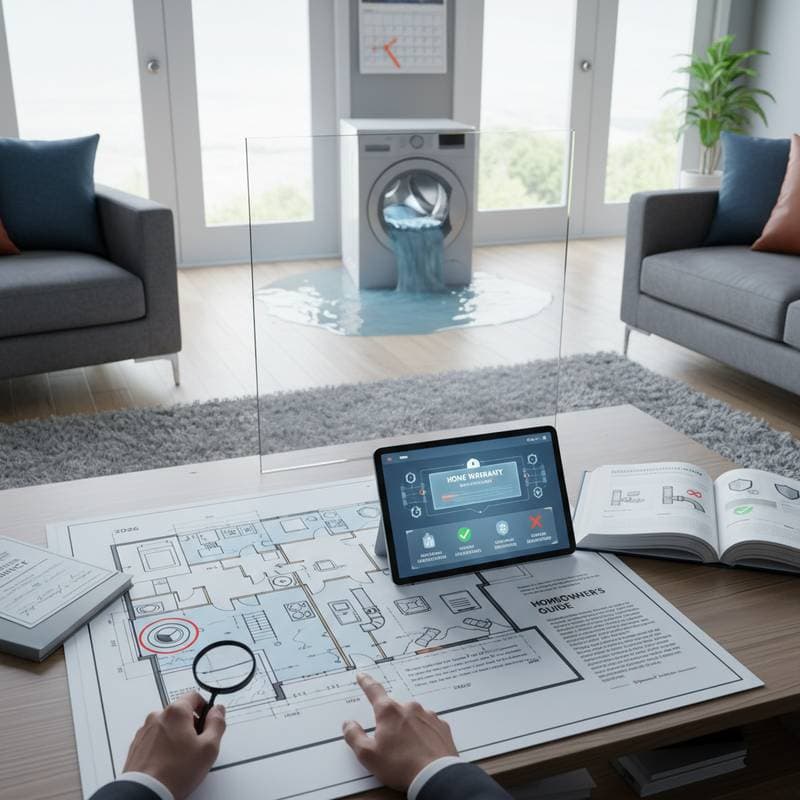
Home warranties function as service contracts for the mechanical components of systems and appliances. Coverage for water damage activates only when a covered item's failure leads to a leak. For instance, a warranty might fund the replacement of a ruptured water heater tank, yet it would not address the resulting harm to walls or floors.
Key systems prone to causing covered water issues include water heaters, plumbing pipes and fixtures, dishwashers, and washing machines. Warranty providers dispatch licensed technicians to assess failures and authorize fixes that align with policy terms. Events like flooding, storms, roof breaches, or foundation cracks remain outside this scope and require separate homeowners or flood insurance.
Scenarios for Claiming Water Damage Under Warranty
File a warranty claim when water originates from a mechanical malfunction in a covered item. Examples include a fractured water heater tank, a malfunctioning washing machine inlet valve, a faulty dishwasher pump, or a split interior pipe. In these cases, the warranty handles the repair or replacement of the defective part.
Turn to insurance for water intrusion from external sources such as surface flooding, sewer overflows, roof leaks, or groundwater seepage. If the origin seems ambiguous, immediately isolate the water supply, document the incident with photographs, and contact both your warranty provider and insurance representative. Prompt action minimizes mold growth and clarifies coverage responsibilities.
Advantages, Drawbacks, and Ideal Applications
Advantages
- Delivers affordable fixes or replacements for malfunctioning plumbing elements
- Lowers direct expenses for qualifying leaks
- Streamlines access to vetted service professionals
Drawbacks
- Omits repairs to structural or aesthetic elements affected by water
- Imposes caps on payouts per item or incident
- Involves service fees and potential processing waits
Ideal Applications
- Properties equipped with aging pipes or appliances approaching obsolescence
- Homeowners desiring consistent budgeting for maintenance
- Rental property managers overseeing sites where issues might go undetected
Repair Cost Analysis and Influencing Factors
Home warranty options span basic plumbing safeguards to comprehensive system plans. Water-related repair expenses fluctuate based on the failure's nature and damage scale.
| Item | Material Costs | Labor Costs | Total Costs | Key Influences |
|---|---|---|---|---|
| Water Heater Replacement | $600–$1,500 | $400–$800 | $1,000–$2,300 | Unit size, venting method, installation access |
| Burst Pipe Repair | $50–$200 | $150–$500 | $200–$700 | Wall penetration needs, material type |
| Dishwasher Pump Replacement | $80–$250 | $120–$300 | $200–$550 | Integration and disassembly time |
| Drywall/Flooring Repair (Not Covered) | $200–$1,200 | $400–$2,000 | $600–$3,200 | Extent of moisture exposure |
Three primary factors drive these costs: material quality, such as copper versus PEX piping or energy-efficient models; labor demands, including navigation through tight spaces like cabinets or slabs; and site specifics, from crawlspace entry to environmental conditions like humidity.
Step-by-Step Claim Process for Water Leaks
- Halt the water flow by closing the main valve or specific fixture shut-off.
- Record the damage with timestamped photos and descriptions.
- Contact your warranty provider, focusing on the mechanical cause rather than secondary effects.
- Await technician assignment from the provider.
- Undergo evaluation to verify coverage eligibility.
- Proceed with approved repairs or part swaps.
- Manage any non-covered elements, such as wall or floor restoration, independently.
Most claims conclude in several days, provided parts are in stock and approvals proceed smoothly. Complications arise from contested causes or restricted access points.
Essential Safety and Compliance Measures
Water incidents can reveal hazards to electrical systems and building integrity. Disconnect power at the breaker if water contacts wiring or outlets. Install GFCI-protected outlets in wet areas like basements and kitchens, and ensure water lines maintain at least one inch of separation from electrical paths.
Remove and replace any insulation or subflooring that fails to dry within 48 hours. Warranty-backed plumbing work typically avoids permits for straightforward replacements. However, rerouting lines, updating main shut-offs, or installing new heaters often necessitates local approvals; verify requirements with your building authority prior to commencement.
Common Pitfalls in Water Damage Claims
Do not presume warranties extend to floodwaters or storm-related inundation. Postponing action beyond 24 hours risks claim denials due to exacerbated harm. Overlook policy details at your peril, as many restrict plumbing payouts to $500 per event.
Neglect routine upkeep, and providers may reject claims citing preventable wear like corrosion or buildup. Review your contract thoroughly before any incident to align expectations with realities.
Structured Maintenance for Water Systems
Establish a routine aligned with vulnerability levels to extend component life and preempt failures.
Post-Installation Checks
- Examine hose fittings and valves for drips within the first day.
- Confirm water heater settings and relief valve functionality.
Seasonal Inspections
- Assess exterior faucets for winter freeze impacts.
- Flush the water heater to clear sediment accumulation.
Yearly Reviews
- Scan beneath sinks, washers, and dishwashers for subtle leaks.
- Swap washer hoses every five years.
- Verify sump pump readiness ahead of wet seasons.
Replacement Timelines
- Update water heaters between eight and twelve years.
- Renew hoses and valves proactively to avoid bursts.
Guidelines for DIY Versus Professional Repairs
Apply a decision framework to evaluate repair approaches for water issues.
- Assess personal expertise: Basic adjustments like hose swaps suit capable individuals.
- Weigh safety: Delegate tasks involving electricity, gas, or load-bearing elements to experts.
- Confirm tools: Essential items include pipe cutters, sealants, and detectors for reliable outcomes.
Suitable for DIY
- Exchanging washing machine supply lines
- Securing loose connections
- Fitting new isolation valves
Require Professionals
- Full water heater overhauls
- Detecting concealed wall leaks
- Comprehensive pipe reconfigurations
Improper handling risks extensive damage and policy invalidation. Opt for licensed plumbers when uncertainty exists.
Evaluating Bids for Non-Covered Repairs
Warranties often limit scope to mechanical fixes, leaving restoration bids to homeowners. Compare proposals systematically to ensure value.
| Repair Element | Description | Bid A | Bid B | Bid C | Comparison Points |
|---|---|---|---|---|---|
| Drywall Patch | 1/2-inch resistant panel | $650 | $725 | $600 | Factor in finishing and painting |
| Flooring Fix | 100 sq ft vinyl replacement | $900 | $1,100 | $950 | Account for subfloor preparation |
| Moisture Control | 24-hour dehumidifier use | $120 | $150 | $115 | Include electrical setup |
Require details on materials, waste removal, and drying protocols in every quote. Homeowners direct these phases without warranty oversight.
Pre-Claim Preparation Checklist
| Area | Verification Steps |
|---|---|
| Tools | Gather wrenches, containers, absorbent cloths, camera, light source |
| Abilities | Identify shut-offs, interpret policy language, spot leaks |
| Protection | Equip gloves, footwear, safe power options, mold mask if needed |
| Regulations | Inquire about permits for major alterations |
| Setup | Relocate items, contain water, log evidence |
| Limitations | Note weather effects, outages, or vehicle access issues |
This preparation accelerates resolutions and curbs further complications.
Frequent Leak Sources and Preventive Actions
- Water heaters: Monitor base corrosion and renew anode rods periodically.
- Washing machines: Install 150 PSI-rated braided steel hoses.
- Toilet lines: Upgrade to durable braided alternatives over plastic.
- Dishwashers: Ensure drain hose elevation to block reflux.
Wi-Fi-enabled leak sensors, priced at $30 to $80, offer early warnings for high-risk zones like under cabinets.
Integrating Home Warranties with Insurance
Warranties target internal breakdowns, while insurance addresses abrupt external water perils. Maintain both for layered defense.
Coordinated Coverage Example
- Warranty: Funds mechanical repairs like pipe or heater fixes within limits.
- Homeowners Insurance: Handles ensuing structural cleanup, including walls and mold.
- Flood Insurance: Protects against external water entry from ground or weather.
Retain records across policies. Adjusters rely on precise timelines and causation details during reviews, hastening fair outcomes.
Securing Your Home Against Water Risks
By understanding warranty limits and pairing them with insurance and diligent maintenance, homeowners achieve robust protection. Implement the outlined processes and checklists to respond effectively to leaks, preserving property value and peace of mind in 2026 and beyond.