The True Cost of Building an ADU in 2026: National Averages and Key Insights
Summary Box
National average cost: $210,000
Typical range: $160,000 to $350,000
Low end: $90,000 for a small garage conversion
High end: $500,000 for a large detached unit with full kitchen and bath
Time to complete: 6 to 12 months from design to move-in
DIY or Pro: Mostly professional construction with limited DIY for finishes
ROI or resale impact: 60% to 80% depending on location and rental potential
Updated: March 2026
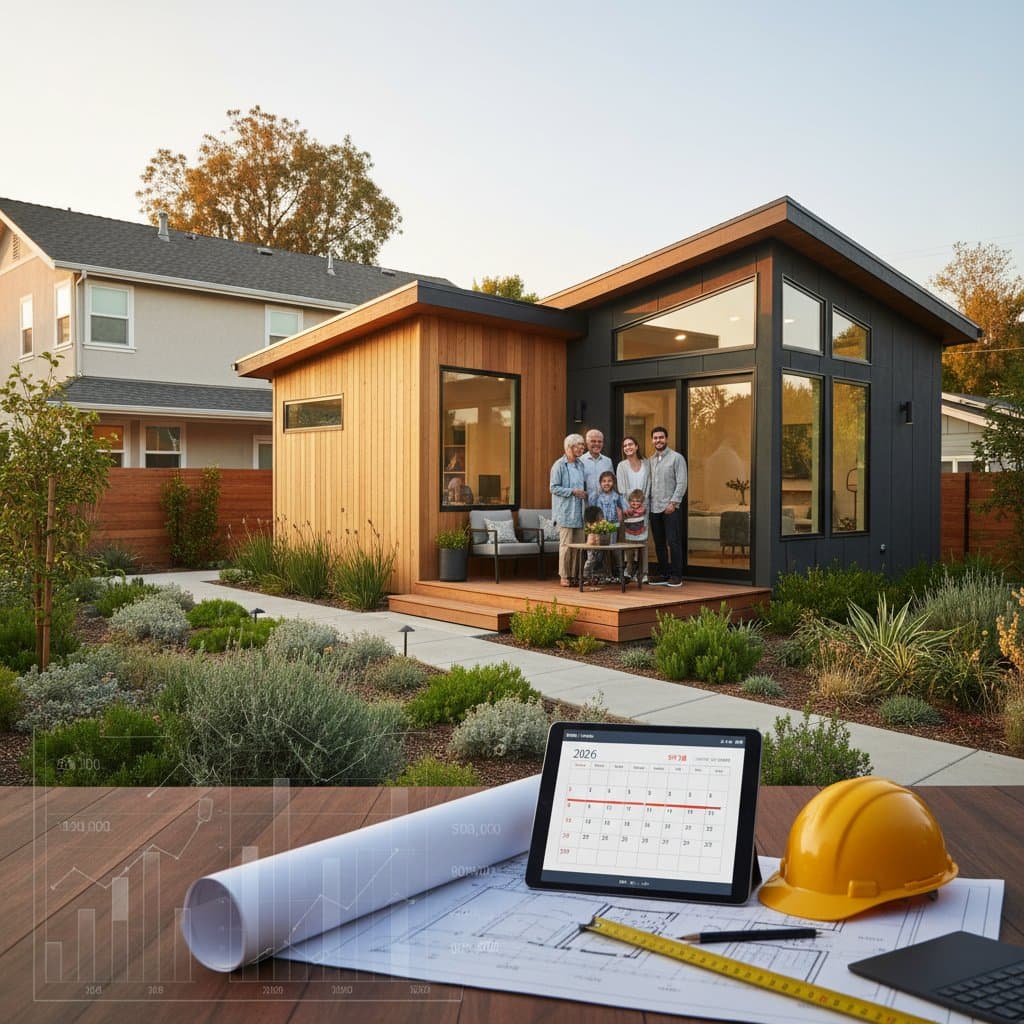
Accessory dwelling units provide a versatile solution for expanding living space to accommodate family members or generate rental income. The total expense varies based on unit size, site preparation needs, material quality, and regional labor rates. A clear grasp of these elements allows for informed decisions during the planning and permitting stages.
Key Cost Factors
Scope and Size
Detached ADUs equipped with complete kitchens and bathrooms incur higher expenses than simple basement or attic conversions. Standard detached units measure between 400 and 1,000 square feet. As size increases, demands on foundation work, roofing, and utility installations escalate, often raising costs by 20% to 50% per additional 100 square feet.
Material Grade and Finish
Selections for cabinetry, flooring, and fixtures significantly influence the budget. Opt for builder-grade options to maintain affordability; for example, stock cabinets and laminate surfaces keep per-square-foot costs under $200. Upgrades such as custom ceramic tile, quartz countertops, and energy-efficient windows can elevate expenses to $300 or more per square foot.
Site Conditions and Accessibility
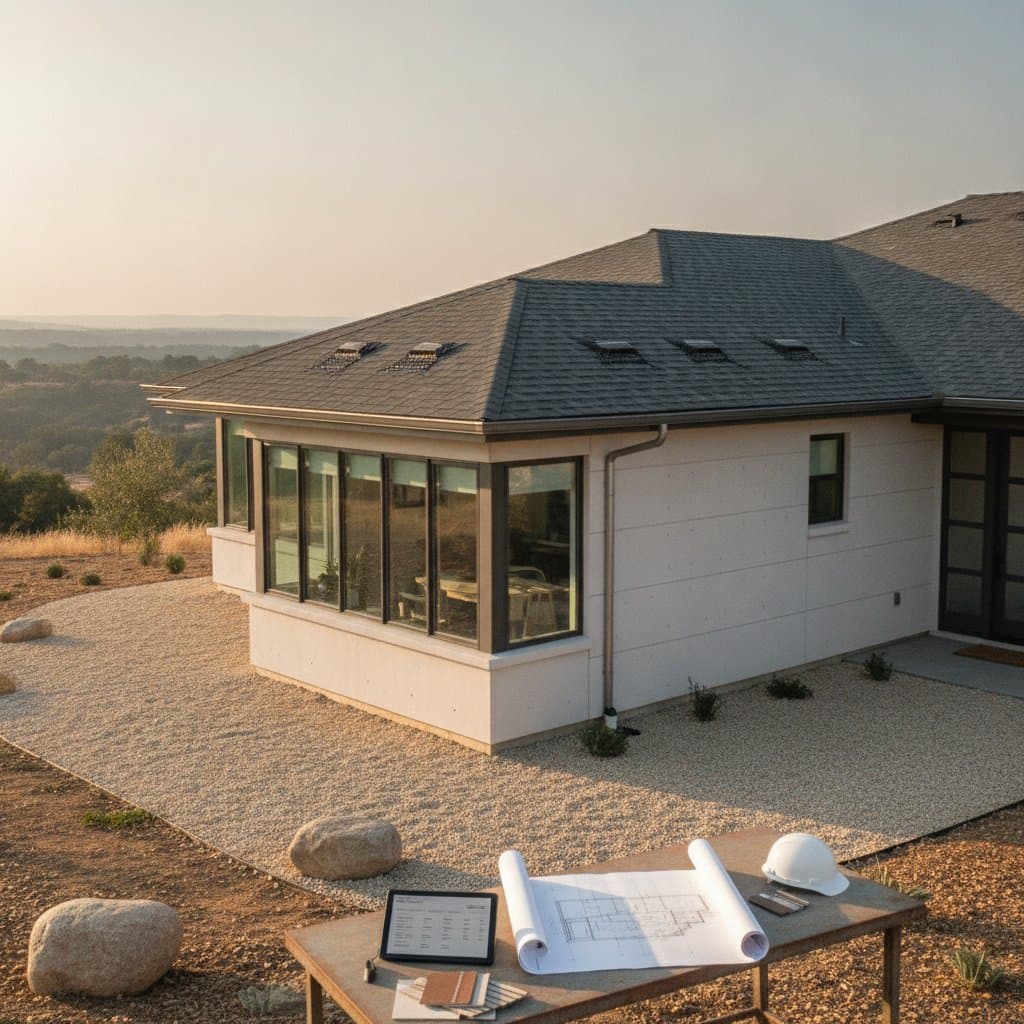
Properties with restricted access, such as narrow pathways or sloped terrain, demand additional labor for equipment maneuvering. Tasks like soil excavation, installation of retaining walls, or crane operations for prefabricated components add 10% to 20% to the total. Sites with level ground and ample entry points minimize these preparatory outlays.
Labor Market and Season
Urban areas with strong construction demand feature elevated hourly rates, often exceeding $100 per hour for skilled trades. Building during off-peak seasons may yield modest reductions in bids, yet adverse weather in rainy or winter regions can extend timelines and introduce unforeseen expenses.
Custom Work and Change Orders
Modifications introduced after permits receive approval trigger delays and added fees. Features like angled roof designs, high ceilings, or specialized storage solutions necessitate further structural adjustments and finishing labor. Adhere closely to initial blueprints to control expenditures effectively.
Strategies to Reduce Costs Effectively
Practical Material Substitutions
- Select pre-fabricated cabinetry in standard dimensions rather than bespoke woodworking.
- Install engineered quartz alternatives to natural stone for countertops, saving up to 40% on surfacing.
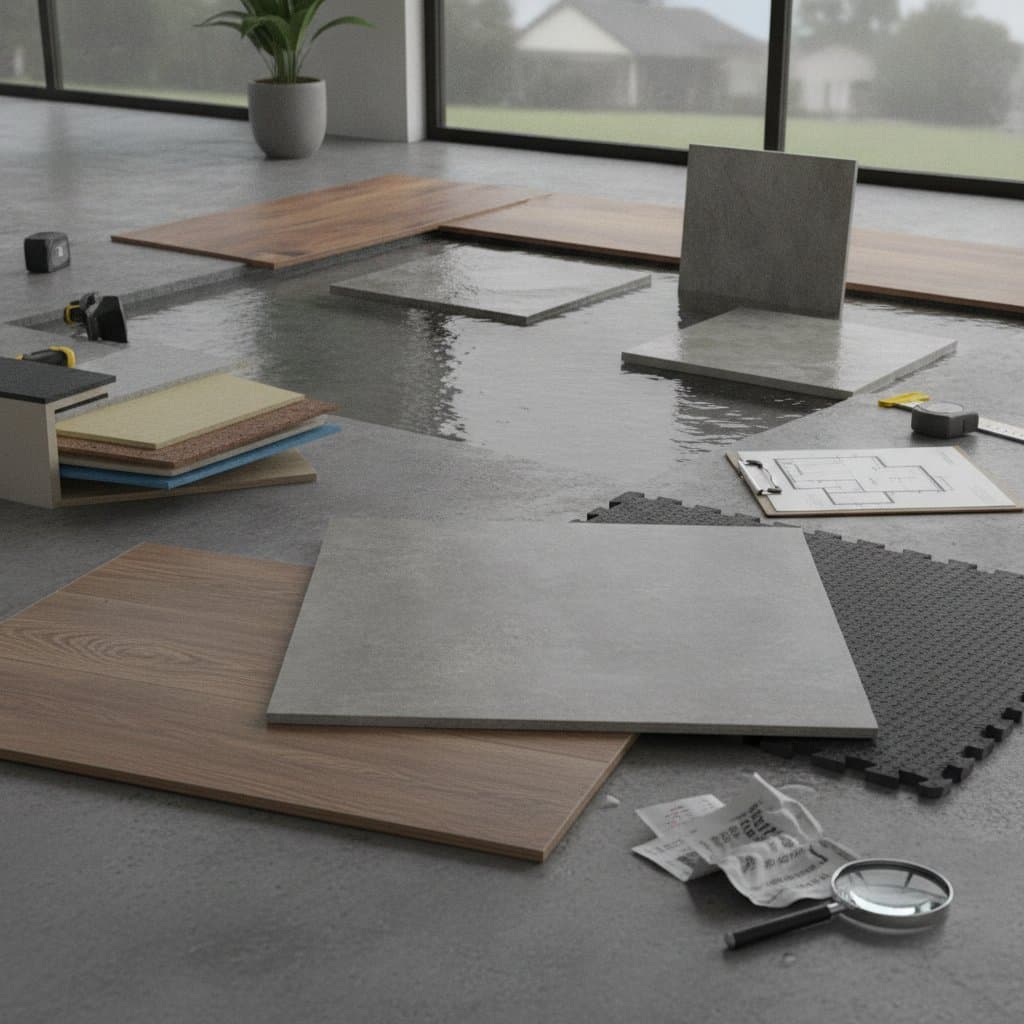
- Choose resilient vinyl plank flooring over solid hardwood, which offers similar aesthetics at half the price and simplifies maintenance.
- Integrate a mix of recessed ceiling lights and adjustable track systems to optimize electrical layouts and cut wiring costs.
Preparation Steps to Minimize Labor
Prepare the construction zone in advance by removing obstacles and ensuring clear pathways for material deliveries. Finalize all interior selections prior to groundbreaking to streamline workflows. Limit alterations to less than 5% of the original plan, as revisions often double the time required for affected phases.
Timing and Grouped Builds
Plan foundational work for drier periods to evade weather-related interruptions, potentially shortening the schedule by two weeks. If nearby properties pursue similar projects, coordinate with contractors for consolidated material orders or shared equipment rentals, which can lower per-unit labor by 15%.
Evaluating Quotes Thoroughly
Secure bids from at least three reputable contractors and use this checklist for apples-to-apples comparisons:
Quote Comparison Checklist
- Detailed itemization of all project phases
- Specification of material types and brands
- Inclusion of site preparation and debris removal
- Coverage of permitting and waste disposal charges
- Clear warranty details and completion schedule
- Milestone-based payment terms
Request breakdowns that include labor rates per trade, fixture allowances, and a 10% contingency for variables. Steer clear of vague lump-sum proposals that obscure hidden fees.
Project Timeline Breakdown
- Design and permitting: 2 to 4 months, involving architectural drawings and local approvals
- Site prep and foundation: 2 to 4 weeks, focused on grading and pouring concrete
- Framing and exterior enclosure: 4 to 8 weeks, establishing the structure and weatherproofing
- Mechanical installations and insulation: 3 to 6 weeks, routing plumbing, electrical, and HVAC systems
- Interior completion and final inspections: 4 to 8 weeks, applying finishes and addressing punch-list items
Overall projects span 6 to 12 months, influenced by complexity and regulatory hurdles. Prefabricated ADUs accelerate assembly by 30%, though on-site adaptations and inspections maintain a baseline duration.
Long-Term Maintenance Essentials
Well-maintained ADUs endure alongside primary residences, typically 50 years or more with routine care.
Routine Upkeep Practices
- Clear gutters biannually to safeguard exterior siding and foundational integrity.
- Replace HVAC filters quarterly to ensure efficient operation and air quality.
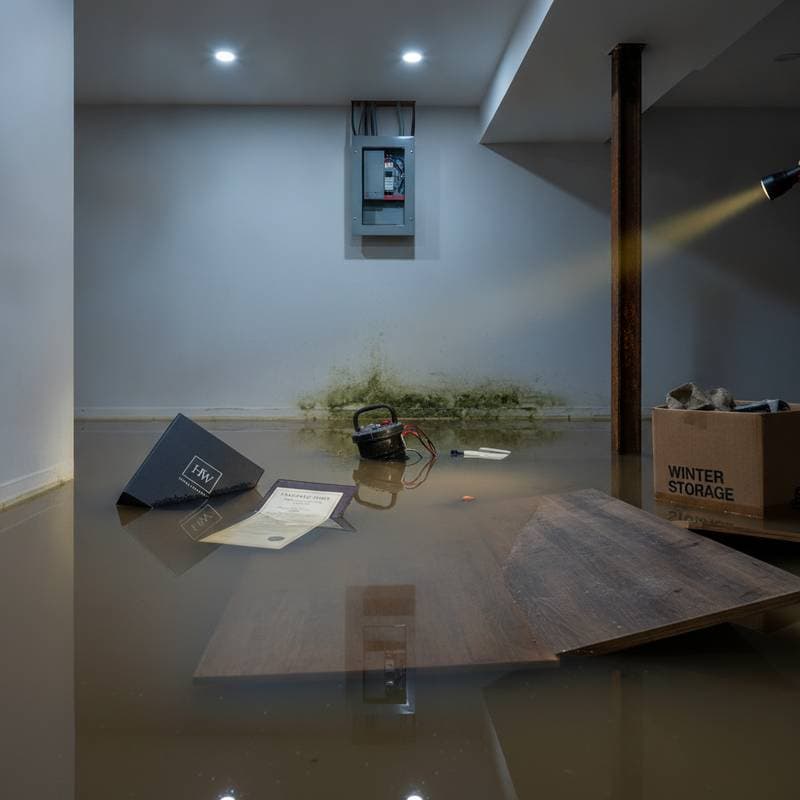
- Examine sealant around windows and doors seasonally to prevent water intrusion.
- Test smoke and carbon monoxide alarms monthly for safety compliance.
Identifying Potential Issues Early
Monitor for indicators such as fissures in concrete slabs, flaking exterior paint, or sluggish drainage systems. These symptoms frequently signal underlying problems like soil settlement or excess moisture. Prompt intervention averts escalation to costly repairs.
Deciding on Repairs or Replacements
Patch isolated issues like minor roof patches or localized siding fixes to extend usability. When damage affects over 25% of a component, full replacement proves more economical in the long term. Maintain comprehensive logs of all upkeep activities to bolster property value during resale.
Regional Cost Variations
Coastal and Seismic Areas
Structures in high-wind or earthquake-prone zones require reinforced designs, including specialized footings, braced walls, and anchoring hardware. These enhancements add $10 to $25 per square foot, ensuring compliance with stringent building codes.
Colder Regions
Enhanced insulation standards and robust heating systems elevate material demands. Double- or triple-pane windows paired with advanced wall assemblies increase budgets by 10% to 15%, but yield long-term energy savings.
Data Sources and Analysis
This analysis draws from aggregated 2026 industry reports, contractor surveys, and regional building data. Costs reflect mid-range projects excluding land acquisition or major utility extensions. Consult local professionals for site-specific estimates.