Garage ADU Conversion Costs: $60,000 to $180,000 by State in 2026
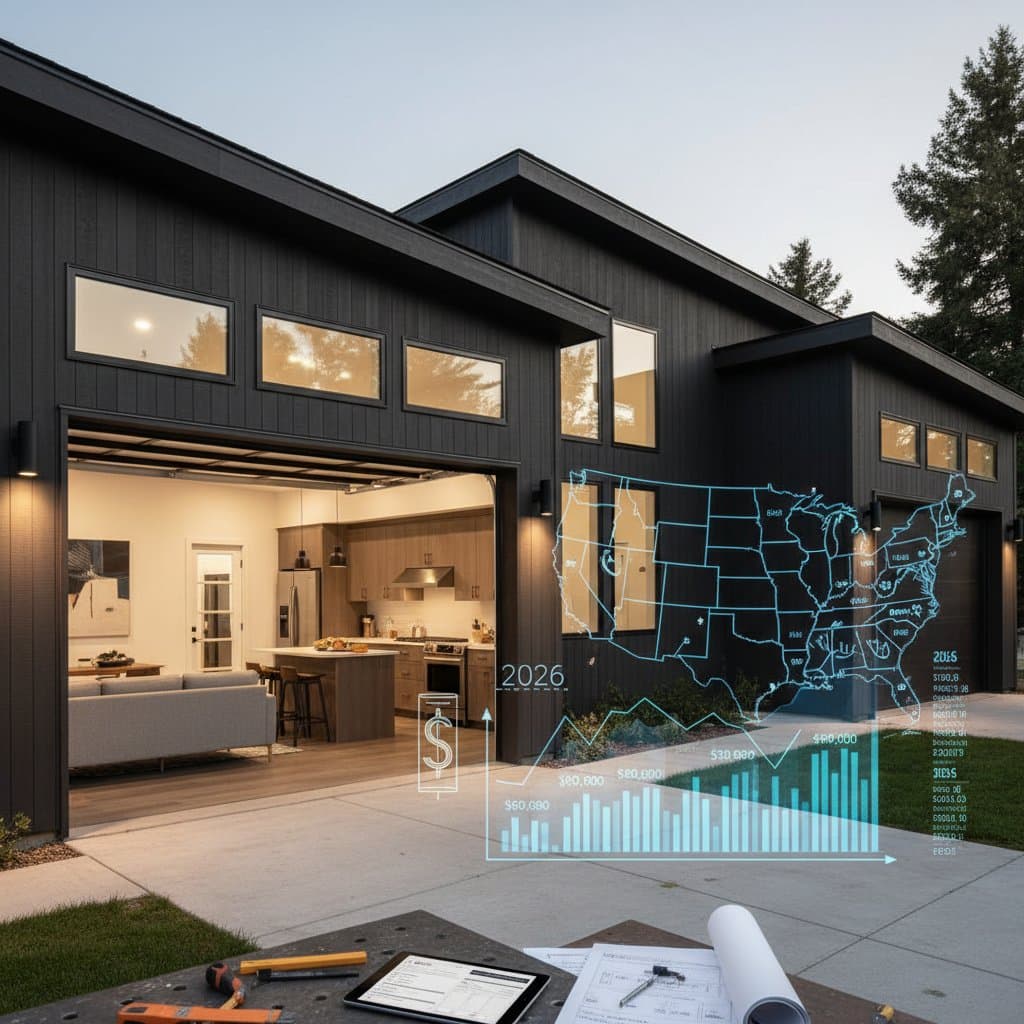
Converting a garage into an accessory dwelling unit (ADU) offers a practical way to expand living space. Costs for such projects vary widely by state due to differences in labor rates, building codes, and material availability. In 2026, expect total expenses to range from $60,000 to $180,000, influenced by regional factors like climate requirements and permit processes.
This guide breaks down average costs by state, highlights key influences on budgets, and provides steps to plan your project effectively. Understanding these elements helps homeowners make informed decisions for a successful conversion.
Cost Breakdown by State
State-specific regulations and economic conditions drive variations in garage ADU costs. Western states often face higher prices due to stringent seismic and environmental standards, while Southern regions contend with humidity-resistant materials.
- California: Conversions average $120,000 to $180,000. Seismic retrofitting and energy-efficient designs add $20,000 or more. High labor costs in urban areas like Los Angeles push expenses upward.
- Texas: Budgets typically fall between $80,000 and $120,000. Heat-resistant insulation and HVAC upgrades are essential, increasing costs by 10 to 15 percent in humid zones.
- New York: Expect $100,000 to $150,000. Dense urban zoning requires additional soundproofing and parking adjustments, with permits adding $5,000 to $10,000.
- Florida: Costs range from $70,000 to $110,000. Hurricane-proof windows and elevated foundations contribute to expenses, especially in coastal areas.
- Oregon: Projects cost $90,000 to $140,000. Rainproofing and eco-friendly materials align with green building mandates, elevating material fees.
- Arizona: Averages $60,000 to $100,000. Desert climate demands cooling systems, but lower labor rates keep overall budgets manageable.
- Other States: In the Midwest, such as Illinois, costs hover around $70,000 to $110,000 with focus on frost-resistant plumbing. Northeastern states like Massachusetts see $95,000 to $135,000 due to cold-weather insulation needs.
These figures represent 2026 estimates based on current trends in inflation and supply chain stability. Always consult local data for precise projections.
Key Factors Influencing Costs
Several elements determine the final price tag for a garage ADU. Labor accounts for 40 to 50 percent of expenses, varying by region and project complexity.
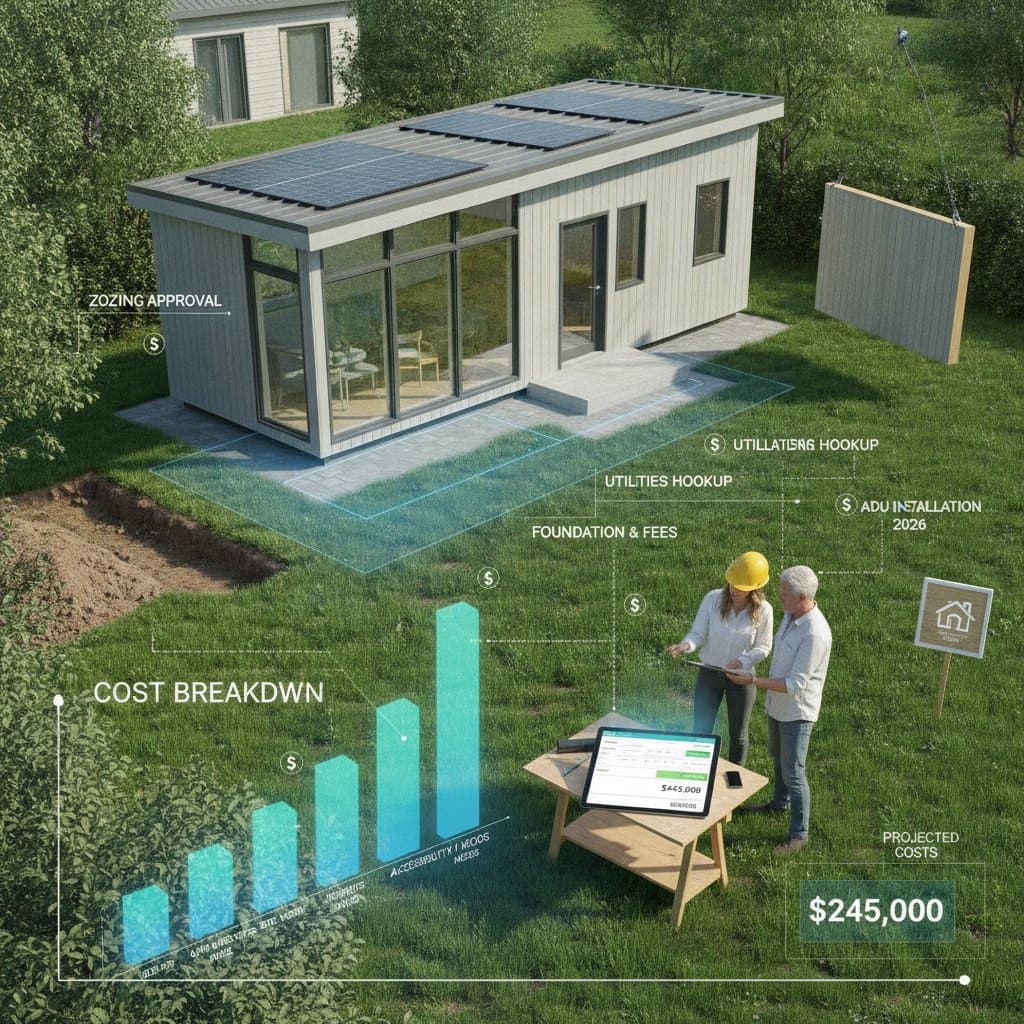
Permits and inspections contribute 5 to 10 percent. Fees range from $1,000 in rural areas to $15,000 in high-regulation states like California. Structural assessments ensure the garage foundation supports added weight, potentially adding $2,000 to $5,000.
Material choices impact budgets significantly. Basic conversions use standard drywall and vinyl flooring, while premium options incorporate hardwood and smart home features, increasing costs by 20 percent.
Climate plays a crucial role. In seismic zones, reinforced framing adds $10,000. Humid areas require moisture barriers, and cold climates need superior insulation to prevent energy loss.
Permits, Timelines, and Essential Materials
Securing permits is the first formal step. Local building departments review plans for compliance with zoning laws, which often limit ADU size to 800 square feet.
Timelines span 3 to 6 months. Permitting takes 4 to 8 weeks, construction 8 to 12 weeks, and inspections 2 to 4 weeks. Delays occur from supply shortages or code revisions.
Essential materials include:
- Framing lumber for walls and roof extensions.
- Insulation like spray foam for energy efficiency.
- Plumbing fixtures for kitchenettes and bathrooms.
- Electrical wiring compliant with national codes.
- Durable roofing to match existing home aesthetics.
Select weather-resistant options to enhance longevity. For example, fiber cement siding withstands various climates better than basic wood.
Skill Level and Safety Considerations
Garage ADU projects require intermediate to advanced skills, particularly for framing and electrical work. Homeowners with construction experience can handle minor tasks, but professionals manage complex elements.
Safety remains paramount. Shut off electrical power before any wiring. Wear respirators during dusty framing and ensure ventilation when applying adhesives or paints.
Hire a licensed contractor for permits and inspections. This approach saves time and avoids rework that could add thousands to costs.
DIY Tips for Cost Savings
DIY elements reduce expenses by 10 to 20 percent if executed properly. Focus on non-structural tasks like painting interiors or installing basic shelving.
Research local codes thoroughly to avoid violations. Use online tools for preliminary designs, but verify with experts.
Source materials from bulk suppliers to cut costs. Opt for energy-efficient appliances that qualify for rebates in states like California and New York.
Track progress with a detailed timeline. Regular checks prevent small issues from escalating into major expenses.
Maintenance for Long-Term Value
A well-maintained garage ADU lasts 30 to 50 years. Prioritize moisture control through proper gutters and vapor barriers to prevent mold.
Repaint exteriors every 3 to 5 years and inspect for leaks annually. Service HVAC systems yearly to maintain efficiency.
Initial investments in insulation and air sealing lower energy bills over time. Choose durable flooring like tile or laminate for high-traffic areas, enhancing comfort for residents.
Regular upkeep preserves property value. ADUs often increase home worth by 10 to 20 percent, making maintenance a worthwhile effort.
Steps to Launch Your Project
Begin with a zoning check through your local planning office. Confirm ADU allowances and size restrictions.
Obtain a structural assessment from an engineer to evaluate the garage's condition. This step identifies needed reinforcements.
Gather bids from at least three licensed contractors. Compare quotes based on scope, timeline, and warranties.
Finalize financing, considering loans or home equity options. Budget 10 percent extra for unforeseen costs.
Monitor construction closely and schedule inspections promptly. A structured approach ensures completion on time and within budget.
Realizing Benefits Through Planning
A garage ADU conversion delivers rental income, multigenerational housing, or resale value enhancement. In 2026, rising housing demands make these units increasingly valuable.
Thoughtful planning aligns the project with your goals, whether for family support or financial gain. The result is functional space that integrates seamlessly with your property.