Real Costs of Multigenerational Home Renovations
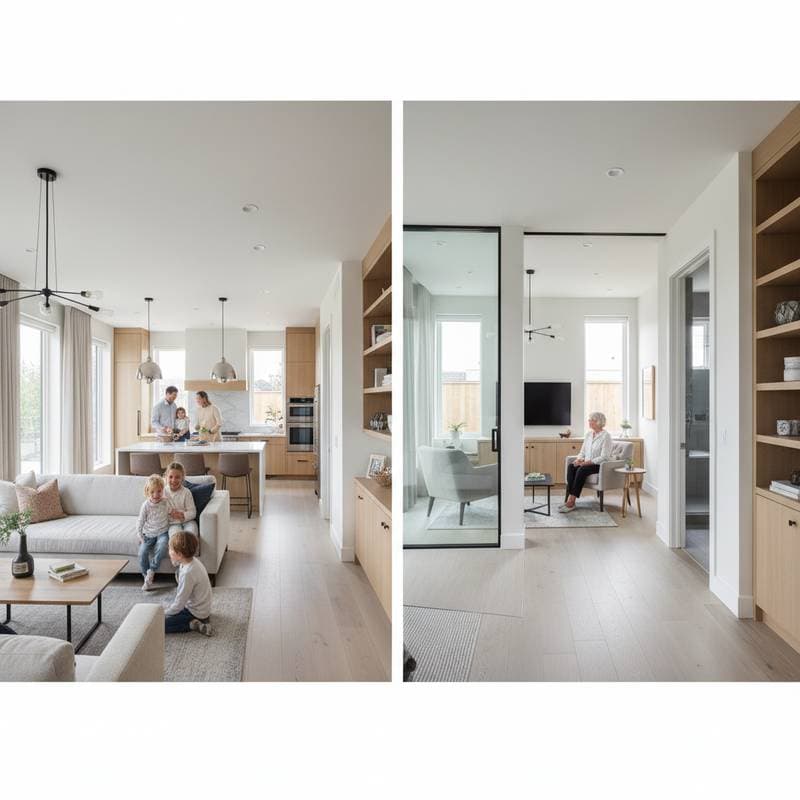
Multigenerational home renovations transform existing spaces to accommodate extended family members while maintaining privacy and safety. These projects create distinct living areas that comply with building codes, share utilities efficiently, and honor individual boundaries. Known as in-law suites, accessory dwelling units (ADUs), or secondary master suites, such renovations involve significant expenses that depend on project scale, accessibility features, and material choices.
Understanding Multigenerational Renovations and Ideal Applications
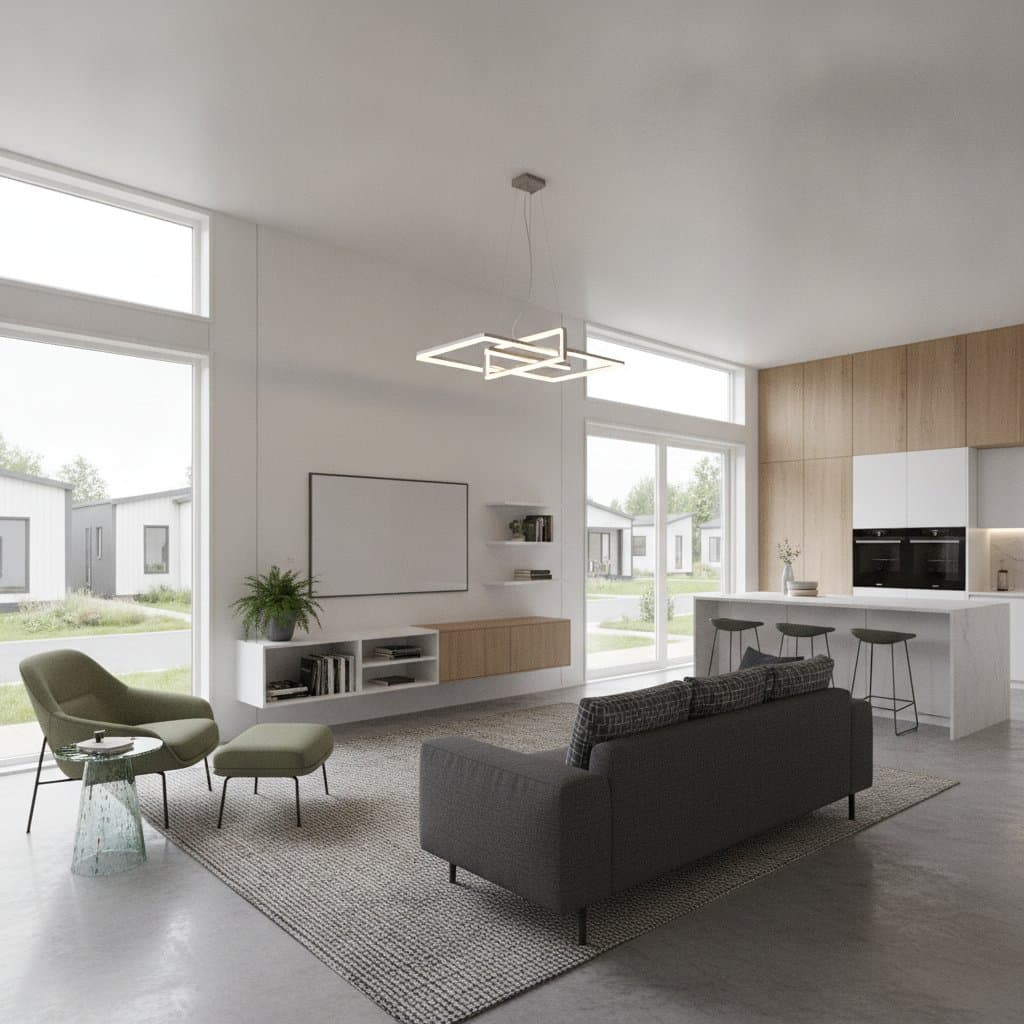
Multigenerational renovations typically integrate a private bedroom, full bathroom, compact kitchen, and lounge area into a cohesive unit either within the primary residence or adjacent to it. Families often repurpose basements or garages for these conversions, or construct detached ADUs in the backyard. Pursue this option when planning for prolonged shared living arrangements where all generations prioritize autonomy, security, and ease of movement.
Advantages, Drawbacks, and Suitable Situations
Advantages
- Fosters family proximity alongside personal independence
- Enhances overall property value and future adaptability
- Provides potential for rental revenue in subsequent years
Drawbacks
- Involves substantial initial financial investment
- Demands navigating intricate permitting and inspection processes
- May necessitate upgrades to utilities and zoning compliance
Suitable Situations
- When aging parents relocate to live with adult children
- For adult children returning home with their own families
- In households requiring dedicated spaces for live-in caregivers
Detailed Cost Analysis and Influencing Factors
Costs fluctuate considerably based on the renovation's extent. Converting pre-existing areas proves the most economical choice, whereas constructing new additions or standalone structures escalates expenses rapidly.
| Scope Item | Material Cost Range | Labor Cost Range | Total Range | Notes on Drivers |
|---|---|---|---|---|
| Basement or garage conversion | $25,000 - $60,000 | $20,000 - $45,000 | $45,000 - $105,000 | Influenced by insulation needs, egress requirements, and plumbing extensions |
| Interior addition (within footprint) | $40,000 - $70,000 | $35,000 - $55,000 | $75,000 - $125,000 | Encompasses framing, HVAC integration, and bathroom fixtures |
| Attached ADU | $60,000 - $100,000 | $70,000 - $120,000 | $130,000 - $220,000 | Includes new foundation, utility connections, and roof integration |
| Detached ADU | $80,000 - $140,000 | $90,000 - $160,000 | $170,000 - $300,000 | Involves comprehensive site preparation and utility trenching |
Three Key Cost-Influencing Factors
- Material Quality: Opt for economical options like vinyl plank flooring and prefabricated cabinetry to control expenses; premium selections such as granite countertops and custom-tiled showers increase the budget.
- Labor Intensity: Tasks like rerouting plumbing, reinforcing foundations, or installing independent HVAC systems demand additional skilled labor hours.
- Site-Specific Challenges: Confined lots, uneven terrain, or restricted access points can significantly raise costs for equipment mobilization and material delivery.
Comprehensive Step-by-Step Renovation Guide
Essential Safety Equipment: Sturdy gloves, protective eyewear, ear defenders, and particulate-filtering respirators.
Required Permits: Structural building permits, electrical certifications, plumbing approvals, and potential zoning variances for ADU constructions.
- Evaluate Existing Structure and Utilities: Inspect for load-bearing walls, assess sewer capacity, and verify electrical panel amperage to support added loads.
- Develop a Detailed Blueprint: Specify total square footage, room configurations, and independent entry points as necessary.
- Obtain Permits and Professional Drawings: Local authorities typically mandate engineer-stamped schematics for plumbing and electrical integrations.
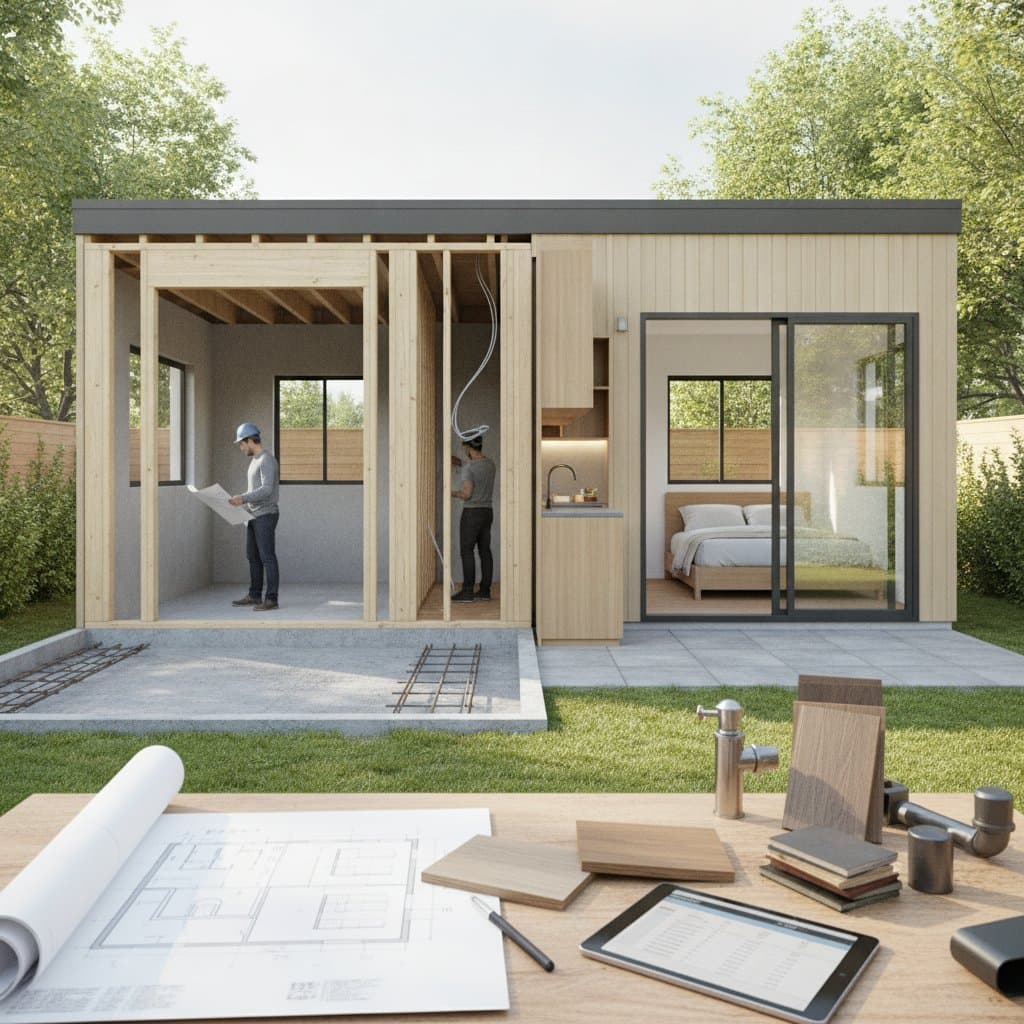
- Execute Rough Framing and Installations: Construct interior walls, install new wiring circuits, and lay supply and waste lines.
- Apply Insulation and Drywall: Incorporate at least R-13 insulation in walls and R-30 in ceilings to ensure thermal efficiency and noise reduction.
- Complete Finishing Touches: Fit flooring materials, install sanitary fixtures, assemble cabinetry, and apply molding.
- Conduct Final Inspections: Confirm placement of ground-fault circuit interrupter (GFCI) outlets, emergency egress windows, and functional smoke and carbon monoxide detectors.
Project Timelines
- Minor conversions: Up to 6 weeks
- Complete interior expansions: 8 to 12 weeks
- Standalone ADU builds: 12 to 20 weeks
Compliance Essentials: Safety, Codes, and Warranties
Building codes mandate independent egress paths from sleeping quarters, GFCI safeguards in moisture-prone areas, and arc-fault circuit interrupter (AFCI) devices in bedrooms. Plumbing installations require proper venting systems and trap configurations. Expanding to include a kitchen or additional laundry often necessitates upgrading the main electrical service to 200 amps. For shared heating and ventilation systems, incorporate zone dampers and dedicated filters to minimize airborne contaminant spread. Adhere to fire-rated barriers between living units where stipulated by jurisdiction.
Bypassing permit processes risks invalidating homeowner insurance policies and complicating property sales. Fixture manufacturers may nullify warranties without certified professional installation. Consult municipal codes prior to any structural modifications or excavation.
Common Pitfalls and Prevention Strategies
- Overlooking Utility Capacities: Insufficient wiring or drainage sizing results in expensive retrofits; perform load calculations early.
- Neglecting Acoustic Isolation: Integrate mineral wool batts and sound-decoupling channels to minimize intergenerational noise disturbances.
- Flawed Spatial Planning: Ensure adequate kitchen dimensions and 36-inch minimum doorway widths to accommodate mobility needs.
- Omitting Universal Design Elements: Incorporate 36-inch door clearances, lever-style hardware, zero-threshold showers, and reinforced walls for future grab bar installations.
Ongoing Maintenance and Durability Expectations
Immediate Post-Installation Checks: Monitor for water leaks and electrical overloads during the initial week of occupancy.
Routine Seasonal Inspections: Validate smoke and carbon monoxide alarm functionality, replace HVAC filters, and examine sealant integrity around fixtures.
Yearly Evaluations: Scan for foundation settling, secure roof connections, and clear exterior drainage pathways.
Long-Term Viability: Surface finishes endure 15 to 25 years under normal use; kitchen and bathroom components may require refreshes every 10 to 15 years.
Deciding Between Professional and DIY Approaches
DIY Evaluation Framework
- Competency Alignment: Handle straightforward tasks like painting, trim installation, and basic insulation independently; delegate electrical, heating, and plumbing to experts.
- Risk Assessment: Engage licensed professionals for any structural alterations or fuel-related work.
- Resource Availability: Rent specialized equipment such as PEX tubing tools, ceramic cutters, and drywall hoists only if justified by project scale.
Suitable DIY Tasks
- Surface painting, molding application, flooring installation, insulation placement, and detailed woodworking.
Professional Recommendations
- Load-bearing modifications, electrical panel enhancements, drain system routing, and concrete pouring.
Improper execution heightens hazards; for instance, inadequate plumbing gradients or circuit overloads can lead to water damage and denied insurance coverage.
Selecting Reliable Contractors
| Line Item | Specification Details | Contractor A | Contractor B | Contractor C | Comparison Insights |
|---|---|---|---|---|---|
| Framing and drywall | 2x4 lumber, 1/2-inch sheets | $14,000 | $16,500 | $15,200 | Comparable material volumes |
| Plumbing rough-in | One bathroom, one sink | $9,800 | $11,300 | $10,000 | Confirm exact fixture tally |
| Electrical upgrades | 200-amp service, 18 receptacles | $7,200 | $8,100 | $7,500 | Verify AFCI inclusion |
| HVAC installation | 1.5-ton split unit | $6,000 | $6,800 | $7,000 | Assess energy efficiency rating |
Request verification of licensing, liability coverage, and final payment lien waivers. Scrutinize bids item by item rather than total figures. Insist on documented schedules and phased payments linked to inspection approvals.
Preparation Checklist for Starting Your Project
Necessary Tools
- Measuring tape, handsaw, power drill, spirit level, and framing square.
Required Skills
- Fundamental woodworking, surface finishing, and hazard recognition.
Safety Equipment
- Work gloves, breathing apparatus, impact-resistant goggles, and auditory protectors.
Permitting Requirements
- General construction, electrical, plumbing, and zoning approvals for detached units.
Preliminary Actions
- Evacuate the work area, arrange utility disconnections, and identify structural supports.
Environmental Considerations
- Postpone foundational or outdoor framing during periods of intense precipitation or subfreezing temperatures.
Bringing Your Vision to Life
Initiate the process by articulating specific objectives, such as requiring a dedicated entryway, complete cooking facilities, or communal laundry access. Clarify expectations for autonomy among household members. Draft preliminary floor plans prior to contractor consultations. Solicit bids from at least three qualified firms, review past projects, and verify alignment with local regulations through your building authority.
Prioritize elements that promote well-being and security from the outset. Allocate 10 to 15 percent of the budget for unforeseen adjustments to safeguard project success.