Introduction to Home Office Soundproofing
Remote work has transformed ordinary rooms into vital workspaces, yet noise distractions often undermine productivity. Soundproofing addresses this by blocking external sounds and containing internal noise, creating a focused environment. Beyond immediate comfort, such upgrades enhance property value and support long-term financial returns.
Effective soundproofing involves multiple layers, from wall treatments to door seals. Homeowners benefit from understanding costs, materials, and implementation steps before proceeding. This approach ensures the project aligns with budget constraints and performance goals.
Understanding 2026 Soundproofing Costs
Costs for soundproofing a home office vary based on room size, existing structure, and desired noise reduction level. In 2026, expect to pay between $2,000 and $8,000 for a standard 150-square-foot space, including materials and labor. Basic treatments, such as adding mass-loaded vinyl to walls, start at the lower end, while comprehensive systems with decoupled ceilings reach higher figures.
Factors influencing expenses include geographic location, where urban areas command premium rates due to labor costs. Material choices also impact budgets; premium acoustic foams cost more than standard insulation but offer superior durability. Homeowners save by prioritizing high-impact areas, like walls facing noisy zones, over full-room overhauls.
DIY options reduce expenses by 30 to 50 percent, though professional installation ensures optimal results. Obtain multiple quotes to compare value, focusing on total project scope rather than hourly rates.
Key Materials for Effective Soundproofing
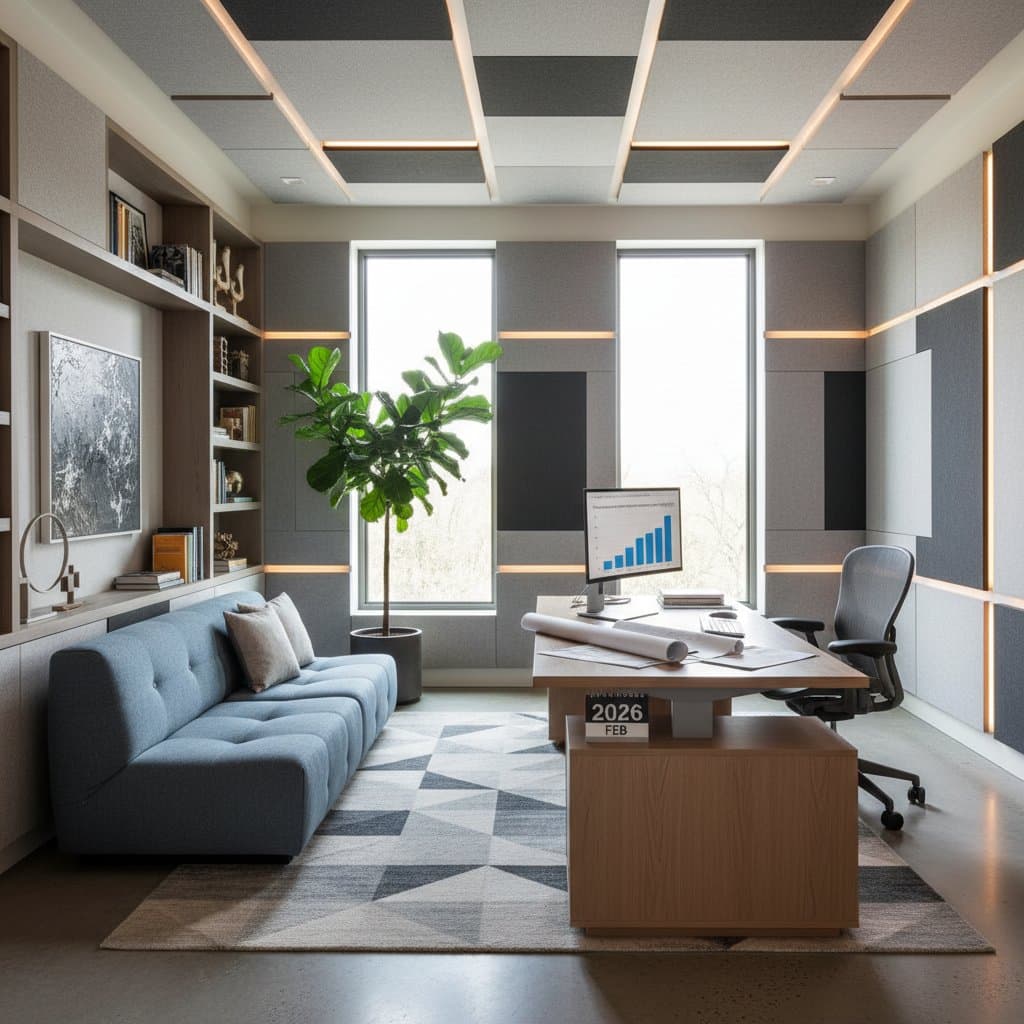
Selecting appropriate materials forms the foundation of successful soundproofing. Acoustic panels absorb echoes within the room, while mass-loaded vinyl adds density to block sound transmission through walls. Combine these with resilient channels, which decouple walls from the structure to minimize vibration transfer.
For floors, underlayment mats provide isolation from footsteps in adjacent areas. Doors and windows require specialized seals and double-pane upgrades to prevent air gaps that allow noise entry. GreenGuard-certified products ensure low emissions, maintaining indoor air quality alongside acoustic benefits.
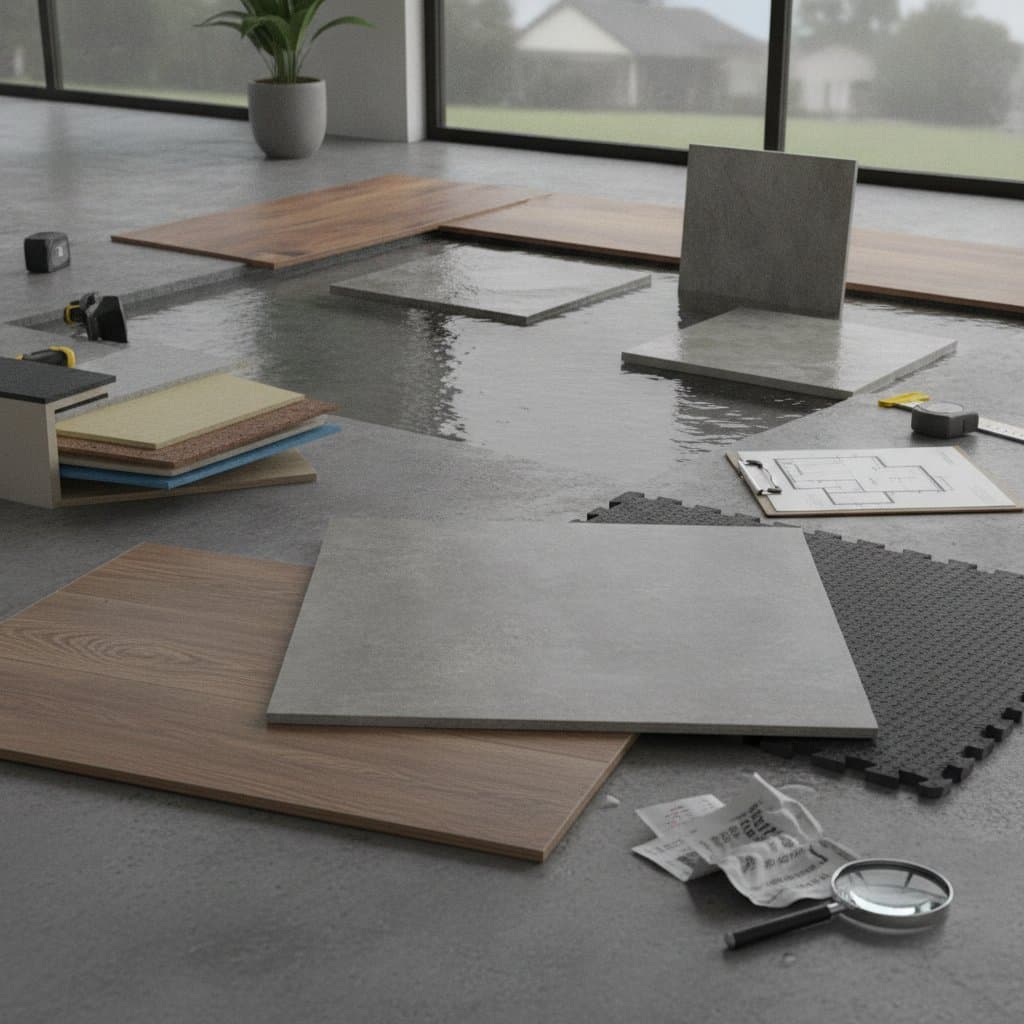
Budget allocation should favor proven combinations: 40 percent for barriers, 30 percent for absorbers, and the remainder for seals and accessories. Test material samples in the space to verify compatibility with decor and functionality.
Sourcing and Budgeting Materials
Reputable suppliers offer kits tailored for home offices, simplifying selection. Verify product specifications for sound transmission class (STC) ratings, aiming for at least 50 to achieve noticeable quieting. Factor in shipping and waste when calculating totals, as custom cuts increase expenses.
Online marketplaces provide competitive pricing, but local acoustic specialists deliver expert advice. Track 2026 market trends, where sustainable materials gain popularity and may qualify for energy rebates.
Researching and Verifying Contractors
Choosing a skilled contractor safeguards the project's quality and financial viability. Verification steps protect against subpar work that could lead to costly repairs.
- Confirm active licensing and insurance for acoustic or insulation installations.
- Request portfolios of completed home office projects, emphasizing noise reduction outcomes.
- Examine warranty details, including coverage duration and claim procedures for defects.
- Review authenticated client testimonials highlighting reliability, site management, and result consistency.
- Ensure use of certified materials from established brands to meet performance standards.
A structured bidding process with itemized estimates promotes transparency and cost control. Schedule site visits for contractors to assess challenges and propose tailored solutions.
Installation Best Practices
Professional installation follows a systematic process to maximize effectiveness. Begin with a noise audit to identify primary sources, guiding targeted treatments. Workers prepare surfaces by removing obstacles and applying primers for adhesion.
Layering occurs in sequence: barriers first, followed by absorbers and seals. Testing during phases allows adjustments, ensuring compliance with agreed specifications. Completion includes a walkthrough to demonstrate reduced decibel levels.
Homeowners contribute by clearing the area and documenting progress. This collaboration minimizes disruptions and aligns the final setup with daily needs.
Maintaining Long-Term Performance
Sustained effectiveness depends on routine maintenance tailored to the installed system. Address common wear points to preserve acoustic integrity over time.
- Check seals and caulking quarterly for deterioration or separation.
- Monitor indoor humidity levels to avoid warping or mold in absorbent materials.
- Refrain from structural alterations that compromise isolation barriers.
- Clean panels using recommended techniques to remove dust without damaging surfaces.
- Replace door and window seals upon signs of reduced elasticity.
Diligent care extends system longevity beyond 10 years, averting progressive noise intrusion. Schedule annual professional inspections for complex setups to detect hidden issues early.
Securing Returns on Your Soundproofing Investment
Soundproofing elevates a home office from functional to exceptional, yielding benefits in productivity and marketability. Disciplined planning from cost assessment to upkeep ensures these gains materialize.
Document all agreements, including material specs, expected outcomes, and support terms, before committing. Evaluate bids across providers, confirming credentials and post-installation responsibilities.
The result is a serene workspace that sharpens focus and appeals to prospective buyers. This investment balances acoustic enhancement with economic advantages, rewarding strategic foresight and consistent effort.