Reasons to Pursue Multigenerational Living Conversions in 2026
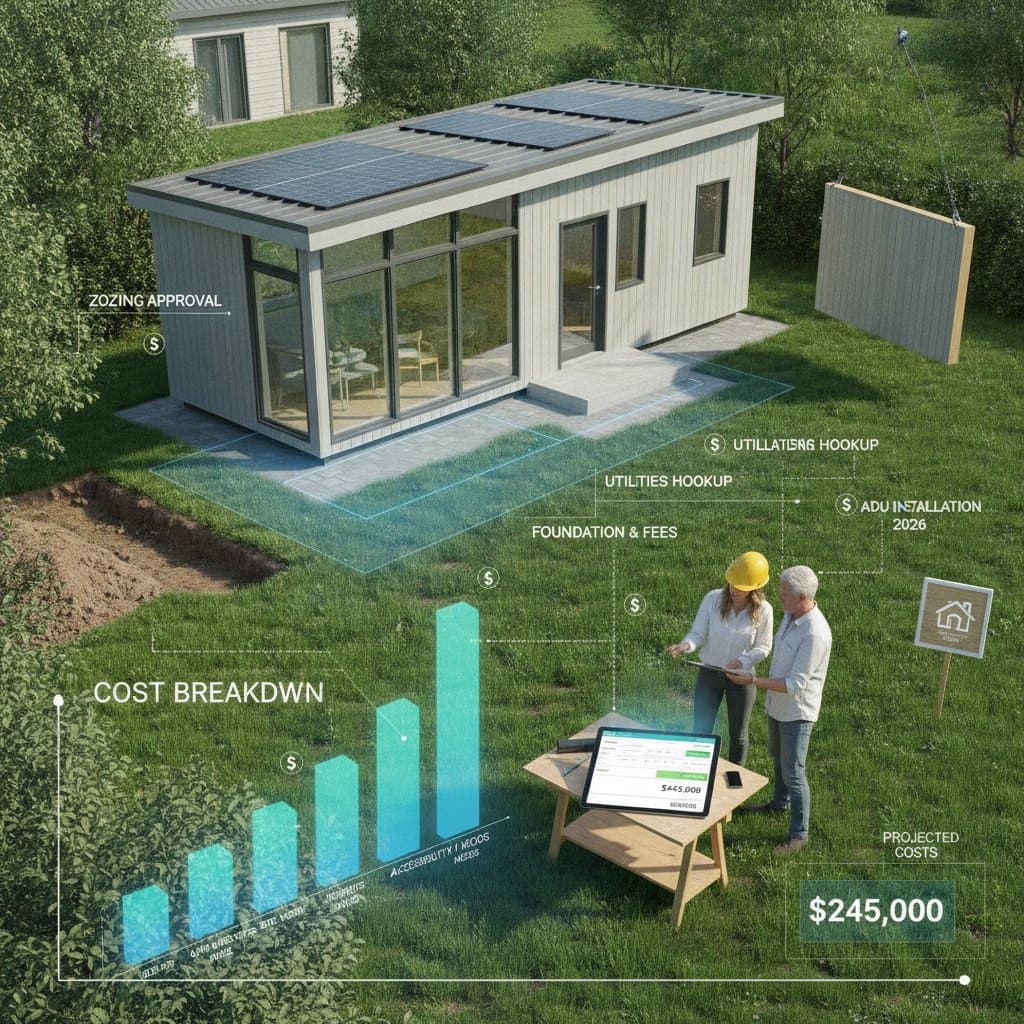
Families evolve in response to economic pressures, such as escalating housing expenses, the needs of aging parents, and adult children remaining at home longer. Homeowners increasingly consider conversions to multigenerational setups as a sensible adaptation that preserves neighborhood ties. These projects, whether accessory dwelling units, in-law suites, or garage transformations, aim to provide distinct living areas under a single roof, balancing proximity with personal autonomy.
This guide offers a detailed overview of costs and planning steps to determine if a conversion suits your circumstances.
Detailed Cost Breakdown
The following table outlines key expenses for a typical 400-square-foot conversion. Costs vary by location, materials, and project scope.
| Item | Unit Cost | Typical Quantity | Line Total | Notes |
|---|---|---|---|---|
| Structural framing | $25 to $45 per sq ft | 400 sq ft | $10,000 to $18,000 | Covers walls, floors, and roof framing |
| Insulation and drywall | $4 to $8 per sq ft | 400 sq ft | $1,600 to $3,200 | Targets R-19 to R-30 insulation ratings |
| Plumbing rough-in | $2,500 to $7,000 | Lump sum | $2,500 to $7,000 | Supports bathroom and kitchenette plumbing |
| Electrical and lighting | $3 to $6 per sq ft | 400 sq ft | $1,200 to $2,400 | Encompasses outlets, circuits, and fixtures |
| HVAC extension or mini-split | $4,000 to $8,000 | Lump sum | $4,000 to $8,000 | Ensures independent climate control |
| Windows and doors | $500 to $1,200 each | 6 units | $3,000 to $7,200 | Features energy-efficient, tempered glass |
| Flooring and finishes | $5 to $12 per sq ft | 400 sq ft | $2,000 to $4,800 | Options include vinyl plank or engineered wood |
| Kitchenette and bath fixtures | $8,000 to $20,000 | Lump sum | $8,000 to $20,000 | Designed for compact, storage-rich layouts |
| Permits and design fees | $5,000 to $15,000 | Lump sum | $5,000 to $15,000 | Includes architectural plans and inspections |
| Disposal and site prep | $1,000 to $3,000 | Lump sum | $1,000 to $3,000 | Handles demolition, dumpsters, and cleanup |
Overall project totals range from $90,000 to $270,000, influenced by the base structure and desired finishes.
DIY Options Versus Professional Services
Suitable Tasks for Skilled Homeowners
Homeowners possessing strong carpentry or finishing expertise can manage several elements independently:
- Installation of paint, trim, and flooring
- Assembly of cabinets and basic hardware
- Minor landscaping or pathway enhancements
- Hanging interior doors or building shelving units
Essential Professional Interventions
Certain aspects demand certified expertise to comply with regulations:
- Electrical installations: Building codes mandate licensed electricians for circuits, subpanels, or service expansions.
- Plumbing connections: Integrations with existing systems require adherence to health and safety standards.
- Structural modifications: Alterations to load-bearing elements or foundation work necessitate engineering assessments and official inspections.
- HVAC installations: Duct additions or heat pump setups call for certified handling of refrigerants.
Potential Hazards and Compliance Concerns
Renovations in established homes might uncover hazards like lead-based paint, asbestos materials, or obsolete wiring. Conduct testing prior to any demolition. Refrain from modifying electrical panels or gas lines absent proper licensing. Verify requirements for ceiling heights, emergency exits, and fire barriers in auxiliary units. Secure inspections before granting occupancy.
Effects on Warranties
Amateur modifications to mechanical components risk nullifying manufacturer guarantees. Retain documentation and receipts for professional contributions to safeguard resale potential and certification validity.
Factors Driving Increased Conversions Among Families
Enhanced Financial Resilience
Multigenerational arrangements optimize budgets by mitigating expenses for assisted living facilities for seniors and rental costs for young adults. Homeowners gain the option to lease the unit for supplemental revenue as family situations change. Appraisers increasingly account for accessory dwelling units, facilitating better refinancing terms and elevated sale prices.
Balancing Autonomy and Proximity
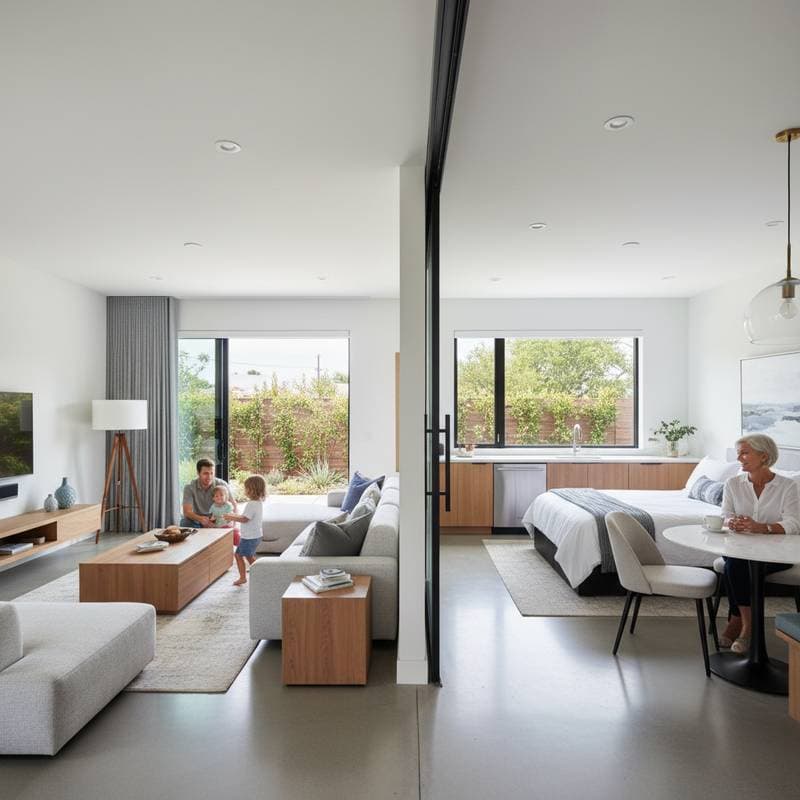
Design elements like dedicated entrances, compact kitchenettes, and en-suite bathrooms enable distinct daily routines alongside familial support. Such configurations facilitate aging in place, assistance with childcare, or support during life transitions for adult offspring.
Evolving Policy Landscape
Numerous jurisdictions streamline accessory dwelling unit approvals by easing parking mandates and boundary restrictions. Certain authorities eliminate impact fees for projects repurposing existing features, such as garages or basements, thereby accelerating and economizing the permitting process.
Boosting Property and Investment Appeal
Prospective buyers appreciate versatile accommodations. Residences featuring compliant secondary units typically command premium prices and attract quicker offers. The expanded habitable space elevates valuations, yielding returns of 50 to 80 percent based on execution quality, local zoning, and market rental rates.
Project Timeline and Coordination
Effective sequencing minimizes disruptions. The table below details standard phases for a 400-square-foot conversion.
| Phase | Description | Duration |
|---|---|---|
| Design and permits | Develop concepts, review zoning, obtain approvals | 4 to 10 weeks |
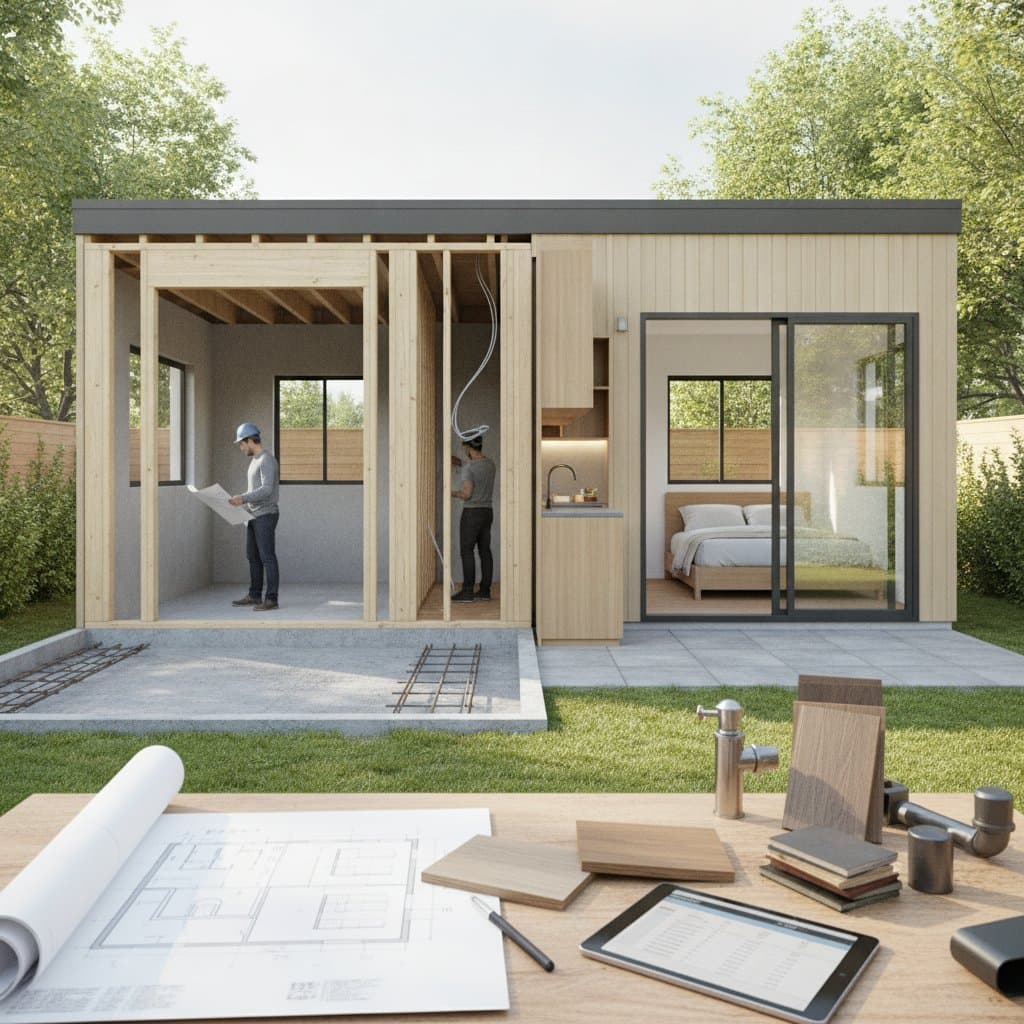
| Demo and rough-in | Clear existing materials, erect framing, route utilities | 3 to 5 weeks |
| Insulation and drywall | Pass inspections, add insulation, complete walls | 2 to 3 weeks |
| Finish work | Install cabinets, flooring, doors, and trim | 3 to 5 weeks |
| Final inspection | Achieve utility approvals and occupancy clearance | 1 week |
Anticipate extended periods for bespoke elements like custom cabinetry or specialized windows. Procure supplies in advance to circumvent bottlenecks.
Sustaining Your Conversion for Long-Term Value
Quality construction ensures the addition endures alongside the primary residence. Implement consistent upkeep to preserve functionality and aesthetics.
Recommended Maintenance Practices
- Replace HVAC filters quarterly.
- Verify smoke and carbon monoxide detectors biannually.
- Renew grout seals and caulk applications yearly.
- Examine drainage systems and gutters seasonally.
Identifying Issues Early
- Persistent odors suggest ventilation deficiencies or concealed moisture intrusion.
- Frequent circuit interruptions indicate excessive load on wiring.
- Fractures in drywall seams signal potential settling of foundations.
Strategic Repair Decisions
- Upgrade mini-split units beyond 15 years of service.
- Opt for refinishing on floors with sufficient remaining depth.
- Address minor roof breaches promptly to avert broader structural compromise.
Investing in these conversions not only addresses immediate family requirements but also positions properties for enduring financial and emotional benefits.