
Articles tagged with adu-conversion-costs
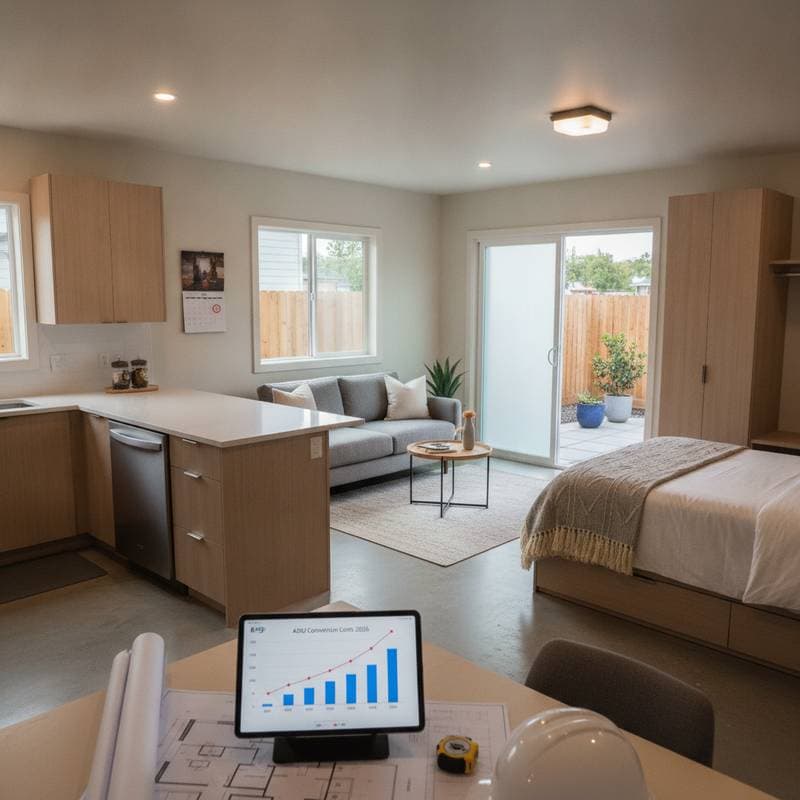
Garage conversions create self contained living units that raise property value and generate rental income. Expect total costs from $80,000 to $180,000, a three to six month timeline, and adherence to local building codes. This guide covers expenses, safety rules, regional factors, and the steps needed for a successful project.
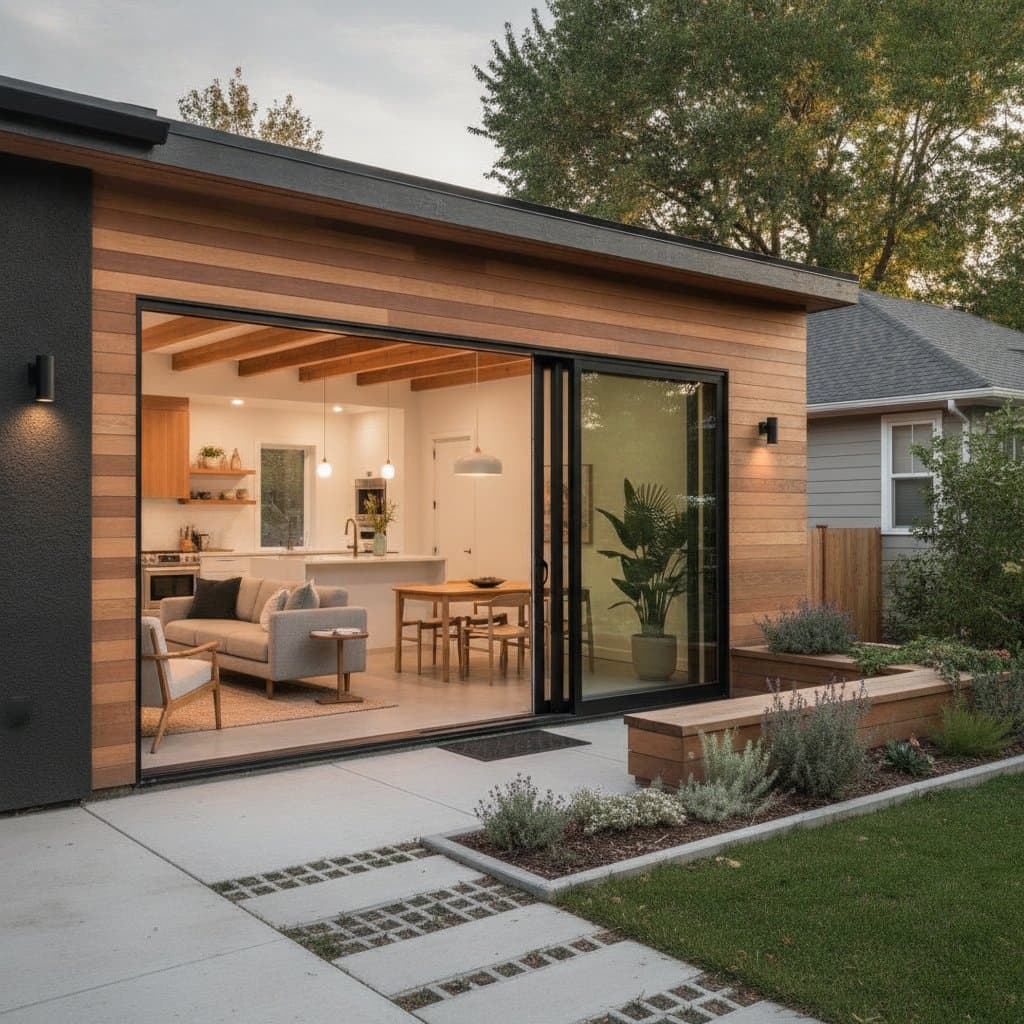
Transforming a garage into an ADU creates flexible multigenerational living space without expanding the home footprint. Expect costs from $90,000 to $180,000, timelines of 12 to 20 weeks, and strict code compliance. Smart design and professional guidance add lasting comfort and value.
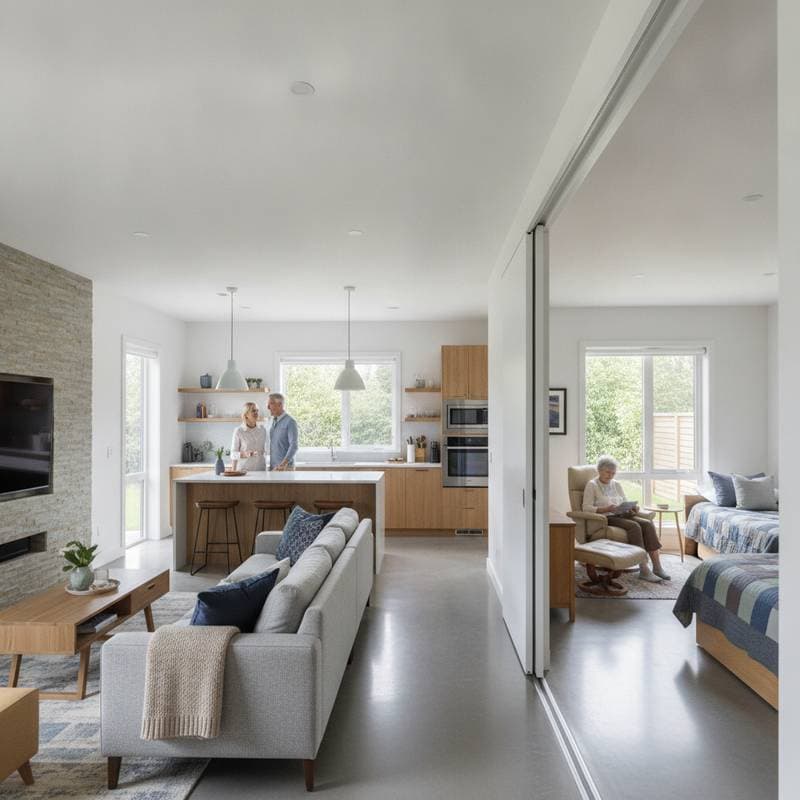
Building a multigenerational home costs $180000 to $480000 and averages $310000 depending on size, materials, and customization. Smart planning and bundled upgrades help control expenses while improving comfort and property value.
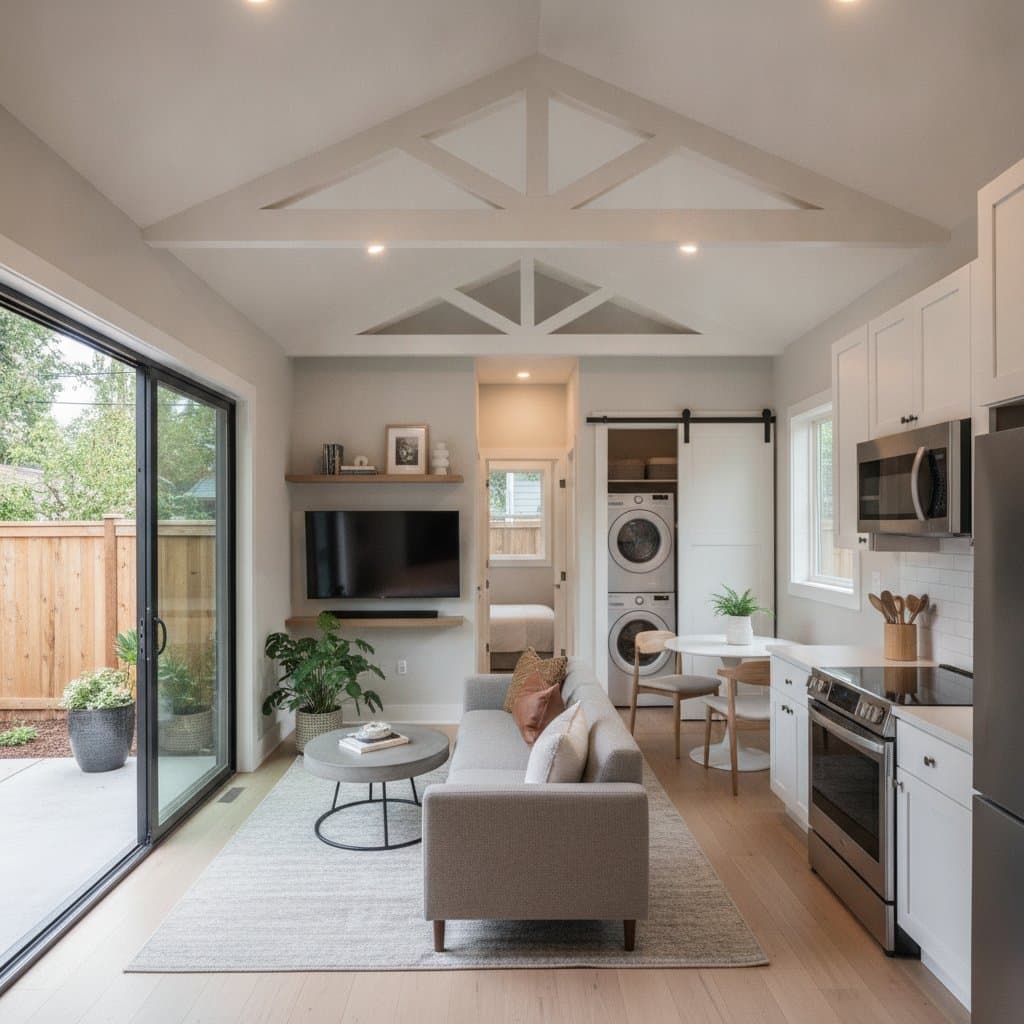
Converting a garage into an ADU in 2026 can cost $90,000 to $200,000, depending on structure, permits, and utilities. It adds income potential and property value but demands careful planning, code compliance, and professional help. Learn cost drivers, DIY limits, and smart strategies to turn unused space into a profitable living unit.
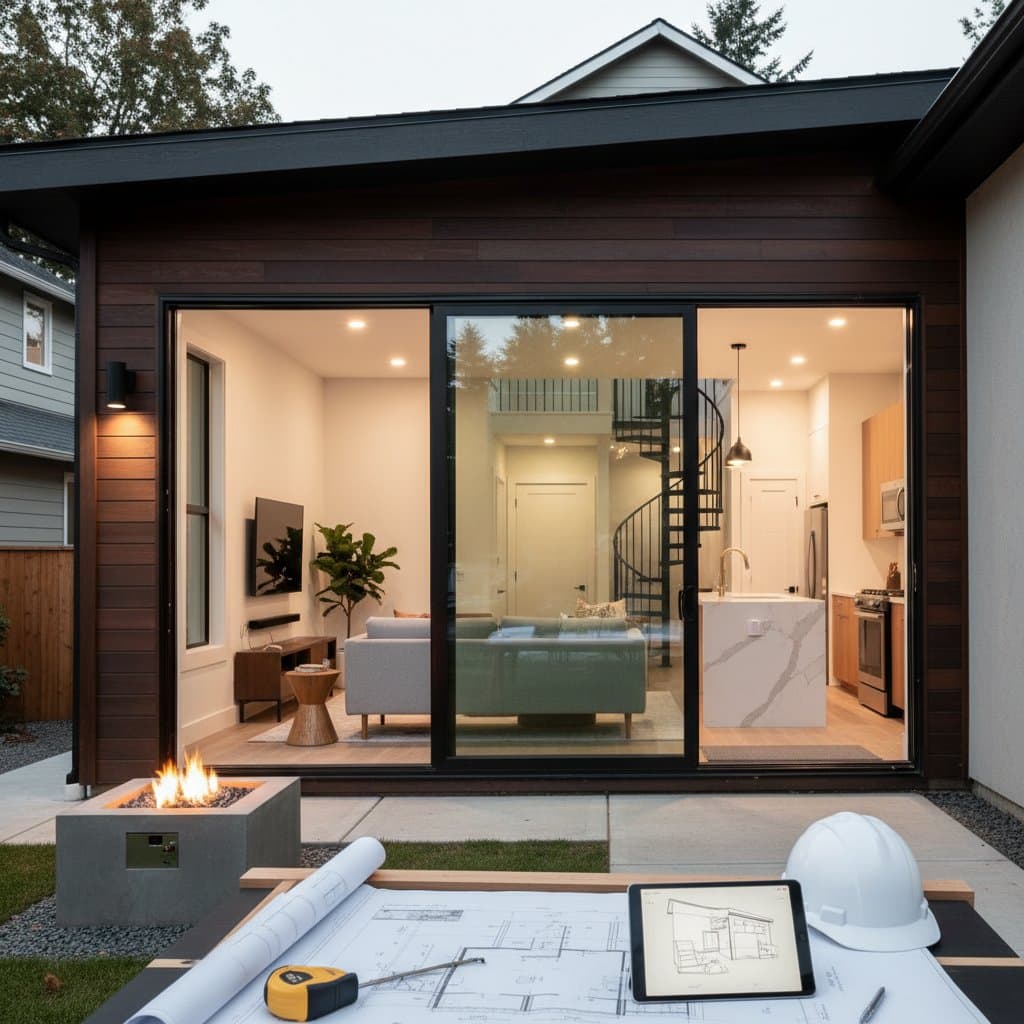
Converting a garage into an ADU typically ranges from $75,000 to $145,000 and requires three to six months. This resource covers design considerations, permit processes, cost influences, compares DIY options with professional work, and provides strategies to maximize value while ensuring compliance.
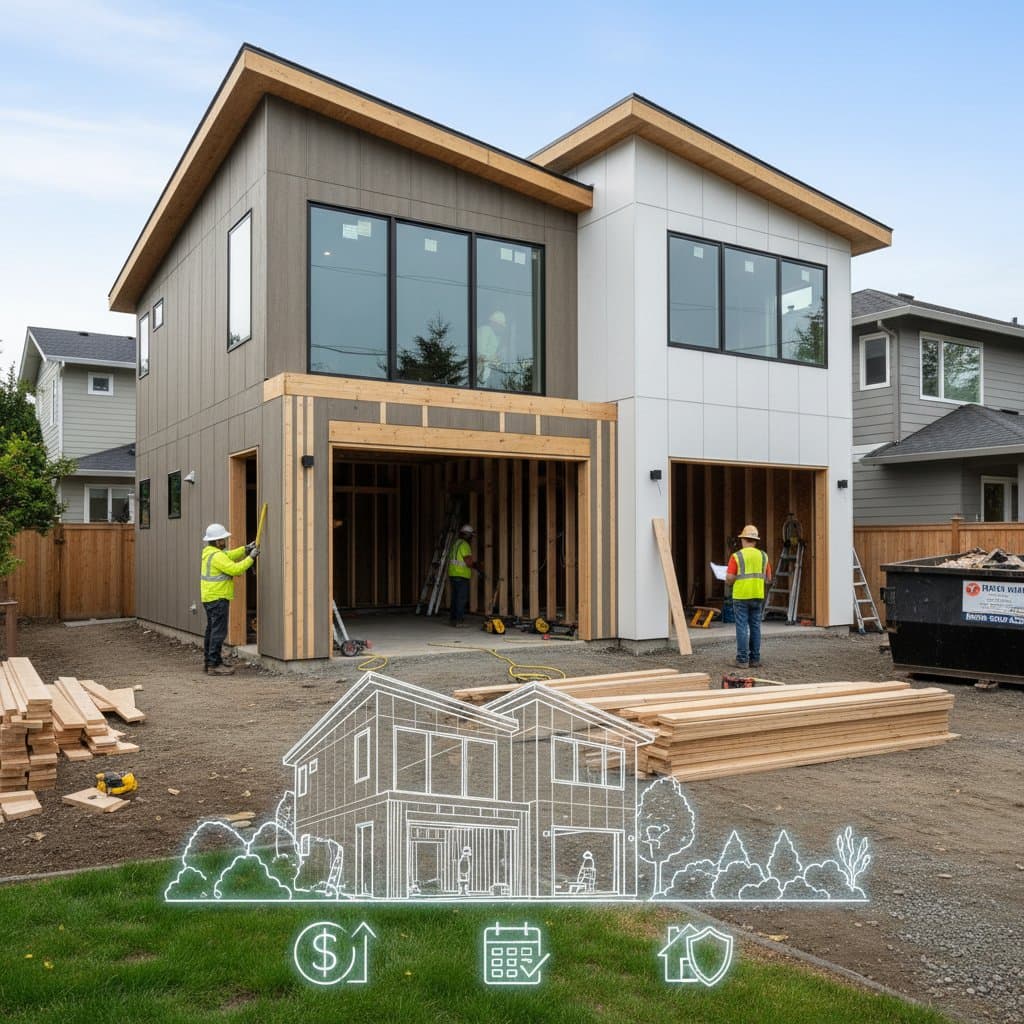
Converting a garage to an ADU in 2026 involves comprehensive residential construction, with costs ranging from $150 to $350 per square foot. Factor in permits, site challenges, and code requirements for a timeline of 3 to 6 months. Discover how strategic planning turns this project into a smart investment for added space or income.
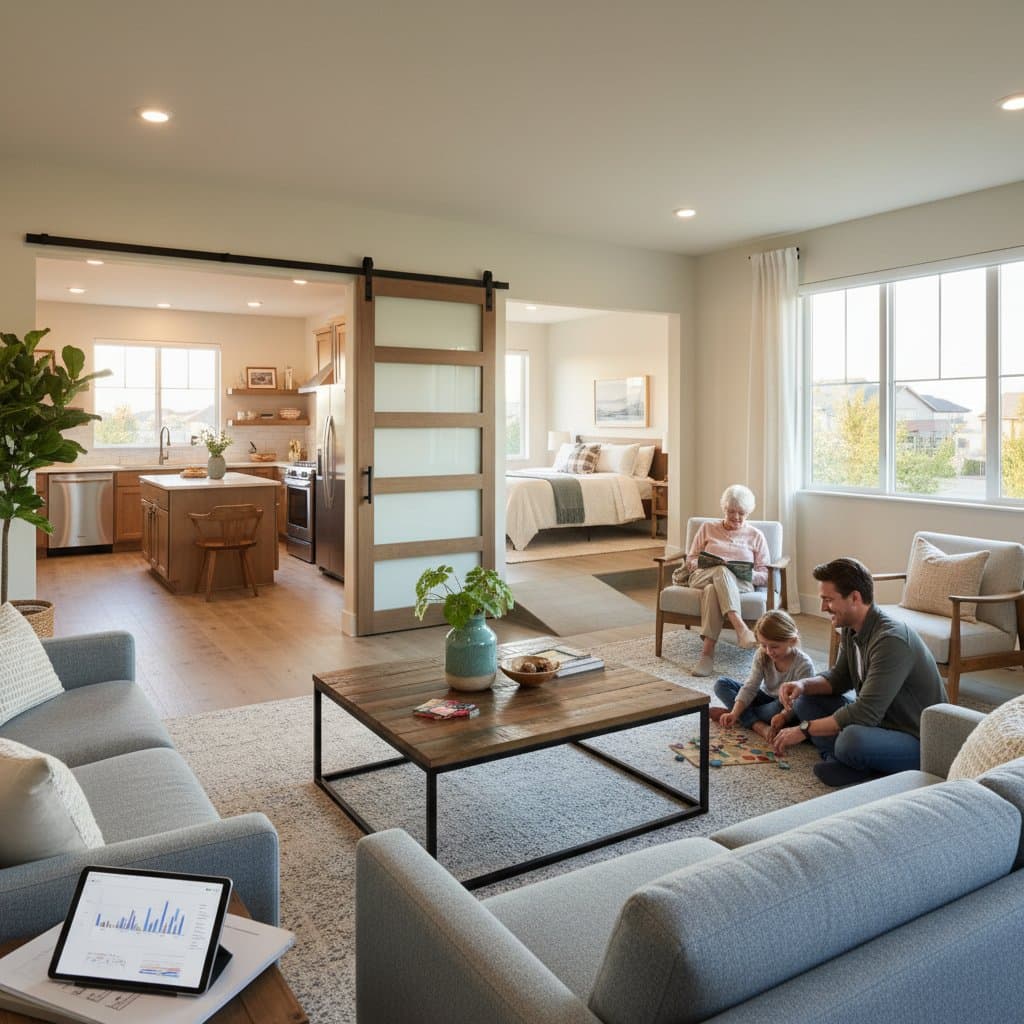
Plan a multigenerational home conversion with costs between $140,000 and $340,000, timelines of three to eight months, and focused decisions on layout, accessibility, and permits. Balance privacy and shared living to create an adaptable space that supports family needs and boosts home value.
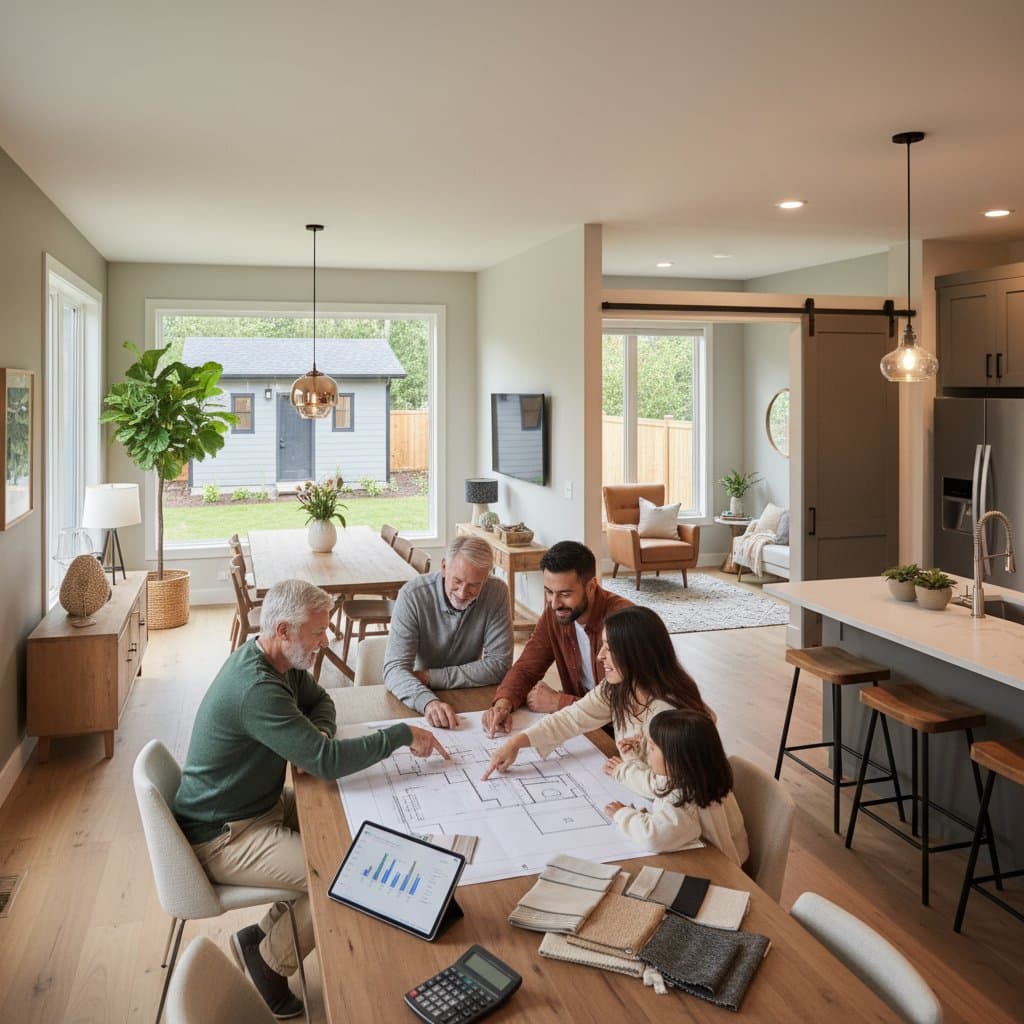
Converting a home for multigenerational living involves careful planning to balance costs, regulations, and family needs. This guide details 2026 expenses, practical steps, and strategies to ensure your project enhances comfort and value without unexpected financial strain.
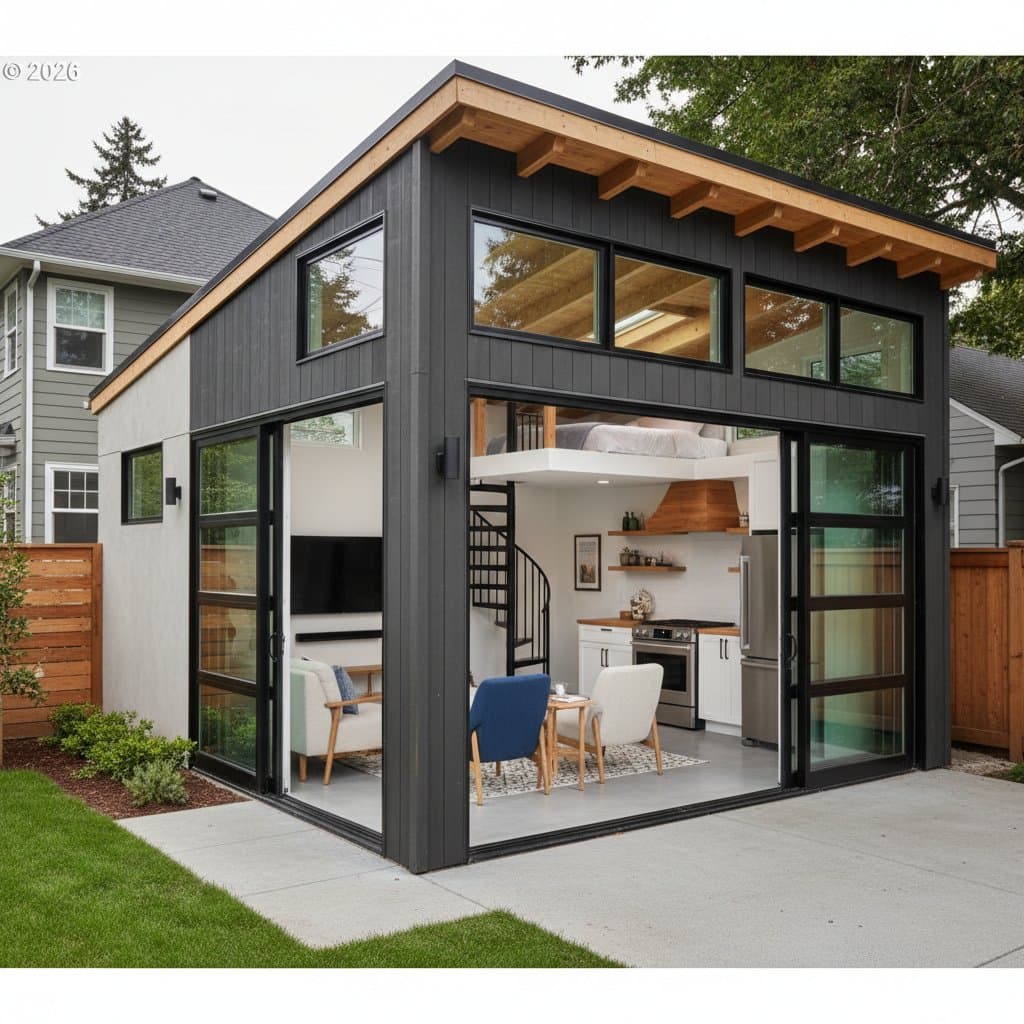
Garage-to-ADU conversions range from $75,000 to $180,000, influenced by size, materials, and local requirements. These projects can elevate property values by up to 30 percent and provide reliable rental opportunities. This guide offers in-depth cost details, service options, and practical tips for optimizing efficiency and returns.
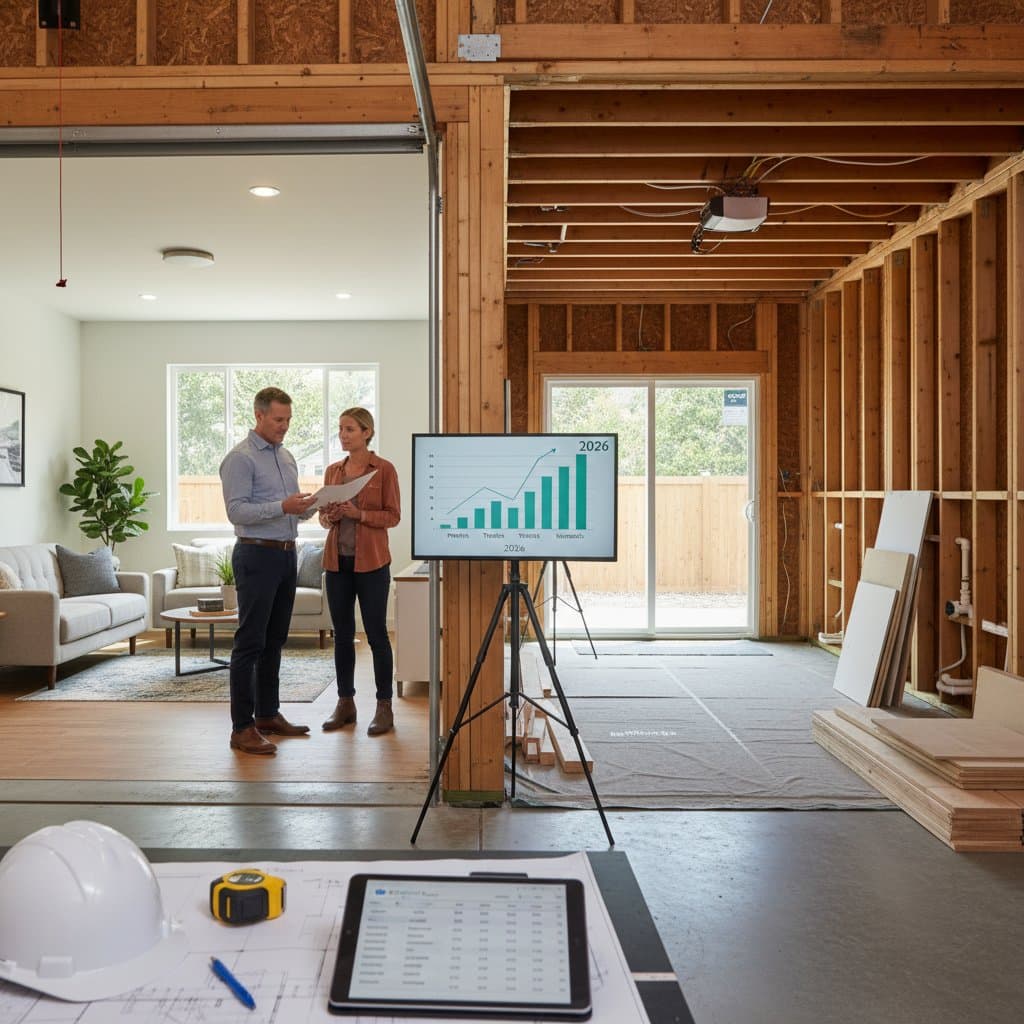
Convert your garage into a valuable ADU for added space and income. This 2026 guide details costs, permits, construction steps, and strategies to avoid pitfalls while ensuring compliance and comfort.
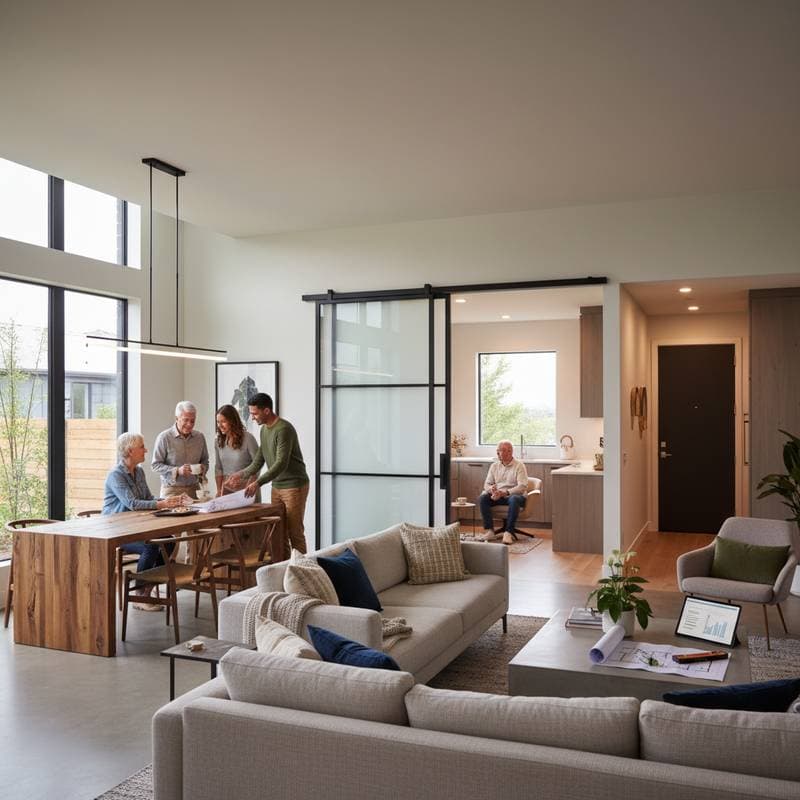
Multigenerational homes offer a way to unite families under one roof, blending private retreats with communal areas. This guide details how to develop a budget that covers layout planning, cost management, regulatory compliance, and choices between DIY efforts and professional services, creating spaces that foster independence, comfort, and value across generations.
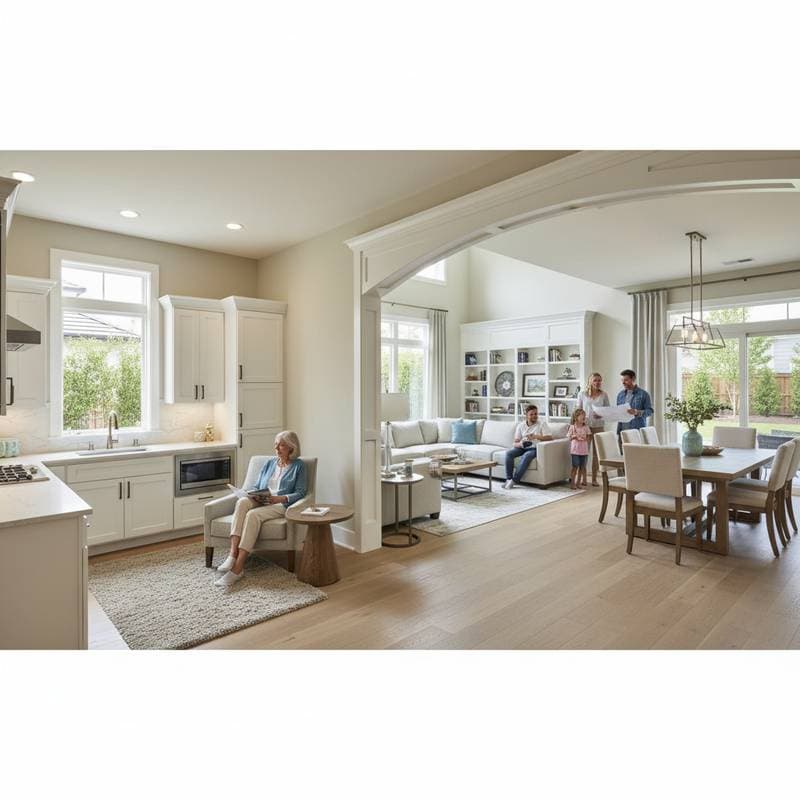
Converting a home for multigenerational living typically costs $65,000 to $230,000, with an average of $142,000 for comprehensive projects. Costs depend on square footage, materials, and layout complexity, yet such upgrades can elevate property value by 20 to 35 percent. This guide details breakdowns, professional versus DIY options, and strategies for cost efficiency and enhanced family living.
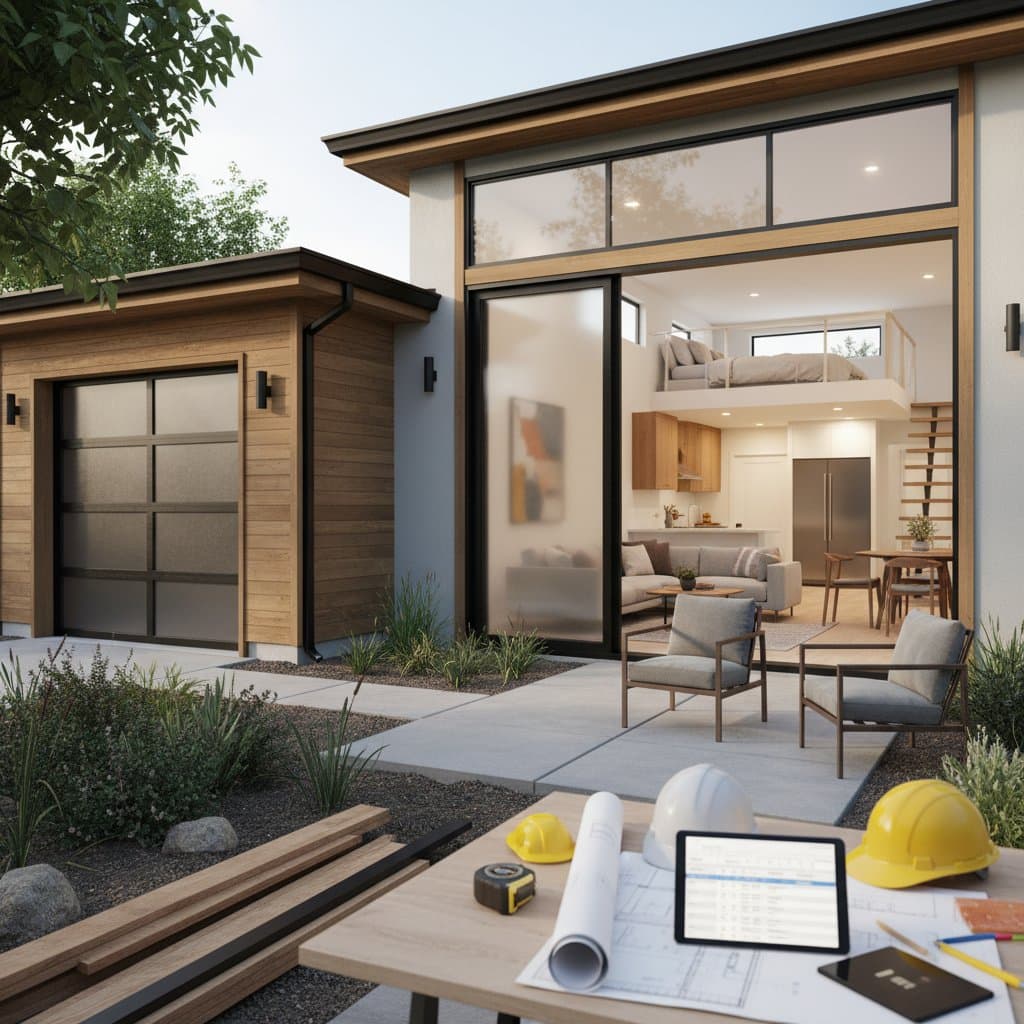
In 2026, converting a garage to an accessory dwelling unit averages $140,000 nationwide, with ranges from $95,000 to $180,000. Projects span four to eight months, influenced by dimensions, materials, and locale. Strategic planning with certified experts and cost-conscious selections enhances home equity and supports rental earnings of $1,500 to $3,000 monthly.
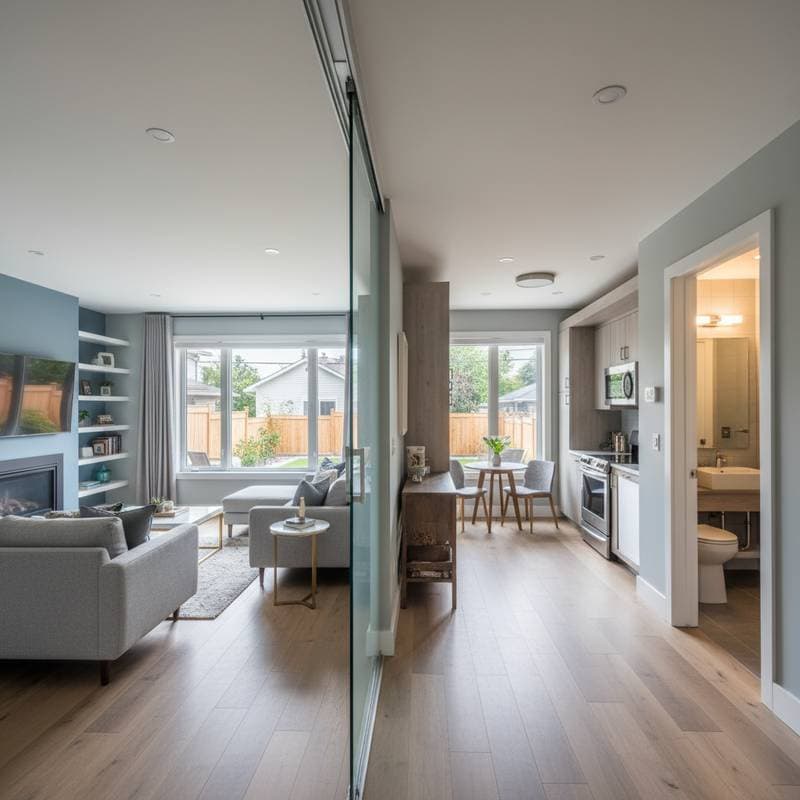
Adapting homes for multigenerational living need not incur excessive costs. This comprehensive guide details methods to develop independent living areas within one home, while managing expenses, complying with regulations, and upholding resale potential. Gain insights into key cost factors, systematic planning approaches, and informed choices between personal efforts and professional services for effective home adaptations.
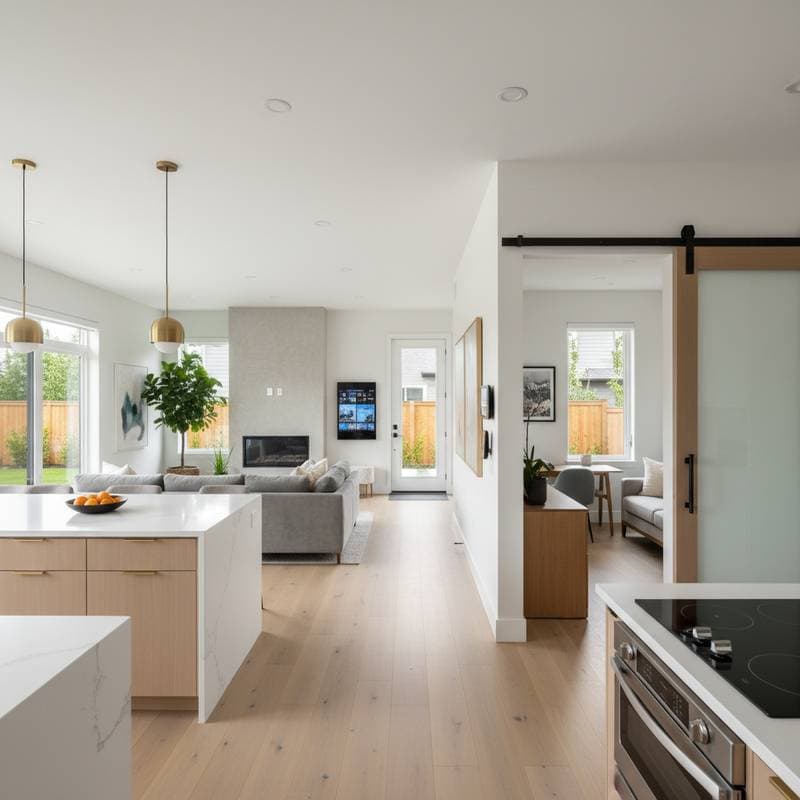
Multigenerational living gains popularity as families seek affordable, connected housing solutions. This guide examines 2026 cost projections, practical design choices, return on investment potential, and key permitting requirements. Discover strategies to create versatile, compliant spaces that foster family bonds while enhancing home equity.
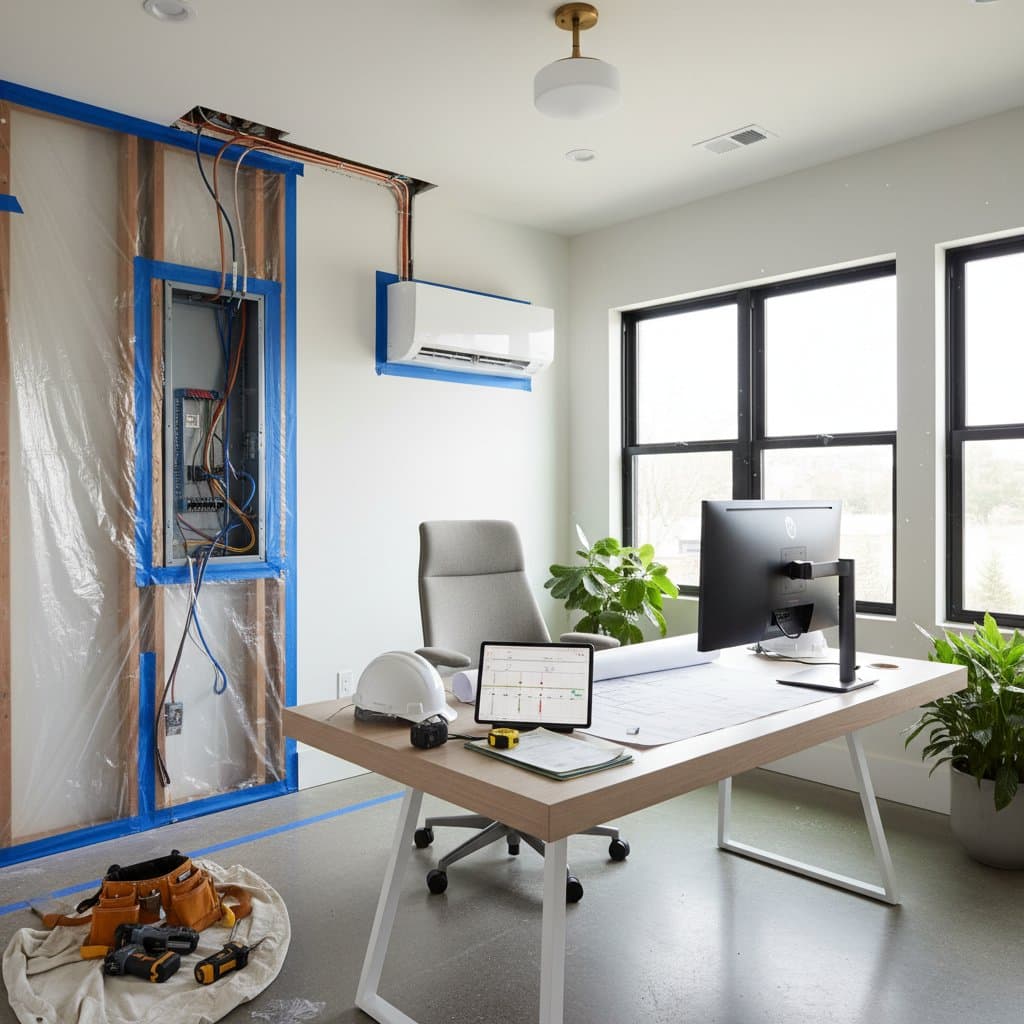
Converting unused areas into home offices involves more than aesthetics; it requires navigating permits, budgeting for upgrades, and ensuring code compliance. From power enhancements to climate controls, grasp the necessities to sidestep penalties and build a secure, effective workspace.
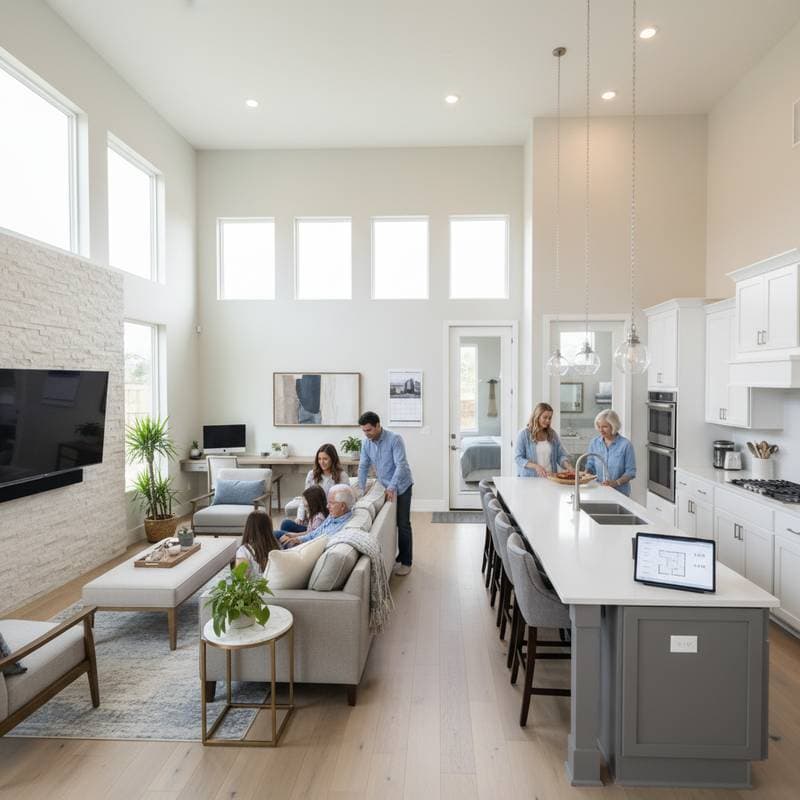
Building a multigenerational home in 2025 carries a national average cost of $410,000. This guide details key expense drivers, from site preparation to final finishes, along with practical savings advice and insights into long-term family benefits and resale value.
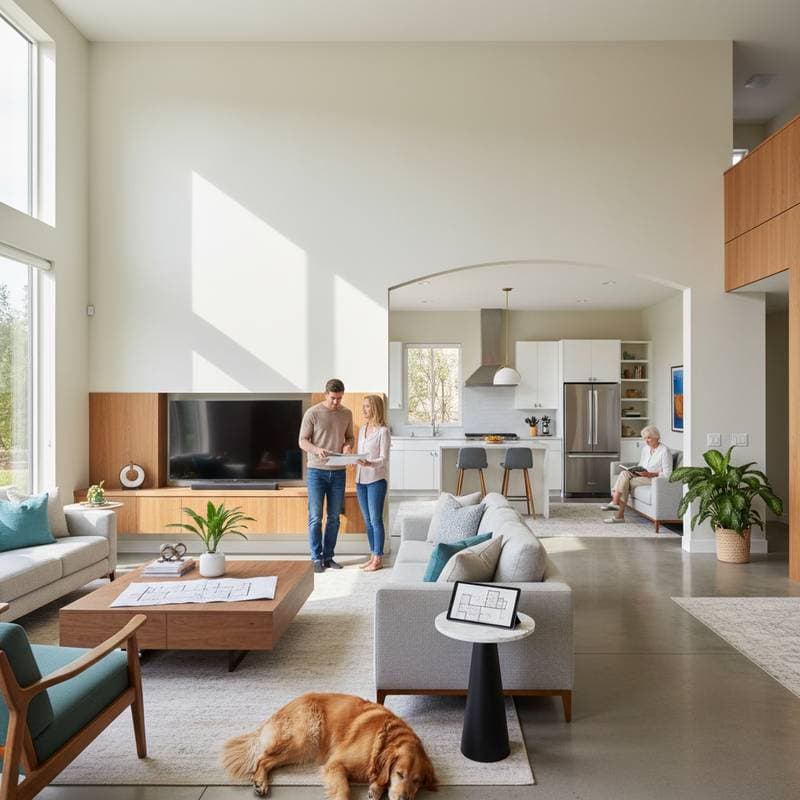
Plan a 2025 multi-generational home remodel with confidence. This guide covers national cost averages starting at $185,000, practical savings methods, timeline details, regional variations, and design tips for privacy, accessibility, and lasting value.
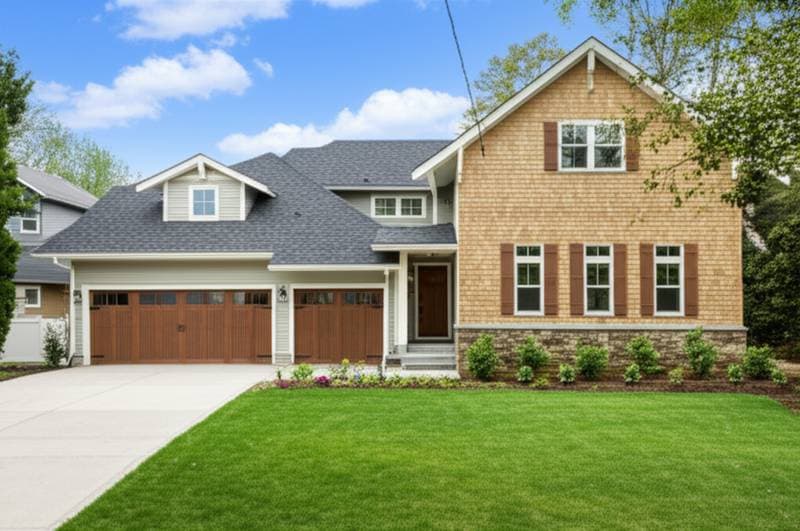
Turn your home into a multi-generational retreat that enhances value. Costs span $75,000 to $250,000, and strategic choices in layout, materials, and compliance can deliver 35% ROI. Uncover expert strategies, design ideas, and tips for efficient, rewarding renovations.
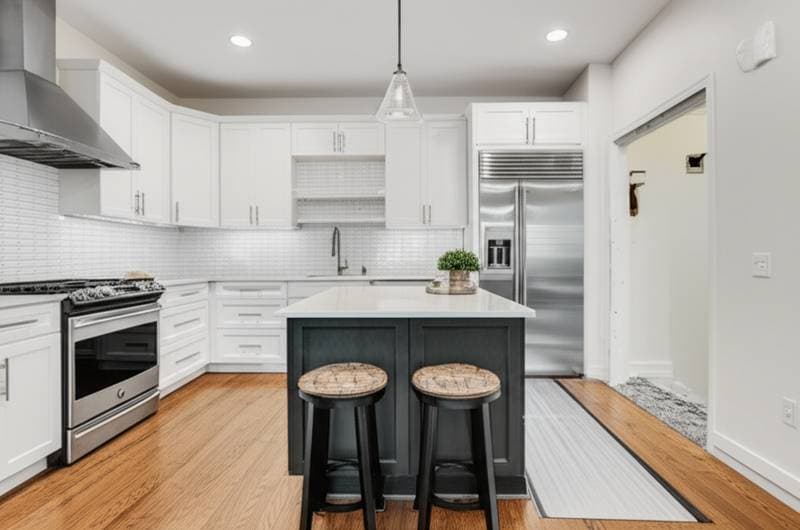
Multigenerational home renovations offer family unity and flexibility, yet they surpass budgets due to regulatory demands, infrastructure upgrades, and inclusive designs. This resource dissects actual expenses, project phases, and common errors, equipping owners to plan effectively, sidestep pitfalls, and foster secure, harmonious living environments.