How Much Does a Multigenerational Home Build Cost? Pricing Guide
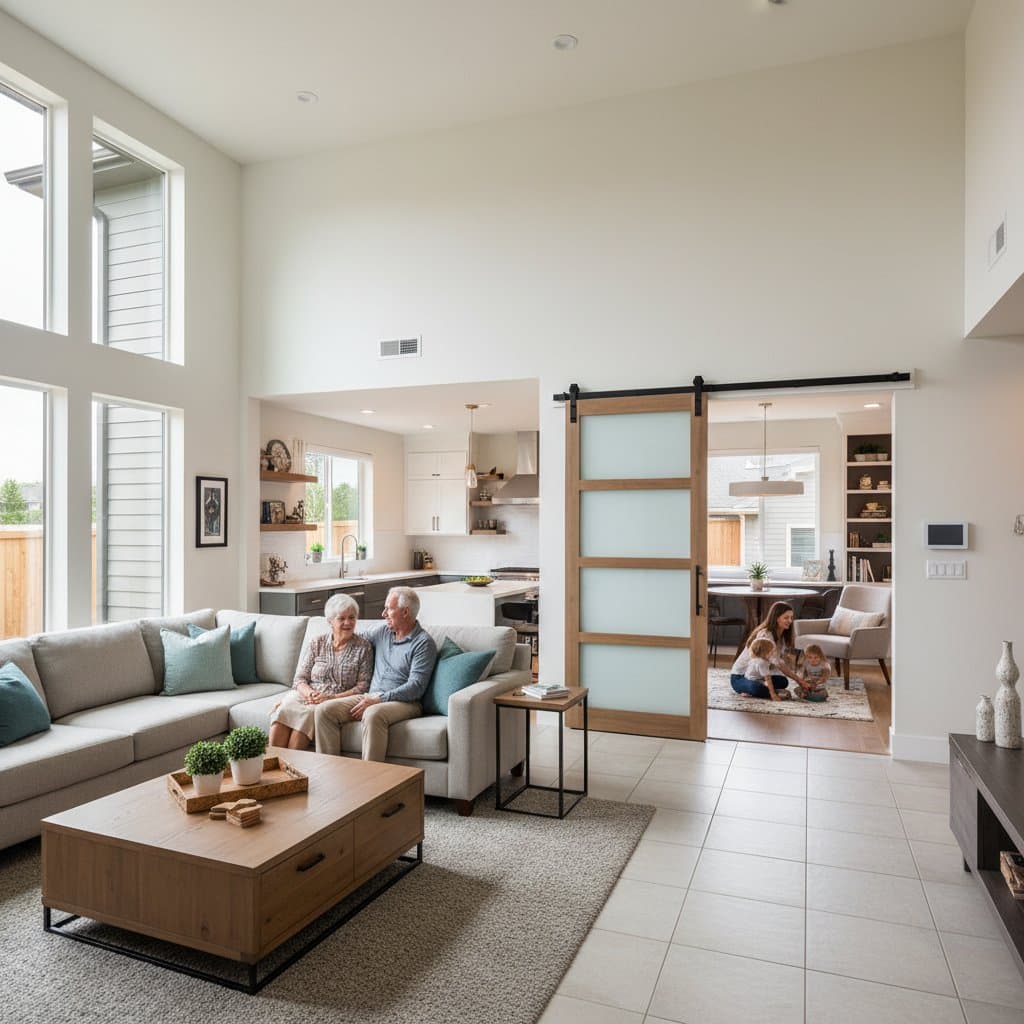
Multigenerational homes foster family unity by blending communal areas with private retreats. These structures support independence for all residents. Professional construction of such homes generally ranges from $250,000 to $650,000. The average expenditure stands at $420,000 for a typical configuration featuring a primary residence plus an attached in-law suite or accessory dwelling unit.
Three main elements shape the total expense: project scale, material standards, and site demands. Local labor costs and regulations further influence pricing. Data from industry sources indicate that incorporating a secondary living area can elevate property value by 25 to 35 percent in designs suited for enduring family needs. A thoughtfully executed multigenerational plan yields financial adaptability, stable housing, and sustained well-being for multiple generations.
Detailed Cost Breakdown
Pricing for multigenerational builds hinges on unit count, overall area, and personalization degree.
Primary Pricing Structure
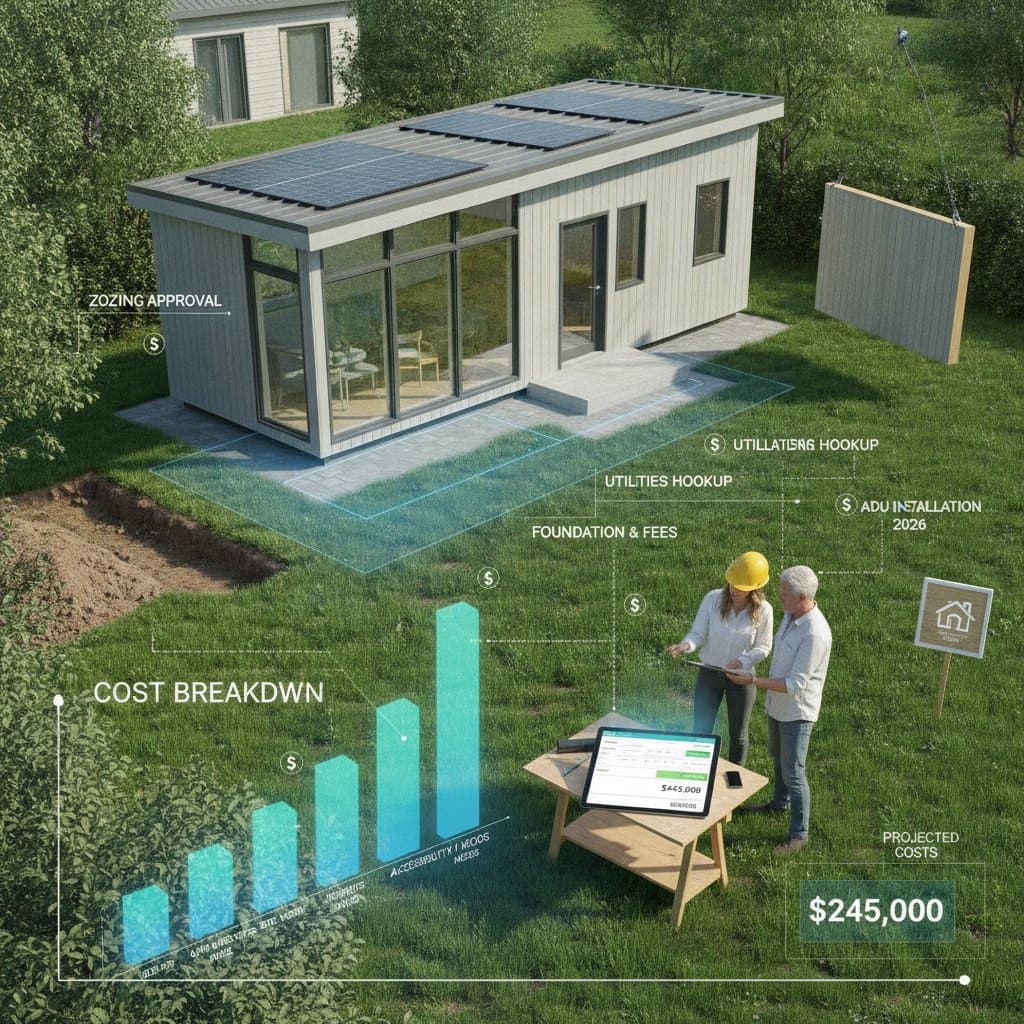
Contractors typically charge $150 to $300 per square foot for new constructions with separate kitchens, dedicated entrances, and adaptable bathrooms. Basic attached additions to existing properties begin at $120,000. Standalone units start higher, at $180,000, accounting for extra foundational, roofing, and utility installations.
Design and permitting fees average $5,000 to $10,000, covering blueprints and regulatory approvals. At the lower end, modest projects total about $280,000. High-end versions with superior finishes surpass $600,000.
Size and Scope Factor
Every additional 100 square feet contributes $15,000 to $25,000, based on selections and systems integration. A 1,200-square-foot extension complete with plumbing and heating, ventilation, and air conditioning systems costs $210,000 to $260,000. Family-oriented duplexes with symmetrical designs average $400,000 to $500,000. Expansive custom estates, including communal exteriors, exceed $700,000.
Material and Quality Tiers
Entry-level options employ vinyl surfaces, laminate surfaces, and simple storage units at $150 per square foot. Such choices suit practical, easy-care environments.
Mid-tier constructions incorporate quartz surfaces, wood flooring, and efficient glazing from established manufacturers, ranging from $200 to $250 per square foot.
Upper-tier builds feature advanced fittings, automated systems, and bespoke culinary areas from premium suppliers, reaching $300 to $400 per square foot. Superior components enhance resale potential by 10 to 15 percent through robustness and visual allure.
Complexity Variables
Expenses escalate on challenging terrains with slopes, restricted entry, or aged bases. Site evaluations incur $3,000 to $7,000 in specialist fees. Achieving inclusive features like broader passages and unobstructed bathing areas adds $5,000 to $15,000. In dense cities such as San Francisco or Seattle, regional adjustments raise budgets by 20 to 40 percent from workforce constraints and approval delays.
Service Types and Comprehensive Pricing
Basic or Standard Package
Standard offerings encompass:
- Structural framing, roof assembly, and base preparation
- Essential culinary and sanitary setups
- Wiring, piping, and climate control installations
- Routine thermal barriers and wall coverings
These endeavors span six to nine months and demand approximately 1,800 work hours. Pricing sits between $250,000 and $380,000, fitting families seeking linked yet distinct quarters.
Premium or Comprehensive Service
Advanced packages introduce tailored enhancements, including:
- Automated residence features and unified safeguards
- Inclusive layouts for lifelong residency
- Elite grounds development and acoustic isolation
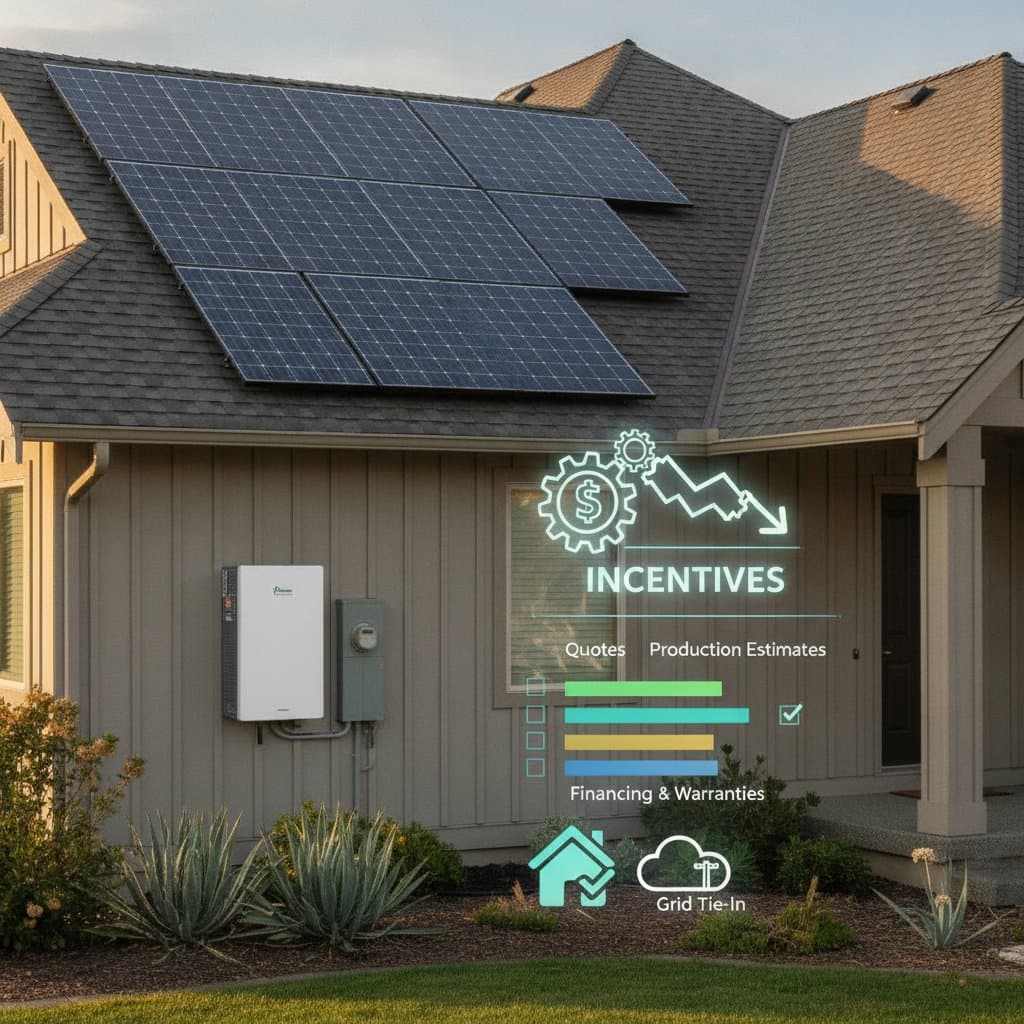
- Preparations for solar energy systems
Such additions inflate expenses by 25 to 40 percent, resulting in $450,000 to $650,000 totals. Industry analyses show recovery of up to 75 percent via heightened asset worth and utility reductions.
Add-on Services Matrix
| Add-On Service | Average Cost | Bundle Savings | Benefit |
|---|---|---|---|
| Detached ADU | $180,000–$300,000 | 10% | Full privacy and rental potential |
| Accessibility Retrofit | $8,000–$20,000 | 5% | Aging-in-place readiness |
| Landscape Integration | $12,000–$25,000 | 8% | Shared outdoor use and curb appeal |
| Solar Installation | $18,000–$28,000 | 10% | Long-term energy reduction |
Professional vs DIY Analysis
DIY Cost Breakdown
Self-managed projects demand substantial outlays for supplies and effort. Structural wood, wall panels, and barriers alone surpass $40,000. Sanitary and appliance elements from reliable brands contribute another $20,000 to $30,000. Equipment rentals tally $3,000 per month, with approvals reaching $8,000. Skilled work estimates at 1,000 hours highlight the high personal investment. Unforeseen problems like wiring infractions or drainage flaws lead to costly fixes.
Professional Advantages
Engaging certified experts yields clear gains. Warranties equate to $15,000 in protection, alongside regulatory adherence and 40 to 60 percent quicker completion. Supplier negotiations reduce material prices by 10 percent. The threshold where professional value exceeds self-effort emerges around $250,000, favoring experts for intricate undertakings.
Actionable Cost-Saving Strategies
Timing Optimization
Initiating work in quieter periods lowers proposals by 5 to 15 percent. Midweek assessments and business-day shipments cut transport fees.
Smart Shopping Tactics
Obtain three comprehensive estimates via established platforms. Providers frequently offer 2 to 3 percent reductions for prompt settlements. Sourcing from bulk vendors or recycled outlets trims supply expenses by 10 to 20 percent.
Preparation Actions
Owners save $3,000 to $5,000 by managing land preparation, waste clearance, and light coatings. Documented directives with builders curb excess spending and uphold responsibility.
Market Dynamics and Considerations
Geographic Variations
Expenses differ markedly by locale. Seaside urban centers average $350 per square foot, whereas countryside areas approach $180. City surcharges stem from elevated approvals and scarce plots.
Market Timing
Construction demand fluctuates with economic cycles. Periods of low interest rates spur activity, potentially raising labor costs by 10 to 15 percent. Monitoring housing starts data helps identify optimal launch windows, avoiding peak-season premiums.
Value Indicators
Effective multigenerational designs signal strong investment potential. Features like flexible floor plans and energy-efficient systems correlate with 20 to 30 percent higher appraisals. Local market trends, such as rising demand for family compounds, further amplify returns.
Steps to Secure Lasting Family and Financial Benefits
Prioritize designs that adapt to evolving needs, ensuring spaces serve children, adults, and elders alike. Select durable materials to minimize upkeep and maximize equity growth. Consult local experts early to align with regulations and budget realities. These measures not only control costs but also create enduring homes that strengthen family bonds and wealth.