How Much Does Multigenerational Home Design Cost? A Detailed Pricing Breakdown
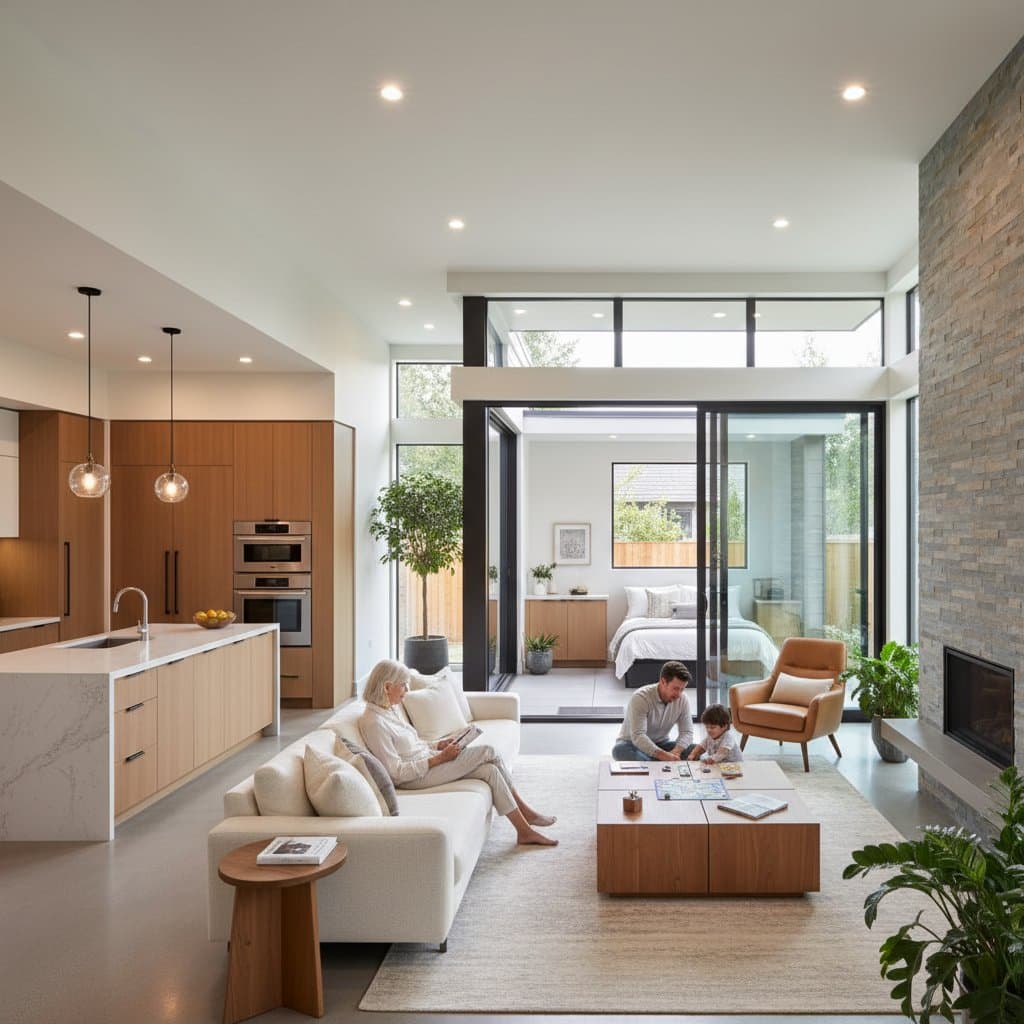
Multigenerational home design fosters spaces that support privacy, ease, and family connection for all ages. Professional services for such designs generally range from $180,000 to $750,000, with average projects landing near $420,000. These figures cover features like distinct living areas, communal kitchens, and universal accessibility elements.
Three primary elements shape the overall expense: the home's square footage and layout intricacy, the caliber of materials and finishes, and any required structural alterations or expansions, including accessory dwelling units. In areas with elevated labor expenses, such as urban centers or coastal zones, budgets may increase by 15 to 25 percent. Homes adapted for multigenerational use often see property values rise by up to 20 percent over time, positioning the project as a practical and profitable endeavor.
Such designs reshape family routines by promoting self-sufficiency alongside resource sharing, which lowers ongoing care expenses and heightens market desirability. Collaboration with qualified architects or designers guarantees that each area prioritizes well-being, seclusion, and adaptability for future needs.
Assessing Size and Project Scope
The home's dimensions play a pivotal role in determining expenses. Adding 100 square feet typically incurs an extra $12,000 to $35,000, influenced by the level of detail in the design and chosen materials.
Consider a 2,000-square-foot property featuring two separate suites and a shared kitchen; this setup might total $380,000. In comparison, a 3,200-square-foot configuration with an independent accessory dwelling unit, two kitchens, and individual access points could approach $640,000.
Design professionals frequently apply tiered approaches to pricing:
- Compact configurations under 1,800 square feet: $180,000 to $300,000
- Mid-sized homes from 1,800 to 2,800 square feet: $310,000 to $480,000
- Expansive or high-end properties over 3,000 square feet: $550,000 to $750,000
Market data indicates steady per-square-foot rates, though local labor availability and permitting rules introduce variations.
Navigating Design Complexity
Elements like accessibility provisions, structural adjustments, and adherence to building standards substantially influence budgets. Incorporating an accessory dwelling unit or repurposing a basement demands extended plumbing, heating and ventilation systems, and noise-reduction features, contributing $50,000 to $150,000.
Should the current foundation require strengthening or updates to meet codes, expenses escalate by 10 to 20 percent. Urban settings commonly involve steeper permitting and oversight fees, whereas rural projects might offset labor savings with elevated delivery and supply costs.
Homeowners report that accessibility enhancements, including ramps, broadened doorways, or stair assists, generally add $5,000 to $25,000, scaled to the project's extent and aesthetic choices.
Evaluating Premium Design Services
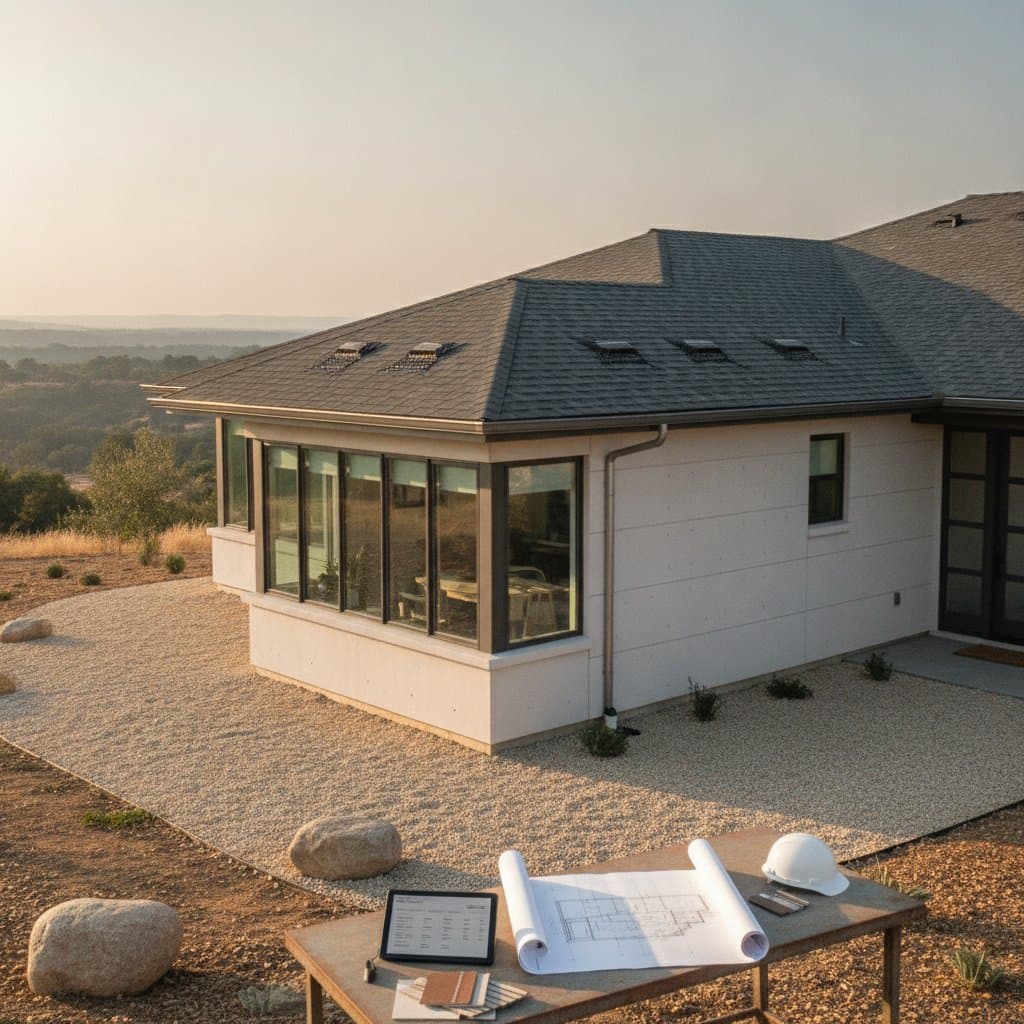
High-end packages encompass complete architectural plans, engineering assessments, permit applications, and interior coordination. Design fees alone span $10,000 to $25,000, frequently integrated with oversight for builds surpassing $400,000.
These options command a 12 to 20 percent uplift over basic services, yet they deliver superior returns through regulatory compliance, improved energy use, and enhanced market appeal. A full strategy incorporating an attached accessory dwelling unit often recoups investment in 7 to 10 years, particularly when generating rental revenue or accommodating relatives.
Comparing Professional Services and DIY Approaches
Breaking Down DIY Expenses
Self-directed modifications attract skilled homeowners, though they conceal various outlays. For a modest in-law area, essential materials encompass:
- Framing and wallboard: $2,000 to $4,000
- Plumbing components and installations: $1,500 to $3,000
- Wiring and illumination systems: $1,000 to $2,500
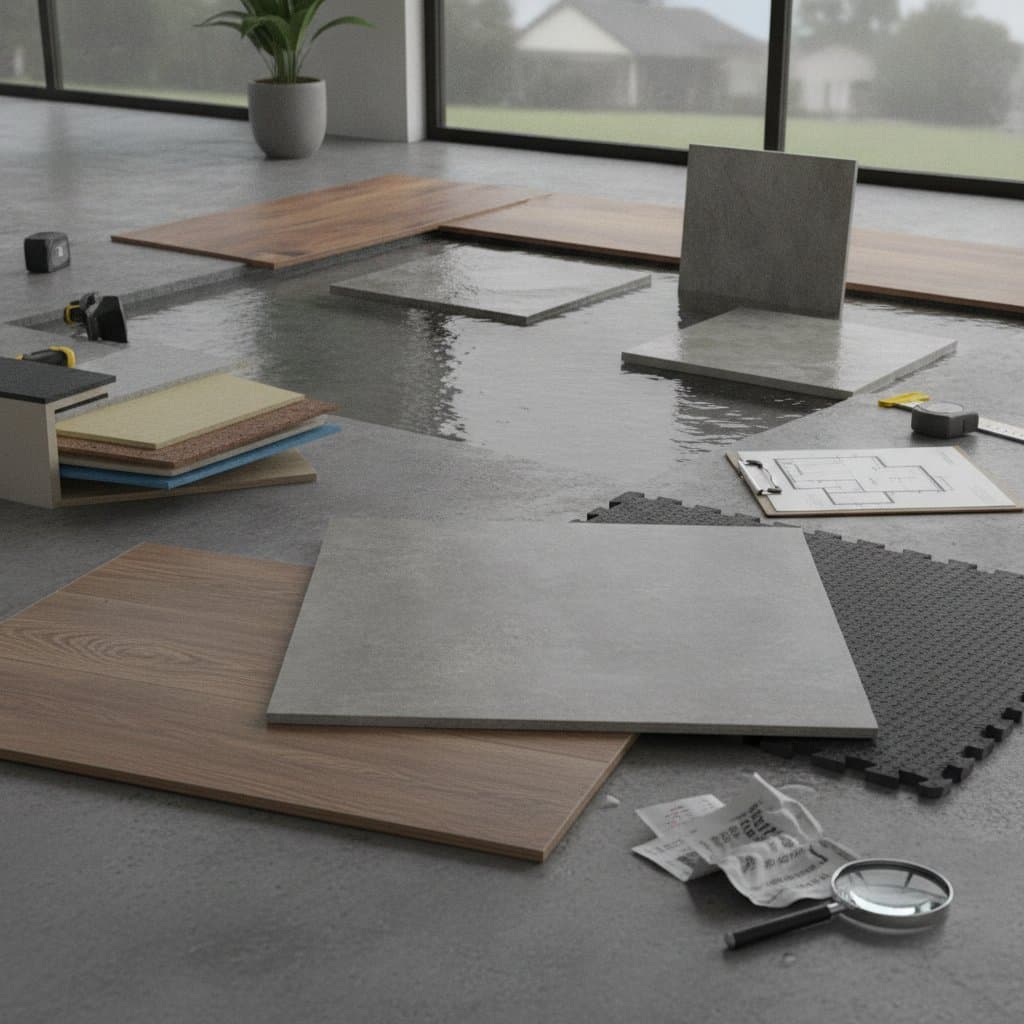
- Surface coverings and coatings: $1,200 to $3,000
- Kitchen and utility appliances: $2,500 to $5,000
Renting equipment like cutting tools, power drills, and air systems adds $800 to $1,500. Effort often surpasses 200 hours, spanning several weeks. Factoring in time away from other pursuits, full DIY costs climb to $25,000 to $45,000 for limited updates and $70,000 to $120,000 for comprehensive overhauls.
Self-managed efforts risk non-compliance with standards, inadequate thermal barriers, or irregular surfaces, all of which diminish asset worth over time.
Framework for Choosing Your Path
Opt for expert execution when the work includes foundational shifts, pipe relocations, or mobility adaptations. Self-guided methods suit cosmetic updates like resurfacing or covering replacements.
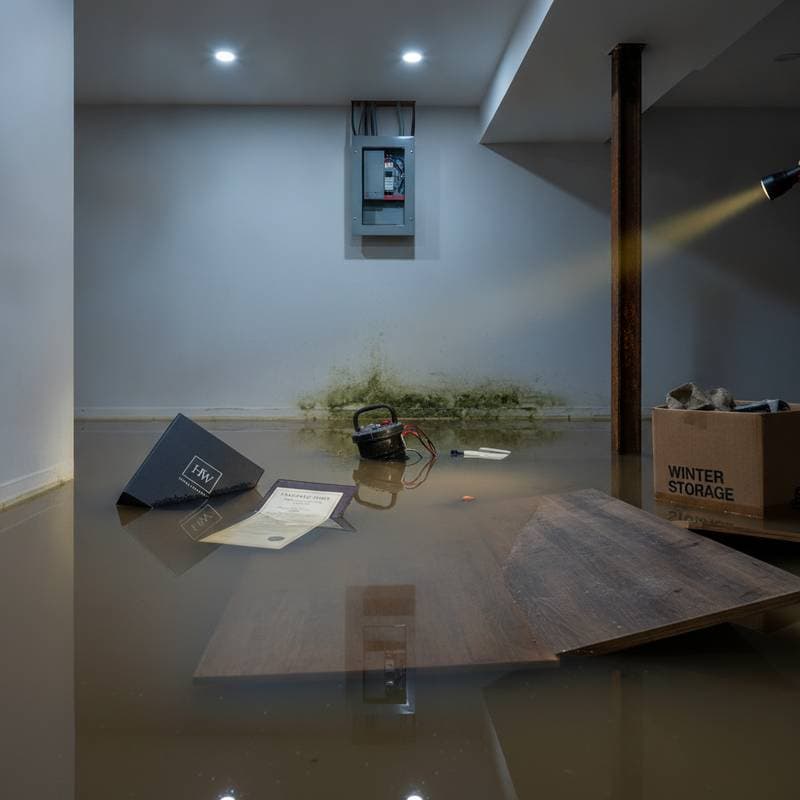
Errors in structural assembly or moisture protection may necessitate $5,000 to $15,000 in fixes. For sustained security and regulatory alignment, hiring specialists proves the wiser investment.
Understanding Regional and Timing Influences
Regional Pricing Differences
Expenses for multigenerational adaptations differ markedly by location.
- Metropolitan zones: 20 to 30 percent surcharges from workforce needs and approval processes
- Suburban locales: Equilibrium at $150 to $250 per square foot
- Countryside areas: Up to 15 percent reductions in labor, offset by transport fees
Interior and southern regions typically experience more modest building rates than seaside metropolises.
Timing Your Project
Supply fluctuations in commodities like timber and metal impact outlays. Recent inflationary pressures have lifted average per-square-foot figures by 8 to 12 percent. Constraints on qualified workers also influence timelines and cost predictability.
Measuring Added Value
Properties equipped for multigenerational occupancy provide tangible advantages. Real estate trends show these homes, with accessory units or supplemental spaces, move 18 percent quicker and fetch 10 to 20 percent more at sale. Sustainable and versatile designs additionally trim yearly upkeep by about $1,500.
Strategies to Optimize Your Multigenerational Project
Pursuing multigenerational home design serves as a blend of personal enhancement and economic foresight. Effective integration of collective and private zones hinges on deliberate choices, resilient components, and specialist input.
Engage openly with your planning team, solicit bids from several sources, and align your start date to secure optimal rates. Through precise financial oversight and informed collaboration, this home delivers sustained ease, autonomy, and appreciation for generations ahead.